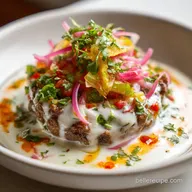
Boom Boom Sauce: Creamy and Spicy
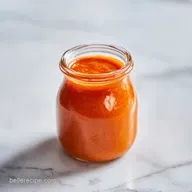
Combining mayonnaise with chili sauce creates a multi-use dip that works equally well as a sandwich spread or a spicy dipping option for seafood.
sweet chili heat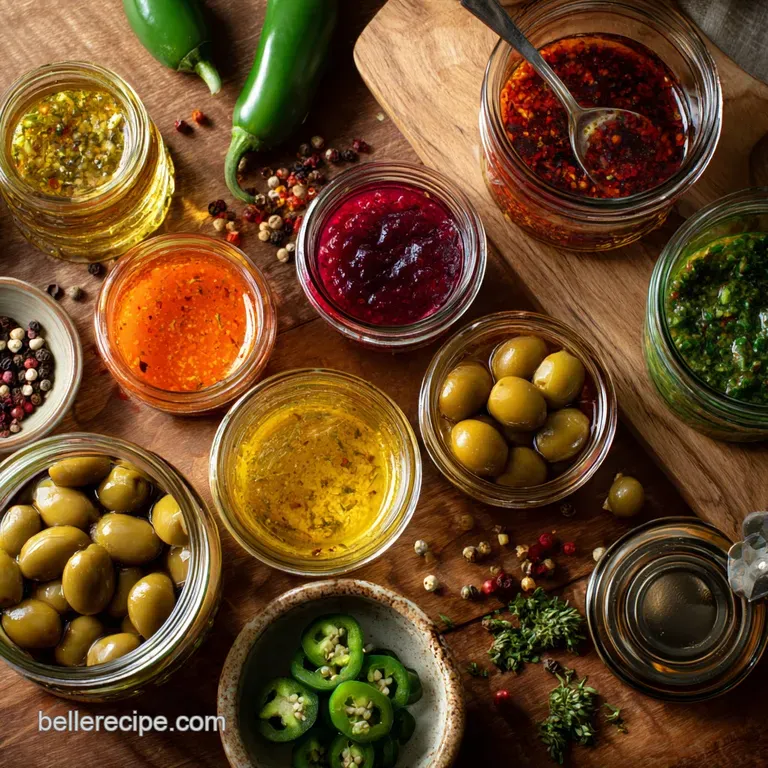
Condiments are the easiest way to change the profile of a meal without starting from scratch. Whether you need a sharp vinegar-based kick, a smooth dipping sauce, or a briny liquid for a drink, making these staples at home allows for total control over salt and spice levels.
These recipes provide the basic framework for several distinct styles, from creamy restaurant-inspired dips to high-heat pepper sauces.
Most of these options come together in minutes using standard pantry items, making them reliable for last-minute meal upgrades. Having a few jars of high-quality spreads or a bottle of spicy accent ready in the fridge ensures that even simple grilled meats or vegetables never feel repetitive.
These recipes focus on emulsified bases like mayonnaise or sour cream to provide a cooling counterpoint to spicy main dishes. They are best prepared shortly before serving to maintain their smooth, pourable consistency compared to firmer butter-based spreads.
Combining mayonnaise with chili sauce creates a multi-use dip that works equally well as a sandwich spread or a spicy dipping option for seafood.
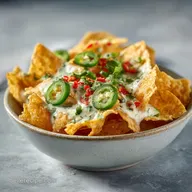
sweet chili heatFresh peppers and ranch seasoning blend into a smooth dip that offers a cooling yet zesty profile, reminiscent of popular southwestern restaurant appetizers.
zesty ranch styleHigh-impact ingredients like roasted garlic, ghost peppers, and olive brine define this group of bold flavor enhancers. Unlike the creamy options, these are designed to provide concentrated bursts of heat or salt to your favorite dishes or cocktails.
Fermented or simmered ghost peppers provide the base for this intense sauce, which is crafted for those who enjoy a high-heat addition to their meals.
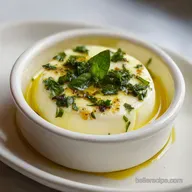
intense pepper heatSlow-roasted garlic cloves are whipped into softened butter to create a rich spread that enhances everything from crusty bread to grilled proteins.
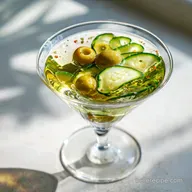
rich roasted flavorThis cocktail utilizes olive brine for a salty kick, providing a savory liquid accent that stands out from typical sweet drink recipes.
briny cocktail accent| # | Recipes | Best For | Time | Difficulty | Pairs Best With |
|---|---|---|---|---|---|
| 1 | Homemade Boom Boom Sauce | shrimp dipping sauce | 5 min | Easy | Shrimp and burgers |
| 2 | Chuy's Jalapeño Ranch Recipe | taco night toppings | Time varies | Easy | Tacos and chips |
| 3 | Ghost Pepper Hot Sauce Recipe | extremely spicy meals | 35 min | Intermediate | Wings and pizza |
| 4 | Homemade Garlic Butter | homemade garlic bread | 55 min | Easy | Steaks and bread |
| 5 | Extra Dirty Martini Recipe | salty beverage lovers | 5 min | Easy | Cocktails and snacks |
Discover more curated recipe collections
Explore more recipe collections →