Authentic Aglio E Olio: Garlic Spaghetti Recipe
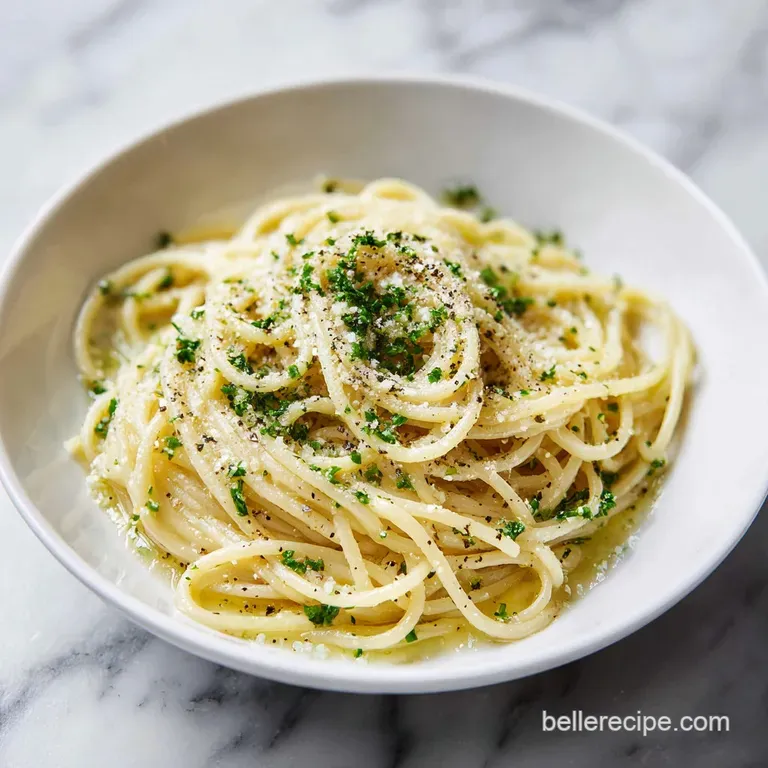
- Time: Active 5 minutes, Passive 10 minutes, Total 15 minutes
- Flavor/Texture Hook: Vibrant, nutty garlic notes with a velvety, emulsified finish
- Perfect for: Late night cravings, quick weeknight dinners, or showing off for friends
- Mastering the Classic Aglio e Olio with Perfect Emulsion
- Essential Time and Temperature Specs for Success
- The Humble Mediterranean Elements That Define This Dish
- Choosing the Right Tools for a Silkier Pasta
- Merging Oil and Water into a Velvety Sauce
- Avoiding the Bitter Burn and Common Kitchen Mistakes
- Vibrant Variations to Suit Every Seasonal Craving
- Keeping the Silkiness During Storage and Reheating
- Plating with Aromatic Flair for a Restaurant Finish
- Recipe FAQs
- 📝 Recipe Card
Mastering the Classic Aglio e Olio with Perfect Emulsion
Picture this: it is 11 PM on a Tuesday, the kitchen is quiet, and the only sound is the rhythmic thwack of a knife against a wooden board. You’ve got six cloves of garlic, sliced so thin they are practically translucent, and the air is about to fill with that irresistible Mediterranean perfume.
There is something deeply satisfying about watching those slivers dance in a pool of gold oil, slowly turning a pale straw color without ever hitting that bitter, dark brown stage.
I remember my first real attempt at this dish after a trip to a tiny trattoria in Rome. I used to think it was just "oil and garlic," but I kept ending up with a greasy pile of noodles. It took me a dozen tries to realize that the secret isn't just the ingredients; it's the technique of capturing the starch.
Now, when I make this, the sauce is a cohesive, shimmering coat that makes the spaghetti feel luxurious rather than heavy.
We are going for a specific contrast here: the sharp, spicy kick of red pepper flakes against the mellow, buttery depth of slow infused garlic. It's a dish of restraint and precision. If you’ve ever struggled with a broken sauce or garlic that tastes like charcoal, don't worry.
We've all been there, and I’m going to walk you through exactly how to nail that velvety texture every single time. Trust me, once you get the emulsion right, you’ll never go back to the jarred stuff again.
Essential Time and Temperature Specs for Success
This recipe moves incredibly fast once the pasta hits the water. Success depends on your ability to time the infusion of the oil with the boiling of the spaghetti. Because we are dealing with high-quality bronze die pasta, the water will be exceptionally cloudy and rich with starch do not let that liquid gold go down the drain!
The Kinetic Bind: Vigorous tossing of the pasta with starchy water and olive oil creates a mechanical emulsion, where starch molecules act as bridges between the fat and water. This prevents the oil from separating and creates a coating that clings to the noodles.
| Method | Time | Texture | Best For |
|---|---|---|---|
| Classic Infusion | 15 minutes | Silky and light | Pure, authentic flavor |
| Cold Start Garlic | 18 minutes | Deeply nutty | Those who hate bitter notes |
| One Pot Style | 12 minutes | Thicker, starchier | Maximum speed and ease |
The choice of method depends on your mood, but for the most aromatic results, I always stick with the classic infusion. By starting the garlic in cool oil, you allow the flavors to bloom slowly, reaching the heart of the oil before the garlic even begins to change color.
This ensures every millimeter of your spaghetti is flavored from the inside out.
The Humble Mediterranean Elements That Define This Dish
When a recipe has only five or six components, every single one has to work twice as hard. I always reach for 250g (8.8 oz) of high-quality bronze die spaghetti because those rough ridges are scientifically designed to grab onto the sauce.
If you use the smooth, cheap supermarket pasta, the sauce will just slide right off like water on a raincoat.
The Science of the Components
| Ingredient | Science Role | Pro Secret |
|---|---|---|
| Extra Virgin Olive Oil | Flavor Carrier | Use a "finishing" quality oil for better polyphenols |
| Fresh Garlic | Aromatic Base | Slice thin to maximize surface area for infusion |
| Starchy Pasta Water | Emulsifying Agent | Heavily salt the water to season the noodle core |
| Red Pepper Flakes | Capsaicin Kick | Toast in the oil to release oil soluble heat |
For the garlic, we are using 6 large cloves. Don't be shy here; the recipe is named after it! You want slivers so thin they melt into the background. If you’re in the mood for something with a bit more protein, this Chicken Spiedini Recipe provides a fantastic textural contrast with its shatter crisp exterior and acid tenderized meat.
Ingredients & Substitutes
- 250g (8.8 oz) bronze die spaghetti: Why this? The rough texture is essential for creating a stable emulsion with the oil.
- Substitute: Linguine or Bucatini. Both offer great surface area for the sauce.
- 60ml (1/4 cup) extra virgin olive oil: Why this? It provides the primary fat and the characteristic Mediterranean grassy flavor profile.
- Substitute: high-quality avocado oil (though you lose the authentic olive aroma).
- 6 large cloves fresh garlic: Why this? Fresh garlic contains allicin, which provides the sharp, vibrant bite we need.
- Substitute: Shallots (for a sweeter, milder take, though not traditional).
- 1 tsp red pepper flakes (peperoncino): Why this? Adds a lingering heat that cuts through the richness of the oil.
- Substitute: Fresh Thai bird's eye chili for a sharper, more aggressive heat.
- 15g (1/2 cup) fresh Italian parsley: Why this? The bright chlorophyll notes refresh the palate between oily bites.
- Substitute: Fresh basil or a squeeze of lemon zest for brightness.
- 120ml (1/2 cup) reserved starchy pasta water: Why this? This is the "glue" that binds the oil to the pasta.
- Substitute: There is no true substitute; this is the most critical technical ingredient.
Choosing the Right Tools for a Silkier Pasta
You don't need a kitchen full of gadgets, but a wide stainless steel skillet is much better than a deep pot for the finishing stage. The wide surface area allows the water to evaporate slightly as you toss, thickening the sauce into a glaze.
I also recommend a high-quality mandoline if you aren't confident with your knife skills; getting those garlic cloves uniform ensures they all cook at the exact same rate.
A pair of long kitchen tongs is also non negotiable. You need to be able to whip the pasta around the pan with some force to encourage that emulsion. If you prefer a variation with a bit more depth and color, you might enjoy my Midnight Calamari My recipe which uses similar garlic techniques but adds the briny richness of squid ink.
Merging Oil and Water into a Velvety Sauce
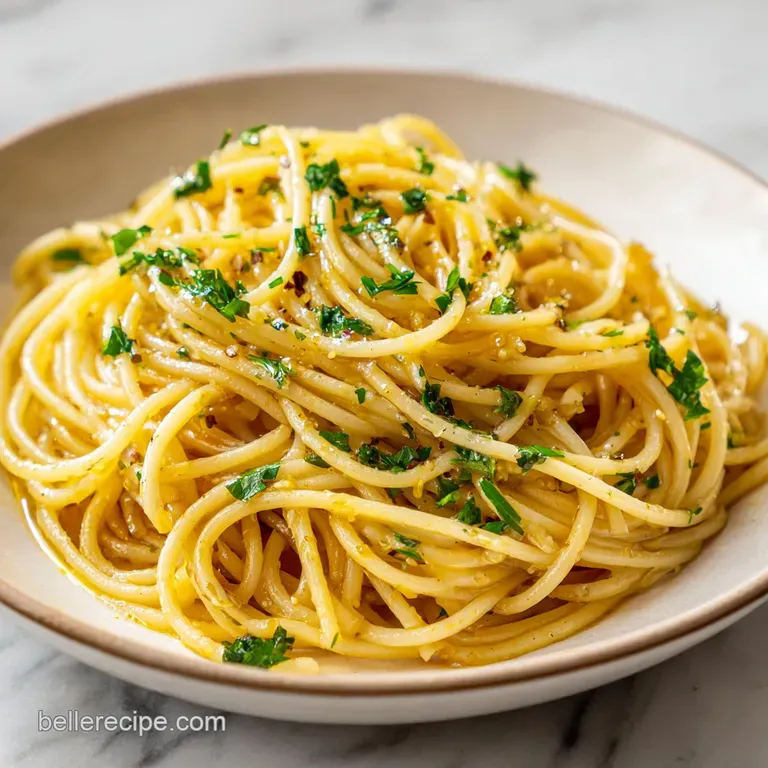
- Bring a large pot of water to a boil and add a generous handful of sea salt. Aim for "seasoned soup" levels of saltiness.
- Drop 250g (8.8 oz) of spaghetti into the water. Set a timer for 2 minutes less than the package instructions. Note: We want the pasta undercooked so it can finish in the sauce.
- While the pasta boils, add 60ml (1/4 cup) of extra virgin olive oil to a cold, wide skillet.
- Add your 6 sliced garlic cloves to the cold oil. Turn the heat to medium low. Cook 4-5 minutes until the garlic is fragrant and pale gold.
- Stir in 1 tsp of red pepper flakes and the finely chopped parsley stems (save the leaves for later). Note: Toasting the stems adds a deep, herbal foundation to the oil.
- Just before the pasta is ready, scoop out 120ml (1/2 cup) of the bubbling, cloudy pasta water.
- Transfer the undercooked spaghetti directly into the skillet using tongs. Expect a loud sizzle as the water hits the hot oil.
- Pour in half of the reserved pasta water. Increase the heat to medium high.
- Toss the pasta vigorously for 2 minutes. Continue until the liquid transforms into a creamy, shimmering glaze.
- Remove from heat, stir in the 15g (1/2 cup) of chopped parsley leaves, and adjust with sea salt to taste.
Avoiding the Bitter Burn and Common Kitchen Mistakes
The biggest heartbreak in an Aglio e Olio is burnt garlic. Once garlic goes past that light golden stage, it turns acrid and will ruin the entire bottle of olive oil. If you see even one sliver turning dark brown, it's often better to start over than to try and save it.
The flavor becomes metallic and stays on your tongue for hours.
Why Your Sauce Is Greasy
If your pasta looks like it’s just sitting in a puddle of oil, the emulsion didn't form. This usually happens because there wasn't enough agitation or the water wasn't starchy enough.
You need to move that pasta like you’re trying to cool it down big, circular motions that force the oil and water to combine.
| Problem | Root Cause | Solution |
|---|---|---|
| Bitter Taste | Garlic scorched | Start garlic in cold oil to control heat |
| Watery Sauce | Not enough starch | Use less water to boil pasta to concentrate starch |
| Dry Pasta | Absorbed all liquid | Add an extra splash of water and a drizzle of raw oil |
Common Mistakes Checklist
- ✓ Never use pre peeled or jarred garlic; the flavor is muted and chemically.
- ✓ Don't boil the pasta in too much water; a smaller pot means more concentrated starch for the sauce.
- ✓ Avoid high heat at the start; the garlic needs time to release its oils without burning.
- ✓ Stop cooking the pasta in the water while it still has a "white core" it will soften in the pan.
- ✓ Don't skip the parsley; it provides the essential acid like brightness that balances the fat.
Vibrant Variations to Suit Every Seasonal Craving
While the authentic version is spectacular, the beauty of this dish is how well it takes to small tweaks. If you are scaling this UP for a dinner party (4-8 people), remember to only increase the salt and spices by 1.5x.
Adding double the red pepper flakes can often result in a dish that is overwhelmingly spicy rather than balanced.
If you are scaling DOWN for a solo lunch, use a smaller pan. In a massive skillet, a single serving of oil will spread too thin and the garlic will burn almost instantly.
For a richer variation, some people like to add a teaspoon of anchovy paste into the oil with the garlic; it melts away but leaves a deep, savory "umami bomb" that guests can't quite put their finger on.
- For a Textural Crunch: Toast some coarse sourdough breadcrumbs in a separate pan with a bit of oil and salt. Sprinkle them over the finished pasta for a "poor man's parmesan" effect.
- The Bright Citrus Twist: Add the zest of one lemon and a teaspoon of lemon juice at the very end. The acid cuts through the oil beautifully.
- The Green Goddess: Fold in a handful of baby spinach or arugula right as you add the pasta water. The residual heat will wilt the greens into the sauce.
Keeping the Silkiness During Storage and Reheating
Let's be honest: pasta is always best fresh. However, if you have leftovers, they will keep in the fridge for about 3 days. The oil will solidify and the pasta will absorb the remaining sauce, making it look a bit dry and sad when cold.
To revive it, do not use the microwave! It will make the oil separate and the garlic will taste funky. Instead, put the pasta back into a skillet with a splash of water or a bit of chicken stock. Heat it gently over medium low, tossing constantly until the sauce re emulsifies and becomes glossy again.
Regarding zero waste, those parsley stems you usually throw away are packed with flavor. Chop them very finely and sauté them right along with the garlic. They provide a structural crunch and a deep herbal hit that is actually more intense than the leaves themselves.
Plating with Aromatic Flair for a Restaurant Finish
When you're ready to serve, use a carving fork or long tongs to twirl the spaghetti into a tight nest in the center of the bowl. This keeps the heat trapped inside and looks much more intentional than just dumping it in.
Pour any remaining sauce from the pan directly over the top of the nest so it seeps down through the layers.
Finish with a final, tiny sprinkle of flaky sea salt and a few fresh parsley leaves. If you've done it right, there shouldn't be a pool of oil at the bottom of the plate. Instead, each strand of spaghetti should be shimmering, smelling strongly of toasted garlic and fresh herbs.
It’s a simple dish, but when the technique is right, it feels like a masterpiece. Now, grab a fork and dive in while it's still piping hot!
Frequently Asked Questions
Can I use garlic powder instead of fresh garlic? Honestly, don't even bother. Garlic powder will burn instantly in the oil and lacks the complex, aromatic oils that fresh cloves provide. The entire soul of this dish is the slow infused fresh garlic.
Why does the recipe call for such a small amount of water for boiling? Using less water (just enough to cover the pasta) creates a much higher concentration of starch. This "liquid gold" is what allows the oil to transform into a creamy sauce rather than staying greasy.
Is it okay to add Parmesan cheese to Aglio e Olio? While not traditional in the most "authentic" sense, many people love a dusting of Pecorino or Parmesan. Just be aware that the saltiness of the cheese can overwhelm the delicate garlic flavor, so adjust your seasoning accordingly.
How do I slice garlic "translucent" without a mandoline? Use your sharpest chef's knife and take your time. If the garlic is too slippery, you can freeze the cloves for about 10 minutes before slicing to make them firmer and easier to handle.
What should I do if my garlic turns brown too fast? Immediately pull the pan off the heat and add a splash of the pasta water. The water will instantly drop the temperature of the oil and stop the cooking process, potentially saving the garlic from burning.
Recipe FAQs
What is aglio e olio made of?
Olive oil, garlic, pasta, and chili flakes. The traditional recipe relies on these five simple ingredients, plus parsley and starchy pasta water to create the final emulsion.
What's the secret to great aglio olio?
The emulsion formed by starchy pasta water and olive oil. You must vigorously toss the spaghetti with the oil infusion and reserved water to create a velvety, clinging sauce instead of separated oil.
What is the meaning of aglio e olio?
It literally means "garlic and oil" in Italian. This highlights the minimalist nature of the dish, where the quality of those two core ingredients dictates the final outcome.
Do Italians eat aglio olio?
Yes, it is a staple peasant dish throughout Italy. It is often served as a quick, economical primo (first course) or as a late night meal when other ingredients are unavailable.
How do I prevent the garlic from burning in the oil?
Start the thinly sliced garlic in cold olive oil and use low to medium heat. Allow the garlic to infuse slowly, cooking gently until it is pale gold and fragrant, never letting it reach a dark brown color.
Can I substitute dried parsley for fresh parsley in this recipe?
No, you must use fresh parsley for the best result. Dried parsley lacks the bright, clean flavor necessary to cut through the richness of the olive oil; use the stems during cooking and the leaves at the end.
How much salt should I add to the pasta water?
The water should taste heavily salted, like seawater. This is the only opportunity to season the interior of the pasta noodle itself, ensuring the final dish is balanced against the rich olive oil.
Aglio E Olio In 15 Minutes
Ingredients:
Instructions:
Nutrition Facts:
| Calories | 721 kcal |
|---|---|
| Protein | 16.8 g |
| Fat | 28.9 g |
| Carbs | 96.7 g |
| Fiber | 4.7 g |
| Sugar | 2.5 g |
| Sodium | 640 mg |
