Auntie Anne's Pretzel Recipe
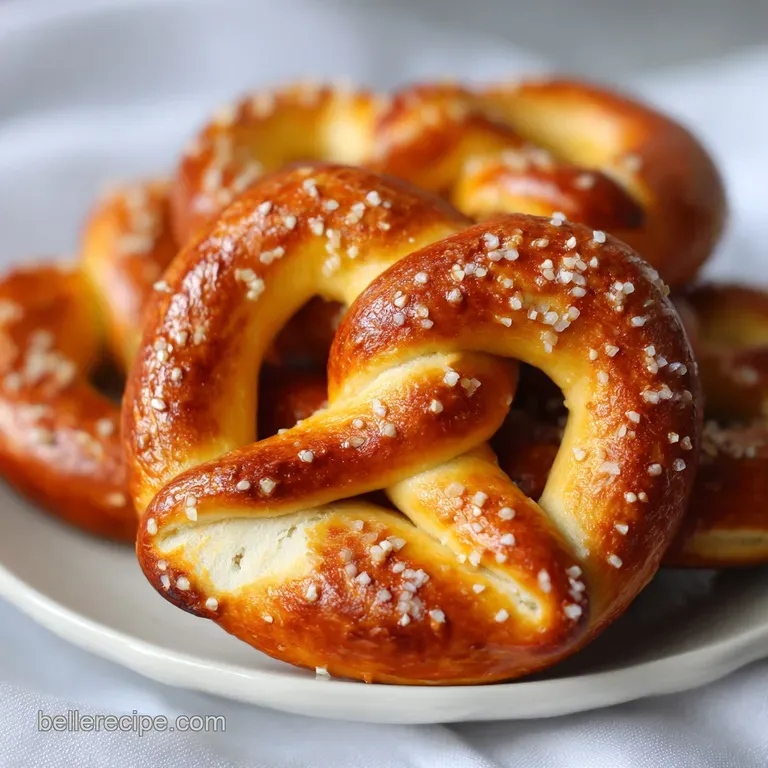
- Time: Active 35 minutes, Passive 10 minutes, Total 45 minutes
- Flavor/Texture Hook: Velvety, buttery dough with a salty sweet finish
- Perfect for: Weekend family projects or comforting movie night snacks
- Secrets to a Famous Auntie Anne s Recipe
- The Chemistry of Pretzel Success
- Understanding the Recipe Specs
- Elements for the Perfect Dough
- Essential Tools for Success
- Step by Step Baking Guide
- Troubleshooting and Common Mistakes
- Creative Variations and Substitutions
- Proper Storage and Freshness Tips
- Ideal Pairings and Dipping Sauces
- High in Sodium
- Auntie Anne's Recipe FAQs
- 📝 Recipe Card
Secrets to a Famous Auntie Anne s Recipe
That specific aroma of melted butter and toasted yeast hitting your nose as you walk through a crowded mall is a core memory for most of us. You know the one it’s a warm, heavy scent that practically pulls you toward the blue and yellow sign by your heartstrings.
For years, I tried to recreate that magic at home, only to end up with rolls that tasted like regular bread or, worse, pretzels that were hard enough to chip a tooth.
The breakthrough happened when I stopped treating this like a standard bread recipe and started respecting the chemistry of the "bath." It’s not just about the dough; it’s about how that dough reacts to heat and alkalinity.
We’re going to walk through how to get that pliant, stretchy crumb and the signature golden skin that makes this auntie anne s recipe so nostalgic. Trust me, once you see those knots sizzle in the butter bath, you'll never look at a mall food court the same way again.
We are aiming for a result that is soft enough to pull apart with zero resistance but has enough "tooth" to feel substantial. It’s a mindful process of building layers of flavor, from the molasses tinged brown sugar in the dough to the coarse salt that provides a sharp contrast to the rich finish.
Let's get into the mechanics of why this works so we can transform your kitchen into a professional bakery.
The Chemistry of Pretzel Success
The secret to why this specific recipe works lies in the interaction between the dough surface and the alkaline solution. This isn't just a quick dip for flavor; it’s a functional step that changes the protein structure on the exterior of the dough.
- The Alkaline Tan Catalyst: Baking soda increases the pH level of the dough's surface, which triggers the Maillard reaction at a much lower temperature than usual. This ensures a deep brown color and that distinct pretzel flavor without overcooking the soft interior.
- Starch Gelatinization: The very warm water in the bath partially "cooks" the outer layer of starch, creating a slick barrier that turns chewy and glossy once it hits the oven's heat.
- Gluten Relaxation: Using melted butter in the dough, rather than cold chunks, coats the flour proteins and limits long gluten strand formation. This results in a tender, velvety bite rather than a tough, bready one.
| Method | Time | Texture | Best For |
|---|---|---|---|
| Standard Bake | 45 minutes | Soft and pillowy | Classic mall experience |
| Air Fryer | 30 minutes | Extra crispy skin | Quick snack cravings |
| Cold Ferment | 12-24 hours | Complex, tangy crumb | Gourmet hosting |
Choosing the right method depends on how much time you have. While the cold ferment adds incredible depth, the standard bake we're focusing on today delivers that immediate gratification we all crave when thinking about this recipe.
| Ingredient | Science Role | Pro Secret |
|---|---|---|
| Light Brown Sugar | Yeast Fuel | The molasses adds a subtle caramel note that mimics the "secret" mall flavor. |
| Baking Soda | pH Modifier | Ensure your bath water is very warm (not boiling) to avoid a metallic aftertaste. |
| Unsalted Butter | Tenderness Agent | Cooling the butter after melting is vital so you don't accidentally kill the yeast. |
The sugar isn't just for sweetness; it’s the primary energy source for the yeast, allowing it to produce carbon dioxide quickly for a fast rise. If you want to explore more about how simple ingredients transform, you might find the balance in my The Homemade Chicken recipe equally fascinating.
Understanding the Recipe Specs
Before we start mixing, let’s look at the numbers. Precision is your best friend when working with yeast. If your water is too cold, the yeast stays dormant; if it's too hot, you'll kill the culture. We are looking for that "Goldilocks" zone of 110°F.
- Yield: 12 generous pretzels
- Active Prep: 35 minutes
- Bake Time: 10 minutes
- Total Time: 45 minutes
- Internal Temp: 190°F (if you're using a probe)
When you’re scaling this, remember that the alkaline bath doesn't need to be doubled if you’re making 24 pretzels you can just work in batches. However, the dough ingredients should be scaled linearly. For a savory pairing that stands up to these buttery knots, these go beautifully alongside a Boursin Chicken Recipe if you're serving them as a side dish for dinner.
Elements for the Perfect Dough
Gathering high-quality ingredients is the first step toward that professional finish. Don't skip the coarse salt; the texture of the large grains is part of the sensory experience.
- Warm Water (360ml / 1 ½ cups): Why this? Hydrates flour and activates yeast at exactly 110°F.
- Light Brown Sugar (25g / 2 tbsp): Why this? Provides moisture and a deeper flavor than white sugar.
- Active Dry Yeast (7g / 2 ¼ tsp): Why this? The lifting agent for a fluffy interior.
- Melted Butter (56g / 4 tbsp): Why this? Fat for the dough; must be cooled to room temp.
- All Purpose Flour (525g / 4 ¼ cups): Why this? Provides the perfect protein balance for chewiness.
- Fine Sea Salt (10g / 2 tsp): Why this? Enhances flavor within the dough structure.
- Baking Soda (60g / ⅓ cup): Why this? Creates the alkaline bath for browning.
- Coarse Pretzel Salt (30g / 2 tbsp): Why this? For that classic, crunchy decorative finish.
- Extra Melted Butter (115g / 1 stick): Why this? For the final, decadent post bake dip.
| Original Ingredient | Substitute | Why It Works |
|---|---|---|
| Light Brown Sugar | Honey | Similar moisture; adds a floral sweetness rather than caramel. |
| All Purpose Flour | Bread Flour | Higher protein leads to a much chewier, denser pretzel. |
| Unsalted Butter | Coconut Oil | Use refined oil for a dairy-free version with a similar fat profile. |
Using bread flour is a great tweak if you like a "New York Style" bite, but for the authentic auntie anne s recipe feel, stick with All Purpose. It keeps the texture soft and accessible, almost like a cloud wrapped in a salty shell.
Essential Tools for Success
You don't need a commercial bakery to pull this off, but a few specific tools make the process much smoother. Having everything laid out will prevent you from scrambling while your dough is rising.
- Stand Mixer: While you can knead by hand, a stand mixer with a dough hook ensures even gluten development without over tiring your arms.
- Large Mixing Bowl: For the initial rise; make sure it's lightly oiled.
- Shallow Baking Pan: This is for the baking soda bath. A pie tin or a wide, shallow bowl works best for easy dipping.
- Baking Sheets: Two large pans lined with parchment paper or silicone mats to prevent sticking.
- Bench Scraper: Perfect for dividing the dough into 12 even portions without tearing the fibers.
Chef's Note: If you don't have a thermometer for the water, test it on your wrist. It should feel like very warm bathwater, but not so hot that it stings.
step-by-step Baking Guide
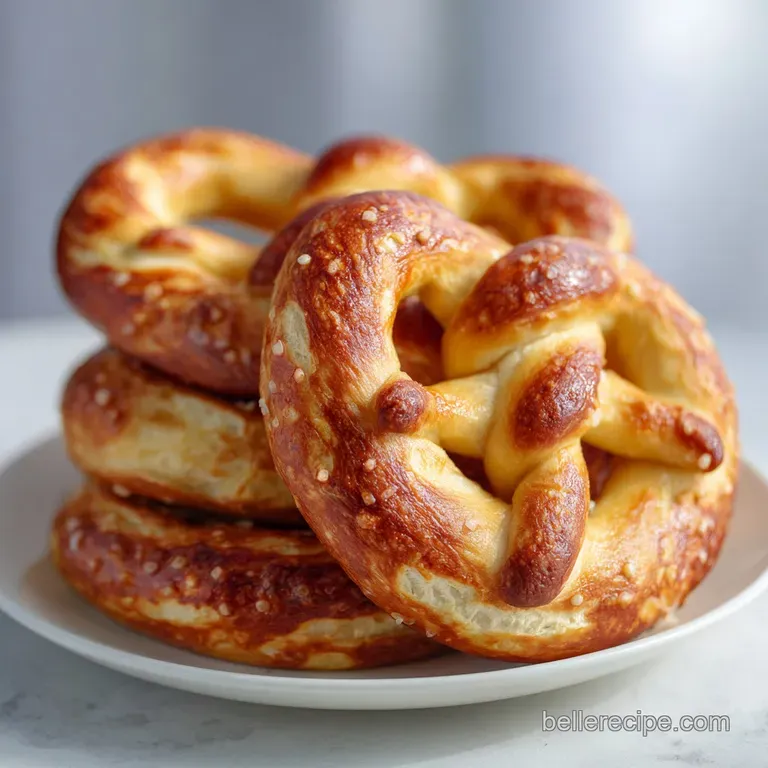
Now we get to the fun part. The dough should feel like silk in your hands pliant, smooth, and slightly warm. Don't rush the kneading; this is where the structure is born.
- Dissolve the sugar. Combine 1.5 cups warm water and 2 tbsp brown sugar in your mixer bowl. Note: Sugar must be fully dissolved to feed the yeast evenly.
- Bloom the yeast. Sprinkle 2.25 tsp yeast over the water and let it sit for 5 minutes until it becomes foamy and fragrant.
- Add fats and flour. Pour in 4 tbsp melted (cooled) butter, then add 4.25 cups flour and 2 tsp sea salt.
- Knead the dough. Mix on low speed for 5 minutes until the dough pulls away from the sides. It should be smooth and slightly tacky, not sticky.
- First Rise. Place dough in an oiled bowl, cover, and let rest in a warm spot for 30 minutes until nearly doubled in size.
- Prep the bath. Whisk 2 cups very warm water with 1/3 cup baking soda in a shallow dish until dissolved. Note: If the water is too cold, the soda won't dissolve; if too hot, it will pre cook the dough.
- Shape the knots. Divide dough into 12 pieces. Roll each into a 20 inch rope, form a "U" shape, twist the ends, and fold them down.
- The Quick Dip. Submerge each pretzel in the soda bath for 10 seconds, then place on the baking sheet.
- Bake the pretzels. Bake at 425°F for 8 to 10 minutes until a deep golden brown glow appears.
- The Butter Finish. Immediately dip the hot pretzels into the 1 stick of melted butter and sprinkle with coarse salt.
Troubleshooting and Common Mistakes
Even the best bakers run into a few snags. Pretzels can be finicky if the environment is too humid or the water temperature is off. But don't worry, most issues are easily fixed.
Why Your Pretzels Are Dense
If your pretzels feel like heavy stones, the yeast likely didn't activate properly. This usually happens because the water was too hot (killing the yeast) or too cold (keeping it dormant). Ensure you see that thick foam during the blooming stage.
If it doesn't foam, start over there’s no saving dead yeast.
Why Your Pretzels Taste Metallic
A strong chemical or metallic taste usually means the baking soda bath was too concentrated or the dough sat in it for too long. Stick to the 10 second rule. Also, ensure you are using a "very warm" bath, not boiling water, which can cause the soda to react too aggressively with the dough.
| Problem | Root Cause | Solution |
|---|---|---|
| Dough won't rise | Water too hot or yeast expired | Check temp with thermometer; test yeast in sugar water first. |
| Pretzels are soggy | Not blotted after the bath | Use a slotted spatula and let excess liquid drip off before traying. |
| Salt disappears | Pretzels were too wet or dry | Apply salt immediately after the butter dip while the surface is tacky. |
Common Mistakes Checklist ✓ Never skip the brown sugar; it's essential for the yeast's "kickstart." ✓ Don't over flour the work surface; a little grip helps you roll the ropes. ✓ Use parchment paper, or the alkaline dough will fuse to your metal pan.
✓ Melt the final butter dip in a bowl wide enough to submerge the whole pretzel. ✓ Let the dough rest if it keeps snapping back while rolling the ropes.
Creative Variations and Substitutions
Once you've mastered the classic s recipe, you can start playing with flavors. The dough is a neutral canvas that loves both sweet and savory additions.
1. Cinnamon Sugar Classic
Instead of coarse salt, mix 1/2 cup granulated sugar with 1 tablespoon of cinnamon. After the butter dip, toss the pretzel in the sugar mixture until fully coated. This pairs perfectly with a side of How to Make recipe (my grandma’s applesauce) for a nostalgic treat.
2. Jalapeño Cheese Bites
Cut the dough into 1 inch nuggets instead of twisting them into knots. Press a small slice of pickled jalapeño into each bite before the soda bath. After baking and buttering, sprinkle with shredded cheddar and pop back in the oven for 1 minute to melt.
3. dairy-free Alternative
Substitute the melted butter in the dough and the final dip with refined coconut oil or a high-quality vegan butter stick. The refined coconut oil has a neutral flavor and a high fat content that mimics the mouthfeel of dairy butter surprisingly well.
Scaling GuidelinesScaling Down (1/2 Batch): Use 2 1/8 cups flour and 1 1/8 tsp yeast. The bake time remains the same, but use a smaller bowl for the rise to maintain heat. Scaling Up (2x Batch): You can double all ingredients exactly.
However, only use 1.5x the salt in the dough to prevent it from becoming too sharp. Work in batches for the alkaline bath to keep the water temperature consistent.
Proper Storage and Freshness Tips
Pretzels are at their absolute peak within 15 minutes of leaving the oven. However, if you have leftovers (a rare occurrence!), you can keep them fresh with a few tricks.
- Storage: Store in a paper bag at room temperature for up to 24 hours. Avoid plastic bags, as they trap moisture and turn the salt into a sticky puddle.
- Freezing: These freeze beautifully. Wrap individual, un buttered baked pretzels in foil and place in a freezer bag for up to 2 months.
- Reheating: To regain that "mall fresh" texture, wrap the pretzel in a damp paper towel and microwave for 15 seconds, or toss it in a 350°F oven for 5 minutes until the butter sizzles again.
- Zero Waste: If your pretzels go stale, don't toss them! Cut them into cubes, toss with more butter and garlic powder, and bake at 300°F until shatteringly crisp for the best salad croutons of your life.
Ideal Pairings and Dipping Sauces
A pretzel is only as good as its companion. While the butter and salt are enough for many, a good dip transforms this from a snack into an event.
1. The Plaza Cheese Dip
For a classic "cheese sauce" feel, melt American cheese with a splash of whole milk and a pinch of cayenne pepper. It’s smooth, velvety, and has that specific nostalgic flavor that cuts through the richness of the buttered dough.
2. Sweet Cream Frosting
If you went the cinnamon sugar route, whip together 4 oz of softened cream cheese, 1/2 cup powdered sugar, and a splash of vanilla. It’s like eating a deconstructed cinnamon roll. It’s also a great way to use up leftover cream cheese from other baking projects.
3. Spicy Honey Mustard
Whisk together 2 tablespoons of Dijon mustard, 1 tablespoon of honey, and a pinch of red pepper flakes. This provides a sharp, tangy contrast to the salty crust of this auntie anne s recipe. The acidity in the mustard helps cleanse the palate between those rich, buttery bites.
Making this recipe is about more than just food; it’s about the mindful process of creating something with your own hands that brings a bit of magic into the kitchen. Whether you’re sharing these with kids or hoarding them for a solo movie marathon, the effort is always rewarded with that first, warm, buttery bite.
Enjoy the process!

High in Sodium
910 mg 910mg of sodium per serving (40% 40% of daily value)
The American Heart Association recommends limiting sodium intake to about 2,300mg per day.
Tips to Reduce Sodium in Your Pretzels
-
Reduce Pretzel Salt-30%
The coarse pretzel salt is the primary source of sodium. Try using significantly less (e.g., half the amount) or omitting it entirely and sprinkling with other toppings after baking. This adjustment can drastically reduce the overall sodium content. Consider using a salt free seasoning blend instead.
-
Baking Soda Reduction-15%
While essential for the pretzel's characteristic chew, baking soda contributes to the sodium content. Experiment with using slightly less baking soda in the water bath. Reduce by 1/4 cup initially to see if the texture is still optimal. This will subtly lower the sodium without majorly affecting the outcome.
-
Salt the Dough Judiciously-10%
The recipe includes fine sea salt in the dough. Reducing this even slightly can help. Try reducing by 1/4 to 1/2 teaspoon to start.
-
Unsalted is Key!-5%
Confirm that you are using unsalted butter as indicated in the recipe. Using salted butter will significantly increase the sodium content. Double check your ingredients.
-
Enhance Flavor with Herbs
Experiment with adding herbs and spices like garlic powder, onion powder, or dried rosemary to the dough or as a topping to enhance the flavor profile without adding sodium. This can help compensate for the reduction in salt.
Auntie Anne's Recipe FAQs
What is the secret ingredient in Auntie Anne's pretzels?
There isn't one single secret ingredient. The signature taste and texture come from a combination of the alkaline bath using baking soda, the generous butter dip after baking, and the quality of simple ingredients like brown sugar and good flour.
What are the ingredients in Auntie Anne's?
The base dough includes flour, water, yeast, brown sugar, and salt. After shaping, they're dipped in a baking soda solution before baking, and finished with a dip in melted butter and sprinkled with coarse salt.
What does Auntie Anne dip their pretzels in before baking?
They are dipped in a baking soda solution. This alkaline bath is crucial for achieving the pretzels' signature golden brown color and unique chewy texture through the Maillard reaction.
What makes Auntie Anne's pretzels so good?
It's a combination of texture, flavor, and that fresh baked aroma. The chewy interior, glossy exterior from the butter, the salt contrast, and the warmth all contribute to their irresistible appeal.
How do I get the chewy texture like Auntie Anne's?
Achieve chewiness through the alkaline bath and dough hydration. A quick dip in a warm baking soda solution before baking gelatinizes the starches, creating a slightly cooked exterior that becomes wonderfully chewy when baked.
Can I make Auntie Anne's pretzels at home?
Yes, absolutely! With a few key techniques, like using a baking soda bath and a generous butter finish, you can recreate that beloved mall pretzel experience right in your own kitchen.
Why do Auntie Anne's pretzels taste slightly sweet and salty?
The sweetness comes from the brown sugar in the dough. This also feeds the yeast, and the subtle molasses notes add depth. The distinct saltiness comes from the coarse pretzel salt applied generously after the butter dip.
Auntie Anne S Pretzel Recipe
Ingredients:
Instructions:
Nutrition Facts:
| Calories | 271 calories |
|---|---|
| Protein | 4.7 g |
| Fat | 11.9 g |
| Carbs | 35.8 g |
| Fiber | 1.2 g |
| Sugar | 2.1 g |
| Sodium | 910 mg |
