Authentic Cevapi Recipe: Balkan Street Food
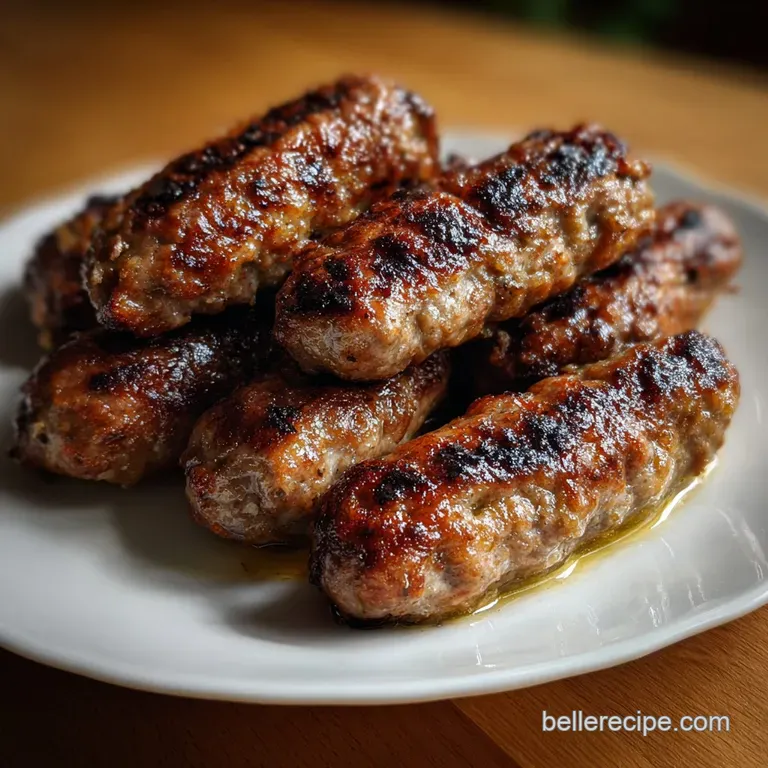
- Effort/Time: 32 minutes active (plus mandatory overnight resting).
- Flavor Hook: Rich, gamey lamb notes balanced by sharp garlic and a charred, salty crust.
- Perfect for: Weekend cookouts, pita-style sandwiches, or high-protein meal prep.
- The Ultimate Authentic Cevapi Recipe: Balkan Street Food at Home
- The Science of Flavor: Why This Balkan Dish Works
- Essential Ingredients and Meat Substitutions
- How to Make Cevapi: Step-by-Step Instructions
- Pro Tips and Common Mistakes to Avoid
- Common Myths
- Storage and Freezing Guidelines
- Traditional Serving Suggestions
- Recipe FAQs
- 📝 Recipe Card
The Ultimate Authentic Cevapi Recipe: Balkan Street Food at Home
Nothing beats the sizzle of meat hitting a hot grate, especially when you're craving a proper cevapi recipe. Most home cooks struggle with "sausage fail" the meat turns out crumbly like a burger or dry as a hockey puck.
I’ve been there, scraping charred, falling apart meat off my grill because I skipped the science.
We aren't making meatballs here; we are engineering a specific protein structure. The secret to that iconic "snap" when you bite into the meat lies in protein denaturation and salt curing. Once you master the kneading technique, your kitchen will smell like a Sarajevo street corner.
Let's crack on with the chemistry of this cevapi recipe. We are going to use a specific blend of 1.5 lbs ground beef and 0.5 lbs ground lamb to achieve the perfect fat-to-lean balance. This isn't just about taste; it’s about the physics of heat and moisture retention.
The Science of Flavor: Why This Balkan Dish Works
- Protein Extraction: Kneading the meat with 2 tsp Diamond Crystal Fine Sea Salt draws out myosin, the primary contractile protein in muscle. This creates a tacky, fibrous network that binds the meat without binders like eggs or breadcrumbs.
- pH Manipulation: Adding 1 tsp baking soda raises the meat’s pH level. This prevents the protein fibers from tightening too much during cooking, which keeps the interior velvety and moist.
- Carbon Dioxide Expansion: When the baking soda reacts with the moisture and heat, it creates tiny gas pockets. This is why a professional cevapi recipe results in a light, airy, yet bouncy texture rather than a dense one.
- Maillard Reaction: The 80/20 fat ratio in our 1.5 lbs ground beef ensures enough lipid runoff to fry the exterior. This triggers the Maillard reaction, turning amino acids into that savory, brown crust we crave.
Defining the Traditional Cevapi Recipe
A true cevapi recipe is fundamentally about minimalism and high-quality fat. Historically, these skinless sausages relied on the natural preservation of salt and cold temperatures. You won't find onions or heavy herbs in the meat mixture itself; the flavor comes from the interaction of beef and lamb.
The texture must be "bouncy." If you can't bounce a cooked piece off a plate, the protein wasn't worked enough. This mechanical action is what separates an authentic cevapi recipe from a simple kebab.
We use 3 cloves garlic, smashed and steeped in 0.25 cup water. This allows the garlic oils to emulsify with the fat during the resting phase. It ensures every bite has a subtle, aromatic hum rather than harsh chunks of raw garlic.
Regional Differences: Bosnian vs. Serbian Style
The bosnian cevapi recipe is the gold standard for many, often sticking strictly to beef or a beef and lamb blend. It's usually served in sets of five or ten in a specific bread called lepinja. The focus here is on the purity of the meat and the intense charcoal smoke.
Conversely, a serbian cevapi recipe might occasionally incorporate pork, though our version uses lamb for that classic Balkan "funk." Serbian styles often lean into more robust spice profiles, though salt and 1 tsp freshly cracked black pepper remain the core.
Whether you call it a croatian cevapi recipe or a regional variant, the shaping remains the same. These are small, finger sized cylinders. This size maximizes the surface area for the Maillard reaction while keeping the center tender.
Achieving the Signature Bouncy Texture
To get that "snap," you must treat the meat like bread dough. Use a KitchenAid Stand Mixer with the paddle attachment if you want to save your forearms. Mixing for 5 8 minutes on low speed transforms the loose 1.5 lbs ground beef into a cohesive, sticky paste.
Temperature is your ally. Keep the meat as cold as possible near 33°F while working it. If the fat melts during the mixing process, the emulsion breaks, and you'll end up with a greasy, crumbly result.
This easy cevapi recipe requires patience. The salt needs at least 12 hours to cure the protein fibers. This rest period allows the water and garlic infusion to distribute evenly through the 0.5 lbs ground lamb.
Why This Easy Cevapi Recipe Succeeds
This cevapi recipe succeeds because it respects the meat. We aren't hiding the flavor behind fillers. By using exactly 2 tsp fine sea salt, we control the moisture loss and the structural integrity of the sausage.
The 0.25 cup water isn't just for moisture. It acts as a delivery vehicle for the baking soda and garlic essences. It ensures the alkaline environment is consistent throughout the entire 2 lbs of meat mixture.
I've tested this on gas grills, charcoal, and in a Lodge Cast Iron Skillet. The high fat content (32g per serving) makes it incredibly forgiving. Even if you overshoot the temperature slightly, the lamb fat provides a safety net of juiciness.
Essential Ingredients and Meat Substitutions
Choosing the Right Beef and Lamb Blend
The foundation of any cevapi recipe beef enthusiasts love is the 80/20 ratio. Do not use lean 90/10 beef. Without that 20% fat, the meat will seize up and turn tough. The fat lubricates the protein strands as they denature.
The 0.5 lbs ground lamb is the secret weapon. Lamb contains branched chain fatty acids that provide that specific "savory gamey" profile. If you skip the lamb, you’re just making a very salty burger.
If you're looking for a different vibe, like a Chicken Bryan Recipe: Pan-Seared with Lemon Butter Sauce, you'll notice that fat and acid are always the primary drivers of flavor. Here, the fat comes from the meat blend itself.
The Secret Role of Baking Soda and Carbonated Water
Baking soda is the "magic" in an authentic cevapi recipe. It's a base that shifts the isometric point of the meat proteins. This allows the meat to hold onto more water during the 12 minute cook time, resulting in a "juicy snap" texture.
Some traditionalists use carbonated mineral water instead of 0.25 cup plain water. The CO2 provides even more lift. However, the 1 tsp baking soda in this recipe achieves the same chemical result more reliably.
| Original Ingredient | Substitute | Why It Works |
|---|---|---|
| 1.5 lbs Ground Beef (80/20) | Ground Chuck (80/20) | High fat content ensures the Maillard reaction and prevents drying. |
| 0.5 lbs Ground Lamb | Ground Pork | Offers similar fat levels but a milder, sweeter flavor profile. Note: Changes flavor profile. |
| 3 Cloves Garlic | 1.5 tsp Garlic Powder | Distributes flavor evenly. Note: Lacks the sharp, fresh bite of fresh garlic. |
| 1 tsp Baking Soda | Carbonated Water (0.25 cup) | Provides aeration and protein softening. Note: Omit the plain water if using. |
Essential Balkan Spices and Seasonings
While some cevapi recipe reddit threads suggest adding paprika or onion powder, the masterclass version sticks to 1 tsp freshly cracked black pepper. high-quality pepper provides a slow build heat that doesn't mask the lamb.
The salt choice is non-negotiable. Use Diamond Crystal Fine Sea Salt. Its smaller crystal size means it dissolves instantly into the meat’s moisture, starting the curing process immediately.
If you want a side that matches the complexity of these spices, try pairing this with Creamed Onions: Silky Classic Recipe for Sunday Roast for a rich, savory contrast.
How to Make Cevapi: step-by-step Instructions

Kneading the Meat for Maximum Protein Extraction
- Combine 1.5 lbs ground beef and 0.5 lbs ground lamb in a chilled bowl. Note: Using cold meat prevents the fat from emulsifying too early.
- Dissolve 1 tsp baking soda and 2 tsp fine sea salt into 0.25 cup water. Note: This ensures even distribution of the alkaline agent.
- Pour the water mixture over the meat and add 3 smashed garlic cloves and 1 tsp black pepper. Note: Garlic oils infuse into the water and meat during the knead.
- Knead the mixture by hand or mixer for 8 minutes until it becomes a sticky, uniform paste. Note: This mechanical action extracts myosin for the "bouncy" texture.
- Refrigerate the mixture for at least 12 hours (overnight). Note: Salt curing the meat strengthens the protein bonds.
Hand Shaping the Perfect Skinless Sausages
- Remove the garlic cloves from the chilled meat mixture. Note: Their flavor has already been extracted into the fat.
- Scoop about 2 tablespoons of meat and roll into a 3 inch long cylinder. Note: Small size ensures quick cooking and maximum surface char.
- Wet your hands with cold water to prevent the meat from sticking. Note: A thin film of water creates a smoother exterior surface.
- Line the shaped sausages on a tray and chill for another 30 minutes before cooking. Note: This firms the fat, helping the sausages hold their shape on the grill.
Mastering the Grill for a Smoky Char
- Preheat a Lodge Cast Iron Skillet or outdoor grill to medium high heat. Note: High heat is required for the 12 minute cook time to achieve a sear without overcooking the center.
- Lightly oil the grates or pan with a high smoke point oil. Note: Prevents the protein rich sausages from tearing upon flipping.
- Sear the cevapi for 2 3 minutes per side, rotating frequently. Note: Constant movement ensures an even Maillard crust on all sides.
- Cook until the internal temperature reaches 160°F. Note: This ensures the ground lamb is safe while remaining juicy.
Resting the Meat for Peak Juiciness
- Transfer the cooked sausages to a warm plate. Note: Prevents "thermal shock" which can cause juice loss.
- Tent loosely with foil for 5 minutes. Note: Allows the internal juices to redistribute through the protein network.
- Serve immediately while the exterior is still crisp. Note: The contrast between the "shatter" of the crust and the velvety interior is the hallmark of a great cevapi recipe.
Pro Tips and Common Mistakes to Avoid
| Problem | Why It Happens | The Fix | Pro Protocol |
|---|---|---|---|
| Sausages fall apart | Lack of protein extraction. | Knead for at least 8 minutes. | Use a KitchenAid with a paddle attachment until "sticky threads" appear. |
| Dry, crumbly texture | Meat was too lean or overcooked. | Use 80/20 beef; pull at 160°F. | Use an instant read thermometer for 160°F precision. |
| Bland flavor | Skipped the overnight rest. | Allow 12 24 hours for salt curing. | Smear the finished cevapi with Kajmak for an instant fat/salt boost. |
- Chef's Tip 1: Freeze the meat for 15 minutes before kneading. This keeps the fat solid, resulting in a much cleaner, more professional texture.
- Chef's Tip 2: Use a sausage stuffer without the casing or a plastic bag with the corner cut off to pipe the meat. This ensures uniform thickness for even cooking.
Common Myths
Myth: You must use breadcrumbs to hold the meat together. Truth: Breadcrumbs turn cevapi into meatballs. Proper salt curing and kneading extract enough myosin to create a natural, bouncy bind without any fillers.
Myth: Fresh onion should be mixed into the meat. Truth: Onions release moisture and acid as they cook, which can break down the protein structure and make the sausages soggy. Serve raw onions on the side for the authentic crunch.
Storage and Freezing Guidelines
The Importance of Chilling the Mixture Overnight
Yes, you can cook this cevapi recipe immediately, but you shouldn't. Chilling for 12 24 hours allows the salt to denature the proteins and the baking soda to tenderize the fibers.
This resting period is what gives the sausage its characteristic "snap" and prevents it from being a mushy burger.
How to Store and Reheat Leftover Sausages
Store cooked leftovers in an airtight container in the fridge for up to 3 days. To reheat, avoid the microwave, which turns the meat rubbery. Instead, sear them in a Lodge Cast Iron Skillet for 2 minutes over medium heat with a splash of water and a lid.
This steams the interior while recrisping the fat.
Freezing Raw Cevapi for Easy Meal Prep
Raw cevapi freeze beautifully for up to 3 months. 1. Shape the sausages. 2. Place them on a baking sheet to "flash freeze" for 1 hour. 3. Transfer to a vacuum sealed bag or heavy duty freezer bag. 4. Thaw in the fridge overnight before grilling for the best texture.
Traditional Serving Suggestions
Classic Pairings: Ajvar, Kajmak, and Lepinja Bread
- Ajvar
- A roasted red pepper and eggplant spread that provides acidity and sweetness.
- Kajmak
- A salty, unripened cream cheese that melts over the hot meat.
- Lepinja
- A fluffy, pocketed flatbread. Pro tip: Dip the bread in the meat juices on the grill for 30 seconds to soak up the flavor.
For a fun twist on bready pairings, you might even enjoy the texture of Garbage Bread: Easy Stuffed Pizza Dough Stromboli Recipe alongside these meats for a full Balkan fusion feast.
Best Fresh Toppings for Balkan Street Food
The best topping is the simplest: finely diced raw white onions. The sharp, crisp bite of the onion cuts through the 32g of fat per serving. It provides a textural contrast to the soft lepinja and the bouncy meat.
If you are looking for an easy cevapi recipe experience at home, serve them on a large platter with a side of thick Greek yogurt or sour cream if you can't find authentic Kajmak. The cooling effect of the dairy against the charred, salty meat is absolutely addictive.
This cevapi recipe is a masterclass in meat science. By respecting the fat ratios, the kneading process, and the chemical power of baking soda, you can recreate the magic of Sarajevo in your own kitchen. Trust the process, let the meat rest, and enjoy the sizzle.

Recipe FAQs
What is the required meat-to-fat ratio for authentic texture?
80/20 lean-to-fat ratio. Excess fat renders out during cooking, which creates voids necessary for the signature springy texture. Too little fat results in dense, hard sausages.
Must the meat mixture rest overnight?
Yes, absolutely mandatory. Overnight resting allows the salt and baking soda (the chemical pH agent) to fully hydrate proteins, leading to better binding and the necessary bounce. This resting period is non-negotiable for proper texture development.
Can I use ground beef exclusively instead of a mix?
No, a mix is necessary for flavor depth. Pure ground beef lacks the specific gaminess and structure provided by lamb or veal, which are traditionally used. Try pairing the cevapi with a sharp side dish, perhaps our Seaweed Salad: Easy, Sharp, Nutty Homemade Recipe with Crunch.
Why are my cevapi falling apart on the grill?
Insufficient binding agents are the culprit. If you skip the small amount of cold water or use improperly ground meat, the proteins will not link correctly, causing structural failure under heat.
- Ensure ingredients are very cold
- Incorporate liquid slowly
- Grill over medium high heat only
Is this recipe suitable for pan-frying instead of grilling?
Pan-frying is acceptable but lacks traditional char. Grilling promotes evaporative cooling on the surface, creating a necessary crisp crust that pan-frying struggles to replicate evenly. Use high smoke point oil if you must pan-fry.
Myth: Adding breadcrumbs improves juiciness.
Myth: Adding breadcrumbs improves juiciness. Reality: Traditional recipes rely on fat content and alkalinity (baking soda) to retain moisture, not starchy fillers. Breadcrumbs dilute the pure meat flavor profile.
Should I use fresh garlic or powdered garlic?
Fresh garlic provides superior aromatic complexity. Powdered garlic contains desiccants that can absorb moisture intended for meat hydration, leading to a slightly drier final product. Fresh garlic integrates better with the fatty matrix.
Authentic Cevapi Recipe Guide
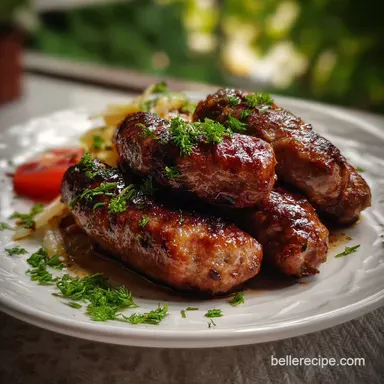
Ingredients:
Instructions:
Nutrition Facts:
| Calories | 430 kcal |
|---|---|
| Protein | 34 g |
| Fat | 32 g |
| Carbs | 1 g |
| Fiber | 0 g |
| Sugar | 0 g |
| Sodium | 1160 mg |
