Easy Cheesy Breakfast Casserole Recipe
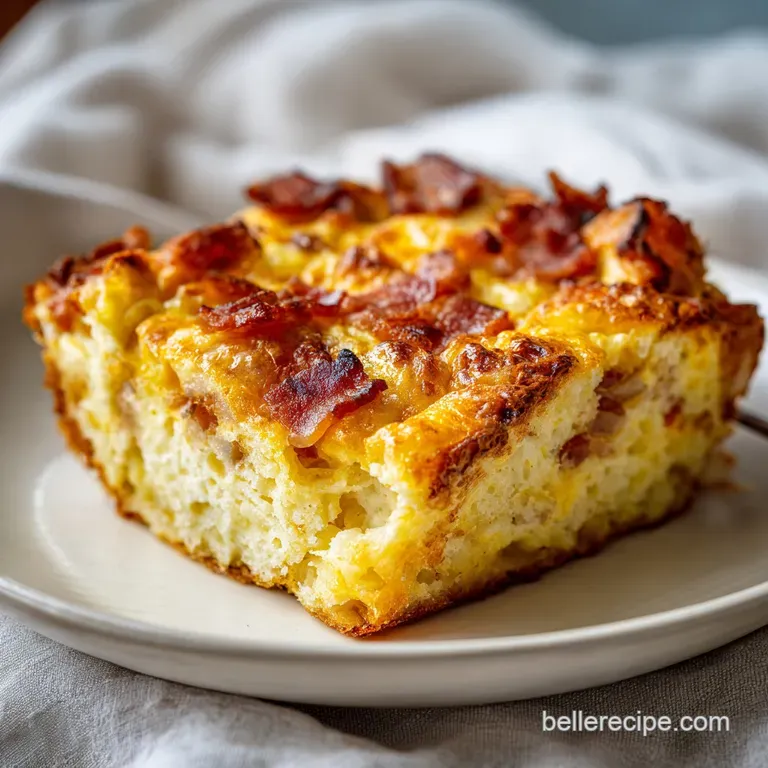
- Time: Active 15 minutes, Passive 45 minutes, Total 1 hour
- Flavor/Texture Hook: Golden brown cheesy crust with a velvety custard center
- Perfect for: Holiday brunches, lazy Sunday mornings, or beginner friendly meal prep
- Mastering This Easy Cheesy Breakfast Casserole Recipe
- Techniques for a Velvety Custard
- Component Deep Dive Analysis
- The Shopping List Breakdown
- Simple Equipment for Success
- The Step-by-Step Cooking Process
- Troubleshooting and Common Mistakes
- Delicious Mix In Variations
- Scaling and Practical Adjustments
- Debunking Casserole Myths
- Make-Ahead and Storage Tips
- How to Serve and Enjoy
- High in Sodium
- Recipe FAQs
- 📝 Recipe Card
Mastering This Easy Cheesy Breakfast Casserole Recipe
The sun was barely peeking through the kitchen blinds when I first realized the magic of a good bake. I remember the sizzle of the sausage hitting the pan and that specific, smoky aroma of paprika swirling through the air.
I used to think a breakfast casserole was just a way to use up leftovers, but after one too many "egg sponges," I realized there is a real art to getting that creamy, custard like finish.
This is the kind of dish that makes the whole house feel warm. It's inclusive, hearty, and honestly, it’s a bit of a hug in a 9x13 pan. Whether you are hosting a crowd or just want to treat your family to something special, this easy cheesy breakfast casserole recipe is the one I return to every single time because it simply works.
No fuss, no fancy tools, just honest ingredients treated with a bit of love.
You are going to love how the sharp cheddar creates a lacy, browned edge against the dish while the center remains soft and rich. We're moving away from those heavy, bread laden versions to focus on the interplay between the crispy hash browns and the savory sausage.
It’s mindful cooking at its best simple steps that lead to a result that feels far more grand than the effort you put in.
Techniques for a Velvety Custard
The Protein Lattice: Eggs and half and half create a delicate matrix that traps moisture, ensuring the casserole stays supple rather than drying out.
Starch Dehydration: Thawing and drying the potatoes allows them to absorb the egg mixture slightly while maintaining enough structure to provide a satisfying bite.
Fat Emulsification: The dry mustard acts as a bridge between the fats in the cheese and the liquid in the eggs, preventing a greasy separation on the surface.
| Thickness | Internal Temp | Rest Time | Visual Cue |
|---|---|---|---|
| 2 inches | 160°F | 10 minutes | Center is set but slightly trembles |
| 1.5 inches | 160°F | 8 minutes | Edges pull away from the pan |
| 2.5 inches | 162°F | 12 minutes | Golden brown with no visible liquid |
Choosing the right pan and monitoring the internal temperature is the secret to avoiding that dreaded rubbery texture. A quick rest after it comes out of the oven allows the proteins to finish setting, making for much cleaner slices when you finally serve it up.
Component Deep Dive Analysis
| Ingredient | Science Role | Pro Secret |
|---|---|---|
| 8 large eggs | Structural Binder | Room temp eggs whisk into a more stable emulsion |
| Half and half | Fat & Moisture | Use full fat for the most luxurious mouthfeel |
| Mustard powder | Flavor/Emulsifier | It cuts through the richness and bonds the sauce |
| 20 oz Hash browns | The Foundation | Paring them with salt early draws out excess water |
Each of these components plays a vital part in the architecture of your breakfast. While it might seem like a simple mix and dump situation, understanding how the eggs interact with the dairy helps you achieve that bakery style finish every time.
The Shopping List Breakdown
For this cheesy breakfast casserole, we are looking for quality basics that transform into something extraordinary. Here is what you will need to grab from the store:
- 1 lb ground breakfast sausage: Why this? Provides the savory base and essential fats for flavor depth.
- 20 oz frozen shredded hash browns: Why this? Offers a consistent texture; ensure they are fully thawed and dried.
- 2 cups sharp Cheddar cheese: Why this? Freshly shredded melts better than the bagged pre shredded stuff.
- 1 cup Monterey Jack cheese: Why this? Provides a creamy, mild melt that balances the sharp cheddar.
- 8 large eggs: Why this? The "glue" of the recipe; ensure they are room temperature.
- 1.5 cups half and half: Why this? Strikes the perfect balance between heavy cream and whole milk.
- 1 tsp dry mustard powder: Why this? Adds a subtle tang and helps emulsify the custard.
- 1/2 tsp smoked paprika: Why this? Gives a hint of woodsy depth without overpowering the eggs.
- 1/2 tsp kosher salt: Why this? Enhances every other ingredient; adjust if your sausage is very salty.
- 1/4 tsp freshly cracked black pepper: Why this? Freshly cracked provides a much brighter bite than pre ground.
- 1 small yellow onion: Why this? Adds foundational sweetness once softened in the pan.
- 1 medium red bell pepper: Why this? For a pop of color and a mild, garden fresh sweetness.
- 2 cloves garlic: Why this? Just enough to add aroma without being distracting.
- 2 tbsp fresh chives: Why this? A necessary bright finish to cut through the rich cheese.
If you want to swap things around, here is a quick guide to making substitutions without losing the soul of the dish.
| Original Ingredient | Substitute | Why It Works |
|---|---|---|
| Breakfast sausage | Ground turkey | Lighter option. Note: Add 1 tsp sage for flavor. |
| Half and half | Whole milk | Thinner result. Note: Custard will be less velvety. |
| Monterey Jack | Pepper Jack | Same melting point. Note: Adds a noticeable spicy kick. |
Using high-quality cheese really makes the difference here. Since this is an easy cheesy breakfast casserole recipe, the cheese is doing a lot of the heavy lifting for the flavor profile.
Simple Equipment for Success
You don't need a kitchen full of gadgets for this. A simple 9x13 inch baking dish (glass or ceramic works best) is your primary vessel. You will also need a large skillet I love using a cast iron skillet like a Lodge for browning the sausage because it holds heat so evenly.
A large mixing bowl and a sturdy whisk are essential for getting those eggs properly aerated. If you find yourself making this often, a box grater for shredding your own cheese will save you money and give you a much better melt.
Finally, a kitchen towel or paper towels are non negotiable for squeezing the moisture out of those hash browns.
Chef's Tip: Freeze your block of cheese for 10 minutes before grating. It makes the cheese firmer and prevents it from clumping or turning into mush against the grater.
The step-by-step Cooking Process
Phase 1: Rendering and Searing
- Brown the sausage. Place the 1 lb ground breakfast sausage in a large skillet over medium high heat. Note: Break it into small crumbles as it cooks to ensure even distribution.
- Sauté the aromatics. Add the diced yellow onion and red bell pepper to the skillet with the sausage. Cook for 5 minutes until the vegetables are soft and translucent.
- Add the garlic. Stir in the 2 cloves of minced garlic and cook for just 60 seconds until the aroma fills the kitchen. Drain any excess grease from the pan and set the mixture aside to cool slightly.
Phase 2: Building the Architecture
- Prepare the potatoes. Take your 20 oz of thawed hash browns and pat them very dry with a clean towel. Note: Removing moisture is the key to preventing a soggy base.
- Whisk the custard. In a large bowl, combine the 8 large eggs, 1.5 cups half and half, dry mustard, smoked paprika, salt, and pepper. Whisk vigorously until the mixture is pale yellow and slightly frothy.
- Layer the ingredients. Grease your 9x13 dish and spread the dried hash browns across the bottom in an even layer.
- Top with meat. Scatter the cooked sausage and vegetable mixture over the potatoes.
- Add the cheese. Sprinkle the 2 cups of sharp Cheddar and 1 cup of Monterey Jack evenly over the top.
Phase 3: The Slow Set
- Pour the liquid. Carefully pour the egg mixture over everything, ensuring it seeps into all the nooks and crannies.
- Bake the casserole. Place in a preheated 350°F (180°C) oven for 45 minutes. Bake until the center is set and the top is a deep golden brown.
- The final touch. Let it rest for 10 minutes before garnishing with the 2 tbsp of fresh chives and slicing.
Troubleshooting and Common Mistakes

Why Your Casserole is Too Wet
If you find a puddle of liquid at the bottom of your pan, it usually comes down to the potatoes or the vegetables. Frozen hash browns hold a surprising amount of water. If you don't thaw and squeeze them thoroughly, that water releases during the bake and thins out your custard.
Similarly, if you don't sauté the peppers and onions first, they will "steam" inside the casserole.
If the Eggs are Rubbery
Overbaking is the main culprit here. Eggs are delicate proteins; once they hit a certain temperature, they tighten up and squeeze out their moisture, leading to a tough, squeaky texture.
This is why we use half and half the extra fat provides a buffer that keeps the eggs tender even if the oven runs a little hot.
| Problem | Root Cause | Solution |
|---|---|---|
| Greasy surface | Low quality cheese | Blot with a paper towel and use block cheese next time |
| Soggy center | Wet hash browns | Squeeze potatoes in a kitchen towel until bone dry |
| Burnt edges | Oven rack too high | Bake on the middle rack and tent with foil if needed |
Similar to the technique used in our The Homemade Chicken recipe, ensuring your base is properly prepared prevents the final dish from becoming watery or unevenly cooked.
Common Mistakes Checklist: ✓ Squeeze the hash browns until they feel like dry straw (prevents a mushy bottom). ✓ Shred your own cheese from a block (avoids the grainy "anti caking" powders in bagged cheese).
✓ Don't skip the dry mustard; it provides the "zip" that balances the heavy fats. ✓ Let the meat mixture cool slightly before adding to eggs (prevents premature scrambling). ✓ Always rest the casserole for at least 10 minutes to allow the structure to firm up.
Delicious Mix In Variations
For a "Breakfast Casserole Without Bread" Keto Version
This recipe is naturally bread free! To keep it strictly low carb or keto friendly, swap the hash browns for steamed riced cauliflower or extra sautéed greens like spinach or kale. The egg to dairy ratio remains the same, providing a lush, savory custard that satisfies without the starch.
It’s a fantastic way to enjoy a cheesy breakfast casserole while staying mindful of your macros.
For an Easy Overnight Breakfast Casserole
If you want to wake up to a stress free morning, assemble everything except the final garnish, cover it tightly with foil, and pop it in the fridge. In the morning, let the dish sit on the counter for 20 minutes to take the chill off while the oven preheats.
You might need to add 5-10 minutes to the bake time, but the flavor often improves as the spices meld overnight.
| Premium Ingredient | Budget Alternative | Flavor Impact | Savings |
|---|---|---|---|
| Fresh Chives | Green Onion Tops | Very similar, slightly sharper | Save $1.50 |
| Smoked Paprika | Liquid Smoke (1 drop) | Smoky but lacks the color | Save $3.00 |
| Monterey Jack | Mozzarella | Milder, more "stringy" melt | Save $1.00 |
If you are looking for more morning inspiration, this dish pairs beautifully with my How to Bake recipe if you want a version that leans even more heavily into the potato side of things.
Scaling and Practical Adjustments
To halve the recipe: Use an 8x8 inch square pan. Use 4 eggs and 3/4 cup of half and half. Reduce the bake time to about 30-35 minutes. It’s a perfect size for two people with just enough for a second helpings.
To double the recipe: You will need two 9x13 pans. Do not try to stack them in the oven unless you have a convection setting; instead, place them side-by-side or on staggered racks. Rotate them halfway through the 45 minute bake to ensure even browning.
When doubling spices, I usually only go to 1.5x the amount of salt to avoid over seasoning, then taste as I go.
Baking adjustments: If you are using a dark metal pan instead of glass, lower the oven temperature to 325°F (160°C). Dark metal absorbs heat faster and can cause the bottom of your breakfast casserole recipe to brown too quickly before the center is fully set.
Debunking Casserole Myths
One common myth is that you must use bread for a casserole to "hold together." This simply isn't true. The proteins in the eggs, when combined with the right amount of dairy fat, create a perfectly stable structure.
This version is actually lighter and focuses more on the star ingredients the sausage and the cheese.
Another misconception is that you can't over whisk eggs. While you want them well combined, whipping too much air into the custard can cause the casserole to puff up like a soufflé in the oven and then collapse into a wrinkled mess as it cools. Aim for a smooth, uniform liquid without massive bubbles.
make-ahead and Storage Tips
Storage: This casserole keeps beautifully in the fridge for up to 4 days. Keep it in an airtight container to prevent the cheese from picking up "fridge smells." It’s actually one of my favorite meal prep items because the flavors deepen after a day.
Freezing: You can freeze the baked casserole for up to 2 months. Slice it into individual portions first, wrap each tightly in plastic wrap, and then place them in a freezer bag. To reheat, let a slice thaw in the fridge overnight.
Zero Waste Tip: Don't toss those onion and pepper scraps! Toss them into a freezer bag for your next batch of homemade vegetable stock. If you have leftover sausage grease, save a tablespoon to sauté your next batch of morning eggs it’s pure flavor gold.
How to Serve and Enjoy
When it comes to serving, I like to keep things bright. Since this is a rich, cheesy dish, a side of fresh fruit or a simple arugula salad with a lemon vinaigrette provides a necessary acidic contrast. Serve these alongside my Dinner Rolls Recipe if you have a group with big appetites; they are perfect for mopping up any bits of cheesy goodness left on the plate.
For a bit of heat, a dash of your favorite hot sauce or a dollop of salsa verde on top works wonders. It’s a versatile meal that feels just as appropriate for a fancy brunch as it does for a "breakfast for dinner" night when you’re too tired to do much else.
Just remember to let it sit for those 10 minutes after baking I know the aroma is tempting, but that rest is what guarantees the perfect texture. Enjoy every bite!

High in Sodium
842 mg mg of sodium per serving
(37% % of daily value)
The American Heart Association recommends limiting sodium intake to about 2,300mg per day.
Tips to Reduce Sodium in Your Breakfast Casserole
-
Swap Sausage-25%
Replace the 1 lb of regular ground breakfast sausage with low-sodium or no-salt added breakfast sausage. This can significantly reduce the sodium content, as processed meats are often high in sodium.
-
Reduce Cheese Sodium-15%
Use lower sodium or reduced fat cheese options. Consider substituting half of the sharp Cheddar cheese and Monterey Jack cheese with a lower sodium Swiss cheese or mozzarella cheese. You can also simply reduce the amount of cheese used by 25%.
-
Reduce Added Salt-10%
Omit the 1/2 tsp of kosher salt entirely, and instead focus on flavor with other herbs and spices. Taste the casserole before adding any salt, as the sausage and cheese already contribute sodium.
-
Rinse Hash Browns-10%
Thoroughly rinse the thawed and patted dry 20 oz frozen shredded hash browns under cold water before adding them to the casserole to remove excess sodium. Ensure you drain them well afterwards.
-
Skip Salt and Pepper-5%
Do not add additional salt or pepper. The other ingredients already contain lots of sodium and flavor, so the dish is unlikely to need it.
-
Spice it Up!
Enhance the flavor with fresh herbs and spices like garlic powder, onion powder, oregano, or thyme. This will provide more flavor without adding extra sodium.
Estimated Reduction: Up to 60% less sodium
(approximately 336 mg per serving)
Recipe FAQs
Can I use milk instead of half and half?
No, use half and half or whole milk for best results. Whole milk provides a better fat content than skim, but using regular milk will result in a slightly less luxurious, more spongy custard.
How long should I let the casserole rest before serving?
Rest the casserole for 10 minutes after removing it from the oven. This allows the proteins to finish setting, which prevents the center from collapsing or being overly runny when you slice it.
What should I do to prevent the hash browns from making the bottom soggy?
Thaw, drain, and aggressively squeeze out all excess moisture from the hash browns. Use a clean kitchen towel or several layers of paper towels to press out as much liquid as possible before layering them in the pan.
How to make this casserole ahead of time for brunch?
Assemble the entire dish, cover tightly, and refrigerate up to 24 hours before baking. When ready to bake, let it sit on the counter for 20 minutes, or add an extra 5-10 minutes to the total bake time.
Is it true I must shred my own cheese for this to melt properly?
No, this is a common misconception, but freshly shredded melts better. Pre-shredded cheese contains anti caking agents that can result in a grainier texture, while block cheese melts into a smoother, silkier sauce.
How can I ensure the sausage is flavorful if I skip the vegetables?
Brown the sausage well and add 1 teaspoon of dry sage or poultry seasoning to the meat. If you are craving a flavorful sauce to pair with leftovers, mastering the technique in the Garlic Parmesan Dream recipe uses similar techniques for blending fat and flavor.
What internal temperature should I look for to confirm doneness?
Bake until the internal temperature reaches 160°F (71°C). Use an instant read thermometer inserted into the center to confirm; the edges should look firm and golden brown when this temperature is reached.
Cheesy Breakfast Casserole Recipe

Ingredients:
Instructions:
Nutrition Facts:
| Calories | 452 kcal |
|---|---|
| Protein | 24.6 g |
| Fat | 34.1 g |
| Carbs | 12.8 g |
| Fiber | 1.4 g |
| Sugar | 2.9 g |
| Sodium | 842 mg |
