Easy Cheesy Cauliflower Rice: Creamy and Comforting
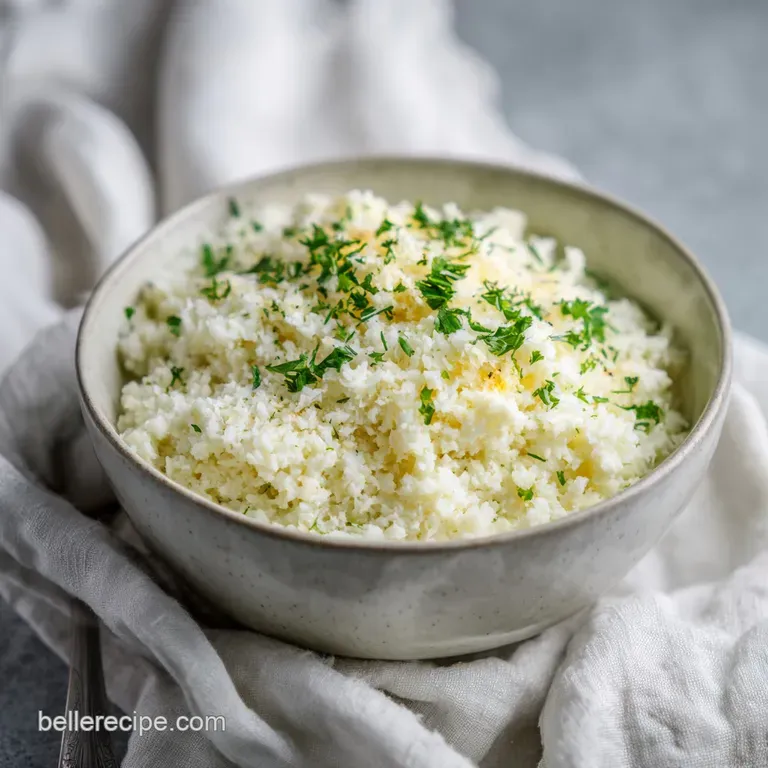
- Time: Active 5 minutes, Passive 10 minutes, Total 15 minutes
- Flavor/Texture Hook: Silky, molten cheddar coating tender crisp grains
- Perfect for: Busy weeknights, keto meal prep, or comforting family dinners
- Why This Easy Cheesy Cauliflower Rice Recipe Works
- Essential Specs for the Perfect Result
- What You Will Need for Success
- The Minimal Tools Needed for Results
- Mastering the Essential Stages of Cooking
- Solving Common Issues with Texture
- How to Personalize Your Cheesy Bowl
- Debunking Common Kitchen Myths
- Storing and Reviving Your Leftovers
- Best Dishes to Serve Alongside This Side
- Recipe FAQs
- 📝 Recipe Card
Why This Easy Cheesy Cauliflower Rice Recipe Works
Have you ever tried to make a low carb side dish and ended up with a plate of lukewarm, soggy mush? I've been there, staring down a puddle of "cauliflower soup" that was supposed to be a side of rice. It’s a common frustration because cauliflower is basically a sponge holding onto a massive amount of water.
When that water meets cheese, they don't get along, they separate, leaving you with clumps of grease and a watery mess.
This recipe is the targeted fix for that exact heartbreak. We aren't just steaming vegetables; we are building layers of flavor by using a dry-sauté technique that coaxes the moisture out before the dairy ever touches the pan. This ensures the sauce stays thick and the "rice" keeps its bite.
It’s the difference between a sad diet food and a comforting, sunny addition to your dinner table that your family will actually ask for.
We're going to treat this with the same respect we give a classic risotto. By understanding how the heat interacts with the vegetable fibers, we can achieve a grain like consistency that carries the sharp cheddar and garlic beautifully.
It's about being mindful of the steam and making sure it escapes the pan so the flavors can concentrate and shine.
- Evaporation Method: Cooking the cauliflower undisturbed on high heat allows internal moisture to turn into steam and vanish, preventing the dreaded "soggy bottom" effect.
- Emulsion Stability: Using full fat cream cheese acts as a bridge between the heavy cream and the cheddar, creating a sauce that won't break or become grainy.
- Heat Management: Reducing the temperature before adding the cheese ensures the proteins in the cheddar melt smoothly rather than seizing into rubbery clumps.
- Aromatic Layering: Sautéing the garlic powder and smoked paprika in the center well allows the heat to bloom the spices, releasing oils that scent the entire dish.
| Method | Time | Texture | Best For |
|---|---|---|---|
| Stovetop Sauté | 15 minutes | Tender crisp with silky sauce | Immediate dinner side dish |
| oven-roasted | 25 minutes | Slightly charred and nutty | Meal prep for larger batches |
| Microwave Steam | 8 minutes | Soft and very moist | Quick base for bowls/stews |
When we choose the stovetop method, we get to witness the transformation of the cauliflower from a raw, crunchy state to something supple and savory. It’s a fast process, but those few minutes of "dry time" in the skillet are what make the final result so decadent. If you've ever struggled with sauces that won't stick, you might find that my Garlic Parmesan Sauce uses similar principles of fat binding to create that perfect cling.
Essential Specs for the Perfect Result
| Component | Science Role | Pro Secret |
|---|---|---|
| Riced Cauliflower | Structural Base | Use fresh or fully thawed and squeezed dry if frozen |
| Cream Cheese | Emulsifying Agent | Use full fat blocks to prevent the sauce from thinning out |
| Sharp Cheddar | Primary Flavor | Grate it yourself from a block for a much smoother melt |
| Heavy Cream | Liquid Medium | Adds a velvety mouthfeel that mimics a classic roux |
This dish is a masterclass in how a few simple, high-quality ingredients can come together to create something much greater than the sum of its parts. We are looking for a final texture that is molten and rich, with the cauliflower providing just enough structure to keep it from feeling like a pure mash.
What You Will Need for Success
To get this right, we need to talk about the ingredients. Using 16 oz of riced cauliflower is our starting point. You can find this pre packaged, which is a massive time saver, but if you're grating it yourself, aim for pieces about the size of a grain of couscous. This ensures they cook evenly and quickly.
The fats are where the magic happens. We use 1 tbsp of unsalted butter for that initial sizzle and 0.5 tsp of sea salt to help draw out the moisture. For the sauce, 2 oz of full fat cream cheese and 0.25 cup of heavy cream provide the backbone. Don't skimp on the fat here; it’s what creates that luxurious, velvety coating. If you're looking to use these same creamy elements in a bigger bake, you might enjoy how they work in a Cheesy Chicken Casserole.
- 16 oz riced cauliflower Why this? Provides the "grain" texture without the heavy starch of traditional rice.
- 1 tbsp unsalted butter Why this? Used for the initial sauté to add a rich, toasted flavor.
- 0.5 tsp sea salt Why this? Essential for seasoning and pulling water out of the vegetable cells.
- 0.25 tsp black pepper Why this? Adds a subtle floral heat that cuts through the rich cheese.
- 2 oz full fat cream cheese, cubed Why this? The "glue" that keeps the cheddar sauce from separating.
- 1.5 cups sharp cheddar cheese, shredded Why this? Provides the punchy, nostalgic flavor we all crave.
- 0.25 cup heavy cream Why this? Thins the cheese into a pourable, silk like sauce.
- 0.5 tsp garlic powder Why this? Adds depth and savory notes without the bite of fresh cloves.
- 0.25 tsp smoked paprika Why this? Gives a tiny hint of woodsmoke and a beautiful golden hue.
- 2 tbsp fresh chives, sliced Why this? A bright, oniony finish to cut the richness of the fats.
For the cheddar, I always recommend the sharpest one you can find. The aging process not only deepens the flavor but also changes how the cheese melts. Avoid the pre shredded bags if you can; they are coated in potato starch to prevent clumping in the bag, which can make your final "rice" feel a bit gritty or powdery.
The Minimal Tools Needed for Results
You don't need a kitchen full of gadgets, but a large non stick skillet is your best friend here. The wide surface area is crucial because it allows the cauliflower to spread out. If the pan is too small, the cauliflower will pile up and steam itself rather than sautéing.
We want surface contact to get those little grains slightly golden and nutty.
A sturdy silicone spatula is also helpful. You'll want something that can scrape the bottom of the pan to ensure no cheese gets left behind to burn. Since we are working with medium high heat initially, make sure your spatula is heat resistant.
Finally,, a box grater is only necessary if you're starting with a whole head of cauliflower, but even then, a food processor with the "pulse" setting works wonders.
Mastering the Essential Stages of Cooking
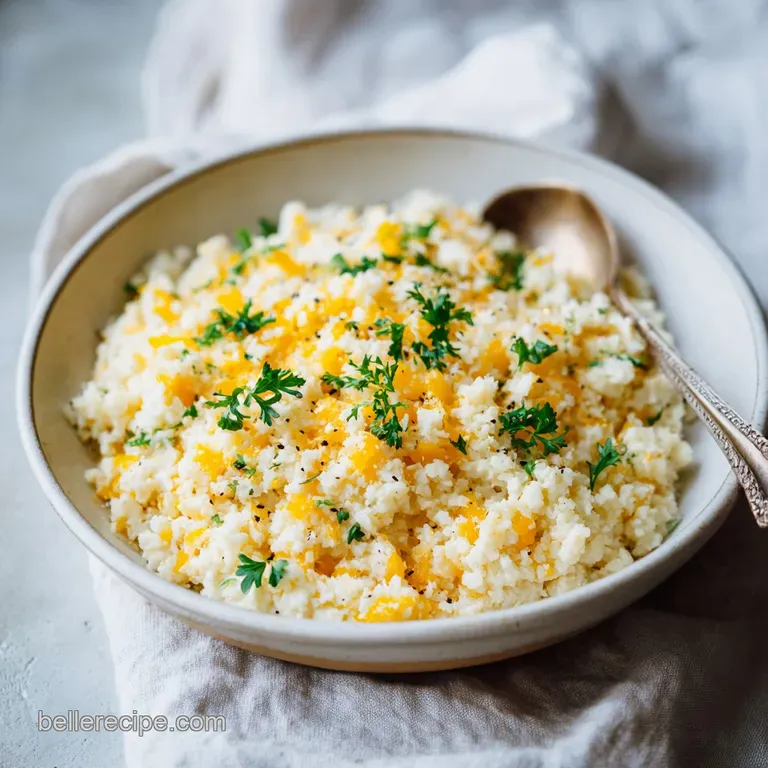
- Place a large non stick skillet over medium high heat and add the butter. Once bubbling, add the 16 oz of riced cauliflower in an even layer. Note: Spreading it out maximizes evaporation.
- Dry-sauté the cauliflower undisturbed for 3 minutes to allow moisture to evaporate. Wait until you hear a gentle sizzle and the steam starts to subside.
- Stir and cook for another 3 minutes. Wait until the grains are translucent and a slightly nutty aroma fills your kitchen.
- Reduce heat to medium low. This is the most important step to prevent the dairy from scorching or breaking.
- Create a well in the center of the cauliflower. Add the 2 oz of softened cream cheese, 0.25 cup of heavy cream, 0.5 tsp garlic powder, and 0.25 tsp smoked paprika.
- Stir the center mixture until the cream cheese is liquid and fully incorporated into the cream. Note: This creates your sauce base.
- Fold the cauliflower into the center sauce, ensuring every grain is lightly coated in the white mixture.
- Add the 1.5 cups of shredded cheddar cheese gradually, about half a cup at a time. Stir constantly until the cheese is melted and creates a smooth, velvety emulsion.
- Garnish with 2 tbsp of fresh chives and serve immediately while the cheese is still molten and stretching.
Chef's Tip: If the sauce looks too thick, add one tablespoon of hot water or extra cream. The residual heat of the cauliflower will keep the sauce fluid, but you have to work quickly once the cheddar goes in!
The transition from a dry pan to a creamy masterpiece happens fast. When you add that cheddar, you'll see it start to wrap around the cauliflower like a warm hug. It should look glossy and vibrant.
If you notice any oil beads on top, it means your heat was a bit too high; just stir in a splash of cream to bring it back together.
Solving Common Issues with Texture
Fixing Watery Cauliflower Texture
The main culprit for a watery dish is usually frozen cauliflower that wasn't properly prepared. Frozen vegetables release a massive amount of water as they thaw. If you don't account for this, your cheese sauce will never thicken.
| Problem | Root Cause | Solution |
|---|---|---|
| Thin, runny sauce | Excess moisture in the veg | Sauté for 2-3 extra minutes before adding dairy |
| Gritty or sandy texture | Pre shredded cheese starch | Use block cheese and grate it fresh at home |
| Cheese is clumpy/stringy | Heat was too high | Remove pan from heat entirely when folding in cheddar |
It’s also possible that the cauliflower wasn’t sautéed long enough. You really want to see that steam die down before you move on to the creamy steps. If you're using fresh cauliflower, it takes a bit longer to soften than the frozen kind, so give it that extra minute of "quiet time" in the pan to ensure it's tender.
Common Mistakes Checklist
- ✓ Pat riced cauliflower dry with a paper towel if it looks damp before hitting the pan.
- ✓ Ensure the cream cheese is at room temperature so it melts instantly without lumps.
- ✓ Never cover the pan with a lid; this traps steam and turns your rice into mush.
- ✓ Use a "folding" motion rather than aggressive stirring to keep the cauliflower grains intact.
- ✓ Add the cheddar in stages to keep the temperature of the pan stable.
Correcting a Broken Cheese Sauce
If you see the fats separating from the solids, don't panic. This usually happens because the temperature spiked. The proteins in the cheese contract and squeeze out the fat. To fix this, turn off the heat and add a teaspoon of cold heavy cream. Stir vigorously.
The cold liquid helps lower the temperature quickly and provides fresh emulsifiers to pull that fat back into the fold.
How to Personalize Your Cheesy Bowl
Scaling this recipe is quite simple because the ratios are forgiving. If you're cooking for a crowd, you can easily double the ingredients. Just remember that with more cauliflower in the pan, you'll need a much larger skillet or perhaps two pans to ensure the moisture can still evaporate efficiently.
If the cauliflower is more than an inch deep in the pan, it will steam instead of sauté.
Guidelines for Scaling Up or Down
- For Two People: Cut everything in half. Use a smaller 8 inch skillet so the sauce doesn't spread too thin and burn on the edges of the pan.
- For a Big Party: Double the recipe but increase the spices (garlic and paprika) by only 1.5x. Spices can become overwhelming when doubled exactly. Use a wide brazier or a very large cast iron skillet.
- Baking Version: If you want a "casserole" finish, follow the recipe until the cheese is melted, then transfer to a dish, top with extra cheese and breadcrumbs (or crushed pork rinds for keto), and broil for 2 minutes.
Creative Flavor Variations
- Spicy Kick: Stir in a tablespoon of diced canned green chiles or a pinch of cayenne pepper with the garlic powder.
- Bacon and Ranch: Fold in 1/4 cup of crispy bacon bits at the very end and swap the chives for a sprinkle of dry ranch seasoning.
- Italian Style: Use mozzarella and parmesan instead of cheddar, and finish with fresh basil and a drizzle of olive oil.
| Servings | Cauliflower Weight | Cheese Amount | Total Cook Time |
|---|---|---|---|
| 2 people | 8 oz | 0.75 cup | 12 minutes |
| 4 people | 16 oz | 1.5 cups | 15 minutes |
| 8 people | 32 oz | 3 cups | 22 minutes |
If you decide to go the "Italian" route, remember that mozzarella has a much higher moisture content than sharp cheddar. You might need to reduce the heavy cream slightly to keep the consistency from becoming too loose.
It's all about adjusting to the ingredients you have on hand while keeping that core "dry-sauté" method as your foundation.
Debunking Common Kitchen Myths
There is a long standing myth that you need to "blanch" or boil cauliflower rice before you cook it in a pan. This is actually the worst thing you can do for this specific dish. Boiling adds water to a vegetable that is already 92% water. You end up with a soggy mess that no amount of cheese can save.
The dry-sauté is your friend because it does the opposite it concentrates the flavor.
Another misconception is that "low-fat" cheese melts better. In reality, fat is what carries the flavor and provides that silky stretch we love. low-fat cheeses often have fillers and stabilizers that prevent them from melting smoothly, leading to a rubbery or plastic like texture.
Stick to the full fat versions for the most mindful and satisfying experience.
Storing and Reviving Your Leftovers
Leftovers of this easy cheesy cauliflower rice recipe are actually quite wonderful the next day. The flavors have a chance to meld even further in the fridge. Store it in an airtight container for up to 4 days.
When you're ready to eat, I recommend reheating it in a small skillet over low heat with a tiny splash of water or cream to loosen the sauce back up.
Avoid the microwave if you can, as it tends to make the cauliflower a bit too soft and can cause the cheese sauce to break. If you must use the microwave, do it in 30 second bursts, stirring in between.
This dish doesn't freeze particularly well once the cheese sauce is added, as the emulsion tends to separate during the thawing process, resulting in a grainy texture.
- Cauliflower Stems
- If you're ricing your own, don't throw away the stems! Grate them right along with the florets; they have a great crunch and the same flavor.
- Cheese Scraps
- Keep those little ends of cheese blocks in a bag in the freezer. They are perfect for melting into a batch of this rice.
- Leftover Sauce
- If you have a bit of the cheesy rice left over but not enough for a meal, stir it into a bowl of vegetable soup to add body and creaminess.
Best Dishes to Serve Alongside This Side
This rice is incredibly versatile. Because it has that sharp cheddar profile, it pairs beautifully with grilled proteins. Think of it as a lighter alternative to mac and cheese. It’s absolutely stunning next to a pan seared steak or some juicy chicken thighs.
The creaminess of the rice balances out the charred, salty exterior of the meat.
It also works well with roasted vegetables. Imagine a big scoop of this next to some balsamic glazed Brussels sprouts or roasted broccoli. The smoky paprika in the rice echoes the roasted notes of the vegetables. If you’re looking for a complete meal idea, serving this alongside a hearty main like my Chicken Long Rice can create a beautiful contrast of textures, moving from a silky broth to this rich, cheesy side.
Whether you're making this for a quick Tuesday night dinner or sharing it at a weekend gathering, it’s a dish that brings people together. There's something so nostalgic and comforting about a bowl of cheesy rice, and knowing that it’s packed with vegetables just makes the experience even better.
Enjoy the process, watch those "flavor layers" build in the pan, and don't be afraid to add an extra sprinkle of chives at the end for that pop of color!
Recipe FAQs
How to make cauliflower rice that tastes good?
Dry-sauté the riced cauliflower undisturbed for 2-3 minutes before adding any liquids to evaporate excess moisture. This creates a nutty aroma and prevents a mushy texture, ensuring a firm, rice like consistency.
Is cauliflower rice actually healthy?
Yes, it is a nutrient dense, low-calorie alternative to grains. It provides essential fiber and vitamins while keeping the dish significantly lower in carbohydrates than traditional rice.
How to make cauliflower cheese more cheesy?
Add the shredded sharp cheddar gradually while stirring constantly over medium low heat. This slow integration technique allows for a perfectly smooth, velvety emulsion; if you enjoyed nailing this stable base, you can use the same whisking method for homemade sauces to ensure your condiments stay emulsified and rich.
Is cauliflower rice good for diabetics?
Yes, it is an excellent choice for those managing blood sugar levels. Because cauliflower has a very low glycemic index, it does not cause the rapid blood sugar spikes typically associated with white rice or pasta.
Is it true I must boil the cauliflower before sautéing it?
No, this is a common misconception. Boiling will waterlog the cauliflower and ruin the texture; you should always cook it directly in the skillet with butter to achieve the best nutty flavor and bite.
How to prevent the cheese sauce from breaking or separating?
Reduce the heat to medium low before adding the cream cheese and heavy cream. High heat causes the proteins in the cheese to seize and separate, so keep the temperature gentle to maintain a creamy, cohesive sauce.
How to revive leftover cheesy cauliflower rice?
Reheat it in a small skillet over low heat rather than using the microwave. Add a tiny splash of heavy cream while stirring gently to bring the sauce back to its original silky consistency.
Cheesy Cauliflower Rice
Ingredients:
Instructions:
Nutrition Facts:
| Calories | 312 kcal |
|---|---|
| Protein | 13g |
| Fat | 26g |
| Carbs | 7g |
| Fiber | 2g |
| Sugar | 1g |
| Sodium | 544mg |
