Authentic Chicken Long Rice Recipe: Velvety & Restorative
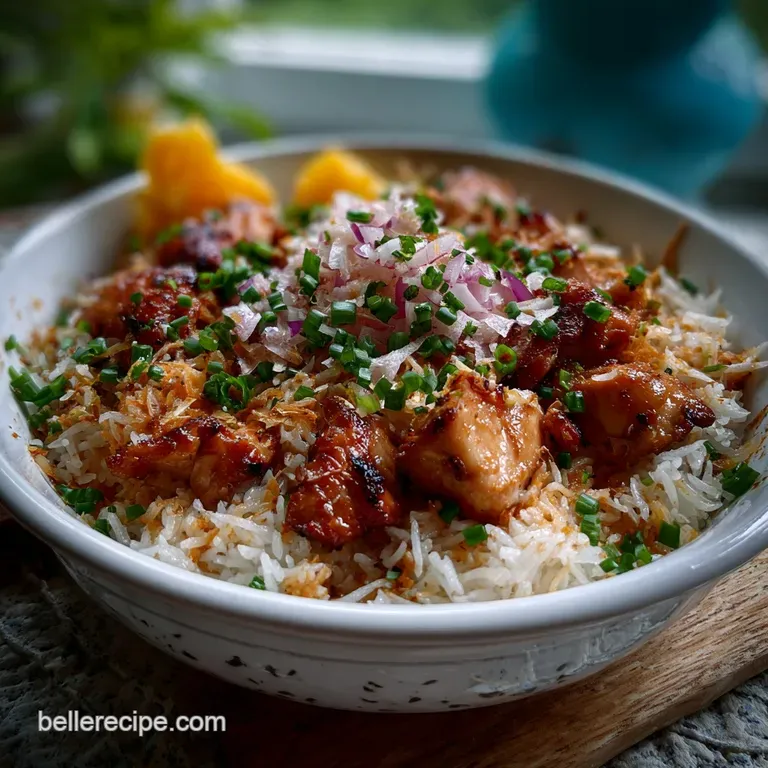
- Effort/Time: Low-effort prep; 1 hour total.
- Flavor Hook: Ginger-forward umami with a velvety mouthfeel.
- Perfect for: Rainy-day comfort or a crowd-pleasing potluck side.
- Comfort in a Bowl: The Ultimate Chicken Long Rice Recipe
- Thermal Extraction and Hydration: Why This Long Rice Recipe Works
- Logistics of Flavor: Yield, Timing, and Nutritional Benchmarks
- The Alchemy of Umami: Selecting Your Elements
- Essential Culinary Tools for Precision Heat Management
- Mastering the Infusion: A Step-by-Step Cooking Protocol
- Correcting Texture and Clarity: Solving Common Preparation Pitfalls
- Flavor Architecture: Creative Substitutions for Your Long Rice
- Preserving Integrity: Storage, Freezing, and Thermal Reheating
- Aesthetic Assembly: Final Touches for the Perfect Bowl
- Recipe FAQs
- 📝 Recipe Card
Comfort in a Bowl: The Ultimate Chicken Long Rice Recipe
I once thought this dish was just "chicken soup with noodles," until I served a batch of soggy, over salted mush at a family gathering. I’d used boneless breasts and boiled the noodles into oblivion, resulting in a thin, lackluster broth and zero texture.
That failure taught me the most important lesson about the chicken long rice recipe: it is an exercise in gelatin extraction and starch control.
This isn't just a meal; it's a technical process of infusing liquid with aromatic compounds while maintaining the structural integrity of bean thread noodles. When done right, the broth has a glossy sheen that coats the back of a spoon, and the noodles become plump, translucent vessels for the ginger garlic infusion.
The secret lies in the physics of the bone-in thigh and the osmotic pressure of the seasoning. We’re moving away from thin, watery liquids and toward a rich, emulsified experience.
Trust me, once you hear the specific hiss of the ginger hitting the hot pot and see those noodles turn from opaque white to crystal clear, you’ll never go back to the basic version. Let's crack on with the science and the steps to master your own chicken long rice recipe.
Thermal Extraction and Hydration: Why This Long Rice Recipe Works
- Collagen Hydrolysis: Using bone-in, skin-on thighs allows heat to break down connective tissue into gelatin, creating a velvety mouthfeel.
- Starch Gelatinization: Soaking noodles in hot (not boiling) water allows them to hydrate slowly, preventing the "shatter" of dry starch while keeping them firm.
- Aromatic Volatility: Slicing ginger into 3 inch pieces maximizes surface area for essential oil release without turning the broth bitter.
- Flavor Adsorption: Bean thread noodles are porous; they don't just sit in the broth, they absorb the seasoned liquid through capillary action.
Logistics of Flavor: Yield, Timing, and Nutritional Benchmarks
This chicken long rice recipe is designed for high density nutrition and efficient throughput in a home kitchen. While the prep is lightning fast, the "low and slow" simmer is non-negotiable for protein denaturation and flavor development.
- Prep Time: 15 minutes
- Cook Time: 45 minutes
- Total Time: 1 hour
- Recipe Yield: 6 servings
- Calories: 328 kcal
- Protein: 22 g
- Fat: 11 g
- Carbohydrates: 33 g
The Alchemy of Umami: Selecting Your Elements
The success of this chicken long rice recipe depends entirely on the quality of your aromatics and the cut of your poultry. Substituting lean meat for bone-in thighs will result in a "thin" flavor profile that lacks the necessary lipids for a satisfying mouthfeel.
| Ingredient | Chemical/Physical Role (Science) | The Pro Secret (Why This Matters) |
|---|---|---|
| Bone-in Chicken Thighs | Gelatin extraction via collagen hydrolysis | Creates a silky mouthfeel and natural thickening. |
| Fresh Ginger | Volatile gingerol and zingerone release | Provides the "bite" and digestive enzymes to balance fats. |
| Bean Thread Noodles | Starch based hydration and absorption | Absorbs 4x its weight in broth without losing shape. |
| Soy Sauce | Glutamic acid for umami depth | Provides the salt bridge required for protein flavor perception. |
- 2 lbs bone-in, skin-on chicken thighs: Why this? Bones provide the marrow and collagen essential for a rich, body heavy broth.
- 8 cups Swanson Low-Sodium Chicken Stock: Why this? Lower sodium allows for controlled reduction without over salting the final dish.
- 3 inch piece of fresh ginger, smashed and sliced: Why this? Slicing exposes the fibers, releasing potent aromatic oils during the simmer.
- 4 cloves garlic, smashed: Why this? Allicin release adds a base note depth that complements the sharp ginger.
- 2 tbsp Kikkoman Soy Sauce: Why this? Adds fermented complexity and deepens the golden hue of the broth.
- 1 tsp Diamond Crystal Kosher Salt: Standard seasoning.
- 0.5 tsp White Pepper: Why this? Provides a floral, sharp heat without the black specks of traditional peppercorns.
- 8 oz dry bean thread noodles (Saifun): Why this? These mung bean starches hold their "snap" longer than rice based alternatives.
- 1 cup sliced green onions: For the final sulfurous crunch and color contrast.
Essential Culinary Tools for Precision Heat Management
- Shun Classic 8” Chef’s Knife
- Essential for clean, thin ginger slices to maximize surface area.
- Stainless Steel Fine Mesh Strainer
- Required for skimming "scum" (denatured proteins) to keep the broth clear.
- Glass Mixing Bowl
- For soaking noodles; glass retains water temperature better than plastic.
Mastering the Infusion: A step-by-step Cooking Protocol
Follow these steps precisely. Each action impacts the final texture of your chicken long rice recipe.
- Hydrate the noodles. Place 8 oz bean thread noodles in a bowl and cover with hot tap water for 15 minutes until pliable and translucent.
- Sear the chicken. Place thighs skin side down in the Lodge Dutch Oven over medium heat for 8 minutes until fat renders and skin is golden brown.
- Sauté aromatics. Add smashed ginger and garlic to the rendered fat for 2 minutes until a nutty, pungent aroma fills the kitchen.
- Deglaze the pot. Pour in 8 cups chicken stock, scraping the bottom until all browned bits (fond) are incorporated into the liquid.
- Simmer the base. Bring to a boil, then reduce to low; cover and simmer for 30 minutes until chicken meat easily pulls away from the bone.
- Extract and cool. Remove chicken to a plate for 10 minutes until cool enough to handle but still steaming.
- Process the protein. Discard skin and bones; shred meat into bite sized pieces until you have a pile of tender, moist chicken.
- Season the broth. Stir in 2 tbsp soy sauce, salt, and white pepper until the liquid turns a rich amber color.
- Combine and finish. Add shredded chicken and drained noodles to the pot; simmer for 5 minutes until noodles are plump and fully saturated.
- Garnish and serve. Fold in 1 cup green onions until they turn bright emerald and soften slightly.
Chef's Note: If the broth looks cloudy, use a cold spoon to skim the surface. This removes excess fat and denatured protein, leaving you with a "consommé style" clarity that makes the long rice recipe look professional.
Correcting Texture and Clarity: Solving Common Preparation Pitfalls
The most frequent issue with the chicken long rice recipe involves the noodles. Because they are pure starch, they behave like sponges. If you leave them in the pot too long, they will drink every drop of your hard earned broth.
Why Your Noodles Are Mushy
Over hydration occurs when the noodles are boiled rather than simmered. This causes the starch molecules to swell and rupture, leading to a "pasty" texture. Always soak in hot water first, then finish in the broth for the final few minutes only.
| Problem | Root Cause | The Fix | Pro Protocol |
|---|---|---|---|
| Cloudy Broth | Rapid boiling of chicken | Maintain a gentle "smile" (tiny bubbles only) | Skim the grey foam immediately as it rises. |
| No Flavor | Under extracted ginger | Slicing too thick or skipping the sear | Smash ginger with the flat of a knife before slicing. |
| Dry Noodles | Insufficient broth ratio | Noodles absorbed liquid during storage | Add 1 cup hot stock when reheating to restore silkiness. |
Flavor Architecture: Creative Substitutions for Your Long Rice
If you need to pivot based on what's in your pantry, use this table. Note that changes to the fat or starch will alter the "shatter" and "mouthfeel" of the chicken long rice recipe.
| Original Ingredient | Substitute | Why It Works |
|---|---|---|
| Chicken Thighs | Chicken Drumsticks | Similar bone-to-meat ratio; high collagen content. |
| Bean Thread Noodles | Vermicelli Rice Noodles | Softer texture; note: these break more easily than bean threads. |
| Soy Sauce | Tamari | Same umami profile but makes the dish 100% gluten-free. |
If you enjoy the flavor profile of this ginger soy base, you might also like the pan-seared richness of a Chicken Bryan Recipe.
Preserving Integrity: Storage, Freezing, and Thermal Reheating
Storing a chicken long rice recipe requires a specific strategy because the noodles never stop absorbing liquid.
- Fridge: Store in an airtight container for up to 4 days. Warning: The noodles will thicken the liquid into a gel-like consistency when cold due to the collagen. This is normal.
- Freezing: Not recommended for the noodles (they become "grainy" upon thawing). Freeze the chicken and broth base only; add fresh noodles when reheating.
- Reheating: Place in a saucepan over medium heat. Add 1/2 cup of water or stock to loosen the gelatin. Heat until the broth turns liquid and small bubbles appear at the edges.
Zero Waste Philosophy
Don't discard the ginger pieces! Transform: Finely mince the simmered ginger and mix with a little soy and chili oil for a "chef's condiment." Science: The simmering has mellowed the harshness, leaving a tender, aromatic topping that adds a second layer of flavor to your long rice recipe.
Aesthetic Assembly: Final Touches for the Perfect Bowl
Presentation is about contrast. The chicken long rice recipe is monochromatic (tans and whites), so the garnish is functional and visual. This dish pairs beautifully with a structured side, much like the classic pairings found in my Creamed Onions recipe.
Common Myths
Myth: You must boil the noodles in the broth from the start. Truth: This releases too much starch into the soup, making it gummy. Soaking separately ensures a clean, clear broth and distinct noodle texture.
Myth: Boneless breasts are "healthier" and just as good. Truth: Without the bones and skin, you lose the gelatin. You'll end up with a watery soup rather than the velvety chicken long rice recipe texture you're looking for.
The Science of Why it Works
This dish utilizes gelatinization to create body. As the mung bean starch in the noodles reaches 160°F, it traps water molecules, creating a tender yet firm structure that carries the ginger infused broth directly to your palate.
Enjoy this chicken long rice recipe as a standalone meal or as part of a larger spread. It’s the kind of cooking that proves that simple ingredients, handled with technical respect, create the most enduring comfort.
Recipe FAQs
Can I use pre-cooked or shredded chicken instead of raw?
No. Raw chicken yields the necessary collagen. Cooking raw bone-in chicken releases connective tissue proteins, forming the signature velvety broth mouthfeel that pre-cooked meat lacks.
What is the purpose of soaking the mung bean noodles?
To prevent them from dissolving completely. Soaking hydrates the starch structure to prevent excessive leaching during the final simmer. This ensures they maintain the desired 'snap' texture.
Should I brown the ginger before adding liquid?
No. Never sear the aromatics deeply. Lightly sweating the ginger and garlic releases volatile oils without introducing bitter, oxidized notes that disrupt the mild, clean broth profile.
- Use low-to-medium heat
- Add ginger before garlic
- Sweat until fragrant, about 2 minutes
Is this recipe better suited for high heat or slow simmering?
Slow simmering yields superior collagen extraction. While prep is quick, the slow, gentle heat allows connective tissues to break down fully into gelatin, creating a rich body. If you enjoyed mastering the slow, controlled breakdown of tissue here, see how the same principle of low-and-slow flavor infusion works in our Crawfish Recipes: Authentic Étouffée, The Best Cajun Comfort Classic.
Can I skip the small amount of sesame oil in this recipe?
Yes, but flavor depth will decrease noticeably. The toasted sesame oil is a critical low-volume aromatic used for final layering, providing an earthy depth missing from just using salt and soy sauce.
Is chicken long rice a traditional dish from Japan or China?
Myth: This dish originates solely from East Asian noodle soups. Reality: Chicken Long Rice is a distinctly Hawaiian comfort food developed by Chinese immigrants adapting Cantonese techniques to local ingredients.
What should I serve alongside this restorative bowl?
A bright, acidic counterpoint cuts the richness. Because this broth is so comforting and savory, a sharp, vinegary side dish balances the palate beautifully. Pair it with something crisp, like our Seaweed Salad: Easy, Sharp, Nutty Homemade Recipe with Crunch.
Chicken Long Rice Recipe
Ingredients:
Instructions:
Nutrition Facts:
| Calories | 328 kcal |
|---|---|
| Protein | 22 g |
| Fat | 11 g |
| Carbs | 33 g |
| Fiber | 1 g |
| Sugar | 1 g |
| Sodium | 1240 mg |
