Escargot: the Ultimate Garlic-Herb Butter Recipe

- Capturing the Bistro Vibe at Home: Escargots à la Bourguignonne
- Sourcing Your Components: Essential Prep List for the Recipe
- Mastering the Escargot Method: A Step-by-Step Guide
- The Culinary Science Behind Exceptional French Snails
- Expert Tips for Bistro-Quality Results
- Presentation and Pairing: Completing the Experience
- Recipe FAQs
- 📝 Recipe Card
Capturing the Bistro Vibe at Home: Escargots à la Bourguignonne
That smell! When butter, garlic, and parsley start to sizzle, you know something truly epic is happening in your kitchen. We are talking classic French bistro vibes here, the kind of luxurious appetizer that feels ridiculously extravagant but is actually super simple to master at home.
This ultimate Escargot recipe is going to change your life, eliminating any fear you might have about preparing these garlicky delights.
Everyone thinks making restaurant quality Escargot requires fancy culinary school training, but that’s just a lie designed to keep those appetizer prices high.
The secret is that this dish is essentially just compounding the world’s most flavorful butter a persillade on steroids and letting the oven do all the hard work.
You can have these piping hot, bubbling Escargot snails on the table in under an hour, ready for some serious bread dipping action.
Forget the little metal tins of sadness you might have had elsewhere. We are creating genuine Escargots à la Bourguignonne that rival Paris's best. Let’s get our ingredients sorted and crack on with how to cook Escargot perfectly every single time, ensuring that rich butter stays exactly where it should: clinging happily to the snails.
Why You Should Ditch the Restaurant Price Tag
Seriously, paying $18 for six snails is criminal when the vast majority of the cost is really just butter, parsley, and garlic. When you make this French delicacy at home, you control the quality of the ingredients, particularly that glorious butter, which is the whole point of the dish anyway.
Plus, watching that herbed butter bubble violently in the oven creates its own satisfying anticipation.
This recipe uses widely available, already prepared snails (I promise we aren't foraging!), cutting down the prep time to about fifteen minutes flat. The biggest secret is the precision in the compound butter and the high heat used for baking, which makes all the difference in achieving that glorious, non-greasy texture.
Making your own Escargot means you can afford to enjoy them way more often.
The Magic of Bourguignonne Butter: What Makes This Dish a Classic
The technique here is about controlled chaos. The Bourguignonne sauce is really just a fancy name for Escargot garlic butter ( Beurre Maître d'Hôtel ), packed with herbs and sometimes fortified with a little wine or Cognac.
What makes my version special is the mandatory chilling step.
When you chill the butter packed snail dishes before baking, the fat sets up hard. When that cold butter hits the screaming hot oven (425°F!), it melts extremely quickly but prevents the butter solids and the water (from the snails, herbs, and any liquid added) from separating into that watery, greasy mess we all dread.
Instead, you get a velvety, bubbling emulsion that adheres perfectly to the snails and is begging for a piece of baguette. This is the simple culinary science that elevates homemade baked Escargot .
Authenticity Check: Understanding the French Tradition
The word Bourguignonne just tells you that this dish originated in the Burgundy region of France, famous for its rich culinary heritage. Traditionally, they use Helix pomatia snails (the larger ones) stuffed back into their cleaned shells, but here in the States, using ceramic escargot dishes (cassolettes) is perfectly acceptable and much easier.
The key to the authenticity of this Escargot experience is the quality of the persillade —the fresh parsley and garlic mixture which should be pungent, vibrant, and incredibly fragrant.
Sourcing Your Components: Essential Prep List for the Recipe
You should always purchase prepared snails unless you are a snail farmer safety first, people! Canned snails (often found near ethnic or specialty ingredients) are pre-cooked and ready to rock.
Choosing the Right Snails (Helix Pomatia vs. Alternatives)
I prefer the larger Helix snails because they provide a better bite, but Petit Gris (smaller) work just as well if that’s what your market carries. Crucially, try to find snails packed in water or brine, not oil, as the oil can sometimes leave an unpleasant residual flavour.
Chef’s Note: Before using the canned snails, you must rinse them multiple times under cold running water and then pat them absolutely, positively dry. Any residual moisture is the enemy of perfectly emulsified garlic butter.
Building the Ultimate Persillade (Garlic Parsley Blend)
The soul of this Escargot garlic butter recipe is the herb blend. We aren't just using parsley and garlic; we are adding shallots, which offer a sweeter, more nuanced onion flavor, and a hint of thyme and nutmeg for warmth.
- Parsley: Must be fresh flat leaf parsley. Dry parsley simply won't give you that bright green color or fresh, earthy taste.
- Garlic: Finely minced, but don't use a press if you can avoid it. A press releases too much moisture and can give the butter a slightly acrid bite once baked. Hand mincing gives you better control.
Butter Breakdown: Why Quality Matters for the Sauce Base
If 90% of your dish is butter, you need to use the good stuff. Skip the cheap tubs and grab a high-quality European style unsalted butter with a high fat content. This yields a richer flavor and helps achieve that velvety mouthfeel we're after.
I prefer unsalted because canned snails often come pre-salted, and I like to control the seasoning with fine sea salt myself. Adding that optional splash of Cognac or Dry Vermouth just gives the finished Escargot a background note of sophisticated complexity, which you really notice when you mop up the residue with bread.
Must Have Kitchen Tools (Escargot Dishes and Tongs)
While you can bake this in small ramekins, the official Escargot dishes (cassolettes) are ideal. They have individual wells that are perfectly sized to cradle the snail and the butter, keeping the portioning consistent.
| Ingredient | Viable Substitution |
|---|---|
| Canned Snails | Cooked Artichoke Hearts (quartered) or Small Cooked Clams |
| Unsalted Butter | high-quality Ghee (for higher smoke point) or High fat Margarine |
| Fresh Parsley | 2 Tbsp Fresh Basil + 1 Tbsp Fresh Chives |
| Shallot | 1/4 tsp Dried Onion Powder (Use sparingly!) |
| Cognac/Vermouth | 1 tsp Dry White Wine or 1/2 tsp Worcestershire Sauce (for savoriness) |
Mastering the Escargot Method: A step-by-step Guide
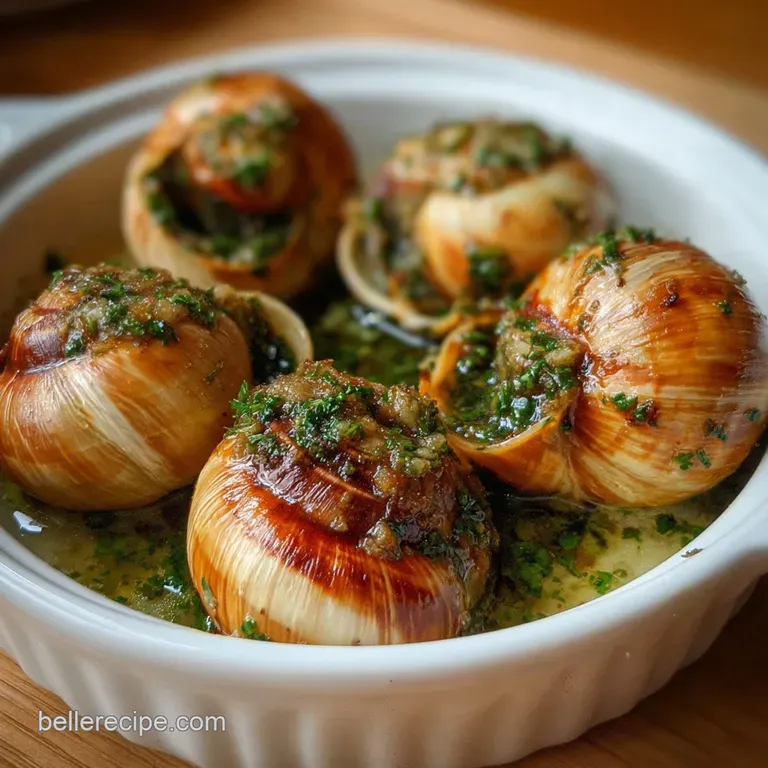
This is the fastest part of the process, but precision is key to making this truly exceptional baked Escargot .
Step 1: Cleaning and Preparing the Snails
First, preheat that oven to a scorching 425°F (220°C). Then, drain your snails completely. I rinse mine under cold water until I’m absolutely sure there's no metallic residue left from the can. Pat them bone dry with paper towels; I can’t stress this enough.
Toss the dried snails with a pinch of salt and the fresh lemon juice. The acidity brightens their flavor.
Step 2: Compounding the Herb Butter Base
Get your softened butter into a mixing bowl it needs to be pliable, like modeling clay. Dump in the minced garlic, chopped parsley, minced shallot, thyme, salts, pepper, and that pinch of cayenne or nutmeg. Use a rubber spatula or a sturdy fork to beat and mash the ingredients together.
Keep mixing until the butter turns a beautiful, uniform pale green color and you can't see any streaks of plain yellow butter anymore. This is what we call the Beurre Maître d'Hôtel .
Step 3: Shelling, Stuffing, and Arranging for the Bake
This is my favorite part, the Escargot ‘sandwich’ technique. Place your escargot plates on a baking sheet for easier handling. Now, take a small teaspoon (about half a teaspoon) of the butter and press it firmly into the bottom of each well. This creates a cozy, flavorful bed.
Next, place one perfectly dried snail on top of that butter bed. Finally, take a generous spoonful (about a full teaspoon) of the remaining compound butter and mound it right on top of the snail, ensuring the snail is entirely covered or submerged.
The butter should look like a glorious, fragrant dome capping each well. Now, transfer that baking sheet immediately to the fridge for the crucial 30 minute chill time.
Step 4: Achieving the Perfect Bake and Melt
After the butter has chilled and solidified, slide the baking sheet into the preheated 425°F oven. Bake for only 10 to 12 minutes. You are looking for intensely bubbling, frothy butter that is slightly caramelized around the edges of the wells.
Your entire kitchen will smell like the best damn French restaurant imaginable. That satisfying sizzle tells you they are done. Carefully remove them those ceramic plates are nuclear hot! Let the plates rest for just 60 seconds to settle before serving.
The Culinary Science Behind Exceptional French Snails
Emulsification: Achieving the Perfect Butter Texture
When we combine the cold butter and the quick high heat, we are essentially encouraging a brief, controlled emulsion. Since the herbs and aromatics (garlic, shallots) are finely minced and suspended evenly within the fat, they help stabilize the mixture as it melts.
The high heat flashes off any surface moisture quickly, preventing the butter from turning into clear oil and murky water. This is critical for achieving a velvety, rich sauce.
The Role of Blanching the Snails
Although we are using canned snails which are pre-cooked, rinsing and blanching (tossing) them in lemon juice is important. This practice removes residual briny or metallic flavors and slightly firms up the texture of the snail, ensuring they hold up against the rich intensity of the Escargots à la Bourguignonne butter.
Avoiding a Watery Butter Sauce: Troubleshooting Tips
If your finished dish looks like clear oil floating above murky water, you likely skipped the chill time or didn't dry the snails well enough. Remember this golden rule: Damp snails equal watery butter .
If you absolutely must skip the chilling, start the oven at 375°F and raise it to 425°F halfway through, but please, trust me and just chill the plates.
Expert Tips for Bistro Quality Results
The Critical Importance of High Oven Heat
High heat isn't just about speed; it's about texture. By using 425°F, you caramelize the butter's milk solids quickly, giving the edges that beautiful golden brown color and adding a depth of nutty flavor. Lower heat will simply melt the butter slowly and unevenly, resulting in a less vibrant flavor.
For the best baked escargot , blast it hot and fast.
Preparing and Freezing Unbaked Snails
You bet these freeze well! This is one of the best make-ahead appetizers. Prepare the Escargot completely, stuffing the plates with the butter and snails (Step 3). Instead of chilling, wrap the entire baking sheet, plates and all, tightly in plastic wrap and then foil.
They will keep perfectly in the freezer for up to 3 months. To cook, transfer directly from the freezer to a 400°F oven and bake for 15 to 18 minutes.
Refrigerating Leftover Herb Butter Safely
Did you make too much of that glorious herb butter? Lucky you. This compound butter is stellar on steaks, toasted bread, or baked potatoes. Roll the extra butter mixture into a log using parchment paper or plastic wrap, twist the ends to seal, and refrigerate it for up to two weeks, or freeze for six months.
It's a fantastic cheat for making quick garlic toast later.
Presentation and Pairing: Completing the Experience
Serving Escargot is all about theatrics and efficiency. They must be served immediately after resting for one minute, while the butter is still intensely hot and sputtering. Use proper tongs and thick oven mitts to place the hot plate directly in front of your guest.
The Bread Basket
This is not optional. The only vessel strong enough to capture every last drop of the rich escargots bourguignonne sauce is a freshly baked, crusty baguette. Tear off thick slices, dunk deeply into the bubbling butter, and savor the glorious blend of garlic, herbs, and savory snail.
Wine Pairing
Because this dish is intensely rich and buttery, you need a wine that can cut through the fat without being overwhelmed. My go-to is a crisp, dry white. Think of a high acid White Burgundy (Chardonnay) or a Sancerre (Sauvignon Blanc).
Their minerality and brightness cleanse the palate beautifully, preparing you for the next decadent bite of this classic Escargot recipe . Enjoy!
Recipe FAQs
Do I need to clean canned snails, or are they ready to use?
Canned escargots (usually Helix species) are almost always fully cooked, thoroughly cleaned, and preserved during the canning process. Simply drain them extremely well before incorporating them into the rich butter mixture; no additional pre-cooking or internal cleaning is required.
What can I use if I don't own a specific escargot dish?
A standard muffin tin or even mini ramekins work perfectly as substitutes for a specialized escargot platter. The key is using a vessel where the snails can sit snugly and be fully submerged by the herb butter, which prevents them from drying out during the intense heat of baking.
Why did my garlic butter separate or look too oily after baking?
This separation (breaking the emulsion) usually happens if the baking temperature is too low or if the butter mixture wasn't sufficiently chilled before cooking. Ensure your butter blend is very cold and firm before spreading it, and utilize the high heat of the oven to rapidly cook the snails without allowing the mixture to sit and melt slowly.
Can I prepare the escargots ahead of time and bake them later?
Absolutely, the compound butter preparation is excellent for make-ahead convenience. Assemble the escargots in their dishes, cover them tightly, and refrigerate for up to 48 hours. When ready to serve, bake directly from the refrigerator, adding just a few extra minutes to the total baking time.
Can I add wine or cheese to the classic Bourguignonne butter?
While the Bourguignonne style is strictly butter, garlic, and parsley, you can certainly add flavor variations like a splash of reduced dry white wine or Pernod for complexity. Avoid adding soft cheeses, as they tend to alter the luxurious, moppable texture that is crucial for sopping up with bread.
How are escargots traditionally eaten?
Escargots are served piping hot and are typically consumed using specialized tongs (to hold the hot dish or shell steady) and a small, two-pronged fork. If served in shells, stabilize the shell with the tongs and gently fish the snail out with the fork, ensuring you scoop up the flavorful melted butter alongside it.
Is it possible to freeze leftover baked escargots?
While technically possible, freezing already baked escargots is not recommended, as reheating often degrades the texture of the snails, making them rubbery. A much better strategy is to freeze the uncooked, butter filled dishes; they can then be transferred directly from the freezer to a hot oven for future quick preparation.
Classic Escargot Garlic Butter
Ingredients:
Instructions:
Nutrition Facts:
| Calories | 250 kcal |
|---|---|
| Protein | 6.7 g |
| Fat | 0.7 g |
| Carbs | 57.0 g |
