Jello Jigglers: the Classic, Firm Gelatin Cut-Out Recipe
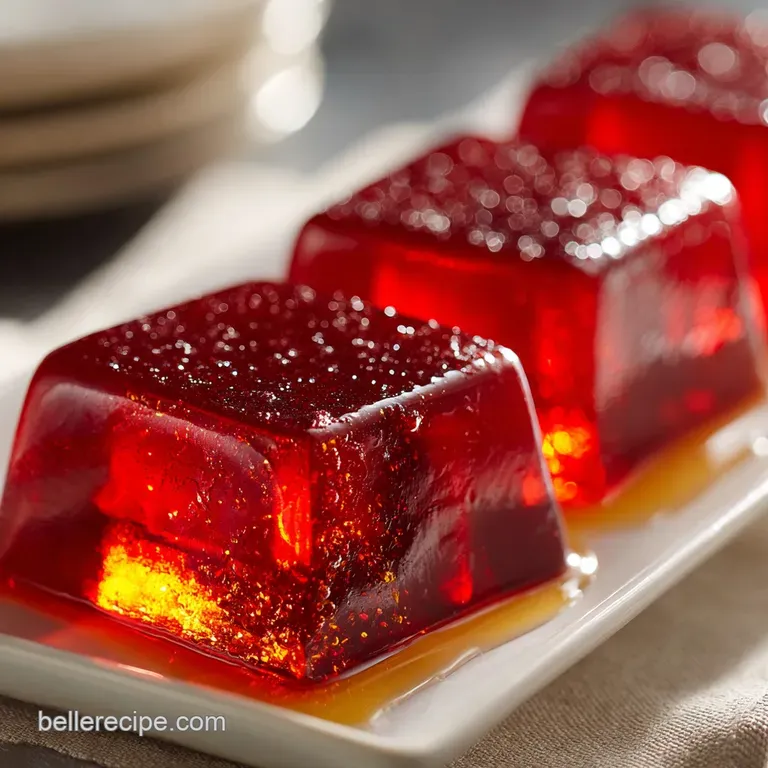
- The Ultimate Guide to Perfect Jello Jigglers
- Mastering the Jiggle: The Science Behind the Firm Texture
- Essential Ingredients for Jello Jigglers and Flavor Customization
- The Method: Step-by-Step Directions for Wobbly Treats
- Pro Tips and Troubleshooting Common Jiggler Issues
- Practical Jello Jiggler Care and Serving
- Recipe FAQs
- 📝 Recipe Card
The Ultimate Guide to Perfect Jello Jigglers
That brightly coloured wobble, the distinct, fruity sweetness, and the satisfying plink when you pop one into your mouth is there anything better? Jello Jigglers are pure, unadulterated nostalgia, tasting exactly like childhood birthday parties and summer afternoons spent trying to save the perfect star shape for last.
Seriously, who doesn't love a treat that looks just as fun as it tastes?
These classic gelatin cut-outs are a lifesaver because they require almost zero actual cooking skill, are outrageously inexpensive to make, and feed a massive crowd without breaking a sweat. It’s the ultimate easy party hack for busy parents or home cooks who just want a quick, vibrant dessert.
If you’ve ever wished your regular Jello would stop melting into a sad puddle, you’ve come to the right place.
We’re not just making standard Jello today; we are crafting structural masterpieces that hold their shape against all odds. I’m going to share the non-negotiable science that ensures you get firm, sliceable squares every single time. Let's crack on and master the Jiggle.
Mastering the Jiggle: The Science Behind the Firm Texture
The Nostalgia Factor: Why We Love Gelatin Cut-Outs
I swear, my grandmother made these Jello Jigglers every Christmas, cutting them into little pine trees and bells, and they always tasted like pure magic. They are delightfully chewy, yet they melt instantly the second they hit your tongue.
It’s the perfect combination of texture and fun that makes them completely irresistible, whether you’re eight or eighty.
What Makes a Jiggler Different from Regular Jello?
This is the big secret, the one difference that separates a sad spoonful of wobbly dessert from a firm, structural Jiggler. A standard box of Jello calls for two cups of boiling water and two cups of cold water, yielding four cups total liquid.
For jello jigglers with gelatin , we drastically reduce that liquid. This recipe uses only three cups total liquid (1.5 cups boiling, 1.5 cups cold) for two large boxes of Jello, resulting in a much higher concentration of collagen protein and sugar.
Quick Prep vs. Chill Time: A Snapshot of the Recipe
The active prep takes maybe 15 minutes, tops, and that's usually just waiting for the kettle to boil. The real challenge is the patience required for the chilling stage.
You absolutely cannot rush the refrigeration time, or you’ll end up with a sticky mess that collapses when you try to cut it. Plan to chill for at least six hours, or even better, just leave them overnight.
The Critical Water-to-Powder Ratio
We are essentially super saturating the solution. By decreasing the water, we force the gelatin molecules to form a much denser, tighter network as they cool. This is how you achieve that coveted, structural integrity needed for the classic gelatin cut-outs .
Achieving Optimal Shape Retention
If you want your stars, hearts, and bunnies to look sharp and defined, the mix needs to be thick and strong. That tighter molecule structure prevents the shapes from spreading or melting as quickly once they hit room temperature.
Chef’s Note: The key to true Jiggler excellence is achieving a visual clarity after mixing the powder. If your liquid looks cloudy or grainy, the set will be weak, and your shapes will fail.
Flavor Infusion: Selecting the Brightest Taste Profiles
Since Jigglers are eaten cold, bright, bold flavours work best. I always suggest using primary colours, like cherry (red) and lime (green), if you plan on layering or doing multi colour cut-outs, as they contrast beautifully. Skip the pale colours like peach or pear if you want maximum visual impact.
Essential Ingredients for Jello Jigglers and Flavor Customization
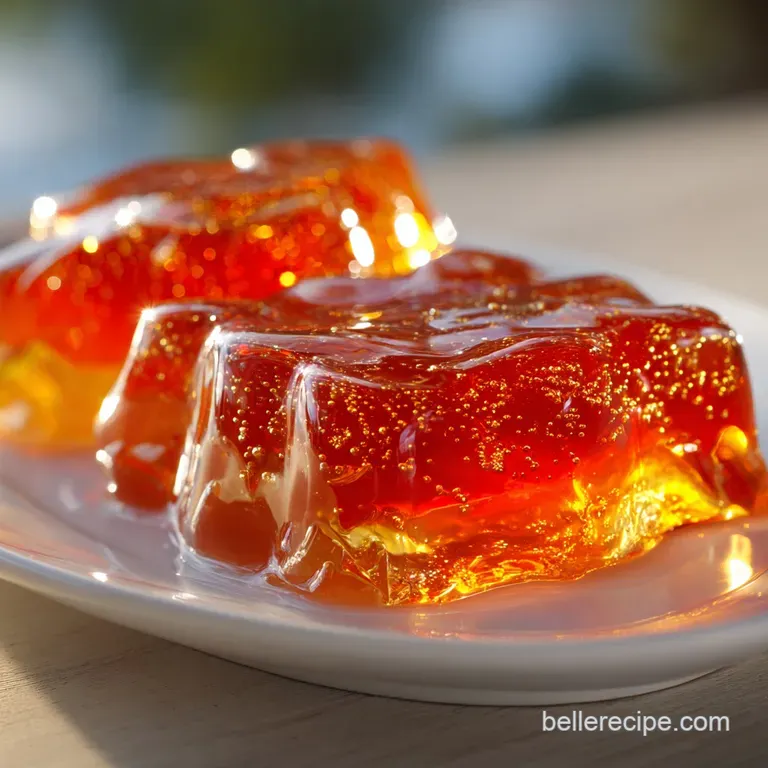
This jello jigglers recipe is wonderfully minimal, relying on simple staples you probably already have in the pantry. You really only need three things, but the quality and temperature of the water are absolutely critical for success.
Selecting Your Gelatin Base (Brands and Types)
While any generic brand works fine, I typically stick with the name brand flavored gelatin because the colors tend to be brighter and more consistent. This recipe is designed around two large 6 oz boxes of flavored powder, yielding a thick layer perfect for cutting.
| Ingredient | Substitute Suggestion | Notes |
|---|---|---|
| Flavored Gelatin Powder | sugar-free Gelatin | Use the exact same quantity (two large boxes) but adjust the cold water down by 1/4 cup if the resulting liquid seems thin. |
| Boiling Water | Hot Tap Water (Emergency only) | WARNING: If you use hot tap water, you MUST add 1 packet of unflavored gelatin (like Knox) to guarantee a firm set, as tap water rarely reaches the necessary boiling temperature for full dissolution. |
| Cold Water | White Grape or Apple Juice | Use clear juices to avoid dulling the vibrant colors. This adds a lovely, subtle layer of natural sweetness. |
Why Boiling Water is Non-Negotiable
The purpose of the boiling water isn't just to warm the mixture; it’s to instantly and thoroughly hydrate the collagen molecules in the gelatin powder. If the water isn't piping hot I mean a rolling boil you risk having undissolved granules, which translates to a weak, sticky set and grainy patches.
You definitely need that heat to make firm jello.
Substitutions for Less Sugar or Dietary Needs
If you want to make a lower sugar version, use two large boxes of sugar-free Jello. You still follow the exact same water ratio described in this firm jello recipe .
If you’re making a protein rich snack, you can use four packets of unflavored gelatin (Knox, for example) mixed with a cup of sugar and flavoured fruit cordial.
Tools Checklist: Pans, Cutters, and Prep Equipment
You don't need fancy tools, but a reliable, level pan is essential.
- A 9x13 metal or glass pan gives you the perfect depth for thick cut-outs.
- Metal cookie cutters are way better than plastic; they slice cleanly without dragging the gelatin.
- I also recommend keeping an offset spatula handy for lifting the delicate shapes easily.
The Method: step-by-step Directions for Wobbly Treats
Step 1: Combining the Gelatin and Boiling Water
First things first, prep your pan. Take your 9x13 dish and lightly mist it with non-stick spray, or wipe it down with a bit of neutral oil on a paper towel. This step is non-negotiable for easy release later, trust me.
Pour both large boxes of powder into your heat safe bowl, and then pour the 1 ½ cups of boiling water right over the top. Whisk like your life depends on it for at least two minutes until you can’t see a single granule hiding anywhere.
Step 2: Pouring and Preparing the Setting Tray
Once the mixture is crystal clear, whisk in the 1 ½ cups of cold water until fully combined. Carefully pour this bright, liquid mixture into your prepared pan. My biggest mistake when I started making these was pouring it right over the counter make sure your shelf is level before you put the pan down!
Step 3: The Crucial Chilling Duration
Transfer the pan to the fridge and don't touch it. I mean it! If you jostle it, it will set unevenly, and your final product will look wonky. Chill for a minimum of 4 hours, but really, aim for 6 hours or just let it hang out overnight until it feels completely firm and springy to the touch.
Step 4: The Art of Cutting and Unmolding
Once fully set, run a thin knife around the perimeter of the pan to break the seal. Press your metal cookie cutter straight down, applying even pressure— do not wiggle it —and lift straight up. To make life easy, slightly warm the bottom of the pan by dipping it in warm water for 10 seconds. This brief heat helps release the suction beautifully, giving you perfect jello jigglers molds without tearing the delicate edges. You can also make a fantastic adult variation, which involves adding alcohol after the first set check out my guide on Jiggle Juice: How to Make Jello Shots Like a Pro! if you are feeling extra festive.
Pro Tips and Troubleshooting Common Jiggler Issues
Preventing Stickiness: Oiling the Pan Correctly
A common pitfall is either skipping the oil or using too much. If you use too much, the jigglers swim in it. If you use too little, they stick. Always use a neutral oil (like canola or grapeseed) and apply a whisper thin layer using a paper towel.
You should feel the slickness but not see visible oil pooling.
What to Do If Your Jigglers Are Too Soft (The Texture Fix)
If you followed the directions and your jello jigglers are still too soft, you know you used too much liquid somewhere, or your water wasn't hot enough initially. The fix?
You can gently melt the mixture back down on the stovetop over low heat, whisking in half a packet of unflavored gelatin (Knox) that has been bloomed in a tablespoon of cold water, then repour and rechill.
Maximizing Yield: Efficient Cutting Strategies
Think Tetris! Start cutting shapes from one corner and work methodically across the tray, minimizing the waste between shapes. Don’t throw out the leftover scraps, though! They are perfectly edible and delicious, fantastic mixed into whipped cream or used in other fun recipes, like my Vibrant Jello Cookies: A Fun & Fruity Treat for Everyone .
Practical Jello Jiggler Care and Serving
How Long Do Jello Jigglers Last? (Refrigeration Guide)
Jigglers dry out quickly, losing their shine and softness. They are best eaten within 24 to 48 hours of cutting. Store them in an airtight container in the fridge, separated by wax or parchment paper if stacking.
They should remain good for up to 5 days, but the texture will start to degrade after day 3.
Can You Freeze Gelatin Cut-Outs?
Technically, yes, but you shouldn’t. Freezing gelatin causes the water crystals to form and break the collagen network. When you thaw them, the texture will be grainy, icy, and somewhat mushy a tragedy for such a beautiful treat.
If you have leftovers, just enjoy them cold within the next few days.
Creative Dipping Sauces and Toppings
While perfect on their own, a little dip makes them extra special.
- Sweetened Cream: A simple bowl of whipped cream, maybe flavored with a drop of vanilla extract.
- Fruit Puree: Try a smooth raspberry or strawberry puree for a tangy kick.
- Sprinkles: Before the liquid sets completely (about 30 minutes into chilling), you can lightly dust the top with colourful sprinkles.
Recipe FAQs
Why are my Jigglers too soft and wobbly, or why won't they hold a cut-out shape?
The primary cause of overly soft Jigglers is using too much cold water, diluting the crucial gelatin-to-water ratio that gives them firmness. Ensure you are strictly following the recipe's liquid measurements, which require significantly less water than standard gelatin dessert instructions.
Additionally, Jigglers must be fully chilled ideally 6 to 8 hours or overnight to achieve the necessary structural integrity for clean cutting.
How should I store leftover Jello Jigglers, and how long will they keep?
Jigglers must be stored in an airtight container within the refrigerator to prevent them from drying out or absorbing foreign odors. When properly stored, they maintain their quality and texture for three to five days. While technically edible past five days, they will begin to lose moisture and become less palatable.
Can I make Jello Jigglers suitable for vegans or vegetarians?
Yes, you can substitute traditional animal based gelatin with plant derived alternatives like agar agar powder, which provides a similar firm structure. Note that agar agar requires boiling for several minutes to fully activate, unlike gelatin which just requires hot water for dissolving.
Be mindful that agar agar sets much faster and results in a slightly firmer, less 'wobbly' final product.
When is the best time to cut the shapes, and what can I use for clean cuts?
Always wait until the Jello is completely set and thoroughly chilled before attempting to cut any shapes, or you risk deforming the product. Use metal cookie cutters that have been lightly dipped in warm water between cuts to ensure a clean, smooth release from the gelatin.
For easier handling, chill your baking pan first, which helps the gelatin release cleanly when lifting the cutouts.
Can I substitute fruit juice for the cold water in the recipe?
While you can use fruit juice for the cold liquid component to enhance or change the flavor, be aware that certain enzymes in fresh pineapple, kiwi, and papaya will prevent gelatin from setting. If using these juices, they must be boiled first to denature the enzymes.
Furthermore, replace only the cold water component; the boiling water component is essential for dissolving the gelatin powder correctly.
How do I prevent air bubbles from forming on the surface layer of the Jigglers?
Air bubbles often form during mixing or when pouring the liquid rapidly into the pan. To minimize bubbles, pour the mixture slowly down the back of a spoon into the prepared pan to break the surface tension.
Any minor bubbles that still appear can be quickly popped using the tip of a toothpick or by lightly misting the surface with cooking spray after pouring.
Can I double or triple the batch size for a large party?
Absolutely, this recipe scales very well, provided you maintain the correct ratio of gelatin to water for every batch increment. When increasing the quantity, ensure you use a larger pan with sufficient surface area so the mixture remains relatively shallow (about 1 inch deep) for uniform setting.
Large batches may also require an additional hour or two of chilling time.
Classic Jello Jigglers Cut Outs

Ingredients:
Instructions:
Nutrition Facts:
| Calories | 276 kcal |
|---|---|
| Protein | 8.3 g |
| Fat | 17.0 g |
| Carbs | 23.8 g |
