Traditional Red Sangria Recipe
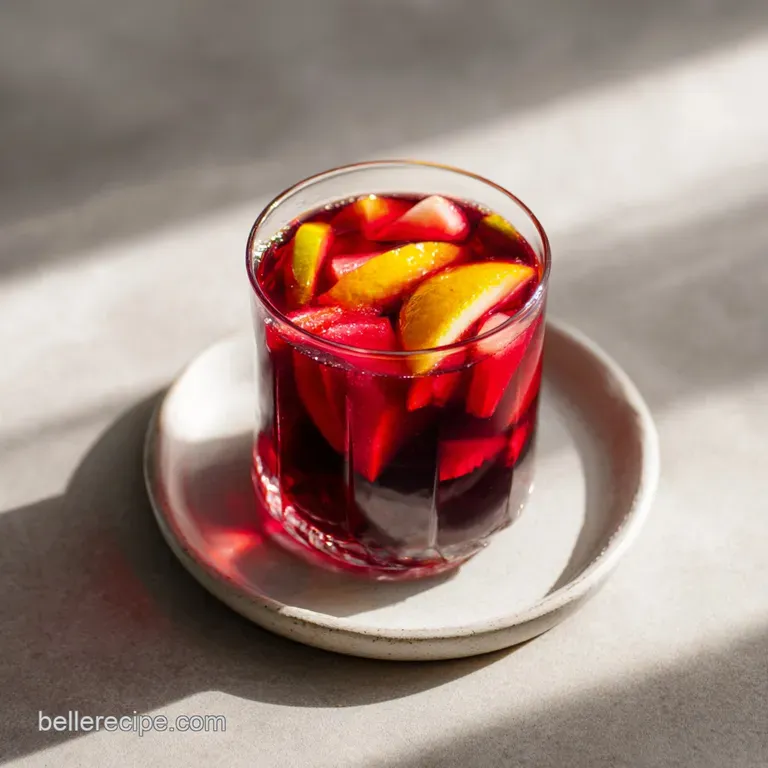
- Time: Active 15 minutes, Passive 4 hours, Total 4 hours 15 mins
- Flavor/Texture Hook: Crisp, effervescent, and deeply fruity with a velvety finish
- Perfect for: Lazy Sunday brunches, festive garden parties, or tapas nights
- Crafting the Most Refreshing Red Wine Sangria
- Why This Infusion Hits Differently
- Component Analysis for Better Flavor
- Simple Tools for Perfect Mixing
- Bringing the Elements Together
- Navigating Potential Mixing Errors
- Adjusting for Different Crowds
- Debunking Traditional Preparation Truths
- Storage and Sustainable Habits
- Creative Ways to Serve
- Recipe FAQs
- 📝 Recipe Card
Crafting the Most Refreshing Red Wine Sangria
The first time I really understood this drink wasn't at a fancy bar, but in a cramped kitchen in Madrid while rain lashed against the shutters. My friend's grandmother, Abuela Rosa, didn't just pour wine into a jug; she treated the fruit like gold.
I remember the rhythmic thud thud of her knife hitting the wooden board as she diced apples, and the sudden, bright spray of citrus oil that filled the room when she twisted an orange peel. She told me most people rush the process, but the secret is letting the fruit "weep" into the brandy.
When I tried her version, it was a revelation. It wasn't that cloyingly sweet, purple stained mess you get at tourist traps. It was sophisticated, slightly boozy, and had a crisp bite that made my tongue tingle. I've spent years recreating that specific balance of dry wine and sunshine soaked fruit.
We're moving away from the "dump and stir" method today. Instead, we're going to build layers of flavor that actually respect the wine you've bought.
Forget about those pre mixed bottles or the versions that rely on heavy corn syrup. We are going to use real Spanish brandy, a touch of orange liqueur, and just enough time in the fridge to let the chemistry do the heavy lifting. You want a drink that feels light but has enough backbone to stand up to spicy food.
Let's get that pitcher ready, because once you taste the difference a four hour steep makes, there's no going back to the instant stuff.
Why This Infusion Hits Differently
- Osmotic Extraction: Sugar draws moisture out of the apple and citrus cells, replacing it with alcohol and creating a concentrated fruit syrup.
- Tannin Softening: The four hour resting period allows the wine’s harsher tannins to mellow as they interact with the oxygen and fruit acids.
- Spirit Integration: Macerating the fruit in brandy first prevents the spirits from tasting "jagged" or separate from the wine base.
- Effervescent Preservation: Adding the sparkling water only at the final second ensures the bubbles don't dissipate during the long chilling process.
| Premium Choice | Budget Friendly | Flavor Impact | Savings |
|---|---|---|---|
| Cointreau | Triple Sec | Slightly less complex citrus | Save $15-20 |
| Lepanto Brandy | Torres 5 Brandy | Less oaky, still authentic | Save $10-12 |
| Honeycrisp Apple | Granny Smith | More tart, less sweet | Save $1-2 |
Choosing the right base is the difference between a drink that tastes like juice and one that tastes like a cocktail. While a top shelf bottle isn't necessary, the alcohol quality matters because Sangria is essentially a showcase for the wine's hidden fruit notes.
If you're on a budget, stick to a decent Spanish brandy like Torres, which provides that essential caramel undertone without breaking the bank.
Component Analysis for Better Flavor
| Ingredient | Science Role | Pro Secret |
|---|---|---|
| Dry Red Wine | Structural Base | Use Tempranillo; its low tannins prevent a "furry" mouthfeel when chilled. |
| Spanish Brandy | Fortification | Look for "Solera" on the label for a smoother, aged vanilla profile. |
| Granulated Sugar | Solubizer | Rub the sugar into the citrus peels first to release essential oils. |
| Green Apple | Texture & Acid | Keep the skin on; the polyphenols help keep the fruit chunks crisp. |
The choice of fruit isn't just about aesthetics; it's about structural integrity. A green apple provides a necessary tartness that cuts through the richness of the brandy, while the lemon slices act as a natural preservative, keeping the mixture bright.
This balance ensures that every sip is as vibrant as the first, even if the pitcher sits out for an hour.
Simple Tools for Perfect Mixing
You don't need a lab, but a tall glass pitcher is non negotiable because plastic can sometimes absorb old odors that mess with the delicate citrus notes. A long handled wooden spoon is your best friend here it’s sturdy enough to bruise the fruit slightly without shattering the slices.
I also highly recommend using a sharp chef's knife to get those apple cubes uniform; smaller pieces mean more surface area for the wine to penetrate.
If you have a citrus press for that half orange, use it. Hand squeezing is fine, but a press gets every drop of that tangy juice which acts as the "bridge" between the dry wine and the sweet liqueur. Finally,, make sure you have plenty of large ice cubes.
Small ice melts too fast, turning your hard work into a watery disappointment. Large cubes keep things frosty while maintaining the integrity of the Sangria.
Bringing the Elements Together
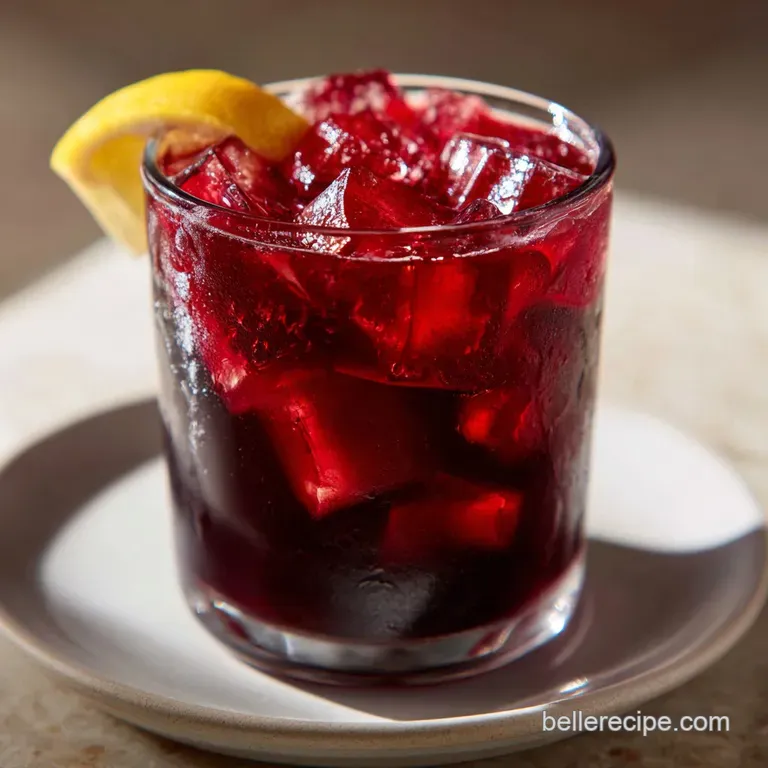
- Prep the fruit. Core and chop the green apple into 1 cm cubes. Note: Uniform cubes ensure even maceration.
- Slice the citrus. Cut half the orange and the whole lemon into thin rounds. Note: Thin slices maximize the release of oils from the zest.
- Juice the orange. Squeeze the remaining half orange into a large glass pitcher.
- Dissolve the sugar. Add 2 tbsp sugar to the orange juice and stir until the liquid looks clear and no grains remain.
- Fortify the base. Pour in 120 ml brandy and 60 ml orange liqueur.
- Macerate the fruit. Toss in the apples, orange slices, and lemon slices, stirring to coat. Note: This "boozy bath" starts the flavor extraction early.
- Add the wine. Pour in the 750 ml of dry red wine and stir gently.
- The cold cure. Refrigerate for 4 hours until the color deepens and the aroma is intoxicating.
- The final spritz. Just before serving, pour in 250 ml sparkling water.
- Garnish and serve. Fill glasses with large ice, pour the mixture, and top with a fresh mint sprig.
Chef's Tip: For a deeper flavor, try rubbing the mint leaves between your palms before adding them to the glass. This "bruising" releases the menthol oils, which provides a cooling counterpoint to the warmth of the brandy. It's a small step that makes the whole drink smell like a summer garden.
Navigating Potential Mixing Errors
Why Your Drink Tastes Bitter
If you leave the citrus slices in the wine for more than 12 hours, the white pith (the bitter part of the peel) starts to bleed into the liquid. This creates a medicinal aftertaste that sugar can't fix.
Always taste your steep at the 4 hour mark; if it’s perfect, you can strain the fruit out and add fresh slices for serving.
Why the Texture Feels Thin
A watery result usually comes from adding the sparkling water or ice too early. Carbonation dies quickly when exposed to fruit acids, and ice begins to dilute the alcohol immediately. Think of the sparkling water as the "finishing touch" it should only hit the wine seconds before the glass hits the table.
| Problem | Root Cause | Solution |
|---|---|---|
| Cloying Sweetness | Too much liqueur or over ripe fruit | Add a splash of extra lemon juice to provide acidic balance. |
| Harsh Alcohol Bite | Skipping the 4 hour rest | Let the pitcher sit; time is the only way to mellow the brandy. |
| Mushy Fruit | Using soft apples or pears | Stick to crisp varieties like Granny Smith or Pink Lady. |
The most common mistake is using a wine that is too "big" or oaky. A heavily oaked Cabernet Sauvignon will fight with the fruit and spirits, often resulting in a muddy flavor profile.
Stick to the Spanish classics like Tempranillo or Garnacha; they are naturally fruit forward and were practically born to be turned into this refreshing batch cocktail.
Common Mistakes Checklist:
- ✓ Using "cooking wine" or something you wouldn't drink straight (if it's bad alone, it's bad in a batch).
- ✓ Adding the ice directly to the pitcher (it dilutes the whole batch; add to individual glasses instead).
- ✓ Using powdered sugar (it can leave a chalky residue; granulated or simple syrup is better).
- ✓ Forgetting to wash the citrus (wax and pesticides on the skins will end up in your drink).
- ✓ Over stirring after adding the sparkling water (you'll knock out all the refreshing bubbles).
Adjusting for Different Crowds
When you need to make a massive batch for a party, don't just double everything blindly. For a 2x or 4x batch, keep the sugar and spirits at about 1.5x the original ratio first, then taste. Large volumes of liquid can sometimes make the sweetness feel overwhelming.
Also, when scaling up, use multiple smaller pitchers rather than one giant vat; it keeps the fruit to wine ratio more consistent for every guest.
If you're flying solo and want a single glass, you can cut the recipe down, but it's tricky with the fruit. I recommend making the "base" (juice, sugar, spirits, and fruit) in a small jar and keeping it in the fridge.
When you want a glass, pour 100 ml of wine, add 30 ml of your boozy fruit base, and top with a splash of soda. It's an easy way to enjoy the depth of a long steep without committing to a full bottle of wine.
| Servings | Wine Amount | Brandy/Liqueur | Fruit Needed |
|---|---|---|---|
| 4 people | 500 ml | 80 ml / 40 ml | 1 small apple, 1/2 orange |
| 7 people | 750 ml | 120 ml / 60 ml | 1 large apple, 1 orange |
| 14 people | 1.5 Liters | 200 ml / 100 ml | 2 apples, 2 oranges, 2 lemons |
Debunking Traditional Preparation Truths
One of the biggest misconceptions is that you need to use the cheapest wine possible because the fruit will cover it up. That's a total myth. While you shouldn't use a $50 bottle, a bottom shelf "jug wine" has chemical stabilizers and added sugars that become very apparent once chilled and diluted.
A mid range bottle (around $10-$15) is the sweet spot for a clean finish.
Another common belief is that you must use ginger ale or lemon lime soda for the fizz. In reality, these sodas often add too much artificial flavor and sweetness, masking the natural brightness of the grapes.
Club soda or sparkling mineral water is the professional choice because it provides the "shatter" of bubbles without altering the carefully balanced flavor profile we've built.
Storage and Sustainable Habits
Storage Guidelines: You can keep the wine and fruit mixture in the fridge for up to 48 hours. However, for the best experience, 4 to 6 hours is the "golden zone." After 24 hours, the fruit starts to lose its structural integrity and can become unpleasantly soft.
If you have leftovers, strain out the fruit and keep the liquid in a sealed glass bottle; it’ll stay fresh for another day or two.
Zero Waste Tips: Don't throw away those wine soaked apple chunks! They are incredible when chopped up and served over vanilla bean ice cream or stirred into an autumn crisp. If you have leftover citrus peels that weren't used in the pitcher, freeze them in ice cube trays with water.
These "citrus cubes" are a beautiful addition to a simple gin and tonic or a glass of iced tea later in the week.
Creative Ways to Serve
This drink pairs perfectly with my & Flavorful Gambas recipe. The garlic and chili in the prawns create a heat that is beautifully extinguished by the cold, fruity notes of the wine. If you're serving this at a party, I love setting out small bowls of extra garnishes like frozen grapes or blackberries. They act as "edible ice cubes" that keep the drink cold without adding water.
For a beautiful presentation, use wide bowled wine glasses rather than highballs. This allows the aroma of the mint and the citrus oils to reach your nose before you even take a sip. If it's a particularly hot day, pre chill your glasses in the freezer for ten minutes.
The frost on the glass against the deep red of the wine is a visual treat that makes the first sip feel even more rewarding. Enjoy the process, don't rush the steep, and remember the best part is always the boozy apple at the bottom of the glass!
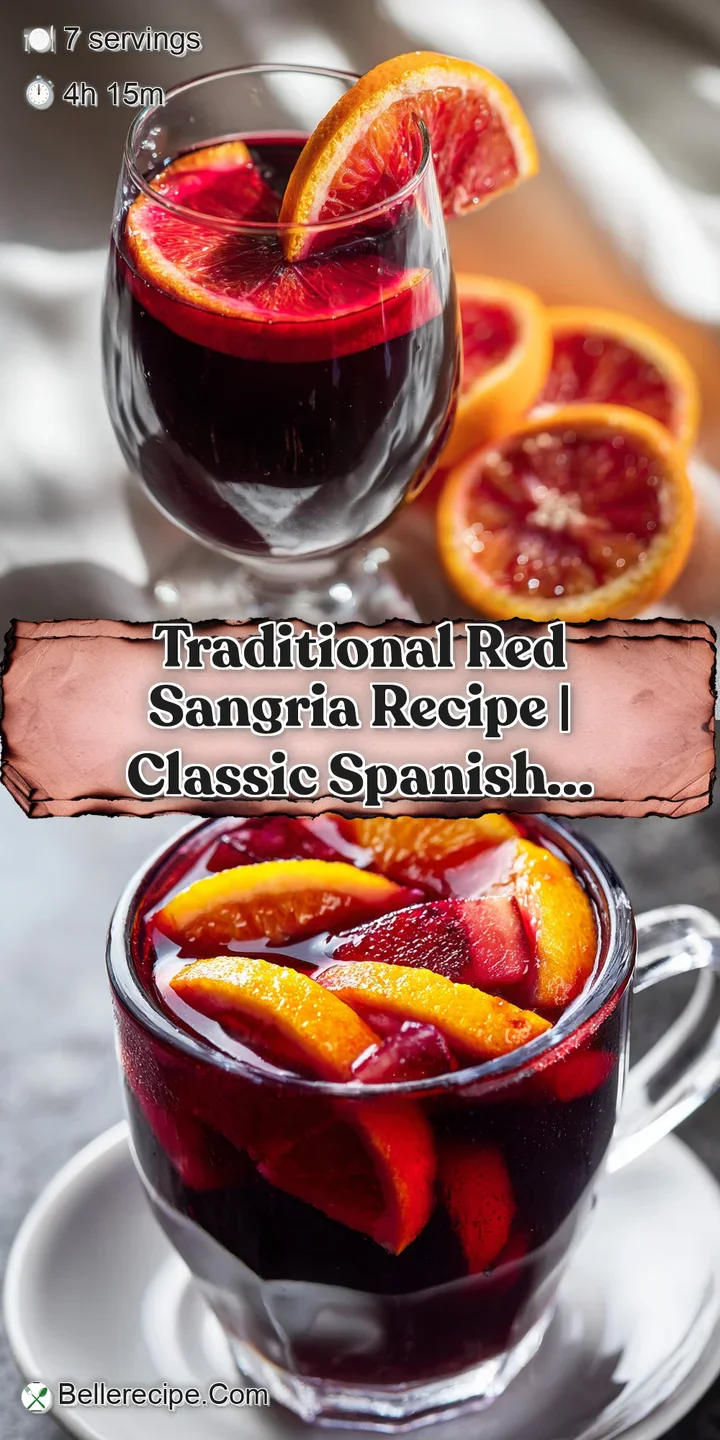
Recipe FAQs
What is a Spanish wine and fruit juice drink?
Yes, Sangria is traditionally a Spanish punch. It is a wine based beverage featuring chopped or sliced fruit and typically includes a measure of brandy or other spirits, sweetened and sometimes topped with sparkling water.
What is the secret to a great sangria?
Yes, a long, patient cold steep is the secret. Macerating the fruit in the spirits and wine base for at least four hours allows the fruit essences to fully integrate, creating a smooth, complex flavor profile.
What is the best sangria?
The best sangria balances dry wine tannins with vibrant fruit acidity. Focus on using fresh, quality ingredients like Tempranillo wine and make sure to rub the sugar into the citrus peels first to maximize oil extraction.
Which alcohol is used in sangria?
The base is always dry red wine, typically Spanish. This is fortified with Spanish Brandy, and often includes a splash of orange liqueur like Triple Sec or Cointreau for citrus depth.
Is it true I must use the cheapest wine possible for Sangria?
No, this is a common misconception. Using very cheap, low-quality wine will result in a muddy flavor because the stabilizers and off-notes become very apparent when chilled and diluted.
How to make sangria less sweet?
Add a splash of fresh lemon juice or use less liqueur. The acidity from the fresh citrus acts as a counterpoint to the sugar, brightening the flavor profile without adding more sweetness.
How long should the fruit steep in the wine mixture?
Refrigerate for a minimum of 4 hours, but not more than 24 hours. Four hours is required for flavor integration; after 24 hours, the citrus pith starts to bleed, introducing an unpleasant bitter edge.
Classic Red Sangria Recipe
Ingredients:
Instructions:
Nutrition Facts:
| Calories | 193 kcal |
|---|---|
| Protein | 0.3 g |
| Fat | 0.1 g |
| Carbs | 14.2 g |
| Fiber | 1.1 g |
| Sugar | 12.8 g |
| Sodium | 4 mg |
