Creamy Coconut Rice Recipe
- Time: Active 10 minutes, Passive 20 minutes, Total 30 minutes
- Flavor/Texture Hook: Silky, velvety grains with a subtle tropical sweetness.
- Perfect for: Spiced curries, grilled seafood, or a cozy weeknight comfort meal.
- Create a Fragrant and Creamy Coconut Rice Recipe
- Why This Recipe Just Works
- Essential Cooking Metrics
- Required Kitchen Equipment
- Practical Step-By-Step Method
- Expert Tips and Tricks
- Adjusting the Batch Size
- Exciting Flavor Twists
- Smart Storage Solutions
- Serving and Pairing Ideas
- Debunking Kitchen Myths
- Coconut Rice Recipe FAQs
- 📝 Recipe Card
Create a Fragrant and Creamy Coconut Rice Recipe
I still remember the first time I got this right. It was a Tuesday, pouring rain outside, and I was desperately trying to recreate a meal I had on a beach years ago. The first attempt? A total disaster. I ended up with a scorched pot and rice that was somehow both crunchy and greasy.
I almost gave up on the idea of making a coconut rice recipe at home until I realized I was treating the coconut milk just like water. It’s not water; it’s a living, breathing fat source that needs a little respect.
When I finally cracked the code, the aroma that filled my kitchen was mind blowing. It wasn't just the scent of rice; it was this warm, floral, and almost buttery fragrance that made the whole house feel like a sanctuary.
Watching those fluffy grains fall away from the fork each one coated in a microscopic layer of coconut silk is one of those small kitchen victories that never gets old. It’s the kind of dish that turns a basic piece of grilled chicken into a meal people actually talk about the next day.
This version is my tried and true method. It’s reflective of all those failed pots and the tiny tweaks I’ve made over the years. We’re going for that specific contrast: the richness of the milk against the lightness of the grain.
It’s mindful cooking at its best, taking five simple ingredients and transforming them into something that feels far more expensive and complicated than it actually is. Trust me, once you see how the rice absorbs that liquid, you'll never go back to plain steamed rice again.
Why This Recipe Just Works
Understanding the "how" helps us avoid those sad, sticky results we've all experienced. This coconut rice recipe succeeds because it treats the starch and fat as partners rather than enemies.
- The Lipid Starch Barrier: The fats in the coconut milk coat the individual rice grains, preventing them from clumping together into a gummy mass during the simmering process.
- Amylopectin Management: By rinsing the rice thoroughly, we remove the surface starch that would otherwise turn the coconut milk into a thick, gluey paste.
- Residual Heat Transformation: The final steam rest allows the moisture to redistribute evenly, ensuring the grains at the top are just as tender as the ones at the bottom.
- Sucrose Synergy: A tiny amount of sugar doesn't make it a dessert; instead, it acts as a bridge between the savory sea salt and the natural sweetness of the coconut.
| Method | Total Time | Texture | Best For |
|---|---|---|---|
| Stovetop | 30 minutes | Fluffy & Light | Classic texture control |
| Instant Pot | 20 minutes | Dense & Creamy | Busy weeknights |
| Rice Cooker | 35 minutes | Consistent & Soft | Set it and forget it |
Each method has its place, but I find the stovetop gives you the best sensory feedback. You can hear the gentle simmer and smell the exact moment the water has evaporated. If you find yourself in a rush, a pressure cooker is a decent backup, but for that truly velvety finish, the gentle heat of the stove is king.
Essential Cooking Metrics
When we talk about precision, we aren't just being fussy. For this coconut rice recipe, the ratios are the difference between a side dish and a soggy mess.
| Component | Science Role | Pro Secret |
|---|---|---|
| Jasmine Rice | Structural Base | Use long grain for distinct, non mushy grains. |
| Coconut Milk | Fat & Flavor | Use full fat for that specific velvety mouthfeel. |
| Sea Salt | Flavor Enhancer | Sharpness cuts through the heavy coconut lipids. |
The Grain Base
We are using 1.5 cups (300g) of Jasmine or Basmati rice. Jasmine is my personal favorite because its natural floral scent pairs so beautifully with the coconut. If you use a short grain rice, it will be far too sticky for this specific application.
Optional Flavor Aromatics
While not in the core list, I sometimes tuck a bruised stalk of lemongrass or a couple of pandan leaves into the pot. These don't change the texture, but they add a layer of complexity that makes the dish feel truly authentic.
Required Kitchen Equipment
You don't need a high end setup, but the weight of your pot matters. A thin bottomed pot will create hot spots, and since coconut milk contains sugars and fats, it’s prone to scorching.
- Heavy Bottomed Saucepan: A 2 quart pot with a tight fitting lid is the gold standard here.
- Fine Mesh Strainer: Essential for the "Triple Rinse" technique to get rid of excess starch.
- Silicone Spatula: Better than a spoon for folding the rice at the end without breaking the grains.
Chef Tip: If your lid isn't perfectly tight, place a clean kitchen towel over the pot before putting the lid on. It creates an airtight seal that traps every bit of steam for a better fluff.
Practical step-by-step Method
Let's get into the heart of the process. Follow these steps closely, and you'll have a perfect pot every time.
- Rinse the rice. Place your 1.5 cups (300g) of rice in a fine mesh strainer and run cold water over it until the water runs completely clear. Note: This prevents the rice from becoming a gummy block.
- Combine liquids. In your saucepan, whisk together 1 can (13.5 oz) of full fat coconut milk and 0.5 cup (120ml) of water.
- Season the base. Add 0.5 tsp sea salt and 1 tsp granulated sugar to the liquid mixture.
- Add rice. Tip the rinsed rice into the pot and give it one gentle stir to submerge all grains.
- Bring to boil. Heat the pot over medium high until large bubbles break the surface.
- Reduce and cover. Immediately turn the heat to the lowest possible setting and fit the lid tightly.
- Simmer. Cook for 20 minutes without lifting the lid. Do not peek.Note: Lifting the lid releases the steam necessary for even cooking.
- The Steam Rest. Remove the pot from the heat and let it sit, covered, for 10 minutes.
- Fluff. Use a fork or spatula to gently lift and separate the grains until the rice looks airy and light.
- Serve. Transfer to a bowl while it's still warm and the aroma is at its peak.
This process is very similar to how I approach the grain to liquid ratio in my family's favorite How to Cook recipe for fried rice. The goal is always distinct grains that hold their shape.
Expert Tips and Tricks
To really take this to the next level, I have a few unconventional tricks I've picked up from years of trial and error.
- The "Toast" Trick: Before adding the liquid, toss the rinsed and dried rice in the pot with a teaspoon of coconut oil for 2 minutes. This creates a nutty "shatter" on the outside of the grain.
- Freeze the Milk: If you only have half a can of coconut milk left, freeze it in ice cube trays. You can drop these directly into the boiling water for a quick flavor boost.
- The Salt Timing: Always dissolve your salt in the cold liquid before adding the rice. If you sprinkle it on top, it won't penetrate the grain, leaving the center of the rice bland.
Troubleshooting Your Rice
Why Your Rice Scorched
This usually happens because the heat was too high or the pot was too thin. Coconut milk has natural sugars that caramelize and burn much faster than plain water.
| Problem | Root Cause | Solution |
|---|---|---|
| Crunchy center | Not enough steam trapped | Add 2 tbsp hot water and rest for 5 more mins. |
| Mushy texture | Excess surface starch | Rinse rice longer next time until water is clear. |
| Burnt bottom | High heat or thin pot | Use a diffuser or a heavier pot next time. |
Common Mistakes Checklist
- ✓ Don't skip the rinse; the extra starch is the enemy of fluffy coconut rice.
- ✓ Never use "Light" coconut milk if you want that velvety restaurant quality.
- ✓ Avoid stirring the rice while it simmers; this breaks the grains and releases starch.
- ✓ Ensure the lid is tight fitting to keep the hydration levels consistent.
- ✓ Always let the rice rest for 10 minutes off the heat before fluffing.
Adjusting the Batch Size
Scaling a coconut rice recipe isn't always a 1:1 ratio. If you are doubling the recipe to 3 cups of rice, you should use 1.5x the salt and sugar rather than doubling them, or it might become over seasoned.
For the liquids, use two cans of coconut milk but reduce the added water by about 10% to account for the larger volume of steam produced in the bigger pot.
If you're cutting the recipe in half for a solo dinner, use a much smaller pot. If the pot is too wide, the liquid will evaporate before the rice can absorb it, leaving you with those dreaded crunchy centers. For a half batch, reduce the cooking time by about 3-4 minutes and check for doneness early.
Exciting Flavor Twists
Once you have the base down, you can start playing with the profile. This dish is incredibly versatile and can lean into different cultural flavors with just one or two changes.
Toasted Coconut Garnish
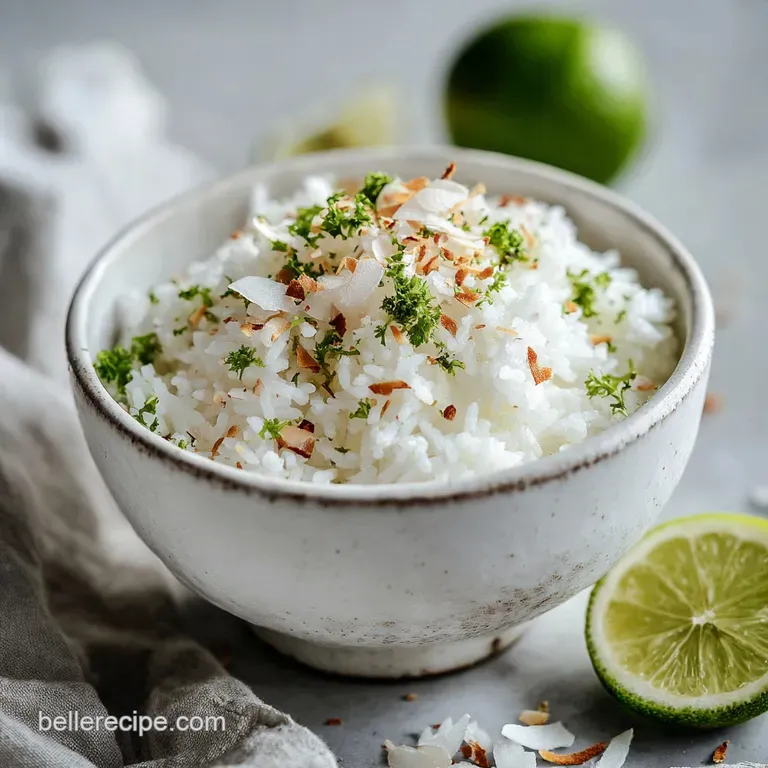
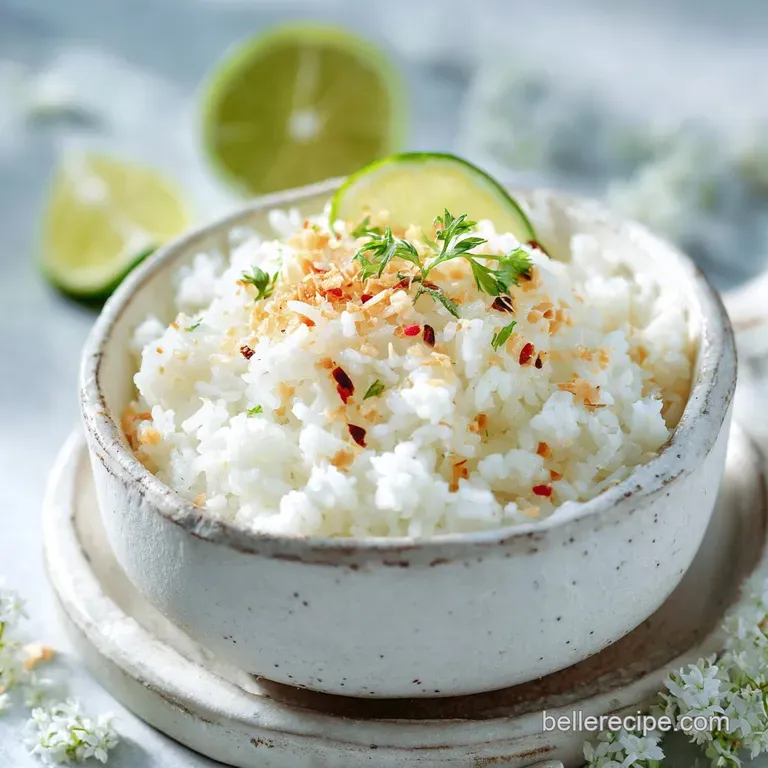
For a textural contrast, toast 1/4 cup of shredded coconut in a dry pan until golden. Sprinkle this over the finished rice. It provides a satisfying "shatter" against the soft grains.
Ginger Lime Infusion
Add three slices of fresh ginger to the pot while simmering. Once finished, stir in a squeeze of fresh lime juice. This brightness cuts through the rich fat and makes the dish feel incredibly vibrant.
Low Carb Swap
If you are looking for a lighter version, you can actually use this same flavor profile for cauliflower rice. You'll only need about 1/4 cup of coconut milk per head of cauliflower, and you'll "fry" it in the pan rather than simmering it.
Smart Storage Solutions
Coconut rice keeps surprisingly well, but you have to be careful with how you reheat it to avoid drying out the fats.
- Fridge: Store in an airtight container for up to 4 days. The coconut fat will solidify, so the rice will look like a solid block when cold.
- Freezer: You can freeze this rice for up to 3 months. I recommend freezing it in flat freezer bags so it thaws evenly.
- Reheating: Don't just microwave it dry. Add a splash of water or a tablespoon of coconut milk, cover it, and heat it gently. This restores the velvety texture.
- Zero Waste: If you have leftovers that are a bit too dry, they make the most incredible base for a sweet breakfast porridge. Just heat with a little extra milk and top with mango.
Serving and Pairing Ideas
This rice is a chameleon. It works beautifully alongside spicy dishes because the fat in the coconut milk helps neutralize the capsaicin on your tongue.
I love serving this with a spicy Thai red curry or even a simple piece of blackened salmon. If you want something truly soul warming, try pairing it with my Chicken Long Rice Recipe — the combination of the silky broth and the creamy rice is pure comfort.
The Contrast Map
- Rich/Bright: Pair the creamy rice with a zesty lime marinated shrimp.
- Sweet/Savory: Serve alongside a salty, soy based beef stir fry.
- Soft/Crispy: Use this as a bed for crispy skin duck or fried tofu.
Simple Decision Guide
- If you want a sweeter profile, add an extra teaspoon of sugar and a pinch of cinnamon.
- If you want a savory side, sauté a minced shallot in the pot before adding the rice.
- If you want a vibrant look, add 1/2 teaspoon of turmeric to the liquid for a gorgeous golden hue.
Debunking Kitchen Myths
There is a common myth that you must use boiling water to start your rice. In reality, starting with cold or room temperature liquid allows the rice to hydrate more evenly as it comes up to temperature. Another myth is that coconut milk will "break" or curdle if it boils.
While this can happen with high protein dairy, the fats in coconut milk are quite stable. A gentle boil is perfectly fine and actually necessary to get the rice cooking.
Finally, people often think you can't make "fried rice" with leftover coconut rice. You absolutely can! In fact, the fat already infused into the grains makes it even better. Just make sure it’s cold from the fridge so the grains stay separate. It’s a great way to use up extras, much like the process in my Cajun classic recipe for dirty rice, where every grain counts.
Coconut Rice Recipe FAQs
How do you make coconut rice?
Rinse 1.5 cups of jasmine rice thoroughly until the water runs clear. Combine 1 can (13.5 oz) full fat coconut milk, 0.5 cup water, 0.5 tsp sea salt, and 1 tsp sugar in a heavy bottomed saucepan. Add the rinsed rice, stir gently, and bring to a boil over medium high heat.
Immediately reduce heat to low, cover tightly, and simmer for 20 minutes without lifting the lid. Let it rest, covered, off the heat for 10 minutes, then fluff with a fork.
What are common mistakes when making coconut rice?
Not rinsing the rice is a major culprit for gummy texture, as it leaves excess starch. Using "light" coconut milk won't yield the desired creamy richness.
Also, stirring while simmering breaks the grains, and lifting the lid releases essential steam needed for even cooking.
Is coconut rice healthier than regular rice?
No, not necessarily. Coconut rice is higher in calories and fat due to the coconut milk, but it also contains beneficial fatty acids. Regular white rice is primarily carbohydrates. The health perception depends on your dietary goals and portion size.
What is the two ingredient coconut rice recipe?
This typically refers to a very simplified method using only rice and coconut milk, often with an equal ratio or slightly more liquid than rice, simmered until absorbed.
However, this often omits crucial elements like salt for flavor balance and proper rinsing, which can lead to less flavorful or optimally textured results compared to a more complete recipe.
Can I use a rice cooker for coconut rice?
Yes, a rice cooker works well for coconut rice, offering convenience and consistent results. Follow the same liquid ratios as you would for stovetop cooking and use the standard "cook" setting. If you enjoyed mastering the liquid-to-grain ratio here, apply the same precision to your How to Make Delicious Roasted Almonds with Tangy Asian Sauce by understanding how liquid affects texture.
Why is my coconut rice mushy?
Excess starch is the most likely cause for mushy coconut rice. Ensure you rinse your rice thoroughly until the water runs completely clear. Using the wrong type of rice, like short grain, can also contribute to a stickier, mushier outcome.
What kind of coconut milk should I use?
Always opt for full fat canned coconut milk for the best flavor and creamy texture. Light coconut milk contains less fat and will result in a less rich, watery dish, similar to how using a lower fat content in Best Teriyaki Sauce Recipe KnockYourSocksOff Homemade would dilute the flavor.
Coconut Rice Recipe
Ingredients:
Instructions:
Nutrition Facts:
| Calories | 475 kcal |
|---|---|
| Protein | 7.3 g |
| Fat | 21.5 g |
| Carbs | 63.8 g |
| Fiber | 1.2 g |
| Sugar | 2.1 g |
| Sodium | 288 mg |
