Cranberry Orange Scones: Tender and Flaky
- Time: Active 15 minutes, Passive 18 minutes, Total 33 minutes
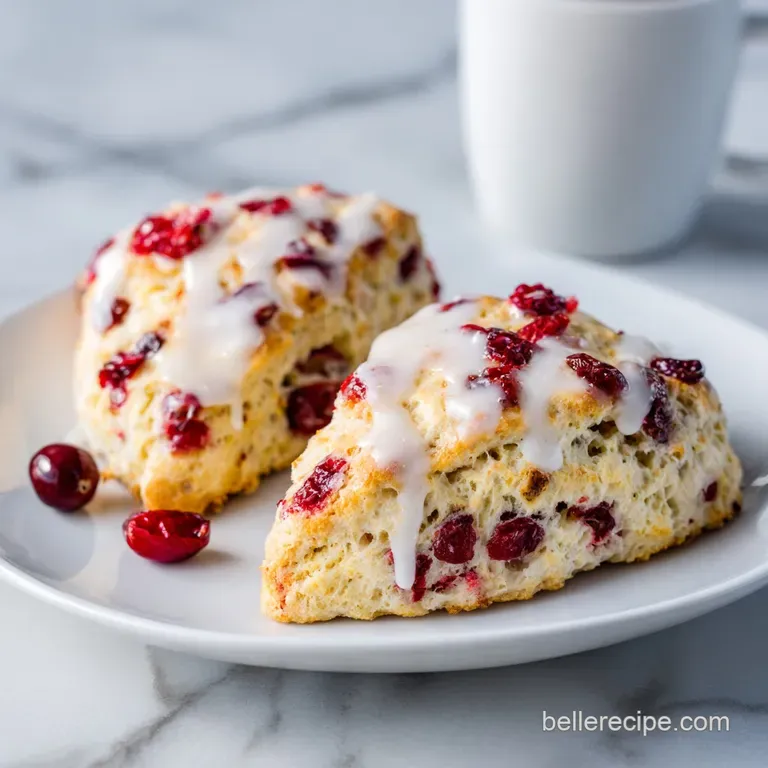
- Flavor/Texture Hook: A shatter crisp exterior with a velvety, orange scented center
- Perfect for: Slow weekend mornings or a comforting mindful baking session
- The Starbucks Cranberry Orange Scones Copycat Recipe
- The Secrets to a Tender Crumb
- Essential Ingredient Deep Dive
- Gathering Your Mindful Baking Essentials
- Minimal Tools for Maximum Results
- Detailed Baking Steps for Success
- Fixing Common Scone Baking Hurdles
- Adjusting the Batch Size
- Debunking Common Scone Assumptions
- Storing and Reheating for Freshness
- Recipe FAQs
- 📝 Recipe Card
The Starbucks Cranberry Orange Scones Copycat Recipe
The scent of fresh orange zest being rubbed into granulated sugar is one of those kitchen moments that feels like a warm hug. You know that bright, zingy aroma that instantly wakes up your senses? That’s where this journey starts.
Most people think making scones is a fussy, technical ordeal that requires a pastry chef's touch, but I’m here to tell you that’s just not true. You don’t need a fancy stand mixer or a culinary degree to get that signature Starbucks texture. In fact, the less you do, the better they usually turn out.
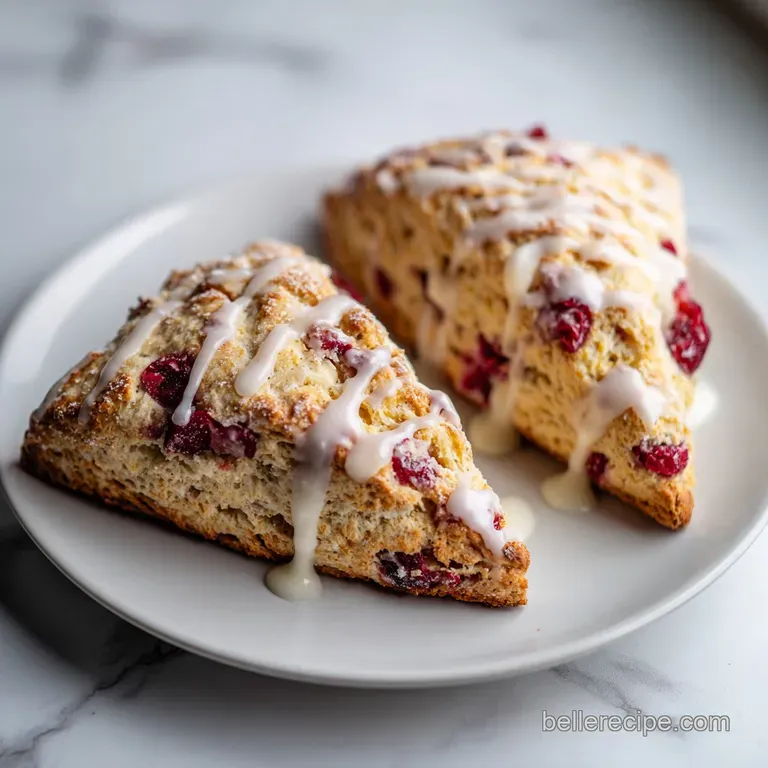
We’ve all had those scones that are essentially sweetened hockey pucks dry, crumbly, and needing a gallon of tea just to swallow. Forget everything you know about those bricks. A real scone should have a delicate, flaky interior that almost melts away, paired with a crust that has a slight, sugary snap.
It’s about being mindful with your ingredients and treating the dough with a little bit of gentleness. This Starbucks cranberry orange scones copycat recipe is my favorite way to bring a little bit of sunshine into the kitchen on a gray morning.
When I first started baking these, I thought I had to knead the dough like bread. That was my biggest mistake. The secret isn't in the strength of your hands; it’s in the temperature of your butter and the restraint you show when mixing.
We are going to use simple, honest ingredients just flour, butter, cream, and fruit and turn them into something that feels special enough to share with your favorite neighbor or tuck into a lunchbox for a mid day treat.
The Secrets to a Tender Crumb
Frozen Fat Pockets: By grating frozen butter, we create tiny, cold beads that stay solid until they hit the hot oven, where they melt and release steam to create flaky layers.
Sugar Infusion: Rubbing zest into sugar breaks open the citrus oil glands, distributing the orange scent much more effectively than just tossing the zest into the flour.
Gentle Hydration: Using a high fat liquid like heavy cream prevents the flour from becoming too tough, ensuring a velvety texture rather than a bread like one.
Minimal Gluten Development: Folding the dough just until it holds together keeps the protein strands short, which is why these scones stay so soft and light.
| Method | Prep Time | Texture Result | Best Used For |
|---|---|---|---|
| Hand Rubbed Butter | 20 minutes | Sandy, shortbread like | Traditional English scones |
| Grated Frozen Butter | 15 minutes | Flaky, layered, tall | Starbucks style copycats |
| Food Processor | 10 minutes | Uniform, less flaky | Quick batch for large groups |
It is truly fascinating how a simple change in the temperature of your fat can completely alter the architecture of a baked good. When the butter stays cold, it acts as a physical barrier between the layers of flour, which is what we want for that iconic shatter.
Essential Ingredient Deep Dive
| Ingredient | Science Role | Pro Secret |
|---|---|---|
| Unsalted Butter (115g) | Steam creation and flavor | Freeze it for 2 hours before grating to keep it from melting in your hands. |
| Baking Powder (1 tbsp) | Chemical leavening | Always check the expiration date; fresh powder is the difference between a lift and a flat scone. |
| Heavy Cream (240ml) | Fat and moisture | The high fat content coats the flour particles, which helps stop the gluten from getting too "stretchy." |
| Orange Zest (1 tbsp) | Essential oil delivery | Use a microplane for the finest texture, making sure to avoid the bitter white pith. |
Choosing the right components is the foundation of any comforting bake. When you use 420g of all purpose flour, you're providing enough structure to hold the fruit, but it's the 115g of frozen butter that really does the heavy lifting for the texture.
Gathering Your Mindful Baking Essentials
- 420g all purpose flour: Why this? Provides the structure without making the scones too heavy or dense like bread flour.
- Substitute: 1:1 gluten-free baking blend for a similar crumb.
- 100g granulated sugar: Why this? Adds sweetness and helps create those golden, crispy edges we love.
- Substitute: Light brown sugar for a deeper, more caramel like flavor profile.
- 1 tablespoon baking powder: Why this? This is a large amount, but it's necessary to lift the heavy cream and fruit.
- Substitute: 1 teaspoon baking soda plus 2 teaspoons cream of tartar.
- 0.5 teaspoon salt: Why this? It brightens the orange and balances the sweetness of the dried cranberries.
- Substitute: Sea salt or pink Himalayan salt for a subtle mineral note.
- 115g unsalted butter, frozen: Why this? The "engine" of flakiness; it must be cold to create steam pockets.
- Substitute: Frozen coconut oil (solid) for a dairy-free fat alternative.
- 125g dried cranberries: Why this? Provides a chewy, tart contrast to the buttery, sweet scone dough.
- Substitute: Dried cherries or even blueberries if you want to change the fruit.
- 1 tablespoon orange zest: Why this? Essential for that signature Starbucks aroma and bright citrus flavor.
- Substitute: 1 teaspoon orange extract if fresh oranges aren't available to you.
- 240ml heavy cream, cold: Why this? Adds the necessary richness and moisture for a velvety interior texture.
- Substitute: Full fat canned coconut milk for a dairy-free, creamy option.
- 1 tablespoon heavy cream (for brushing): Why this? Helps the tops brown beautifully and creates a surface for the glaze to grip.
- Substitute: Milk or an egg wash for a shinier, more golden finish.
- 1 large egg, cold: Why this? Acts as a binder and adds a bit of richness and lift to the dough.
- Substitute: 1/4 cup of plain yogurt if you are avoiding eggs in your baking.
- 1 teaspoon vanilla extract: Why this? Rounds out the flavors and makes the orange taste even more "gourmet."
- Substitute: Almond extract for a nutty, more intense aroma that pairs well with fruit.
- 120g powdered sugar: Why this? The base for the glaze; it dissolves quickly into a smooth, sweet coating.
- 3 tablespoons fresh orange juice: Why this? Thins the glaze and adds a punch of fresh acidity and sweetness.
- 1 teaspoon orange zest (for glaze): Why this? Adds visual appeal and a final burst of citrus oil to every single bite.
Minimal Tools for Maximum Results
I am a big believer that you don't need a kitchen full of gadgets to make something wonderful. For this copycat recipe, a simple large mixing bowl and a sturdy box grater are your best friends.
The box grater is actually my "secret weapon" it handles the frozen butter perfectly, creating those small shards that distribute evenly through the flour without the risk of over mixing.
You'll also want a baking sheet and some parchment paper. If you don't have parchment, a silicone mat works just as well. I often use a simple bench scraper or even a large knife to cut the wedges. It's about using what you have and enjoying the process. If you're feeling adventurous with your flavor pairings, you might even consider serving these alongside a refreshing homemade Pink Drink for a full cafe experience at home.
Detailed Baking Steps for Success
- Preheat your oven to 400°F (200°C). Combine the 100g granulated sugar and 1 tablespoon orange zest in a large bowl. Rub the zest into the sugar with your fingertips until it smells intensely like a citrus grove. Note: This releases the oils and flavors the entire scone.
- Whisk in the 420g flour, 1 tablespoon baking powder, and 0.5 teaspoon salt into the sugar mixture until everything is well combined and fluffy.
- Using the coarse side of a box grater, grate the 115g frozen butter directly into the bowl. Toss the butter shards gently with a fork until every piece is lightly coated in flour.
- Gently stir in the 125g dried cranberries, making sure they are distributed evenly throughout the dry mix so every bite has fruit.
- In a separate small bowl, whisk the 240ml heavy cream, the cold egg, and 1 teaspoon vanilla extract until smooth.
- Pour the cream mixture into the flour and fold gently with a spatula until a shaggy dough forms and no dry flour remains at the bottom. Note: Do not overwork the dough; it should look a bit messy.
- Turn the dough onto a lightly floured surface. Pat it into a circle about 1 inch thick. Cut the circle into 12 even wedges using a sharp knife or bench scraper.
- Place the wedges on a parchment lined baking sheet, leaving about 2 inches between them. Brush the tops with the extra tablespoon of cream.
- Bake for 18 minutes until the edges are golden brown and the tops feel set to the touch.
- Whisk the 120g powdered sugar, 3 tablespoons orange juice, and the remaining 1 teaspoon zest. Drizzle this glaze over the scones once they have cooled for at least 10 minutes.
Fixing Common Scone Baking Hurdles
Why Your Scones Spread Too Much
If your scones come out of the oven looking like flat puddles instead of tall, proud wedges, the culprit is almost always warmth. If the butter melts before the dough sets in the oven, the structure collapses. To fix this, ensure your butter is truly frozen and your cream is ice cold.
If you find your kitchen is quite warm, pop the shaped wedges into the freezer for 10 minutes before you slide them into the oven. This "cold shock" helps the scone rise upward instead of outward.
Eliminating Dry Crumbly Centers
A scone that falls apart into dry dust is usually a sign of over baking or too much flour. When measuring your 420g of flour, try to use a scale rather than a cup, as it's easy to pack too much into a measuring cup. Also, watch that 18 minute timer closely.
The scones will continue to cook slightly from the residual heat once they are out of the oven, so you want to pull them when they are just golden.
| Problem | Root Cause | Solution |
|---|---|---|
| Tough or gummy texture | Over mixing the dough | Stop mixing as soon as the flour disappears; it's okay if it looks lumpy. |
| No golden color on top | Oven temperature too low | Ensure your oven is fully preheated to 400°F (200°C) before baking. |
| Bitter aftertaste | Grating the orange pith | Only use the bright orange outer layer of the skin, not the white part underneath. |
Common Mistakes Checklist:
- ✓ Always use frozen butter; cold butter from the fridge isn't quite enough for maximum lift.
- ✓ Resist the urge to knead the dough; folding is much gentler on the gluten.
- ✓ Check your baking powder freshness by dropping a pinch in hot water it should bubble immediately.
- ✓ Don't skip the cream brush on top; it’s what gives that lovely rustic, golden finish.
- ✓ Let the scones cool slightly before glazing, or the icing will just run off and disappear.
Adjusting the Batch Size
Scaling Down: If you only want 6 scones, you can easily halve the recipe. Use 210g flour, 50g sugar, and about 57g of butter. For the egg, whisk it in a small bowl and use exactly half.
Reduce the baking time by about 2-3 minutes, as smaller batches can sometimes cook a bit faster in a standard oven.
Scaling Up: If you are baking for a crowd, you can double the recipe to make 24 scones. However, I recommend making two separate batches of dough rather than one giant one. Large amounts of dough are harder to mix gently, which can lead to over working and tough scones.
If you do double the liquids, reduce the total liquid amount by about 10% to ensure the dough doesn't become too sticky to handle.
If you find yourself with extra orange zest or juice, you can always use those leftovers to make a batch of traditional hand cut orange marmalade, which tastes incredible smeared on these scones.
| Original Batch (12) | Half Batch (6) | Double Batch (24) |
|---|---|---|
| 420g Flour | 210g Flour | 840g Flour |
| 115g Butter | 57g Butter | 230g Butter |
| 18 mins Cook | 15-16 mins Cook | 20-22 mins Cook |
Debunking Common Scone Assumptions
One of the biggest myths is that you need to use "cake flour" to get a soft scone. In reality, all purpose flour is perfect because it has just enough protein to hold the heavy dried cranberries without collapsing.
Another misconception is that scones are just "triangular biscuits." While they are related, scones rely on eggs and heavy cream for a richer, more cake like crumb, whereas biscuits are usually leaner and more savory.
Finally, many people believe that you must eat scones immediately or they become inedible. While they are certainly best fresh, the heavy cream in this recipe provides enough fat to keep them moist for a couple of days if stored correctly. You don't have to rush; you can savor them.
Storing and Reheating for Freshness
Storage: These scones stay fresh at room temperature for about 2 days if kept in an airtight container. If you want them to last longer, you can keep them in the fridge for up to 5 days, though the texture will firm up quite a bit.
Freezing: Scones freeze beautifully! You can freeze the unbaked wedges on a tray, then transfer them to a freezer bag for up to 3 months. Bake them straight from frozen, adding an extra 2-3 minutes to the cook time.
Alternatively, freeze baked (unglazed) scones and thaw them at room temperature before refreshing them in the oven.
Zero Waste: If you find yourself with a few leftover scones that have gone a bit stale, don't throw them away! They make an incredible "scone pudding." Simply tear them into chunks, soak them in a custard of milk and eggs, and bake until golden. You can also use the leftover orange peels to make candied zest or toss them into a pot of simmering water with a cinnamon stick to make your house smell like a dream. For a truly luxurious breakfast, try serving a warm scone with a dollop of silky pistachio butter for a unique twist on the classic spread.

Recipe FAQs
What ingredients are required for these scones?
This recipe uses high-quality staples. You will need 420g all-purpose flour, 100g granulated sugar, 1 tablespoon baking powder, 0.5 teaspoon salt, 115g frozen unsalted butter, 125g dried cranberries, 2 tablespoons total orange zest, 240ml plus 1 tablespoon heavy cream, one large egg, 1 teaspoon vanilla
extract, 120g powdered sugar, and 3 tablespoons fresh orange juice.
What is the 15 minute rule for baking scones?
It refers to the recommended prep time. You need 15 minutes to zest, grate the frozen butter, and combine the ingredients before the scones hit the 400°F oven for their 18-minute bake.
Is it true that a professional bakery must make these?
No, this is a common misconception. You can achieve a bakery quality crumb at home by using frozen butter and keeping your heavy cream and egg cold to ensure flaky, distinct layers.
Does Starbucks still carry the cranberry orange flavor?
Availability varies by location and season. Since menu items rotate frequently, making this copycat version at home is the most reliable way to enjoy them year round.
How to keep the scone dough from becoming tough?
Fold the ingredients gently until just combined into a shaggy dough. Overworking the flour develops gluten, which creates a dense, bread like texture rather than the desired light, tender crumb. If you enjoyed learning how to balance textures here, you can apply similar sensitivity when whisking our Fuzzy Navel for the perfect consistency.
How to handle frozen butter for the best results?
Grate the frozen butter directly into the flour using the coarse side of a box grater. This technique ensures the butter remains in small, even pieces that melt during the bake, creating the signature flaky pockets found in professional scones.
How to bake these scones if they are frozen?
Place the unbaked wedges directly onto the baking sheet and add 2 to 3 minutes to the total bake time. Ensure your oven remains at 400°F so the exterior sets properly while the cold center finishes baking through.
Cranberry Orange Scones Recipe
Ingredients:
Instructions:
Nutrition Facts:
| Calories | 382 kcal |
|---|---|
| Protein | 4.8g |
| Fat | 16.4g |
| Carbs | 55.2g |
| Fiber | 1.6g |
| Sugar | 26.1g |
| Sodium | 154mg |
