Crustless Quiche Recipe with Cottage Cheese Custard
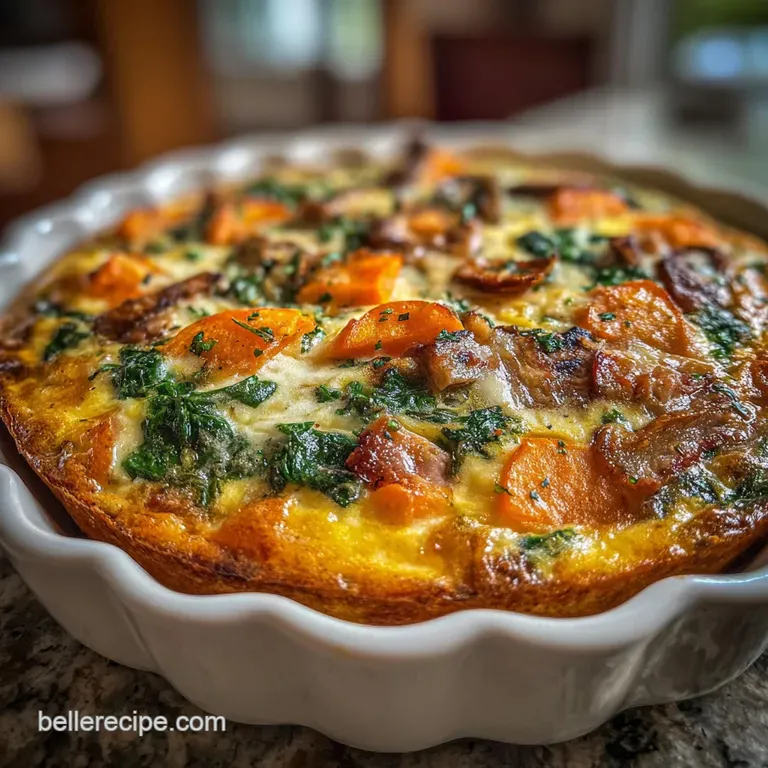
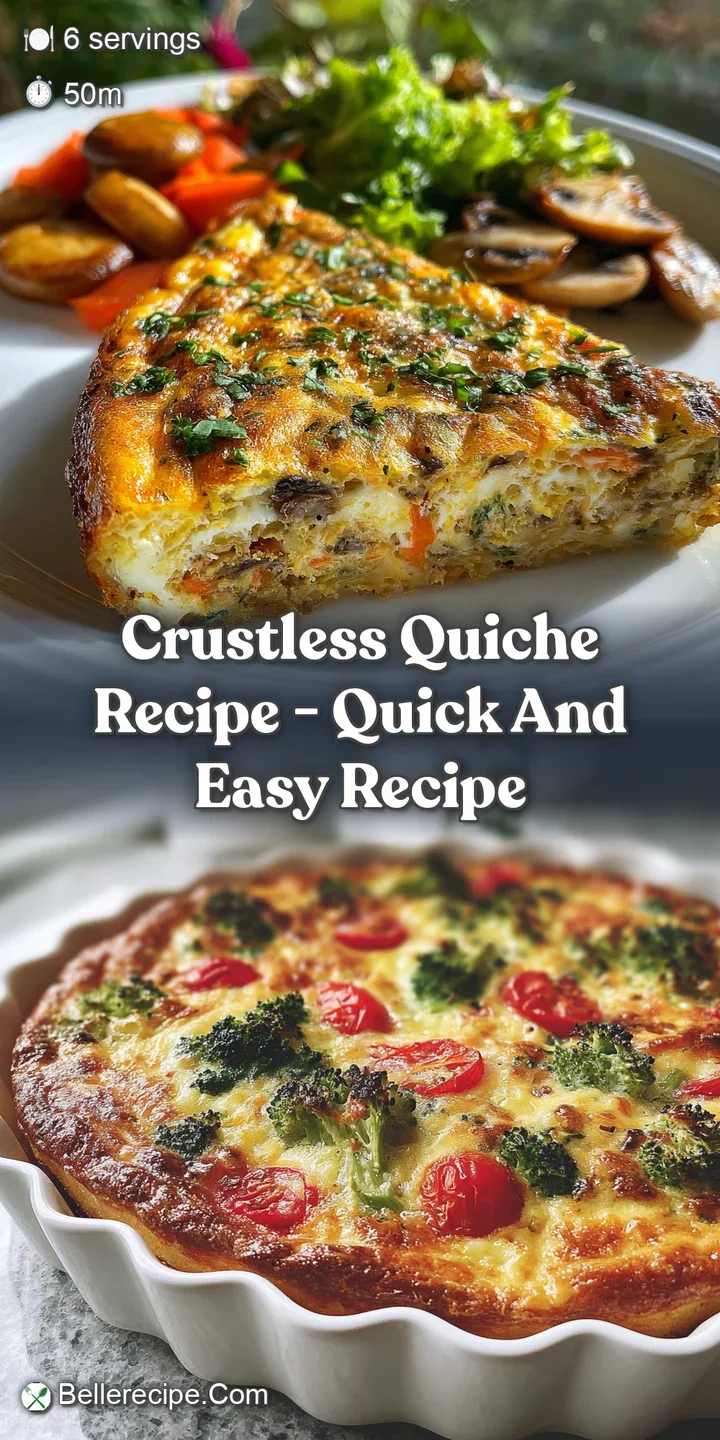
- Time: Active 15 minutes, Passive 35 minutes, Total 50 minutes
- Flavor/Texture Hook: Velvety custard with sharp cheddar notes
- Perfect for: High protein meal prep or Sunday brunch
- My Go To High Protein Crustless Quiche Recipe
- Reasons This Dish Is Comfort
- Essential Stats For Success
- Fresh Elements And Smart Swaps
- Tools For A Silky Result
- Simple Steps To Golden Glory
- Fixing Your Soggy Texture Issues
- Flexible Ways To Customize Flavors
- Keeping Your Leftovers Tasting Fresh
- Sides That Complete The Meal
- Recipe FAQs
- 📝 Recipe Card
My Go To High Protein Crustless Quiche Recipe
I remember the first time I tried to skip the pastry. I was standing in my kitchen on a rainy Tuesday, craving that velvety egg texture but honestly, I didn't have the patience to chill dough for two hours. I threw some eggs and greens into a pan, and the result was... well, it was a watery mess.
The spinach had "wept" all over the eggs, and the texture felt more like a sponge than a custard.
It was a total disaster, but it taught me the most important lesson about this crustless quiche recipe. You can't just remove the crust and hope for the best, you have to compensate for the missing structure.
Now, every time I pull this out of the oven, the aroma of toasted nutmeg and sharp white cheddar fills the house, and I get that beautiful golden wobble that tells me the center is just right.
Trust me on this, once you nail the moisture balance, you'll never miss the floury bottom. We're going for a texture that feels substantial enough to slice cleanly but still melts in your mouth like a dream.
It’s about taking those simple fridge staples and treating them with a little bit of science backed love to get a result that feels fancy without the fuss.
Reasons This Dish Is Comfort
This recipe relies on a specific ratio of fats and proteins to ensure it doesn't turn into a rubbery omelet. By focusing on high-quality pasture raised eggs and full fat dairy, we create a rich environment where the vegetables can shine without making the whole thing soggy.
- The Cottage Cheese Lattice: Using 1 cup full fat cottage cheese acts as a hidden structural support system, adding moisture and protein while helping the eggs set into a dense, creamy block rather than a porous sponge.
- Nutmeg Synergy: A tiny 0.25 tsp ground nutmeg doesn't make it taste like dessert, instead, it cuts through the sulfurous notes of the eggs and amplifies the savory "umami" of the white cheddar.
- Hydration Management: Finely chopping the 1 cup small broccoli florets allows them to cook through in the residual heat of the eggs, ensuring they stay tender crisp rather than releasing excess water into the custard.
- Carryover Coagulation: The recipe finishes setting outside the oven, allowing the egg proteins to finish bonding gently, which prevents that grainy, overcooked texture.
Choosing Your Best Method
| Method | Time | Texture | Best For |
|---|---|---|---|
| Standard Oven | 35 minutes | Uniformly silky | Classic brunch presentation |
| Air Fryer | 22 minutes | Extra golden top | Quick weekday meal prep |
| Muffin Tin | 18 minutes | Firm and portable | On the-go breakfast bites |
If you love the savory, spiced profile of this bake, you might also enjoy the depth of flavors in The Homemade Chicken recipe, which uses similar creamy techniques to create a comforting dinner.
Essential Stats For Success
Understanding the "how" behind your ingredients makes you a better cook. When we skip the crust, we lose the barrier that protects the eggs from the direct heat of the pan, so the ingredients themselves have to do the heavy lifting.
The Science of the Custard Set
The secret to this crustless quiche recipe lies in the emulsion of heavy cream and cottage cheese. When eggs cook, their proteins uncoil and then bond together, trapping liquid in a grid.
If they cook too fast, they squeeze the liquid out - that's why overcooked eggs "leak." The fats in the 1 cup heavy cream act as a lubricant, slowing down this bonding process to keep the texture velvety and smooth.
| Component | Science Role | Pro Secret |
|---|---|---|
| 6 Large Eggs | Primary Binder | Use room temperature eggs to prevent the heavy cream from seizing during the whisking process. |
| Heavy Cream | Fat Emulsifier | Fat coats the egg proteins, preventing them from bonding too tightly and becoming rubbery. |
| Cottage Cheese | Structural Protein | Don't drain it, the whey helps create a "lift" in the oven for a fluffier mouthfeel. |
Fresh Elements And Smart Swaps
To get the best results, stick to the quantities in the official list. Using 6 large pasture raised eggs provides the rich golden color and superior fat content that cheap eggs often lack.
For the greens, the 2 cups fresh baby spinach need to be roughly chopped so you don't end up with long, stringy bites in your custard.
- 6 large pasture raised eggs Why this? Richer yolks create a more stable and colorful custard base.
- 1 cup heavy cream Why this? High fat content ensures a silky texture that doesn't weep.
- 1 cup full fat cottage cheese Why this? Adds incredible protein and creates a sturdy, sliceable structure.
- 0.5 tsp kosher salt
- 0.25 tsp freshly cracked black pepper
- 0.25 tsp ground nutmeg Why this? The "secret" ingredient that makes egg dishes taste professionally made.
- 2 cups fresh baby spinach, roughly chopped
- 1 cup small broccoli florets, finely chopped Why this? Small pieces ensure even cooking without pre steaming the vegetables.
- 1 cup sharp white cheddar cheese, shredded
- 2 green onions, thinly sliced
- 1 tbsp unsalted butter
| Original Ingredient | Substitute | Why It Works |
|---|---|---|
| Heavy Cream | Whole Milk + 1 tbsp melted butter | Mimics the fat content but results in a slightly softer, less rich set. |
| Cottage Cheese | Ricotta Cheese | Similar moisture levels. Note: Ricotta is smoother and less salty than cottage cheese. |
| Sharp White Cheddar | Gruyère | Traditional for quiche. Adds a nutty, sophisticated flavor profile. |
| Baby Spinach | Lacinato Kale | Higher fiber. Note: Must be sliced very thin as kale is much tougher than spinach. |
Tools For A Silky Result
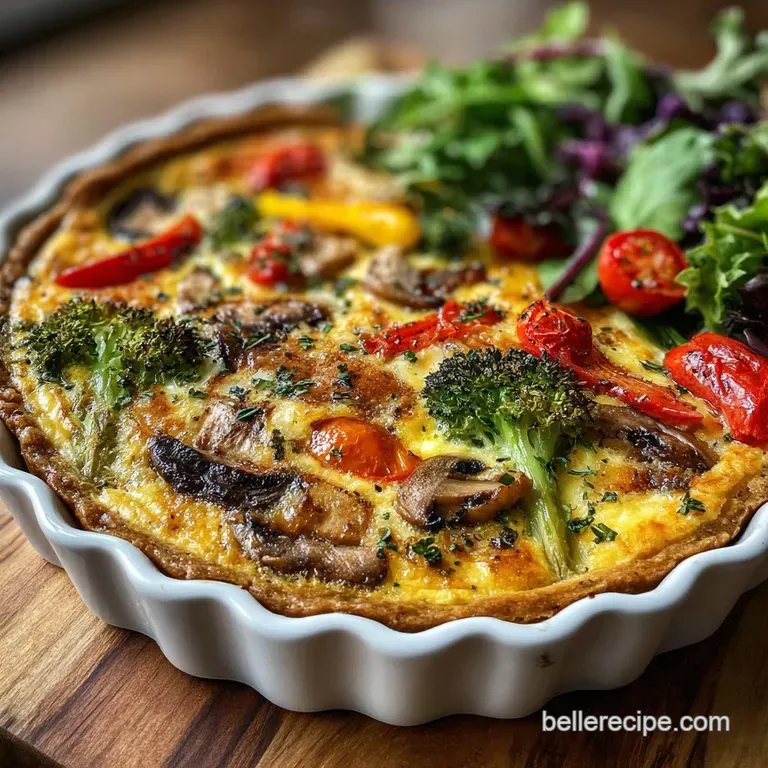
You don't need a pantry full of gadgets, but a few basics will make your life easier. A 9 inch ceramic pie dish is my favorite because it holds heat evenly, preventing the edges from overcooking before the center sets.
- 9 inch Pie Dish: Ceramic or glass works best for even heat distribution.
- Large Mixing Bowl: Plenty of room for vigorous whisking.
- Whisk: Crucial for aerating the eggs and incorporating the cottage cheese.
- Sharp Chef’s Knife: Necessary for getting those broccoli florets tiny.
- Rubber Spatula: For folding in the greens without crushing them.
Chef's Tip: Grease your pie dish with the 1 tbsp unsalted butter even if it's non stick. The butter solids brown slightly against the eggs, creating a savory "crust" of flavor that replaces the missing pastry.
Simple Steps To Golden Glory
1. Prepping the Base
Preheat your oven to 175°C (350°F). Generously grease your 9 inch pie dish with the 1 tbsp unsalted butter. Ensure the butter reaches all the way up the sides to prevent sticking later.
2. Whisking the Liquid
In a large bowl, whisk the 6 large pasture raised eggs until the yolks and whites are completely unified. This prevents white streaks in your final dish.
3. Adding the Dairy
Whisk in the 1 cup heavy cream and 1 cup full fat cottage cheese. Note: It will look lumpy because of the cottage cheese curds, and that is perfectly normal.
4. Seasoning the Custard
Stir in the 0.5 tsp kosher salt, 0.25 tsp freshly cracked black pepper, and 0.25 tsp ground nutmeg. Note: Nutmeg is potent, so stick to the measurement.
5. Preparing the Vegetables
Roughly chop the 2 cups fresh baby spinach and finely chop the 1 cup small broccoli florets. Note: Make the broccoli pieces about the size of a pea for the best texture.
6. Folding in Solids
Fold the spinach, broccoli, 1 cup sharp white cheddar, and 2 green onions into the egg mixture. Stir until the vegetables are evenly distributed.
7. The Pour
Pour the mixture into your prepared pie dish. Use a fork to gently nudge the vegetables so they aren't all clumped in the center.
8. The Bake
Bake for 35 minutes until the edges are slightly puffed and golden. The center should still have a slight jiggle when you gently shake the pan.
9. The Rest
Remove from the oven and let it sit for at least 10 minutes. This is non negotiable! The carryover heat finishes the setting process and makes it easier to slice.
If you enjoy the creamy, emulsified texture of this custard, you might find that the technique of balancing fats is very similar to making a high-quality Tartar Sauce Recipe for your next seafood dinner.
Fixing Your Soggy Texture Issues
The most common complaint with any crustless quiche recipe is a pool of water at the bottom of the dish. This usually comes from the vegetables, especially the spinach.
Eliminating The Weeping Effect
Vegetables are mostly water. When they heat up, their cell walls break down and release that moisture. Since there is no crust to absorb it, that water sits on the bottom. To fix this, always ensure your spinach is fresh and dry.
If you are using frozen spinach, you must squeeze it in a kitchen towel until it's bone dry before adding it to the eggs.
| Problem | Root Cause | Solution |
|---|---|---|
| Watery Bottom | Vegetables released moisture | Chop broccoli very fine or pre-sauté wetter greens like mushrooms. |
| Rubbery Texture | Overcooked eggs | Pull the quiche from the oven while the center is still slightly "wobbly." |
| Stuck to Pan | Insufficient greasing | Use cold butter to coat the dish, creating a thicker barrier than liquid oil. |
Common Mistakes Checklist
- ✓ Squeeze all moisture out of greens if using frozen varieties.
- ✓ Whisk the eggs until no streaks of white remain for a uniform set.
- ✓ Shred your own cheddar rather than using pre bagged (anti caking agents affect melting).
- ✓ Allow the dish to rest for 10-15 minutes before slicing.
- ✓ Don't skip the nutmeg - it provides the "professional" flavor profile.
Flexible Ways To Customize Flavors
Mastering The Custard Ratio
The beauty of this base is its flexibility. If you want a richer dish, you can increase the heavy cream by 2 tablespoons, but you'll need to bake it for an extra 5 minutes. If you want a firmer, more "cake like" texture, add an extra egg yolk to the mix.
Creating A Keto Powerhouse
This recipe is naturally low carb, but to make it a true keto staple, ensure you are using full fat cottage cheese. Avoid the "low-fat" versions, as they often contain fillers or gums that can change the way the quiche sets in the oven.
You can also swap the broccoli for asparagus tips for a slightly more refined flavor.
Scaling for Groups
- To double the recipe: Use two 9 inch pie dishes rather than one deep one. If you use a single large casserole dish, increase the bake time by 15-20 minutes and check the center with a knife.
- To halve the recipe: Use 3 eggs and a small 6 inch oven safe skillet. Reduce bake time to about 22-25 minutes.
Keeping Your Leftovers Tasting Fresh
This quiche is a meal prep champion because it actually tastes better the next day once the flavors have had time to meld.
- Storage: Keep slices in an airtight container in the fridge for up to 4 days.
- Freezing: You can freeze individual slices wrapped tightly in plastic wrap and foil for up to 2 months. Thaw in the fridge overnight before reheating.
- Reheating: Use a toaster oven or air fryer at 150°C (300°F) for 5-8 minutes. Avoid the microwave if possible, as it can make the egg texture slightly "rubbery."
- Zero Waste Tip: Don't throw away the broccoli stems! Peel the tough outer skin, grate the tender interior, and toss it into the egg mix. It adds great crunch and saves food waste.
Sides That Complete The Meal
While this quiche is a powerhouse on its own, it loves a bit of acidity to cut through the richness of the heavy cream and cheddar. A simple arugula salad with a lemon vinaigrette is my go to.
If you are hosting a larger brunch, you could serve this alongside some smoked salmon or even a fresh fruit platter. For those who want a bit more "crunch" on the table, serving this with a toasted Sourdough Baguette Recipe provides that classic bread element without the hassle of making a pie crust from scratch.
Myths About Crustless Bakes
- Myth: You need flour or cornstarch to make it set.
- Truth: The protein in the eggs and cottage cheese is more than enough to create a solid, sliceable structure without any grains.
- Myth: High fat dairy makes it "heavy."
- Truth: Fat actually creates a lighter, airier custard by interfering with the egg proteins' ability to bond into a tough, dense mass.
Recipe FAQs
What is the formula for quiche crustless?
The standard ratio is approximately 1 large egg per 1/4 cup of dairy. For a rich, sliceable result, use a combination of whole eggs and high fat dairy like heavy cream and cottage cheese for structure.
How many eggs do you put in a crustless quiche?
Six large eggs is the ideal baseline for a standard 9 inch dish. This provides sufficient protein to bind the other ingredients without making the final product taste rubbery or too dense.
What are common quiche mistakes to avoid?
Avoid overcrowding the dish with high water vegetables like spinach or mushrooms without pre-cooking or squeezing them dry. This releases excess moisture, causing a watery base, similar to what happens if you overfill a standard pie crust.
What is the difference between a frittata and a crustless quiche?
Quiche is dairy heavy and baked slowly, resulting in a true custard texture. A frittata has less dairy, typically uses milk or just eggs, and is started on the stovetop before being finished under the broiler or in the oven.
Do I need to pre-cook the vegetables for a crustless quiche?
Yes, lightly sautéing firmer vegetables is highly recommended to drive off initial moisture. If you skip this, you risk the vegetables weeping into the custard, which can disrupt the egg proteins; this same principle of moisture control is key when learning the Frying Saucer Recipe.
Is it true that pre-shredded cheese melts poorly in a crustless quiche?
Yes, pre-shredded cheese often contains anti caking agents like potato starch. These powders prevent clumping but also inhibit smooth, creamy melting, resulting in a slightly grainy texture in the custard.
How can I ensure my crustless quiche sets without being rubbery?
Bake at a moderate temperature, typically 350°F (175°C), and rely on carryover cooking. Pull the quiche when the edges are set but the very center still has a slight wobble; the residual heat will complete the coagulation gently.
Crustless Quiche Recipe Cottage
Ingredients:
Instructions:
Nutrition Facts:
| Calories | 352 kcal |
|---|---|
| Protein | 16.8 g |
| Fat | 29.5 g |
| Carbs | 5.8 g |
| Fiber | 0.8 g |
| Sugar | 2.5 g |
| Sodium | 515 mg |
