Master Chess Squares Recipe: Buttery & Velvety
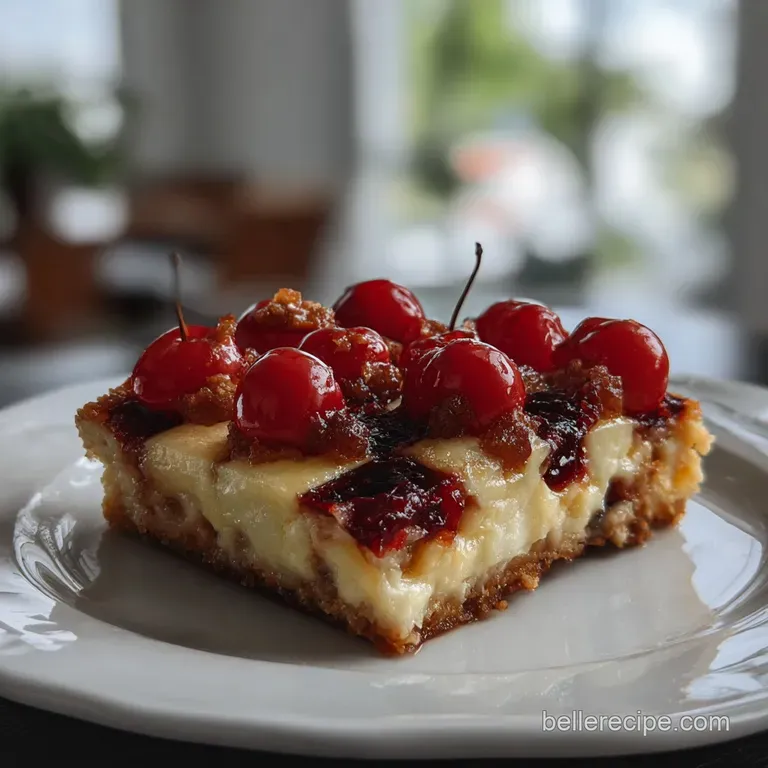
- Effort/Time: 15 minute prep, 1 hour total.
- Flavor Hook: Rich, caramelized butter notes meeting a velvety cream cheese tang.
- Perfect for: Low-stress bake-sales, holiday potlucks, and make-ahead gatherings.
Mastering the Iconic Southern Chess Squares Recipe
Nothing frustrates a baker more than pulling a tray of chess squares from the oven only to find a greasy, slumped mess that refuses to set. I’ve spent years chasing that elusive "shatter top" crust while avoiding the dreaded soggy bottom.
This chess squares recipe is the result of rigorous testing to ensure your bars hold their shape without losing that signature gooey heart.
I remember my first attempt at a chess squares recipe I underbaked the crust and didn't sift the sugar. The result was a gritty, floppy disaster that barely qualified as a dessert. It was a humbling lesson in the importance of ingredient temperature and structural integrity.
Now, we use a technical approach to balance the high sugar content with structural proteins from the cake mix and eggs. By understanding how the lipids in the butter interact with the starches in the yellow cake mix, we create a stable foundation that supports the heavy cream cheese custard.
This method ensures every bite of your chess squares recipe offers a crisp snap followed by a melt-in-the-mouth finish.
The Science of Why it Works

- Starch Gelatinization: The wheat starch in the yellow cake mix absorbs melted butter and egg moisture, swelling at 165°F to create a rigid, crumbly structure that prevents the filling from seeping through.
- Protein Coagulation: Eggs in the filling denature and form a cross linked network, trapping the sugar and cream cheese in a semi solid gel that sets firmly as it cools.
- Sucrose Recrystallization: High sugar concentration migrates toward the surface during baking, dehydrating into a thin, brittle "paper crust" that shatters upon impact.
The Science Behind 15.25 oz Yellow Cake Mix
- What It Does
- Acts as the primary structural scaffolding for the base layer while providing flavoring and leavening agents.
- The Chemistry
- The pre-gelatinized starches and chlorinated flour in the mix provide high liquid absorption and a fine crumb structure through starch swelling.
- Why This Matters
- It ensures the base remains distinct from the topping, preventing the "muddy" texture found in inferior versions of the chess squares recipe.
The Science Behind 8 oz Full fat Cream Cheese
- What It Does
- Provides the fat-continuous phase and lactic acid tang that balances the intense sweetness of the powdered sugar.
- The Chemistry
- Emulsifiers in the cream cheese (like carob bean gum) stabilize the oil-in-water emulsion when whipped with eggs.
- Why This Matters
- This stabilization prevents the filling from breaking or becoming oily under high oven temperatures.
The Science Behind 4 cups Powdered Sugar
- What It Does
- Functions as the primary sweetener and the source of the iconic "crackled" surface texture.
- The Chemistry
- The cornstarch in the sifted powdered sugar acts as a secondary thickener, while the sucrose undergoes hygroscopic action to pull moisture from the eggs.
- Why This Matters
- This high sugar-to-liquid ratio is what creates the "chess" identity, resulting in a dense, fudge like consistency rather than a light sponge.
Essential Ingredients and Smart Substitutions
Choosing the right components for your chess squares recipe determines whether you get a professional finish or a home cook flop. I always reach for Philadelphia Original Cream Cheese because its moisture content is consistent, unlike generic brands which can be watery.
For the base, Betty Crocker Super Moist Yellow Cake Mix provides the ideal balance of fats and flour.
| Original Ingredient | Substitute | Why It Works |
|---|---|---|
| 1/2 cup Unsalted Butter | Kerrygold Grass Fed Butter | Higher butterfat content (82%+) results in a more pronounced Maillard reaction and richer flavor profile. |
| 1 box Yellow Cake Mix | gluten-free Yellow Cake Mix | Most GF mixes use rice starch which mimics the snap of the original chess squares recipe surprisingly well. |
| 1 tsp Pure Vanilla Extract | Nielsen Massey Vanilla Bean Paste | Suspended seeds add visual depth and a more concentrated aromatic profile to the custard. |
If you are planning a full Southern inspired menu, this chess squares recipe pairs exceptionally well after a savory main like Chicken Bryan Recipe: Pan-Seared with Lemon Butter Sauce. The acidity in the lemon sauce prepares the palate for the rich sweetness of the bars.
step-by-step Technical Instructions
Preheat your oven to 350°F (175°C) and grease a Pyrex 9x13-inch glass baking dish. Note: Glass conducts heat more evenly than metal for this specific sugar heavy chess squares recipe, preventing scorched edges.
Combine 15.25 oz Yellow Cake Mix, 1/2 cup melted butter, and 1 large egg in a KitchenAid Stand Mixer.Note: Mixing on low speed prevents over aeration, ensuring the crust remains a dense shortbread rather than a cake.
Press the dough firmly into the bottom of the prepared dish using a flat bottomed measuring cup.Note: Mechanical compression creates a seamless moisture barrier for the upcoming custard layer.
Beat 8 oz softened cream cheese in a clean bowl until velvety smooth, about 2 minutes. Note: Breaking down the lactic acid solids now prevents unappetizing white lumps in the finished bars.
Whisk in 2 large eggs and 1 tsp Vanilla Extract until just combined.Note: Excessive whisking introduces air bubbles that will cause the filling to souffle and then collapse.
Gradually add 4 cups sifted powdered sugar on low speed until the mixture is glossy.Note: Sifting is non-negotiable to prevent undissolved sucrose pockets that ruin the mouthfeel.
Pour the filling over the unbaked crust and spread to the edges with an offset spatula.Note: The "chess" name likely refers to the "chest" where these shelf stable pantry bakes were stored.
Bake for 40 45 minutes until the edges are golden brown and the center has a slight jiggle. Note: Residual heat will finish the setting process; an overbaked chess squares recipe becomes rubbery.
Cool completely in the pan for at least 2 hours before slicing into 16 squares. Note: The lipid protein network needs to drop below 80°F to achieve the necessary structural tension for clean cuts.
For a unique party spread, serve these alongside Garbage Bread: Easy Stuffed Pizza Dough Stromboli Recipe. The contrast between the salty, meaty bread and the sweet, velvety squares is a guaranteed crowd pleaser.
Troubleshooting Your Chess Squares Recipe
| Problem | Why It Happens | The Fix | Pro Protocol |
|---|---|---|---|
| Filling is runny | Eggs were too small or cream cheese was too warm. | Chill the bars for 4 hours post bake. | Use a Taylor Precision Products Large Dial Oven Thermometer to ensure a true 350°F. |
| Crust is greasy | Butter was too hot when mixed with the cake mix. | Allow melted butter to cool to room temperature (70°F) before adding. | Use a ThermoPro Digital Meat Thermometer to verify butter temp. |
| Surface is dull | Filling was over mixed, or sugar wasn't sifted. | Sift sugar and fold by hand for the final stage to preserve the crust. | Dust lightly with extra powdered sugar only after bars are cold. |
Common Myths About Chess Squares
Myth: You must bake the crust separately before adding the filling. Truth: In a standard chess squares recipe, the "one-bake" method is superior because the moisture from the filling hydrates the crust, preventing it from becoming a dry, sandy mess.
Myth: Using "light" cream cheese yields the same results. Truth: low-fat cream cheese contains more water and fillers like carrageenan, which will prevent the filling from setting properly, leading to a "soupy" center.
Storage, Freezing, and Reheating
To maintain the integrity of your chess squares recipe, storage is vital. Room temperature storage is acceptable for 24 hours in an airtight container, but for longer duration, the refrigerator is your best friend.
- Fridge: Store in a single layer (or separated by parchment) for up to 5 days. The cold helps the flavors meld and the texture become more fudge like.
- Freeze: These bars freeze beautifully. Wrap individual squares tightly in plastic wrap, then place in a Ziploc Power Shield Freezer Bag. They stay fresh for up to 3 months.
- Reheating: Avoid the microwave, as it will turn the sugar into molten lava and toughen the crust. Thaw in the fridge and serve chilled, or let them come to room temperature for 30 minutes.
After a long session in the kitchen, I love to unwind with a Sloe Gin Fizz Recipe Easy Classic Sloe Gin Fizz Re: 5 Minute Ruby Cocktail. The botanical notes of the gin and the tartness of the sloe berries provide a sophisticated counterpoint to the buttery richness of this chess squares recipe.
Whether you're a seasoned baker or just starting out, this chess squares recipe provides a foolproof blueprint for a Southern classic. By respecting the science of the ingredients from the emulsification of the cream cheese to the Maillard reaction in the yellow cake mix crust you'll produce a dessert that is technically superior and visually stunning every single time.
Recipe FAQs
Why do my custard squares weep liquid after cooling?
Weeping results from unchecked moisture migration during cooling. Over aerated egg structures collapse when subjected to rapid temperature drops, forcing moisture out of the protein matrix.
- Ensure base is fully cooled before filling
- Avoid over whipping the custard mixture
- Do not open the oven door prematurely
Must I use cream cheese?
Full fat brick style cream cheese is essential for texture. Lower fat versions contain higher water content, disrupting the necessary fat-to-protein ratio needed for the dense crown. This contrast defines the recipe, much like the richness in our Cheddar Broccoli Soup: Ultra Creamy, Panera Style Homemade Recipe.
Can I use salted butter?
Unsalted butter for precision control. Salted brands vary widely in sodium content, preventing standardization of the final flavor profile. Unsalted allows specific measurement, crucial when balancing the tang of the cream cheese.
Is chilling the dough mandatory before baking?
Yes, chilling prevents base shrinkage during baking. Cold fat solidifies within the shortbread structure, slowing its melt rate when it hits the oven's heat. This ensures sharp, defined edges.
Do I need to pre-bake the shortbread base?
No, partial baking compromises structural integrity. Partial baking inhibits proper gluten relaxation needed for the buttery base to merge smoothly with the liquid topping.
How long until they are ready to serve?
Cool for two hours at room temperature, then chill one hour. Rushing the initial set leads to a gummy texture; they need time for the custard matrix to fully firm up.
Myth: Baking them dark brown guarantees caramelization.
Myth: Baking them dark brown guarantees caramelization. Reality: Excessive heat burns natural sugars before deep Maillard reactions complete, resulting in bitterness instead of depth of flavor.
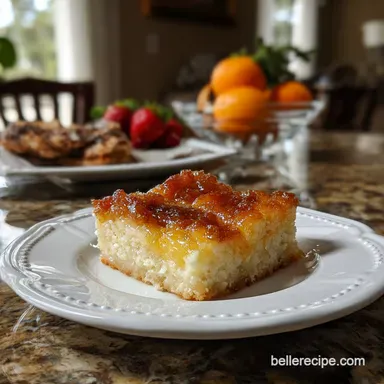
Easy Chess Squares Recipe
Ingredients:
Instructions:
Nutrition Facts:
| Calories | 328 kcal |
|---|---|
| Protein | 2.9 g |
| Fat | 12.9 g |
| Carbs | 51.8 g |
| Fiber | 0.4 g |
| Sugar | 41.2 g |
| Sodium | 221 mg |
