Ground Elk Recipe with Garlic and Onions
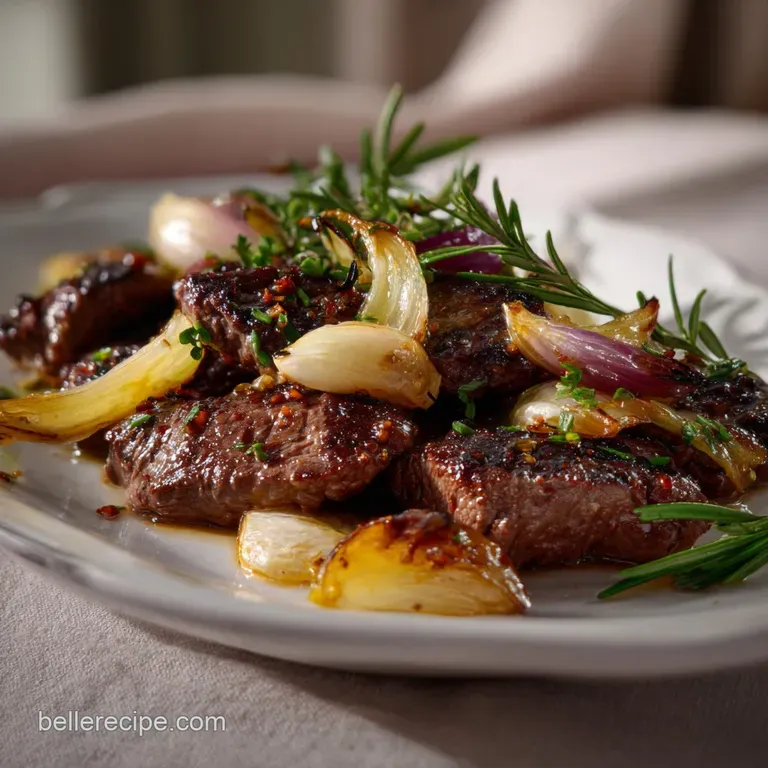
- Time: Active 10 minutes, Passive 15 minutes, Total 25 minutes
- Flavor/Texture Hook: Savory-sweet crumble with a velvety finish
- Perfect for: Weeknight comfort or a mindful post-hunt meal
- Searing Perfection: Ground Elk Recipe with Garlic and Onions
- Scientific Foundations of Cooking Wild Game Meat
- Vital Metrics for This Savory Elk Dish
- Sourcing Elements for Your Kitchen Composition
- Essential Tools for Achieving the Perfect Char
- Step-by-Step Evolution of Texture and Fragrance
- Expert Techniques and Avoiding Common Errors
- Modifying Ingredients for Diverse Nutritional Needs
- Preserving Freshness and Creative Waste Reduction
- Plating Presentations and Flavorful Side Pairings
- Technical Solutions for Common Cooking Hurdles
- Troubleshooting FAQ
- Common Questions
- 📝 Recipe Card
Cooking wild game has always felt like a quiet conversation with nature in my kitchen. There is a specific kind of stillness that comes over the room when you pull a package of lean elk from the freezer, knowing it represents a much more intentional way of eating.
On those rainy Tuesday nights when the house feels a bit chilly, this elk recipe with garlic and onions becomes my go-to for a meal that feels both grounding and incredibly nourishing.
Discover how to make a delicious ground elk recipe with garlic and onions. Most people worry that elk will be too "gamey" or tough, but the secret lies in how we treat the moisture.
By pairing the lean protein with the richness of ghee and the hydrating power of bone broth, we create something that rivals any high end beef dish while staying much lighter on the palate.
As the skillet heats up, the air fills with the sharp, clean scent of onions hitting hot oil, followed by that deep, woodsy aroma of dried thyme. It is a sensory experience that tells you dinner is going to be something special.
We aren't just making a quick protein; we are creating a base that works for everything from tacos to grain bowls, all while honoring the clean, mineral rich profile of the meat.
Searing Perfection: Ground Elk Recipe with Garlic and Onions
The beauty of this ground elk recipe with garlic and onions is found in the simplicity of the technique. Because elk is significantly leaner than traditional ground beef, we have to approach the heat with a bit more mindfulness.
We want a hard sear for flavor, but we need to move quickly to prevent the meat from drying out into a grainy texture.
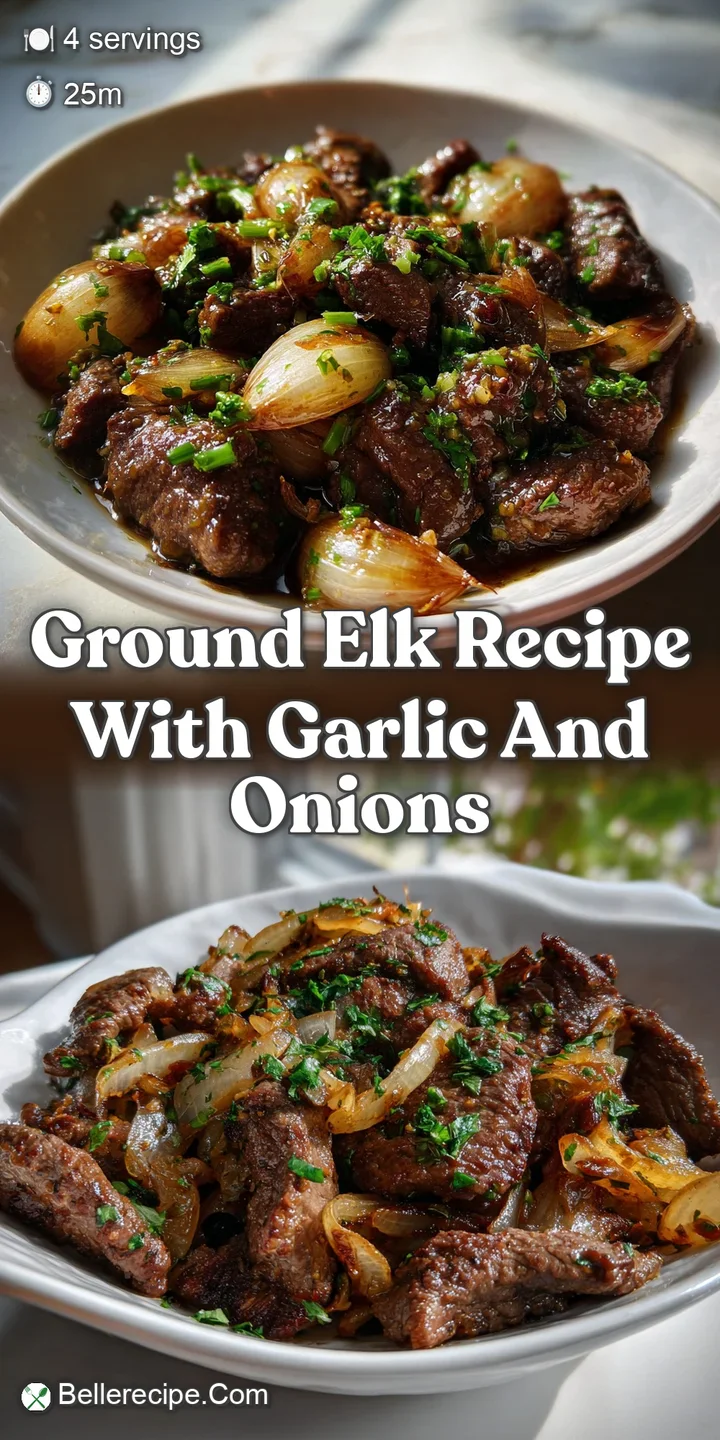
Using this ground elk recipe with garlic and onions ensures that every bite is infused with the sweetness of caramelized onions. The garlic isn't just an afterthought here; it acts as a bridge between the earthy meat and the bright herbs. I love serving this over a bed of mashed root vegetables, much like the comforting feel of a Creamed Onions recipe during a holiday feast. It is about creating those layers of flavor that make a 25 minute meal taste like it simmered all afternoon.
Scientific Foundations of Cooking Wild Game Meat
The success of any elk recipe with garlic and onions depends on understanding how lean proteins react to thermal stress. Unlike domestic beef, elk lacks the intramuscular fat that buffers against high heat.
- Maillard Reaction: High surface heat triggers a chemical reaction between amino acids and reducing sugars, creating hundreds of flavor compounds that we perceive as "savory."
- Protein Denaturation: Because elk is low in fat, the muscle fibers can tighten and squeeze out moisture rapidly if overcooked past 71°C.
- Allium Osmosis: Salt draws moisture out of the onions, allowing them to soften and release sugars that eventually coat the meat in a natural glaze.
- Emulsified Deglazing: Adding bone broth at the end picks up the "fond" (brown bits) from the pan, creating a light, silk like sauce that rehydrates the lean crumbles.
Vital Metrics for This Savory Elk Dish
To get that restaurant quality finish, I rely on a few specific numbers. These aren't just suggestions; they are the difference between a dry crumble and a succulent meal.
| Metric Type | Precision Value | Why It Matters |
|---|---|---|
| Initial Pan Temp | 200°C | Essential for an immediate sear without steaming the meat. |
| Onion Softening | 5 minutes | The exact time needed for the large yellow onion to turn translucent. |
| Internal Temperature | 71°C | The safety threshold where elk remains juicy but fully cooked. |
Sourcing Elements for Your Kitchen Composition
Choosing the right ingredients for this recipe with garlic and onions is a bit like choosing the right wood for a fire the quality of your fuel dictates the quality of the flame.
- 450g (1 lb) Lean Ground Elk: Why this? Provides a nutrient dense, high protein base with significantly less saturated fat than beef.
- 15 ml (1 tbsp) Avocado Oil or Ghee: Why this? High smoke points prevent the oil from breaking down during the crucial over high heat sear.
- 1 Large Yellow Onion: Why this? Contains higher sugar content than white onions, leading to better caramelization and sweetness.
- 4 Cloves Garlic: Mince these fresh for the best aromatic punch.
- 5g (1 tsp) Sea Salt: I prefer a fine grain for even distribution.
- 2.5g (0.5 tsp) Coarsely Cracked Black Pepper: The coarse grind adds a nice textural "pop."
- 1 tsp Dried Thyme: This herb mimics the natural forage of the elk.
- 30 ml (2 tbsp) Beef Bone Broth: Adds collagen and deep umami to the finished sauce.
Ingredient Science Matrix
| Ingredient | Chemical/Physical Role (Science) | The Pro Secret (Why This Matters) |
|---|---|---|
| Ground Elk | Myoglobin rich protein structure | Leaner than beef, it requires shorter cook times to avoid toughness. |
| Yellow Onion | Sulfur compound release and sugar breakdown | Provides a structural "cushion" and sweetness to balance the gamey notes. |
| Beef Bone Broth | Gelatin based moisture delivery | Reintroduces a velvety mouthfeel that the lean meat lacks naturally. |
| Ghee | Pure fat medium for heat transfer | Doesn't contain milk solids, allowing for a cleaner sear at higher temps. |
Essential Tools for Achieving the Perfect Char
I am a firm believer that the pan you choose is just as important as the meat. For any recipe with garlic and onions, you want something that can hold onto heat like a grudge.
- Lodge 12 inch Cast Iron Skillet: This is non-negotiable for me. The heavy metal provides the thermal mass needed to sear the elk without the pan temperature dropping.
- Wooden Spatula: Great for scraping the bottom of the pan during the deglazing phase.
- Stainless Steel Mincing Knife: A sharp blade ensures the garlic releases its oils rather than being crushed into a bitter paste.
- Digital Meat Thermometer: The only way to truly guarantee you don't overcook this lean protein.
step-by-step Evolution of Texture and Fragrance
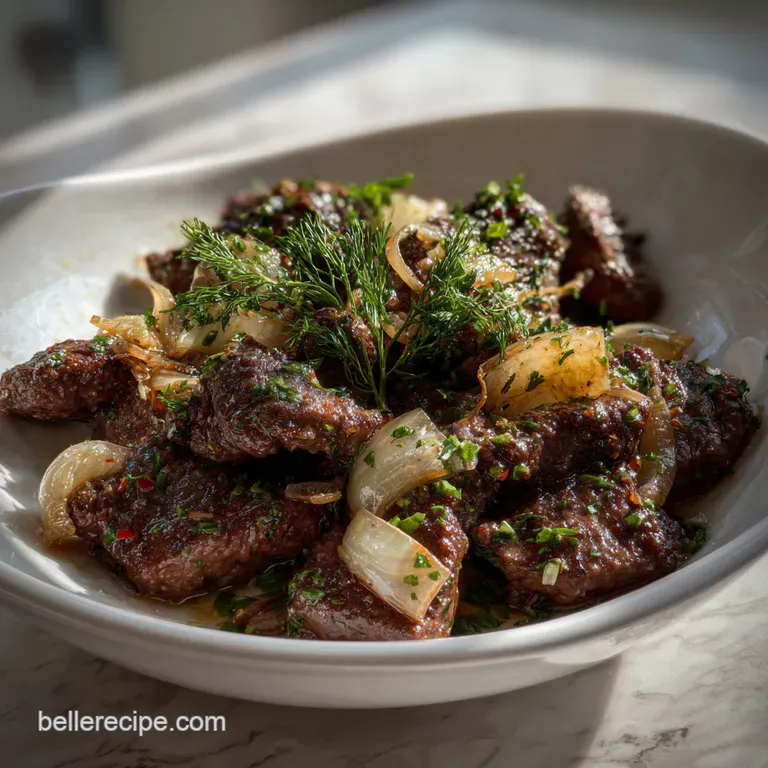
Let's get cooking. Remember to keep your ingredients prepped and ready before you turn on the stove, as this moves quickly once the heat starts.
- Prep the aromatics. Dice the large yellow onion into uniform 1cm pieces.
- Mince the garlic. Chop 4 cloves finely and let them sit for 5 minutes to activate the allicin.
- Heat the skillet. Place your Lodge cast iron over medium high heat for 3 minutes until a drop of water flicked onto the surface dances and evaporates instantly.
- Add the fat. Swirl 1 tbsp of Carrington Farms Ghee into the pan until it shimmers and smells slightly nutty.
- Sear the elk. Place 1 lb (450g) ground elk in the pan, breaking it into large chunks with a spatula for 3 minutes until the bottom surface is deeply browned and releases easily.
- Add the onions. Toss in the diced onion and 1 tsp sea salt for 5 minutes until the onion edges turn golden and the sharp smell mellows into sweetness.
- Incorporate the spices. Sprinkle in 0.5 tsp black pepper and 1 tsp dried thyme for 1 minute until the herbal aroma becomes fragrant and the thyme oil blooms in the fat.
- Introduce the garlic. Stir in the minced garlic for 45 seconds until it is pale gold and smells intensely buttery.
- Deglaze the pan. Pour in 2 tbsp beef bone broth, scraping the bottom of the pan for 1 minute until the liquid reduces by half and forms a glossy coating on the meat.
- Rest the meat. Remove from heat and let sit for 2 minutes until the juices redistribute and the sizzle softens to a quiet pop.
Expert Techniques and Avoiding Common Errors
One mistake I once made was trying to cook elk exactly like a 20% fat ground chuck. I ended up with a pan full of grey, rubbery pellets. Trust me on this: do not crowd the pan. If the meat is too close together, it steams in its own juices instead of searing.
Chef's Tip: Freeze your ghee for 10 minutes before adding it to the pan. This allows it to hit the hot surface with a temperature shock that creates a better initial sear on the meat.
Comparison of Cooking Methods
| Feature | Stovetop Skillet | Oven Roasting |
|---|---|---|
| Texture | Crispy edges, juicy center | Uniformly soft, less crust |
| Flavor Profile | Intense Maillard browning | Milder, more blended flavors |
| Speed | 15 minutes | 30 minutes |
5 Common Mistakes
- Over stirring: If you move the meat too much, it won't develop that dark brown crust.
- Cold Meat: Pulling elk straight from the fridge causes the pan temp to plummet. Let it sit out for 15 minutes.
- Skipping the Rest: Even ground meat needs a moment for the muscle fibers to relax.
- Dull Garlic: Old garlic can turn blue or bitter when it hits high heat.
- Low Heat: Cooking on "low" will just boil the meat in its own moisture.
Modifying Ingredients for Diverse Nutritional Needs
While I love this with garlic and onions as written, sometimes life requires a little flexibility. If you are looking for a more Mediterranean vibe, the technique remains the same even if the flavors shift. This elk prep is actually quite similar to how I approach the sear in my Chicken Bryan Recipe, where heat control is paramount.
| Original Ingredient | Substitute | Why It Works |
|---|---|---|
| Ground Elk | Ground Venison or Bison | Similar lean profile. Note: Bison is slightly sweeter; venison is more metallic. |
| Ghee | Duck Fat | Extreme richness and high smoke point. Adds a luxurious, savory depth. |
| Bone Broth | Dry Red Wine | Adds acidity and tannins. Note: Best for heavier, winter style dishes. |
| Yellow Onion | Shallots | Finer texture and more delicate flavor. Note: Reduces cooking time by half. |
Proportional Adjustments
Scaling Down (Single Serving): Use 115g of meat and a small shallot. Use a smaller 8 inch pan to ensure the juices don't evaporate too quickly. Reduce the cooking time for the onions by about 2 minutes.
- Salt/Spices
- Scale to 1.5x (1.5 tsp salt) to avoid over seasoning.
- Pan Management
- Cook the meat in two separate batches. If you crowd 2 lbs of elk into one pan, it will turn grey and steam.
- Liquids
- Reduce the broth to 3 tbsp instead of 4 to prevent the mixture from becoming soupy.
Preserving Freshness and Creative Waste Reduction
Storage: This dish keeps beautifully in the fridge for up to 4 days in an airtight Glasslock container. To freeze, let it cool completely and store in a vacuum sealed bag for up to 3 months.
Zero Waste: Don't throw away those onion skins or garlic papery shells! I keep a bag in the freezer for vegetable scraps. Transform: Simmer these scraps with water and your leftover elk bones to make a rich, mineral heavy stock.
Science: The skins contain quercetin, a powerful antioxidant that adds a deep golden color and nutritional boost to your soups.
Reheating: Avoid the microwave if possible, as it tends to turn the lean elk rubbery. Instead, toss the meat back into a hot skillet with a splash of water or broth for 2 minutes until it just begins to sizzle again.
Plating Presentations and Flavorful Side Pairings
When you are ready to share this meal, think about contrast. The elk is dark, savory, and rich. You want something bright or creamy to balance that out.
- The Comfort Bowl: Serve over garlic mashed cauliflower with a side of steamed green beans.
- The Power Grain: Fold the mixture into cooked quinoa with chopped parsley and a squeeze of lemon.
- The Low-Carb Wrap: Spoon the meat into large butter lettuce leaves and top with pickled red onions.
If you want X, do Y: If you want a crispier texture, increase the ghee by 1 tsp and don't stir the meat for the first 4 minutes. If you want a richer sauce, whisk a cold knob of butter into the broth during the final deglazing step.
If you want a spicier kick, add 0.5 tsp of red pepper flakes when you bloom the thyme.
Technical Solutions for Common Cooking Hurdles
Sometimes things don't go exactly as planned. But don't panic! Most kitchen "disasters" are just chemistry problems waiting for a solution.
Why Your Elk Turned Out Tough
If the meat feels like chewing on rubber bands, it's likely due to protein denaturation caused by overcooking. Without fat to lubricate the fibers, they lock together tightly. Next time, pull the meat when it hits 68°C and let the carryover heat bring it to the finish.
| Problem | Root Cause | The Fix | Pro Protocol |
|---|---|---|---|
| Meat is grey/wet | Pan crowding or low heat | Cook in smaller batches on high | Pat the meat dry with paper towels before searing. |
| Burnt Garlic | Added too early | Add garlic only in the last 60 seconds | Keep garlic cloves whole if you want a milder, safer infusion. |
| Bland Flavor | Under seasoning | Add a splash of apple cider vinegar | Acids brighten the "heavy" mineral notes of wild game. |
Culinary Legends vs. Scientific Truth
Myth: You must soak elk in milk to remove the "gamey" flavor. Truth: "Gamey" flavors are often just oxidized fats or improper field dressing. Fresh, high-quality ground elk should smell like clean earth and grass.
Proper browning (Maillard reaction) is much more effective at balancing flavor than a milk bath.
Myth: Searing meat "seals in the juices." Truth: Searing creates flavor through browning, but it actually causes the meat to lose moisture as the fibers contract. The "juiciness" we perceive comes from proper internal temperature and the addition of the bone broth "glaze" at the end.
Wrapping up, this ground elk recipe with garlic and onions is more than just a quick dinner. It is a way to appreciate seasonal ingredients and mindful sourcing. Whether you are a seasoned wild game enthusiast or trying elk for the very first time, this dish offers a comforting, reliable path to a hearty meal.
Let the aroma of the garlic and onions fill your home, and enjoy the simple pleasure of a well cooked skillet.
Troubleshooting FAQ
My meat is sticking to the cast iron, what do I do?
This is usually caused by the pan not being hot enough or the meat being too cold. If it sticks, leave it alone! As the Maillard reaction completes, the meat will naturally release from the surface. If you force it, you'll tear the proteins and lose that beautiful crust.
Can I use fresh thyme instead of dried?
Absolutely. Use about 1 tablespoon of fresh thyme leaves. Add them at the same time you would the dried version. Fresh herbs have more water content, so they will sizzle a bit more when they hit the fat.
Why does my elk smell stronger than beef?
Elk is a wild animal that eats a diverse diet of grasses, shrubs, and bark. This results in a higher concentration of aromatic compounds and minerals like iron. The garlic and onions in this recipe are specifically designed to complement these woodsy notes rather than masking them.
Is it safe to eat elk medium rare?
While many chefs prefer whole elk steaks medium rare, ground meat should always be cooked to 71°C (160°F) to ensure food safety, as the grinding process increases surface area exposure.
The sauce is too thin, how can I thicken it?
If your bone broth didn't reduce enough, simply simmer for an extra minute. You can also mix a tiny pinch of arrowroot powder into the broth before adding it to the pan for a more "gravy like" consistency without using flour.
Common Questions
Is ground elk much leaner than ground beef?
Yes, significantly leaner than 80/20 beef. Elk fat content is typically under 5%, meaning it dries out quickly if cooked like standard ground beef.
What is the secret to avoiding gamey flavor in elk?
Thorough browning creates deep savory flavor. The high heat triggers the Maillard reaction, effectively balancing the natural earthy notes without masking them.
Why did my ground elk crumble turn out dry and tough?
- Avoid cooking past 71°C
- Deglaze immediately with broth
- Ensure onions soften first
Should I use ghee or olive oil for searing the meat?
Can I substitute the bone broth with water?
Myth: You must sear ground meat over medium heat.
How long do the onions need to cook before adding the garlic?
Ground Elk Garlic Onion
Ingredients:
Instructions:
Nutrition Facts:
| Calories | 228 kcal |
|---|---|
| Protein | 24.8 g |
| Fat | 11.5 g |
| Carbs | 7.2 g |
| Fiber | 1.4 g |
| Sugar | 3.1 g |
| Sodium | 615 mg |
