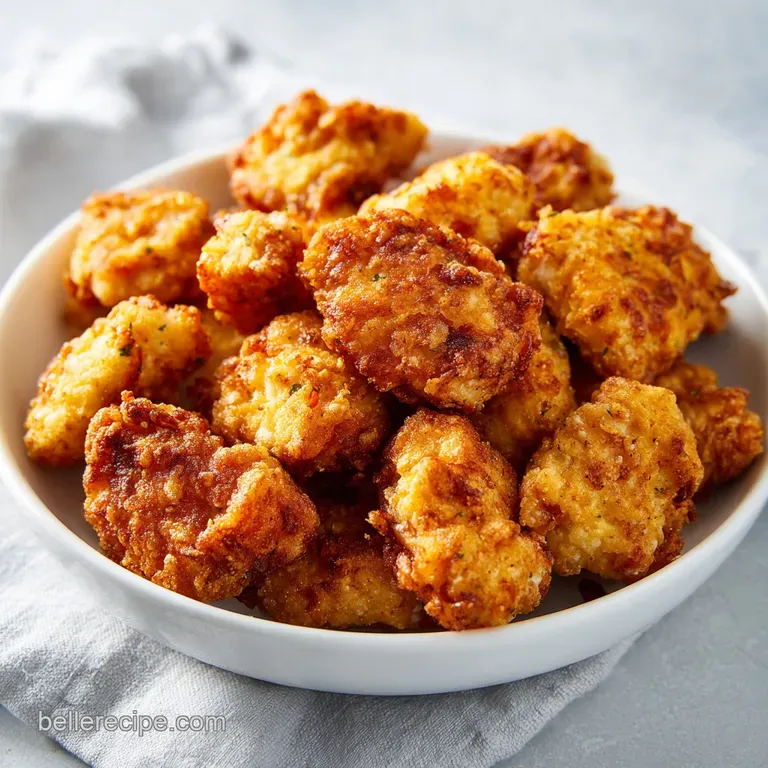
Copycat Chick Fil a Nuggets: Golden and Tender
- Time: Active 32 minutes, Passive 60 minutes, Total 92 minutes
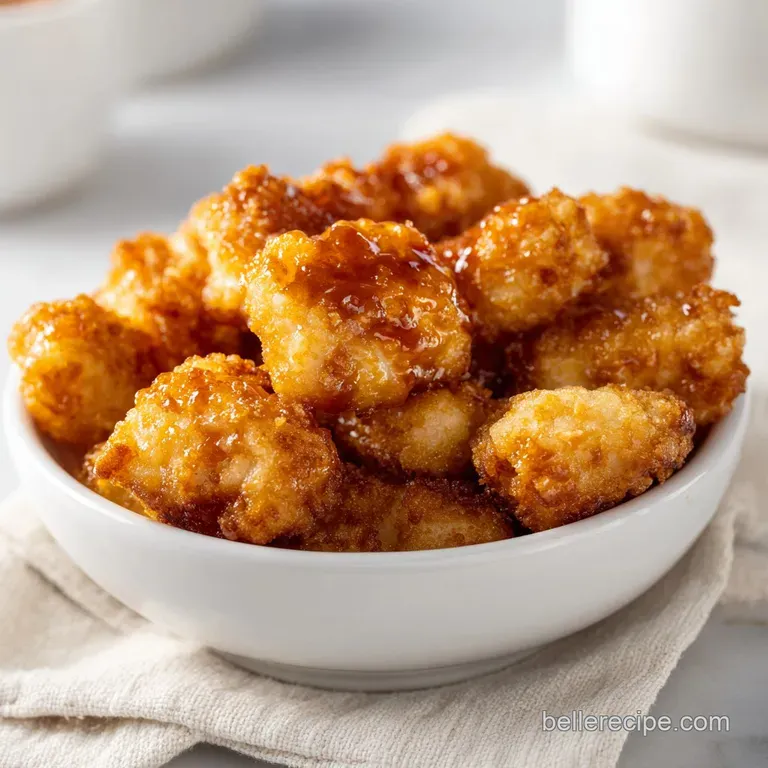
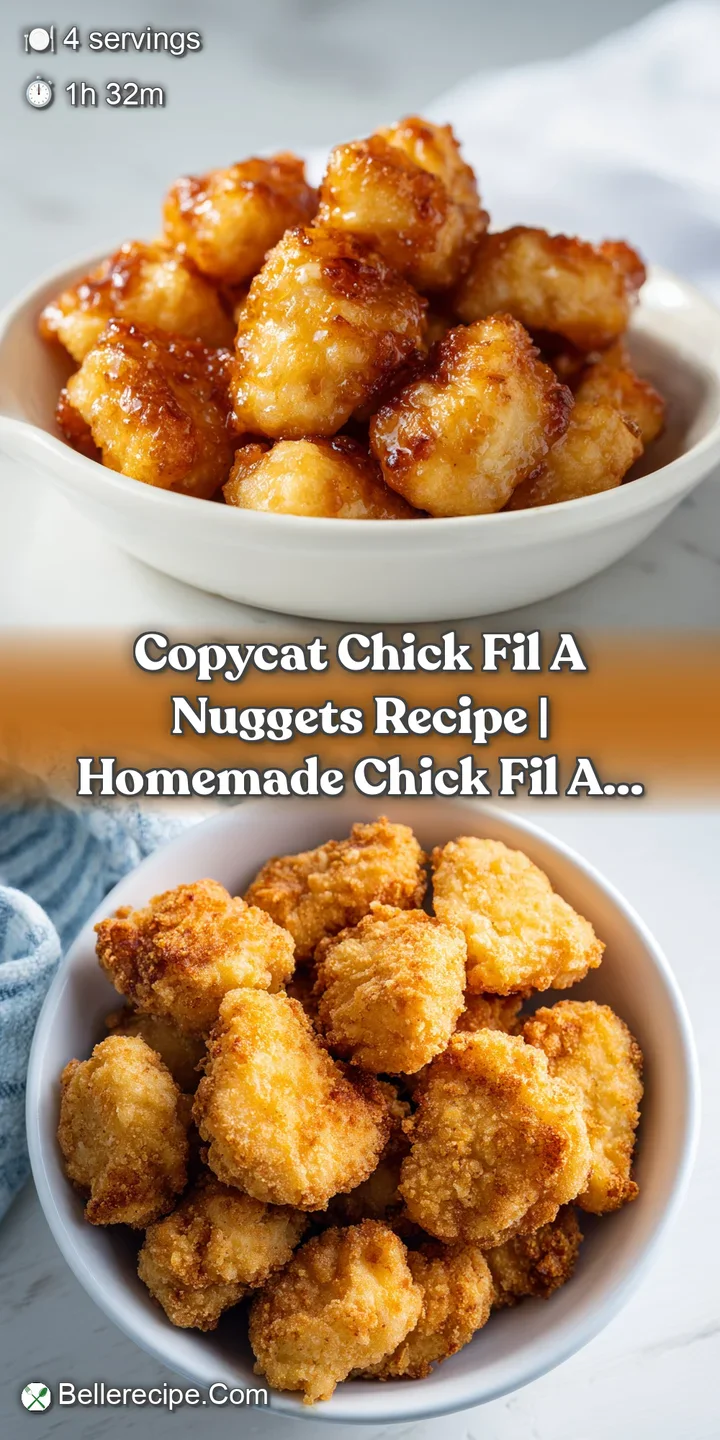
- Flavor/Texture Hook: A shatter crisp golden shell surrounding velvety, brine tenderized chicken with a hint of sweetness.
- Perfect for: A nostalgic family dinner, game day snacking, or when you crave the drive thru on a Sunday.
- Why This Copycat Chick Fil A Nuggets Recipe Is Pure Nostalgia
- Secrets to Achieving the Signature Golden Crisp
- Timing and Prep for the Best Results
- Essential Elements for That Famous Flavor Profile
- Tools You Need to Fry Like a Pro
- Mastering the Technique for Golden Perfection
- Solving the Most Frustrating Coating Issues
- Creative Ways to Customize Your Homemade Nuggets
- Keeping Your Nuggets Crispy for Later
- Perfect Pairings for Your Fried Chicken Feast
- Very High in Sodium
- Recipe FAQs
- 📝 Recipe Card
Why This Copycat Chick Fil A Nuggets Recipe Is Pure Nostalgia
I still remember the first time I realized there was something different about those little golden nuggets in the red and white box. It wasn’t just "fried chicken." It was something more complex a bite that felt like a hug.
There’s a specific contrast there: the sharp, vinegary tang of the brine meeting the gentle, almost dessert like sweetness of the coating. Whenever we make this copycat chick fil a nuggets recipe on a sunny Saturday afternoon, the whole house starts to smell like a celebration.
It's the kind of scent that brings the kids running from the backyard before the first batch is even out of the oil.
This isn't a dish you rush. It's a dish you inhabit. It’s about the ritual of cutting the chicken into those signature irregular chunks and letting them soak up the goodness of the marinade. We’ve all had those moments where we’re stuck in a long drive thru line, wishing we could just do it ourselves.
When you finally take that first bite of a homemade nugget that actually tastes right, there’s this incredible sense of satisfaction. It’s about sharing something comforting and familiar with the people you love, without needing to leave the house.
The beauty of this recipe lies in the layers of flavor. You have the savory depths of the celery salt and garlic, the brightness of the paprika, and that unmistakable hint of powdered sugar. It’s a flavor map that hits every corner of your palate: sweet, savory, tangy, and rich.
Trust me, once you see that first batch sizzle in the peanut oil and turn that perfect shade of deep gold, you’ll realize why this specific method is the only one that truly works. It’s about capturing a memory and putting it on a plate.
Secrets to Achieving the Signature Golden Crisp
The Acid Bath: The pickle juice acts as a mild acid that breaks down tough fibers in the chicken, ensuring it remains velvety and moist even after deep frying.
Sugar Caramelization: Powdered sugar isn't just for sweetness; it caramelizes rapidly in the hot oil to create that specific dark gold hue and "snap" in the crust.
Starch Reinforcement: Adding cornstarch to the all purpose flour creates a crispier barrier that prevents the breading from becoming soggy or oil laden during the fry.
Oil Choice: Peanut oil has a high smoke point and a neutral, slightly nutty profile that allows the delicate spices in the dredge to shine through without tasting greasy.
| Meat Thickness | Internal Temp | Rest Time | Visual Cue |
|---|---|---|---|
| 1 inch chunks | 165°F (74°C) | 3 minutes | Golden brown crust with clear juices |
| 1.5 inch chunks | 165°F (74°C) | 4 minutes | Deep amber color and firm texture |
| 0.5 inch strips | 165°F (74°C) | 2 minutes | Light gold and very fast sizzle |
The resting period is just as vital as the frying itself. When you pull the chicken from the hot oil, the heat continues to move toward the center of the meat for a few minutes. This is why we aim for 165°F but don't cut into them immediately; letting them sit on a wire rack ensures the steam escapes outward, keeping the crust from softening against the meat.
Timing and Prep for the Best Results
| Ingredient | Science Role | Pro Secret |
|---|---|---|
| Dill Pickle Juice | Tenderizer | Use "chilled" juice to keep the chicken cold before dredging |
| Powdered Sugar | Browning Agent | Sift it with the flour to avoid tiny burnt sugar clumps |
| Cornstarch | Texture Modifier | This is what makes the crust "shatter" rather than just "crunch" |
| Peanut Oil | Heat Carrier | Maintains a steady temperature better than most vegetable oils |
When we talk about the ingredients for this nuggets recipe, we have to look at how they interact. The pickle juice is the heavy lifter here. It doesn't make the chicken taste like a giant pickle; instead, the vinegar and salt work together to season the meat from the inside out while the enzymes soften the proteins. If you've ever had a Broccoli Casserole recipe that felt a bit one note, you know how important it is to have those contrasting elements.
The powdered sugar is another "secret" that people often miss. Because it’s so fine, it integrates into the flour perfectly. In the high heat of the oil, those tiny particles of sugar brown much faster than the flour itself, giving you that iconic color without needing to overcook the chicken.
It’s a delicate balance of timing and temperature that transforms humble ingredients into something quite special.
Essential Elements for That Famous Flavor Profile
- 1 lb boneless skinless chicken breast: Cut into 1 inch chunks. Why this? Breast meat provides the clean, lean bite that defines a classic nugget.
- 0.5 cup dill pickle juice: Use the liquid straight from the jar. Why this? The vinegar and lactic acid are essential for the signature tenderizing effect.
- 0.25 cup whole milk: Mixed with the brine. Why this? Adds a touch of fat and calcium to help the egg wash adhere later.
- 1 large egg: Beaten well. Why this? Acts as the "glue" that binds the dry dredge to the marinated chicken.
- 1 cup all purpose flour: The base of your coating. Why this? Provides the structure for the breading to hold onto the meat.
- 3 tbsp powdered sugar: The secret to the color. Why this? Caramelizes quickly for that deep gold look and subtle sweetness.
- 2 tbsp cornstarch: For the ultimate crunch. Why this? Creates a crispier, less doughy texture in the final fried product.
- 1 tsp salt: Basic seasoning. Why this? Enhances all the other spices in the flour mixture.
- 0.5 tsp black pepper: For a mild kick. Why this? Adds a tiny bit of heat to balance the sugar.
- 0.5 tsp paprika: For color and earthiness. Why this? Contributes to the warm, reddish gold hue of the finished nuggets.
- 0.25 tsp celery salt: The hidden savory note. Why this? Gives that "fast food" umami that regular salt can't replicate.
- 0.25 tsp garlic powder: For aromatic depth. Why this? Provides a consistent garlic flavor without the risk of burning fresh bits.
- 2 cups peanut oil: For frying. Why this? High smoke point ensures a clean fry without bitter, burnt oil flavors.
Tools You Need to Fry Like a Pro
To get the best results with this copycat chick fil a nuggets recipe, you don’t need a commercial kitchen, but a few specific tools make a massive difference. First, a heavy bottomed pot, like a Dutch oven or a deep cast iron skillet, is non negotiable.
These vessels hold heat much better than thin stainless steel, which means when you drop the cold chicken into the oil, the temperature won't plummet. If the temperature drops too much, the chicken will boil in oil rather than fry, leading to a greasy, sad nugget.
Next, you really want an instant read thermometer. Guessing the oil temperature is the fastest way to ruin a batch of chicken. You’re looking for 350°F (175°C).
Too hot and the sugar in the breading will burn before the chicken is cooked; too cool and the breading will absorb oil like a sponge. Finally, use a spider strainer or a slotted metal spoon to move the chicken. This allows the oil to drain away immediately as you lift the pieces out.
Avoid using tongs if you can, as they can sometimes tear the delicate, freshly fried breading off the meat.
Mastering the Technique for Golden Perfection
- Whisk the brine. Combine the 0.5 cup dill pickle juice and 0.25 cup whole milk in a medium bowl until blended. Note: The milk helps mellow the harshness of the vinegar while adding proteins for better browning.
- Submerge the chicken. Place your 1 lb of 1 inch chicken chunks into the liquid, cover tightly, and refrigerate for 80 minutes (at least 60, up to 120). Note: Don't exceed 2 hours or the acid will start to turn the meat mushy.
- Prepare the egg wash. Drain the excess brine from the chicken chunks, then pour in the 1 beaten large egg and stir until every piece is slick and coated.
- Mix the dry dredge. In a gallon sized bag or a wide bowl, whisk together the 1 cup flour, 3 tbsp powdered sugar, 2 tbsp cornstarch, and all the dry spices.
- Dredge in batches. Place a handful of egg washed chicken into the flour mixture and shake or toss until the chicken is fully and evenly coated with no wet spots.
- Heat the oil. Pour the 2 cups of peanut oil into your pot and bring it to 350°F (175°C) over medium high heat.
- Fry the nuggets. Carefully drop the chicken into the oil in small batches and fry for 3-4 minutes until deep golden brown and the internal temperature hits 165°F.
- Monitor the sizzle. Watch for the bubbling to slow down slightly; this indicates most of the surface moisture has evaporated and the crust is crisping.
- Drain on a rack. Use a spider strainer to move the nuggets to a wire cooling rack set over a baking sheet. Note: Never drain on paper towels, as they trap steam and make the bottom of the nuggets soggy.
- Rest and serve. Let the chicken sit for 3 minutes to allow the juices to redistribute before serving hot with your favorite sauce.
Solving the Most Frustrating Coating Issues
Why Your Breading Falls Off
One of the biggest heartbreaks in frying is watching your beautiful coating slide right off the chicken and float away in the oil. This usually happens because the chicken was too wet when it hit the flour, or the oil wasn't hot enough to "set" the crust instantly.
If the chicken surface is slippery, the flour can't grab hold. Make sure you drain the brine well before adding the egg, and once you dredge the chicken, get it into the oil fairly quickly so the flour doesn't turn into a paste.
Fixing Greasy Nuggets
If your nuggets feel heavy and oily rather than light and crisp, your oil temperature is almost certainly the culprit. When oil is below 350°F, it seeps into the breading instead of instantly vaporizing the moisture on the surface to create a steam barrier.
Also, overcrowding the pan is a classic mistake. If you put too many pieces in at once, the temperature of the oil drops like a stone. Work in smaller batches to keep that sizzle aggressive and constant.
Improving the Spice Balance
Sometimes the first batch might taste a little flat. This is often because the salt levels in pickle juice can vary wildly between brands. If your nuggets lack that "pop," try adding a tiny pinch more salt or even a dash of MSG to the dry dredge.
If they are too sweet, you can dial back the powdered sugar by half a tablespoon, though you'll lose some of that iconic dark gold color.
| Problem | Root Cause | Solution |
|---|---|---|
| Breading is gummy | Too much egg wash | Shake off excess egg before dredging in flour |
| Crust is too dark | Oil is over 375°F | Lower heat and wait for oil to hit 350°F |
| Meat is dry | Overcooked | Use a thermometer and pull at 165°F exactly |
Chef Tip: For an extra thick "craggy" crust, drizzle two tablespoons of the milk/pickle brine into the dry flour mixture and rub it in with your fingers before dredging. This creates little clumps of dough that stick to the chicken and turn into extra crunchy bits once fried.
Common Mistakes Checklist:
- ✓ Drain the marinade thoroughly before adding the egg wash to prevent the coating from becoming a "soup."
- ✓ Sift your powdered sugar if it has lumps; those lumps won't melt in the oil and will leave white spots.
- ✓ Keep a thermometer in the oil at all times to monitor the temperature between batches.
- ✓ Don't use a lid while frying; the steam needs to escape for the crust to become truly crispy.
- ✓ Let the nuggets rest on a wire rack air circulation is the enemy of sogginess!
Creative Ways to Customize Your Homemade Nuggets
If you're looking to scale this recipe for a big crowd, it's actually quite simple. For a party of eight, just double everything. When scaling up, you don't need to double the spices perfectly 1.5x the salt and pepper is usually enough, as spices can become overwhelming in large volumes. However, you must maintain the liquid ratios exactly to ensure the brine works its magic. If you find yourself in a rush, you could also check out my Easy pan seared chicken bryan for a different take on flavorful chicken.
| Method | Time | Texture | Best For |
|---|---|---|---|
| Deep Fry | 12 minutes | Classic, shattering crunch | Traditional experience |
| Air Fryer | 15 minutes | Drier, firm crisp | Health conscious days |
| Oven Baked | 20 minutes | Softer, bread like | Large batch convenience |
If you decide to go the air fryer route, you'll need to spray the nuggets generously with oil before and halfway through the cooking process. Without the oil, the flour won't hydrate, and you'll end up with a chalky, white coating.
It’s a good trade off if you’re looking for a lighter meal, but for the most authentic experience, the deep fry is king.
Keeping Your Nuggets Crispy for Later
Storing fried chicken is always a bit of a challenge because moisture is the enemy of a good crust. If you have leftovers, let them cool completely on the wire rack before putting them in an airtight container. They will stay good in the fridge for up to 3 days. However, do not use the microwave to reheat them!
The microwave will make the breading soft and chewy. Instead, pop them back into a 400°F (200°C) oven or an air fryer for 4-5 minutes. This will re crisp the outer layer and heat the center without drying it out.
For zero waste, don't throw away that leftover pickle juice after you're done marinating. While you shouldn't reuse the juice that touched raw chicken, you can use the rest of the jar for pickling red onions or even adding a splash to a potato salad for extra tang. If you have extra flour dredge left over, unfortunately, it has to be tossed since it’s been in contact with raw egg, but you can always measure carefully next time to minimize waste. If you're looking for more comfort food ideas to use up extra greens, my Silky smooth creamed spinach is a fantastic way to round out the meal.
Perfect Pairings for Your Fried Chicken Feast
Serving these nuggets is the best part of the whole process. To truly lean into the theme, you should whip up a quick sauce using mayo, BBQ sauce, mustard, and a splash of lemon juice. It creates that creamy, smoky dip that we all crave. These nuggets also go beautifully with waffle fries or a simple coleslaw.
The acidity in a slaw cuts right through the richness of the fried chicken, making every bite feel fresh.
We love serving these in a big communal bowl in the center of the table. There’s something so "together" about everyone reaching in for a hot nugget. Whether it's a casual Sunday lunch or a birthday request, this recipe always delivers.
It’s mindful of those classic flavors we grew up with while giving you the pride of having made it from scratch. It’s sunny, sharing focused, and honestly, just a whole lot of fun to cook. Enjoy the sizzle!
Very High in Sodium
915 mg 915 mg (40% 40% of daily value)
The American Heart Association recommends limiting sodium intake to no more than 2,300mg per day, with an ideal limit of 1,500mg per day for most adults.
Tips to Reduce Sodium
-
Reduce Pickle Juice-25%
Dill pickle juice is a significant source of sodium. Reduce the amount of pickle juice by half, from 0.5 cup to 0.25 cup, to cut down on added salt.
-
Omit Added Salt-20%
The recipe calls for 1 tsp of salt, which contributes a substantial amount of sodium. Remove this added salt entirely. Flavor can be built with other spices.
-
Boost Spices
Enhance the flavor profile by increasing the amount of black pepper, paprika, garlic powder, and other non-sodium containing spices. Consider adding onion powder or a pinch of cayenne.
-
Eliminate Celery Salt-15%
Celery salt is a disguised source of sodium. Replace the 0.25 tsp of celery salt with an additional 0.25 tsp of celery seed for flavor without the salt.
Recipe FAQs
What is the secret ingredient in Chick fil-A nuggets?
The secret is powdered sugar. It provides that distinct, subtle sweetness in the breading that balances the savory notes of the salt and celery salt.
What does Chick fil-A marinate their chicken nuggets in?
Use a mixture of dill pickle juice and whole milk. This brine tenderizes the meat while infusing it with a tangy flavor profile.
What are the ingredients of Chick fil-A chicken nuggets?
The crust relies on flour, powdered sugar, cornstarch, salt, pepper, paprika, celery salt, and garlic powder. The chicken is marinated in a blend of dill pickle juice and milk, then coated with a beaten egg.
What makes Chick fil-A nuggets so juicy?
The 60 to 120-minute pickle juice and milk soak is the key. If you enjoyed mastering the slow cooking technique here, you will find that this gentle brining method is essential for keeping lean chicken breast succulent during the high heat frying process.
How to ensure the chicken reaches the right internal temperature?
Fry in 350°F oil and monitor with an instant read thermometer until it hits 165°F. Keeping the oil at this specific temperature ensures the crust becomes golden brown at the same moment the chicken finishes cooking.
How to keep the nuggets crispy after frying?
Transfer the cooked nuggets to a wire cooling rack placed over a baking sheet. This prevents steam from being trapped underneath the nuggets, which would otherwise make the bottom soggy.
Is it true I can use any cooking oil for this recipe?
No, this is a common misconception. You must use peanut oil because its high smoke point and neutral flavor profile are necessary to achieve the authentic taste and golden finish of the original recipe.
Homemade Chick Fil A Nuggets
Ingredients:
Instructions:
Nutrition Facts:
| Calories | 508 calories |
|---|---|
| Protein | 39.6 g |
| Fat | 22.1 g |
| Carbs | 36.4 g |
| Fiber | 1.2 g |
| Sugar | 6.8 g |
| Sodium | 915 mg |
