Paneer Tikka Masala: Silky and Smoky
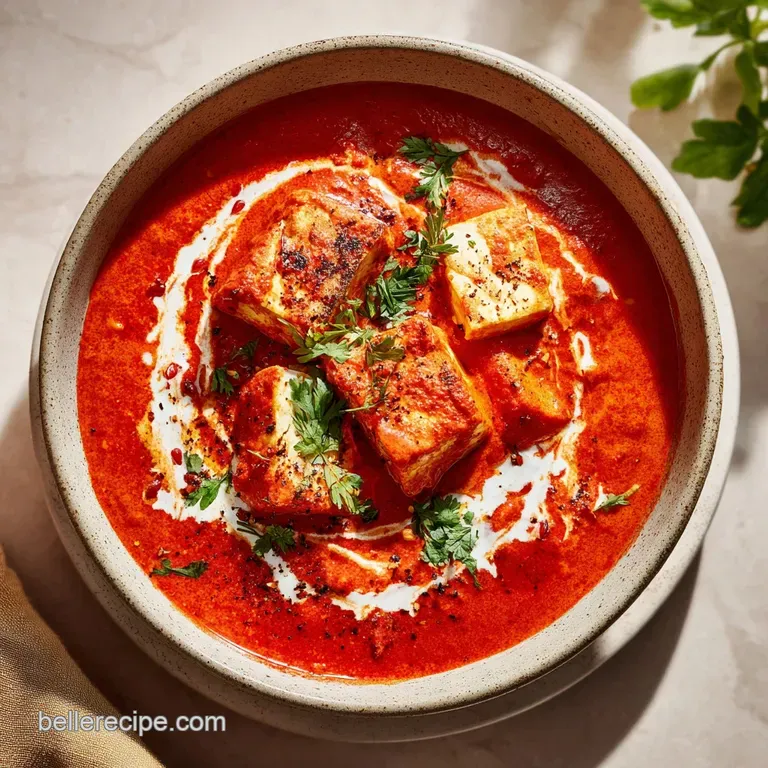
- Time:15 minutes active + 55 minutes resting/cooking = 70 minutes total
- Flavor/Texture Hook: Silky, tangy gravy with charred, spongy paneer
- Perfect for: A mindful weekend dinner or sharing with loved ones
- Making a Creamy Paneer Recipe Tikka Masala Tonight
- Why These Specific Proportions Work Every Time
- Components Analysis and Ingredient Deep Dive
- Essential Spices and Fresh Produce
- Kitchen Tools for Best Texture
- Step by Step Kitchen Guide
- Fixing Common Cooking Mistakes
- Creative Spices and Substitutions
- Proportions for the Best Result
- Debunking Traditional Kitchen Myths
- Storing Your Leftover Curry
- Serving Suggestions for Everyone
- Recipe FAQs
- 📝 Recipe Card
Making a Creamy Paneer Recipe Tikka Masala Tonight
There is a specific sound that defines my favorite nights in the kitchen: the soft hiss of cold paneer hitting a shimmering pool of hot ghee. It’s not an aggressive sizzle that spatters the walls, but a gentle, steady song that promises something special.
I remember watching my grandmother stand over a heavy iron pan, her movements mindful and rhythmic, as she turned each white cube until it wore a coat of deep, mahogany gold. That aroma a mix of toasted dairy, sharp ginger, and the sweet earthiness of cumin is exactly what we are recreating today.
We are putting the spotlight on the paneer itself, because let’s be honest, it is the hero of this story. Choosing a high-quality, firm paneer is non negotiable here. When you treat it right soaking it just enough to keep it spongy rather than rubbery it absorbs the sauce like a dream.
This isn’t just another curry; it’s a layering of memories, spices, and textures that come together to create a dish that feels both sunny and deeply comforting.
You can expect a sauce that is remarkably silky, thanks to a few old school tricks like cashew paste and a final whisk of cold butter. We aren't looking for a watery gravy or a chunky onion mix.
We want something that clings to the paneer, offering a velvety finish that makes you want to wipe the bowl clean with a piece of warm naan. It’s about taking the time to let the onions melt into the spices, creating a foundation that is rich, complex, and utterly satisfying to share.
Why These Specific Proportions Work Every Time
The Soak Strategy: Soaking the paneer in salted warm water for 10 minutes hydrates the protein structure, ensuring the cheese stays soft and spongy even after it hits the high heat of the pan.
The Flour Barrier: Adding roasted chickpea flour to the marinade acts as a natural binder that prevents the yogurt from weeping or curdling when it touches the hot skillet, while also helping the spices stick to the paneer cubes.
Fat Soluble Bloom: Sautéing the ground spices like turmeric and coriander directly in the ghee for 60 seconds allows their essential oils to fully release, creating a much deeper flavor profile than if they were simmered in liquid.
The Emulsion Secret: Whisking in a single tablespoon of cold butter at the very end creates a glossy, professional looking finish by emulsifying with the cream and tomato base, preventing the sauce from feeling "heavy" or greasy.
| Method | Time | Texture | Best For |
|---|---|---|---|
| Stovetop Skillet | 25 minutes | Crispy, charred edges with a soft, juicy interior | Traditional flavor and quick results |
| Oven Roasting | 35 minutes | Drier, more concentrated spice crust; less mess | Large batches or meal prep |
| Air Fryer | 12 minutes | Very firm and "shatter" crisp exterior; lighter feel | Healthier option with minimal fat |
Choosing the stovetop method is my personal go to because I love the control it gives you over the char. You get to see that beautiful transformation of the marinade into a smoky crust right before your eyes.
It’s a sensory experience that oven roasting just can't quite replicate in the same way, though the oven is a lifesaver when you're cooking for a crowd and don't want to stand over the stove.
Components Analysis and Ingredient Deep Dive
Understanding what each element brings to the pan makes you a more intuitive cook. It isn't just about following a list; it’s about knowing how the ginger garlic paste cuts through the richness of the ghee, or why the honey is there to shake hands with the acidic tomatoes.
| Component | Role in Dish | Pro Secret |
|---|---|---|
| Greek Yogurt | Tenderizer and Tang | Use full fat yogurt to ensure the marinade is thick enough to coat the cubes without sliding off. |
| Tomato Puree | Acidic Foundation | Cook it until the oil actually separates at the edges; this is how you know the raw "tinny" taste is gone. |
| Kashmiri Chili | Vibrant Color | This provides that iconic red hue without the mouth burning heat of standard cayenne. |
| Cashew Paste | Body and Silk | It provides a natural thickness that cream alone can't achieve, giving the sauce a luxurious "weight." |
The magic of a great paneer recipe tikka masala lies in these small details. For instance, the cashew paste isn't just a thickener; it provides a nutty undertone that balances the sharp spices. If you enjoy experimenting with different textures in your cooking, you might find my Classic Hummus recipe interesting, as it also relies on the science of emulsification to achieve a similar velvety smoothness.
Essential Spices and Fresh Produce
- 400g paneer: Cut into 1 inch cubes. Why this? The 1 inch size provides the perfect ratio of charred exterior to soft center.
- Sub: Extra firm tofu (pressed well) for a dairy-free swap.
- 1/2 cup full fat Greek yogurt: For the marinade. Why this? Its thickness ensures the spices cling to the paneer.
- Sub: Hung curd or thick coconut yogurt.
- 1 tbsp ginger garlic paste: Fresh is always better here.
- Sub: 1/2 tbsp minced ginger mixed with 1/2 tbsp minced garlic.
- 1 tsp Kashmiri red chili powder: For that deep red glow.
- Sub: 1/2 tsp paprika mixed with 1/4 tsp cayenne.
- 1/2 tsp garam masala: The warming heart of the dish.
- Sub: A pinch of ground cinnamon, cloves, and cardamom.
- 1 tbsp lemon juice: To brighten the marinade.
- Sub: Lime juice or a splash of apple cider vinegar.
- 1 tbsp roasted chickpea flour (Besan): The glue of the marinade.
- Sub: All purpose flour or cornstarch.
- 2 tbsp ghee: The traditional fat for sautéing.
- Sub: Neutral oil like avocado or grapeseed.
- 1 tbsp cold butter: For the finishing gloss.
- Sub: A teaspoon of heavy cream or a vegan butter knob.
- Whole Spices (1 cinnamon stick, 3 green cardamoms, 1 black cardamom, 2 cloves): The aromatic base.
- 2 medium red onions: Finely minced. Why this? Red onions have a higher sugar content, which means better caramelization.
- Sub: Yellow onions or shallots.
- 1 cup tomato puree: The smooth sauce base.
- Sub: Finely crushed canned tomatoes.
- 2 tbsp cashew paste: Made by blending soaked cashews with a bit of water.
- Sub: Almond butter or heavy cream.
- 1 tsp turmeric powder: For earthiness and color.
- 1.5 tsp cumin powder: For smoky depth.
- 1 tbsp coriander powder: To add citrusy notes.
- 1 tbsp dried fenugreek leaves (Kasuri Methi): Non negotiable for the "restaurant" smell.
- 1/4 cup heavy cream: For luxury.
- Sub: Full fat coconut milk.
- 1 tsp honey: To balance the acidity.
- Sub: Granulated sugar or maple syrup.
Kitchen Tools for Best Texture
To get the most out of this recipe tikka masala, you need a heavy bottomed pan. I swear by a cast iron skillet for searing the paneer. The way iron retains heat ensures you get those beautiful charred spots without overcooking the inside of the cheese.
If you use a thin, cheap pan, the marinade will likely burn before the paneer gets that lovely golden crust we're after.
A high speed blender is also your best friend here, specifically for the cashew paste and tomato puree. You want those components to be as smooth as silk. If the cashew paste is grainy, the whole gravy will feel "sandy" on the tongue, which is exactly what we want to avoid. Finally, don't forget a small whisk.
It’s essential for incorporating that cold butter at the end to create a stable, glossy emulsion.
step-by-step Kitchen Guide
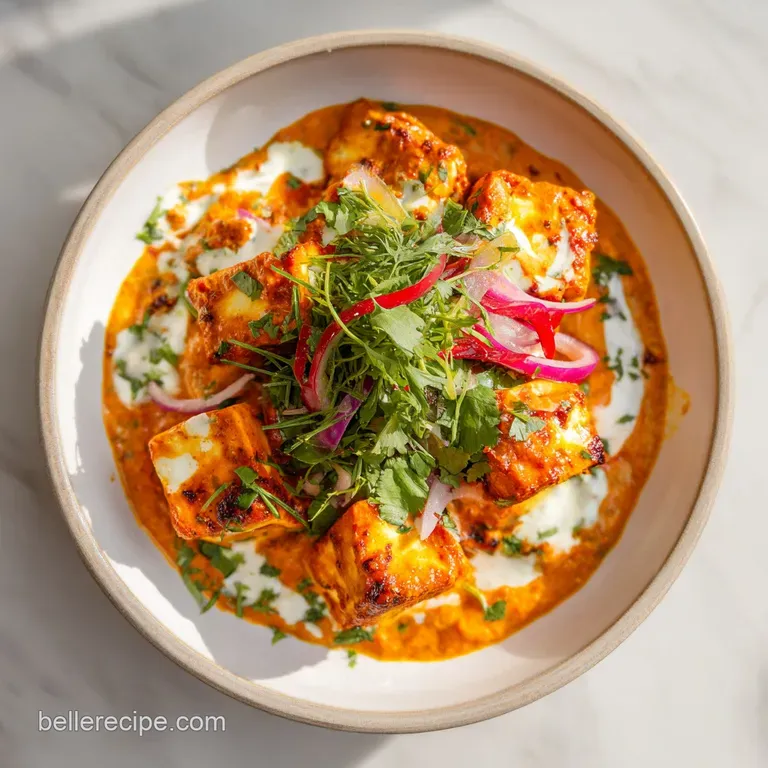
- Soak the 400g of paneer cubes in salted warm water for 10 minutes. Note: This softens the protein fibers so they don't turn rubbery during searing.
- Drain the paneer and pat it thoroughly dry with a paper towel. Note: Moisture is the enemy of a good sear; wet paneer will steam instead of charring.
- In a large bowl, whisk the 1/2 cup Greek yogurt, 1 tbsp chickpea flour, ginger garlic paste, Kashmiri chili, garam masala, and lemon juice until smooth.
- Fold the paneer cubes into the marinade and let them rest for 30 minutes.
- Heat 1 tbsp of ghee in a skillet over medium high heat. Sear the paneer for 2-3 minutes per side until dark charred spots appear on the edges.
- In a separate heavy pan, heat the remaining ghee and add the whole spices, letting them sizzle for 30 seconds until the cloves puff up and smell fragrant.
- Add the minced onions and sauté for about 10-12 minutes until they turn a deep, rich mahogany brown.
- Stir in the turmeric, cumin, and coriander powders. Bloom them in the hot fat for 1 minute until the kitchen smells incredibly aromatic.
- Pour in the tomato puree and cook for 8-10 minutes until the oil starts to bead and separate from the masala.
- Stir in the cashew paste and honey. Add the seared paneer, then finish by stirring in the cream, dried fenugreek, and that final tbsp of cold butter until the sauce is glossy and thick.
Fixing Common Cooking Mistakes
One of the biggest hurdles people face with an authentic paneer tikka masala is the texture of the cheese. I’ve been there I once served what essentially felt like pencil erasers in a spicy sauce. It was a classic mistake of overcooking the paneer while trying to get the color right.
The secret is the soak and the over high heat sear; you want the pan screaming hot so the color happens fast.
To Stop Rubbery Paneer
The most common culprit is overcooking or using poor quality cheese. If your paneer feels like rubber, it likely spent too much time in the skillet. Remember, you aren't "cooking" the paneer through; you are just flavoring the surface. The 10 minute soak in warm salted water is your insurance policy.
It seasons the cheese all the way to the center and keeps it juicy.
For Deep Mahogany Color
If your gravy looks pale or orange rather than that deep, rich red, you probably rushed the onion browning stage. Onions are the foundation of flavor here. They need to go past "translucent" and past "golden" all the way to a dark brown.
This creates a sweet, caramelized base that gives the dish its characteristic depth.
To Fix a Grainy Sauce
Graininess usually comes from the cashew paste or the spices not being "bloomed" enough. If the sauce feels sandy, try passing your tomato puree through a fine mesh sieve next time, and make sure your cashew paste is blended with enough water to become a liquid cream.
If it's already grainy, adding a splash of warm water and a little more cream can help smooth things out.
| Problem | Root Cause | Solution |
|---|---|---|
| Sour Gravy | Tomatoes weren't cooked long enough or are too acidic | Cook the puree until oil separates; add an extra 1/2 tsp of honey to balance. |
| Bland Paneer | Marinade didn't penetrate or lacked salt | Ensure you marinate for the full 30 mins and don't skip the salted soak. |
| Curdled Sauce | Cream or yogurt added at too high a heat | Lower the heat significantly before stirring in dairy; use full fat products. |
Common Mistakes Checklist
- ✓ Always pat the paneer dry after the soak; excess water prevents charring.
- ✓ Use a heavy bottomed pan to prevent the delicate spices from scorching.
- ✓ Don't skip the roasted chickpea flour; it’s what keeps the marinade attached to the cheese.
- ✓ Sauté the onions slowly; rushing this step results in a bitter, thin sauce.
- ✓ Use Kashmiri chili powder specifically for the color; don't swap it 1:1 with standard hot chili powder.
Creative Spices and Substitutions
This paneer masala recipe is wonderfully flexible. If you want to make this easy vegetarian indian recipe a bit lighter, you can swap the heavy cream for a splash of whole milk or even almond milk, though it won't be quite as indulgent.
For a vegan version, use extra firm tofu and coconut cream it actually works surprisingly well because the spices are so bold they carry the dish regardless of the protein.
If you’re craving an "Extra Spicy" version, I suggest adding two finely slit green chilies at the onion stage. This provides a sharp, fresh heat that contrasts beautifully with the creamy paneer tikka masala.
You could also experiment with adding a touch of smoked paprika to the marinade if you don't have access to a tandoor, as it mimics that traditional wood fired flavor.
| Premium Ingredient | Budget Substitute | Flavor Impact | Savings |
|---|---|---|---|
| Ghee | Salted Butter + Oil | Slightly less nutty, but very similar richness | Save $4-6 |
| Cashew Paste | Blended Silken Tofu | Neutral flavor, loses the nuttiness but keeps the creaminess | Save $3-5 |
| Saffron (optional garnish) | Turmeric Pinch | Loses the floral aroma, but keeps the yellow hue | Save $10+ |
If you find yourself running out of fresh ginger or garlic, don't stress. While fresh is king, a high-quality store-bought paste will get the job done in a pinch. Just be careful with the salt, as many commercial pastes are heavily seasoned. Speaking of bold sauces, if you ever want a break from warm spices, my Authentic Chimichurri Sauce is a great way to see how fresh herbs and acidity can transform a dish in a totally different direction.
Proportions for the Best Result
When scaling this dish, the most important thing to watch is the liquid. If you double the recipe to serve 8, don't automatically double the water or tomato puree. Start with 1.5 times the liquid and see how the consistency looks.
Large batches of onions also take significantly longer to brown expect that 10 minute sauté to turn into 20 minutes when doubling.
For those cooking for just two, halving the recipe is straightforward. I recommend beating one egg (if using as a binder, though not in this specific recipe) and using half, but since we are using yogurt and chickpea flour here, just use a scant 1/4 cup of yogurt.
The spices should be halved exactly to maintain the balance of this homemade paneer tikka masala.
Debunking Traditional Kitchen Myths
One persistent myth is that you must have a tandoor oven to get "authentic" results. That’s simply not true for a home cook. While a tandoor provides a unique smoky flavor, a well seasoned cast iron skillet can produce a nearly identical char and flavor profile.
The "smoke" in a restaurant is often added via a charcoal smoking technique called Dhungar, which you can easily replicate at home with a single piece of hot coal and a drop of ghee.
Another misconception is that more cream equals a better sauce. In reality, too much cream masks the intricate spices and the natural sweetness of the caramelized onions. The best paneer curry recipes rely on a balance of fat, acid, and spice. The cream should be a supporting actor, not the lead.
Use just enough to round out the edges of the tomato acidity.
Storing Your Leftover Curry
This dish actually tastes better the next day. As it sits in the fridge, the paneer continues to absorb the masala, making the cubes even more flavorful. It will stay fresh in an airtight container for up to 3 days. When reheating, the sauce will likely have thickened considerably because of the cashew paste.
Add a tablespoon or two of warm water or milk to loosen it back up to its original velvety state.
I don't typically recommend freezing this specific recipe because the texture of the paneer can change, becoming slightly grainy or crumbly upon thawing. However, you can absolutely freeze the gravy base (before adding the cream and paneer).
This is a great zero waste tip: if you have extra sauce, freeze it in ice cube trays. You can pop a few out to flavor a quick vegetable stir fry or to use as a base for a different vegetarian indian dinner recipe.
Serving Suggestions for Everyone
For the ultimate experience, serve this with buttered garlic naan or a pile of fluffy basmati rice. I like to garnish mine with a few extra leaves of crushed dried fenugreek and a tiny swirl of cream to make it look special.
If you’re hosting a dinner party, a side of pickled red onions (marinated in vinegar and salt) provides a bright, crunchy contrast to the rich, creamy paneer tikka masala.
If you’re looking to round out the meal with more sharing plates, consider a fresh salad or a cooling cucumber raita. The goal is to create a balance of temperatures and textures. This dish is all about the joy of coming together, so place the big heavy pot in the middle of the table and let everyone dig in.
It's mindful, it's sunny, and it's exactly what a good meal should be.
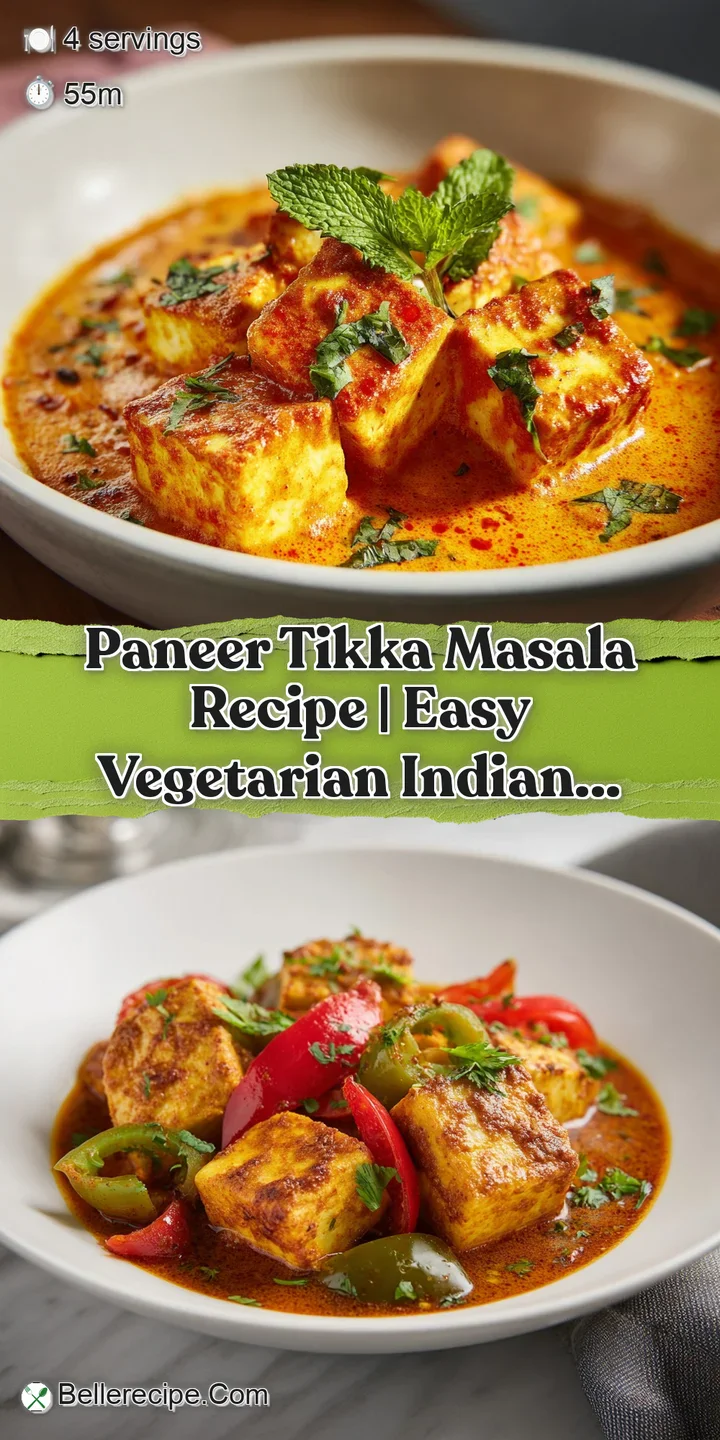
Recipe FAQs
What are the ingredients of Paneer Tikka Masala?
The core components are paneer, Greek yogurt, and a spice rich tomato base. You will need 400g paneer, 1/2 cup Greek yogurt, ginger garlic paste, Kashmiri chili, garam masala, lemon juice, roasted chickpea flour, ghee, cold butter, cinnamon, cardamoms, cloves, red onions, tomato puree, cashew paste,
turmeric, cumin, coriander, fenugreek leaves, heavy cream, and honey.
What makes Paneer Tikka Masala so good?
It relies on the perfect balance of charred protein and a velvety, aromatic gravy. The combination of soaking paneer to soften fibers and blooming whole spices like cinnamon and cardamom creates a deep, restaurant quality flavor profile.
Is chicken tikka masala ok for diabetics?
No, this is a common misconception. While chicken is a lean protein, commercial versions of tikka masala often contain significant amounts of added sugar, honey, and heavy cream that can spike blood glucose levels; always consult your medical provider regarding your specific dietary needs.
What is the difference between paneer masala and Paneer Tikka Masala?
The primary difference is the marination and charring process. In Paneer Tikka Masala, the cheese is marinated in yogurt and spices then seared to create charred edges before entering the gravy, whereas standard paneer masala typically simmers the cheese directly into the sauce without the initial
sear.
How to keep the paneer from turning rubbery?
Soak the cubes in salted warm water for 10 minutes before marinating. This simple technique hydrates the protein fibers, ensuring they stay soft and tender during the high heat searing process. If you enjoy the science of texture control, you can apply similar logic to our silky, nutty Alfredo sauce to maintain a perfect consistency.
How to get a deep, golden brown color on the onions?
Sauté the minced red onions slowly over medium heat until they reach a deep color. Rushing this step prevents the natural sugars from caramelizing, which would leave your sauce tasting thin or slightly bitter rather than sweet and complex.
How to store leftovers effectively?
Keep the curry in an airtight container in the refrigerator for up to 3 days. Since the sauce thickens due to the cashew paste, simply add a splash of warm water or milk when reheating to return the gravy to its original velvety texture.
Homemade Paneer Tikka Masala
Ingredients:
Instructions:
Nutrition Facts:
| Calories | 528 kcal |
|---|---|
| Protein | 21.4 g |
| Fat | 41.2 g |
| Carbs | 19.8 g |
| Fiber | 4.2 g |
| Sugar | 8.5 g |
| Sodium | 415 mg |
