Mangu: Creamy Dominican Mashed Green Plantains
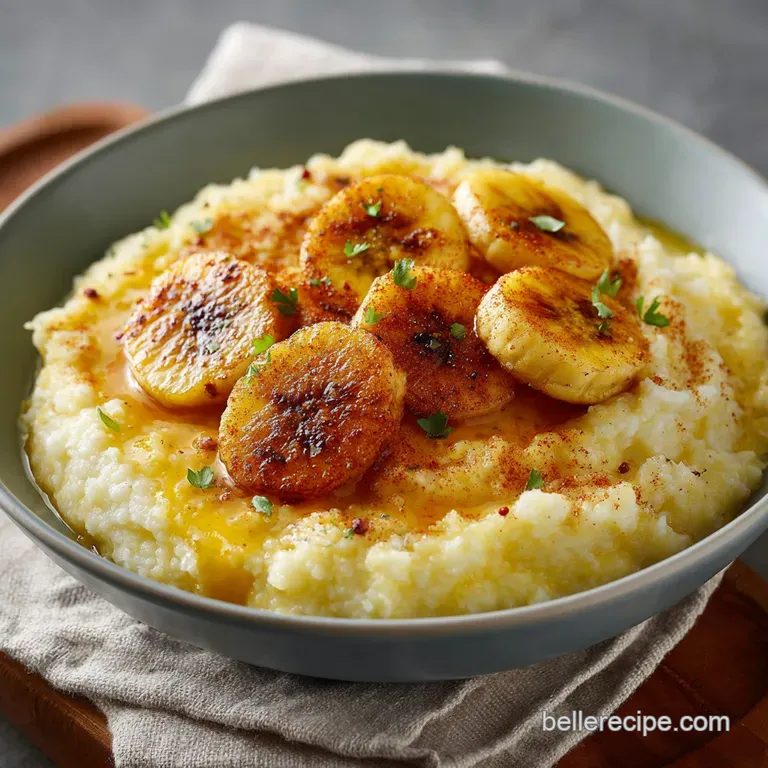
- Mangu Maestro: Creamy Dominican Mashed Green Plantains with Pickled Red Onion
- The Heart of Dominican Breakfast: Understanding Mangu
- Essential Components for Perfect Mashed Plantains
- Mastering the Mash: Step-by-Step Mangu Preparation
- Achieving the Dream Texture: The Science of Starch and Fat
- Troubleshooting Your Mangu: Avoiding Dryness and Lumps
- Maintaining Freshness: Storing and Reheating Mashed Plantains
- The Traditional Trio: What to Serve Alongside Mangu
- Recipe FAQs
- 📝 Recipe Card
Mangu Maestro: Creamy Dominican Mashed Green Plantains with Pickled Red Onion
If you’ve never experienced the earthy, comforting density of Mangu, get ready for a revelation. This isn't your grandma’s fluffy mashed potato; this is a foundational texture that demands a sturdy masher and a confident hand.
It offers a warmth and fullness that is totally unique, especially when hit with the sharp, acidic blast of the vibrant red pickled onions the Cebolla Encebollada .
I call Mangu the ultimate survival food. It is dirt cheap to make, incredibly satisfying, and gives you the energy to power through a seriously long morning, which is exactly why it’s the cornerstone of Dominican breakfast.
It uses just three main ingredients and minimal technique, proving that the best food doesn't need to be complicated.
But watch out: Mangu is deceptively simple. I used to mess this up constantly, getting it dry or hopelessly lumpy until I learned the secret ratio of fat and liquid. Don't worry, friend, I’ve broken down the steps so you can nail that perfect, creamy texture every single time.
The Heart of Dominican Breakfast: Understanding Mangu
What Sets Authentic Mangu Apart: Density vs. Fluff
The first mistake people make is treating Mangu like a potato mash. Seriously, stop that right now. Authentic Mangu is dense, almost fudgy, holding its shape firmly on the plate. We are chasing a smooth, non-gluey result that provides profound, savory sustenance.
This density comes from the incredibly high starch content of the green plantains, which is why we must mash immediately while the plantains are piping hot. We are aiming for something sturdy enough to hold up to rich sides, but still creamy enough to feel luxurious.
A Culinary History: Mangu’s Role in Dominican Culture
Mangu is pure tradition and culture on a plate. It’s an Afro Caribbean staple, believed to have linguistic roots tracing back to West Africa, cementing its place as an integral part of Dominican identity.
Often served for breakfast the famous Los Tres Golpes (The Three Hits) it’s the fuel that gets the country moving.
If you ever see a Dominican morning table without a steaming pile of Mangu, something is terribly wrong. It represents warmth, home, and the start of a great day.
Why Green Plantains are Non-Negotiable for Texture
Do not even think about grabbing a yellow plantain. A green plantain is completely unripe and contains nearly all resistant starch, giving it a neutral, savory flavour and that essential hard, dry texture we need.
Yellow or black plantains are sweet and soft; they will simply dissolve into a sticky, sugary mess when boiled.
You need rock hard, unyielding, bright green plantains. If it has even a hint of yellow, use it for tostones instead, but keep it far away from your Mangu pot.
Essential Components for Perfect Mashed Plantains
Selecting the Ideal Green Plantain (The Firmness Test)
Walk up to the plantain display and apply the squeeze test. If it gives way even slightly, put it back. You want plantains that are so firm you could honestly knock on a door with them. They should be bright green from stem to stern.
If you cannot find truly large plantains, use smaller ones, but increase the quantity to compensate for the weight (we are aiming for about 1 kg of flesh). If your only option is slightly yellowish ones, reduce the cooking time by five minutes, as they will soften faster.
Quick Pickle: Making the Vinegary Red Onion Garnish (The Cebolla)
The cebolla is not optional; it’s the counterpoint that makes the Mangu sing. The fat and dense starch need that powerful acid blast. It's so quick and simple, you can make it while the plantains are boiling.
| Ingredient | Substitution |
|---|---|
| White Vinegar | Apple Cider Vinegar (Sweeter) or Lime Juice (Sharper) |
| Red Onion | Shallots (Softer texture, similar flavor) |
Chef's Note: Don't skip the step of adding olive oil to the onions. It mellows the vinegar's harshness and helps the oregano bloom, adding depth.
Choosing the Right Fat: Butter vs. Oil in Mangu
Traditionally, Mangu uses butter, and frankly, butter is superior. The dairy fat adds a depth and richness that oil simply can't match, helping to emulsify the heavy starch.
If you absolutely must go dairy-free, use a high-quality extra virgin olive oil or an equal amount of firm coconut oil. Do not use vegetable or canola oil; the flavor is too neutral and greasy.
Mastering the Mash: step-by-step Mangu Preparation
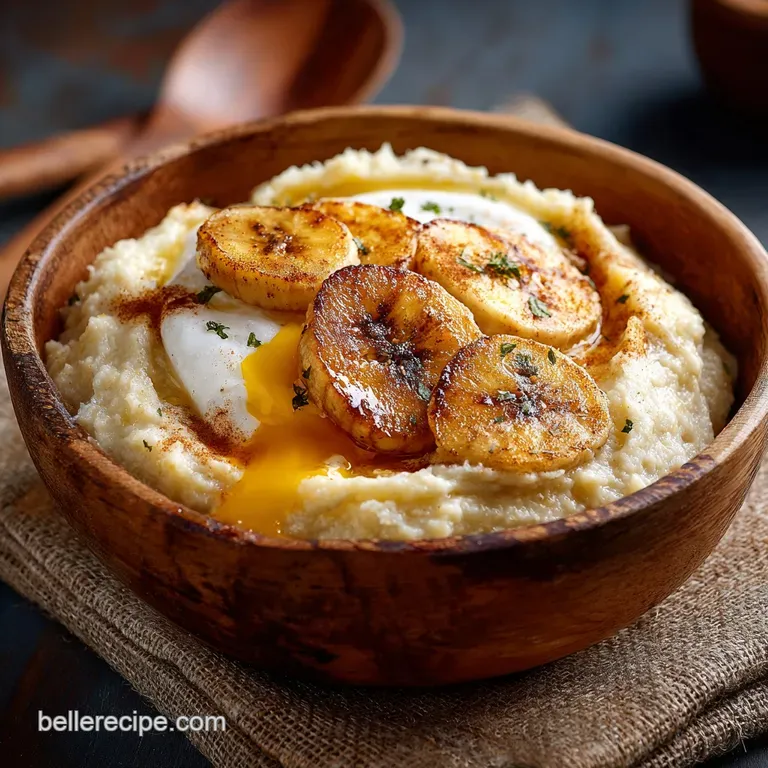
Preparation Stage: Peeling and Boiling the Plantains Correctly
Peeling green plantains is the single most annoying part of this entire recipe, seriously. My rookie mistake was always trying to peel it like a banana, which resulted in sticky hands and a lot of cursing.
The trick is to score the skin lengthwise four times deep enough to cut the skin but not the flesh. Use the tip of your knife to lift the edge, and peel it off like tough bark.
Boil those peeled, chopped chunks in well salted water until they are deeply yellow and incredibly soft when pierced with a fork, usually 25 to 30 minutes. Remember to reserve a cup of that starchy cooking water! This liquid is pure gold.
The Critical Mashing Phase: Incorporating the Reserved Liquid
Speed is everything now. Drain the plantains and immediately return them to the warm pot. Add the butter and begin mashing intensely.
Here’s the game changer: incorporate 4 tablespoons of ice-cold water along with the butter during the initial mash. This sudden temperature difference shocks the starch molecules, preventing them from swelling and releasing too much gluten, which is what causes that awful, sticky, gluey mess.
Finishing Touches: Achieving Ultimate Smoothness and Seasoning
Once the butter and cold water are mashed in, start gradually adding the hot reserved plantain water, one tablespoon at a time. Mash continuously, scraping down the sides of the pot as you go. You are looking for a velvety, stiff consistency that falls off the masher in a dense, pliable lump.
Taste for salt; the plantain itself is bland, so it needs generous seasoning to shine. If it’s too thick, add more water. If it’s perfect, stop mashing and serve immediately, because Mangu waits for no one!
Achieving the Dream Texture: The Science of Starch and Fat
This recipe works because we are mastering the science of starch. Plantain starch loves to absorb liquid and expand, which is generally bad for mash, making it sticky.
The quick infusion of butter and cold water while the plantain is still screaming hot helps to coat the starch granules, emulsifying the mixture and controlling the water absorption. This is what gives Mangu its specific, desirable density smoothness without the stickiness.
You are creating a quick emulsion that traps moisture but prevents excessive gluten development.
Troubleshooting Your Mangu: Avoiding Dryness and Lumps
Mangu failure usually boils down to two things: timing and hydration.
Salvaging Plantains That Are Too Hard or Too Soft
If you are mashing and realize your plantain chunks are still a bit hard, stop immediately. Return them to the pot, cover with hot reserved water, and simmer for another 5 to 10 minutes until they are fully tender.
If they are too soft (mushy), you must use less reserved water during the mash, relying more on the initial cold water/butter blend.
Preventing Sticky, Gluey Consistency
The primary reason Mangu turns into an inedible glue ball is over mashing. You introduce air and work the starch too much, activating the gluten potential. Mash only until smooth, then stop. If it starts getting gluey, try stirring in a small amount of cold butter or oil to re-emulsify it quickly.
Common Mistake Alert: Never, ever try to use a food processor or hand mixer for Mangu. You will unleash the full, terrifying power of plantain starch and create tropical wallpaper paste.
Maintaining Freshness: Storing and Reheating Mashed Plantains
Mangu is best when fresh, but leftovers are totally a thing. It’s dense, so it holds up fairly well.
You can store cooled Mangu in an airtight container in the fridge for up to 4 days. It will firm up considerably and turn very stiff.
Can You Freeze Cooked Mashed Plantains?
You bet, but the texture changes slightly. Freeze Mangu in serving sized, well sealed bags. To reheat, the key is moisture and heat. Place the frozen or refrigerated Mangu in a saucepan with a tablespoon or two of milk or water and reheat over low heat, stirring constantly, until smooth and creamy again.
You may need to press it vigorously with a spoon to break up the dense clumps.
The Traditional Trio: What to Serve Alongside Mangu
You simply cannot serve Mangu naked. It needs company. Mangu is the canvas; the toppings are the masterpieces.
The absolute classic pairing is Los Tres Golpes (The Three Hits):
- Queso Frito: Deep fried squares of Dominican white cheese.
- Dominican Salami: Thin slices of soft, smoked salami, fried until crispy.
- Fried Eggs: Simple, runny yolked fried eggs.
Seriously, drizzle some of the onion pickling liquid over the whole plate. The vinegar cuts through the richness of the fried cheese and the butter perfectly. It’s pure harmony.
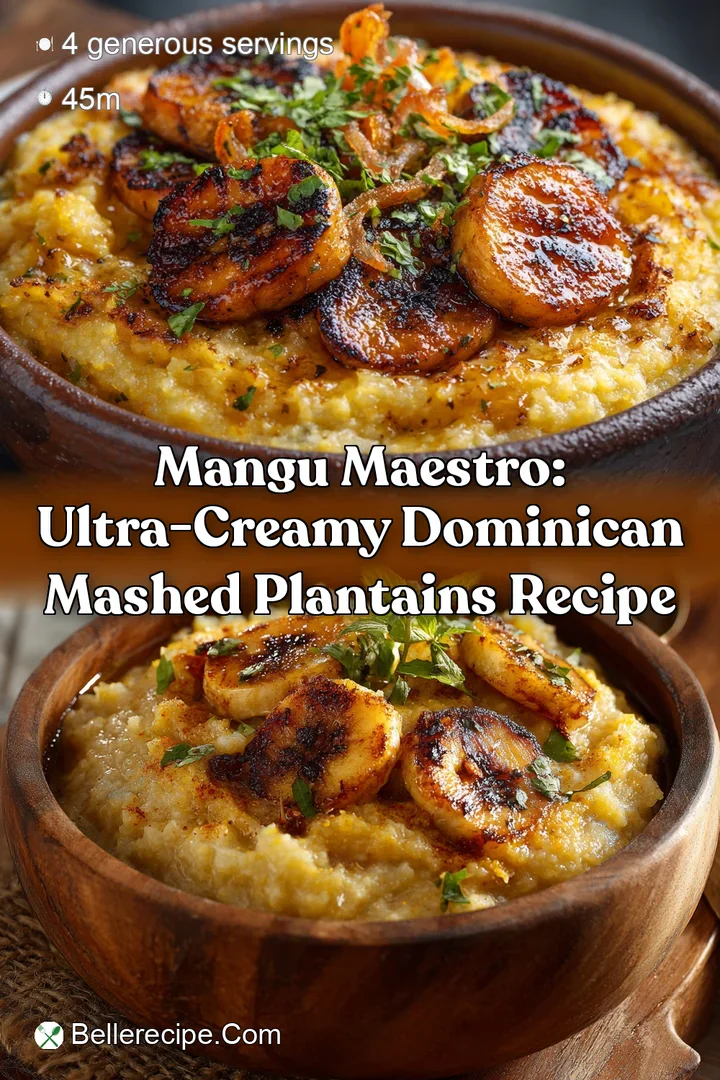
Recipe FAQs
Why is my Mangu lumpy or sticky instead of smooth and creamy?
Lumps usually occur if the plantains were not boiled long enough or if you let them cool too much before mashing. Ensure the plantains are mashed immediately while they are piping hot, incorporating the fat and hot cooking liquid gradually to create an emulsified, velvety consistency.
Can I use yellow (ripe) plantains instead of green ones for Mangu?
No, you must use very green, unripe plantains; yellow or ripe plantains contain sugars and different starches that will result in a sweet, mushy, and sticky paste. Ripe plantains are only suitable for dishes like maduros, not savory Mangu.
How can I prevent the Mangu from hardening immediately after mashing?
Mangu solidifies quickly due to its high starch content once it begins to cool down. To delay this, ensure the liquid you add (butter/oil and water) is extremely hot, and ideally, serve the Mangu immediately upon completion. If serving later, keep it covered and warm, adding a splash of hot liquid just before serving.
What is traditionally served alongside Mangu?
Mangu is the centerpiece of the classic Dominican breakfast known as "Los Tres Golpes" (The Three Hits). This meal includes fried eggs, fried Dominican salami (salchichón), and deep fried cheese. It is always topped with the tangy, vinegary pickled red onions (cebolla encebollada).
Can Mangu be made vegan or dairy-free?
Yes, Mangu can easily be adapted for vegan diets. Simply substitute the traditional butter (or pork lard) with a good quality vegan butter alternative or refined coconut oil. This ensures the necessary fat content is maintained to achieve the desired smooth texture and richness.
How do I store and reheat leftover Mangu?
Store leftover Mangu in an airtight container in the refrigerator for up to three days, though the texture will stiffen considerably. To reheat, place it in a saucepan over low heat and gradually incorporate a generous splash of water or milk, stirring vigorously until it softens and warms through.
Should I add fat (butter/oil) while the plantains are boiling?
No, the fat should be added during the mashing process, not the boiling. Boiling the plantains in heavily salted water helps soften the starch; the fat is crucial afterwards to emulsify the mash and create the characteristic creamy texture.
Mangu Creamy Plantain Mash
Ingredients:
Instructions:
Nutrition Facts:
| Calories | 200 kcal |
|---|---|
| Protein | 0.0 g |
| Fat | 20.0 g |
| Carbs | 0.0 g |
