Oven Roasted Vegetables
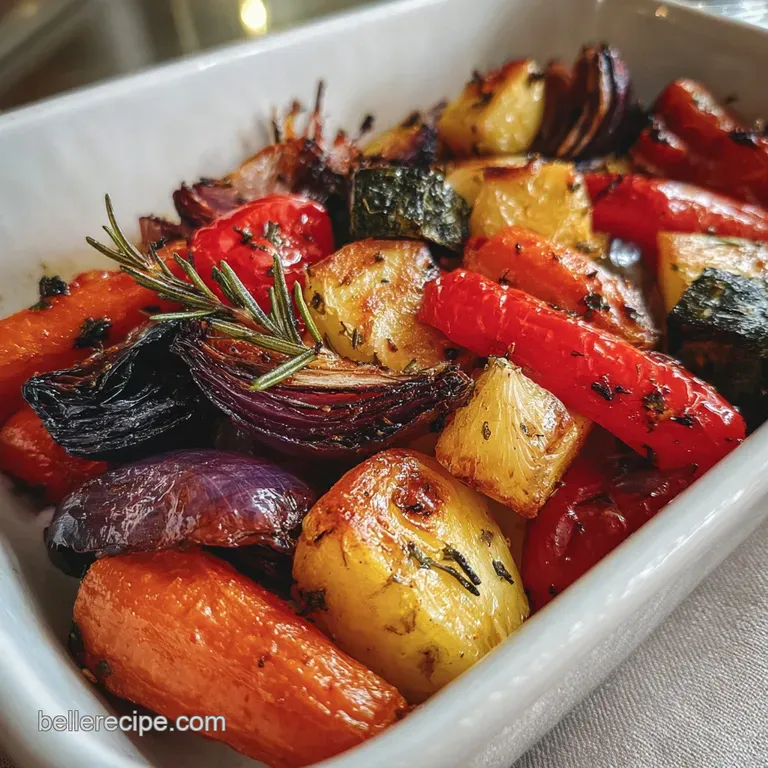
- Time: Active 15 minutes, Passive 25 minutes, Total 40 minutes
- Flavor/Texture Hook: Shatter crisp edges with velvety, jammy centers
- Perfect for: Stress free Sunday roasts, weekly meal prep, or beginner home cooks
- The Best Ever Oven Roasted Vegetables
- The Physics of the Char
- Cooking Stats and Feeding Groups
- Essential Ingredient Analysis and Swaps
- Proper Equipment for Mindful Roasting
- Steps for Silky Roasted Results
- Solving Common Texture Problems
- Scaling Amounts for Large Gatherings
- Common Roasting Myths Debunked
- Storing Leftovers and Saving Scraps
- Dishes That Pair Well
- Recipe FAQs
- 📝 Recipe Card
The Best Ever oven-roasted Vegetables
There is a specific sound that happens when you pull a sheet pan out of a hot oven a soft, rhythmic sizzle as the olive oil bubbles around the edges of a charred red onion. I remember the first time I actually got this right. For years, I crowded the pan, ending up with a sad, steamed pile of gray mush.
But then, one Tuesday evening, I gave the vegetables some breathing room, and the aroma that filled my kitchen was a complete revelation. It smelled like wood fired pizza and earth and comfort all at once.
This oven-roasted vegetables recipe is more than just a side dish; it is a lesson in patience and heat. You take these raw, crunchy things potatoes that feel like stones, carrots that snap and you watch them surrender to the flame.
By the time you’re done, the broccoli florets look like tiny singed trees and the bell peppers have softened into sweet, slippery ribbons of gold and red. It’s the kind of cooking that makes you feel connected to the seasons, even if you’re just shopping at the local corner store.
We are going to walk through this together, focusing on how to get that beautiful char without burning the garlic or leaving the potatoes raw in the middle. I’ve made every mistake possible so you don't have to.
We’ll talk about why the size of your dice matters and why you should probably stop using parchment paper if you want the best possible crunch. Trust me on this, once you master the "pan to heat" relationship, you’ll never want to boil a vegetable again.
The Physics of the Char
Evaporative Surface Cooling: High heat drives moisture out of the vegetable's surface, allowing the temperature to rise enough for the Maillard reaction to occur. This creates the dark, flavorful crust that tastes infinitely better than raw or steamed produce.
Starch Gelatinization: In this oven-roasted vegetables recipe, the potatoes undergo a process where heat and internal moisture soften the starch granules. This results in a creamy, velvety interior that contrasts beautifully with the crispy exterior.
| Cooking Method | Cook Time | Texture Profile | Best Use Case |
|---|---|---|---|
| Stovetop Sauté | 10-15 minutes | Soft with occasional brown spots | Quick morning hash or side |
| Oven Roasting | 25 minutes | Deeply caramelized, crispy edges | Hearty dinners and meal prep |
| Steaming | 5-8 minutes | Snap crisp and bright green | Light lunches or health focus |
Roasting is superior for developing deep flavor because the dry air of the oven concentrates the natural sugars. While a sauté pan is faster, it often lacks the even, surrounding heat necessary to transform a dense carrot or potato into something truly tender throughout.
Cooking Stats and Feeding Groups
When you are planning a meal, the biggest hurdle is usually figuring out if you have enough pan space. If you are making this for a crowd, remember that vegetables shrink significantly as they lose water. A mountain of raw produce quickly becomes a modest hill of roasted goodness.
This recipe serves five people generously as a side, but if you have a group of hungry teenagers, you might want to double up and use two separate racks in your oven.
| Servings | Potato Weight | Pan Size | Rack Position |
|---|---|---|---|
| 2-3 People | 0.5 lb | Small rimmed sheet | Middle |
| 5 People | 1 lb | 13x18 inch (Half sheet) | Upper middle |
| 8-10 People | 2 lbs | Two 13x18 inch pans | Top and Bottom thirds |
If you are cooking for a larger group, rotating your pans halfway through is essential. Ovens often have "hot spots" near the back or the top heating element. By swapping the top pan to the bottom and turning them 180 degrees, you ensure that every single Brussels sprout gets its fair share of the intense heat.
Essential Ingredient Analysis and Swaps
The soul of this dish lies in the variety. We are using a mix of "hard" root vegetables and "soft" aromatics. Yukon Gold potatoes are my favorite here because they have a naturally buttery texture and thin skins that don't require peeling, which saves us time and keeps the nutrients right where they belong.
The red onion is the secret workhorse; as it roasts, it loses its sharp bite and becomes incredibly sweet, almost like a jam.
| Ingredient | Science Role | Pro Secret |
|---|---|---|
| Yukon Gold Potatoes | High starch for creamy centers | Keep skins on for extra crisp |
| Carrots | Natural sugars for caramelization | Slice on a long diagonal for surface area |
| Red Onion | Aromatics and moisture release | Leave root end intact to hold wedges |
| Extra Virgin Olive Oil | Heat conductor and flavor carrier | Use more than you think to prevent sticking |
When selecting your produce, try to find bell peppers that feel heavy for their size; this usually means they are full of water and will roast into something juicy rather than drying out. The zucchini and broccoli add a lovely green vibrance, but they cook faster than the roots, so we cut them into larger pieces to balance the timing. If you are looking for a fresh contrast to these deep flavors, you might enjoy serving this alongside a Greek Salad Recipe which brings a bright, vinegary pop to the meal.
Smart Ingredient Substitutions
| Original Ingredient | Substitute | Why It Works |
|---|---|---|
| Yukon Gold Potatoes | Sweet Potatoes | Similar cook time but much sweeter profile |
| Dried Oregano | Dried Thyme | Earthier, woody notes that love root veggies |
| Brussels Sprouts | Cauliflower Florets | Matches the roasting time of broccoli perfectly |
| Extra Virgin Olive Oil | Avocado Oil | Higher smoke point; very neutral flavor profile |
Note: If you swap in sweet potatoes, they tend to brown faster due to higher sugar content. Keep an eye on the oven around the 20 minute mark to ensure they don't cross the line from caramelized to scorched.
Proper Equipment for Mindful Roasting
You don't need a kitchen full of gadgets, but a heavy duty rimmed baking sheet often called a half sheet pan is the best vegetables to roast together tool you can own.
Cheap, thin pans tend to warp under high heat, making a loud "bang" that can startle you and, more importantly, causing your oil and vegetables to pool in the corners. A heavy pan distributes heat evenly across the bottom, which is where the magic of the "sear" happens.
Chef's Tip: Skip the parchment paper if you want a true "shatter" crisp. Placing the oiled vegetables directly onto the metal allows for better heat conduction. If you must use it for easy cleanup, realize the bottoms will be slightly softer.
A sharp chef's knife is your other best friend here. Because we want everything to finish at the same time, uniform cutting is vital. If your potato chunks are the size of golf balls but your carrots are thin pennies, the carrots will turn to charcoal before the potatoes are edible.
Take a breath, put on some music, and enjoy the rhythm of the chop. It’s a mindful way to start your cooking process.
Steps for Silky Roasted Results
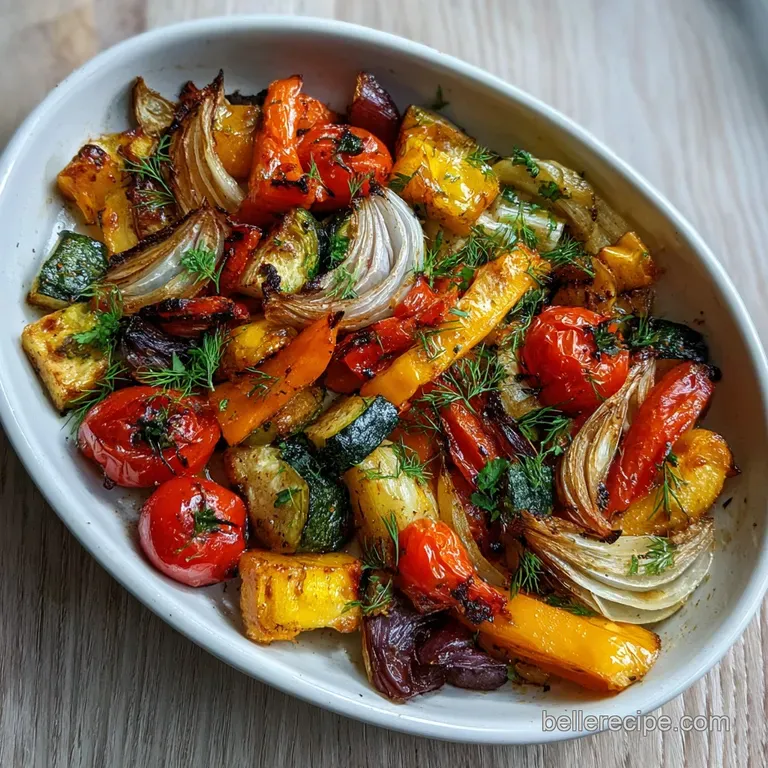
- Preheat the oven. Set it to 425°F (218°C). Note: A hot oven is non negotiable for achieving a crispy exterior before the inside turns to mush.
- Prep the potatoes. Cube 1 lb Yukon Gold potatoes into 1 inch pieces.
- Slice the carrots. Peel 2 large carrots and slice them into thick diagonals about 1/2 inch thick.
- Trim the sprouts. Halve 0.5 lb Brussels sprouts after trimming the woody ends.
- Chop the peppers and onion. Cut 2 large bell peppers into 1.5 inch chunks and the red onion into thick wedges.
- Prepare the greens. Slice the zucchini into thick half moons and cut the broccoli into large florets.
- Season everything. Toss all vegetables in a large bowl with 3.5 tbsp olive oil, 1.5 tsp salt, 0.5 tsp pepper, 1 tsp oregano, 0.5 tsp garlic powder, and a pinch of red pepper flakes. Mix until every surface is glistening.
- Arrange the tray. Spread the vegetables onto a large sheet pan in a single layer. Ensure no two vegetables are overlapping.
- Roast the mix. Bake for 25 minutes, tossing halfway through with a spatula. Cook until the edges are charred and potatoes are fork tender.
- Final check. Remove from the oven when you hear the sizzle and see the broccoli tips turning dark brown.
Solving Common Texture Problems
The biggest heartbreak in the kitchen is spending time chopping only to have your oven-roasted vegetables and potatoes come out soggy. This usually happens because of "crowding." Vegetables are mostly water; when they heat up, they release steam.
If they are packed too tightly, that steam gets trapped under their neighbors, effectively boiling them. Give them space to breathe so the moisture can evaporate into the oven air.
Why Your Vegetables Are Saffy
If your tray looks wet instead of toasted, your oven temperature might be too low, or you used too much oil. Oil should coat, not drench. Another culprit is washing your vegetables and not drying them properly.
Any water left on the surface has to evaporate before roasting can begin, which wastes precious minutes of cook time.
| Problem | Root Cause | Solution |
|---|---|---|
| Soggy Vegetables | Overcrowded sheet pan | Use two pans or roast in batches |
| Burnt Onions | Wedges cut too thin | Keep onion pieces at least 1 inch thick |
| Raw Potatoes | Cubes are too large | Aim for 1 inch cubes for even cooking |
Common Mistakes Checklist
- ✓ Pat all vegetables completely dry with a kitchen towel after washing.
- ✓ Use a large enough bowl for tossing to ensure even seasoning distribution.
- ✓ Avoid "piling" the vegetables; if you can't see the bottom of the pan, it's too full.
- ✓ Don't skip the halfway toss; it ensures the "top" side gets a turn against the hot metal.
- ✓ Check your oven temp with an external thermometer; many ovens run 25 degrees cold.
Scaling Amounts for Large Gatherings
Scaling this easy roasted vegetables recipe is fairly simple since it’s a "sheet pan" meal. If you are cutting the recipe in half, you can use a smaller toaster oven sized pan, but keep the temperature the same.
The cooking time might drop by about 5 minutes because there is less total mass in the oven absorbing the heat, so start checking for doneness early.
When doubling or tripling, the math for spices changes slightly. You don't want to simply triple the salt, as it can become overwhelming. Start with 1.5x the salt and spices, then taste a finished piece and add more if needed. For the oil, keep the ratio consistent so every piece stays lubricated.
- If you want maximum crunch: Preheat the empty baking sheet in the oven for 10 minutes before adding the vegetables.
- If you want a Mediterranean roast: Add a handful of Kalamata olives and some cherry tomatoes during the last 10 minutes of roasting.
- If you want a spicy kick: Increase the red pepper flakes to 1/2 tsp and add a dash of smoked paprika.
If you are looking for other hearty ways to use similar ingredients, you should see how these flavors transform in my Savory Stuffed Bell Peppers recipe, which uses that same bell pepper sweetness but in a completely different, comforting way.
Common Roasting Myths Debunked
One of the most persistent myths is that you must peel everything for it to be "elegant." In reality, the skins of carrots and potatoes hold a massive amount of flavor and help the vegetables maintain their structure. A quick scrub is all you need.
Another myth is that "more oil equals more crisp." In fact, too much oil leads to greasy, heavy vegetables that feel "fried" rather than roasted. You want just enough to create a thin, shimmering film.
Finally, many people believe you can't roast different types of vegetables together. While it’s true they have different densities, the secret is in the cut. By cutting the "hard" vegetables (carrots, potatoes) smaller and the "soft" vegetables (peppers, zucchini) larger, you synchronize their internal clocks so they all reach the finish line at the exact same moment.
Storing Leftovers and Saving Scraps
Leftover oven-roasted vegetables seasoning and produce stay good in the fridge for about 4 to 5 days. Store them in a glass container to keep them from picking up other fridge odors. When you're ready to eat them again, avoid the microwave it will make them rubbery.
Instead, throw them back into a hot skillet for 3 minutes or a toaster oven until they sizzle again.
- Save the peels
- If you do peel your carrots, keep the skins in a freezer bag for making homemade veggie stock.
- Broccoli stems
- Don't toss them! Peel the woody outer layer, dice the tender center, and roast it right along with the florets.
- The "Everything" Omelet
- Any leftover roasted bits are incredible folded into morning eggs with a bit of goat cheese.
Dishes That Pair Well
These vegetables are the ultimate "chameleon" side dish. They are hearty enough to stand next to a Sunday roast but light enough to serve with a piece of grilled fish. Because they have those Mediterranean roasted vegetables vibes with the oregano and garlic, they go beautifully with a side of hummus or a dollop of Greek yogurt.
If you are planning a larger dinner party, try serving these alongside a Perfectly Roasted Beef Tenderloin recipe. The richness of the beef is perfectly balanced by the charred, sweet notes of the red onions and carrots. It creates a meal that feels fancy but is actually quite simple to pull off. Cooking this way focusing on simple ingredients and high heat is the most comforting way I know to feed the people I love. Enjoy the process, smell the herbs, and don't forget to eat a few crispy potatoes straight off the pan!
Recipe FAQs
What is the best temperature to roast vegetables at in the oven?
425°F (218°C) is ideal. High, consistent heat is crucial for driving out moisture quickly, allowing the vegetable surfaces to caramelize (Maillard reaction) rather than steam.
What is the secret to roasting vegetables?
Don't crowd the pan. Vegetables must have space between them so steam evaporates into the oven air, leading to crisp, charred edges instead of a soggy, boiled texture.
Which vegetables are good for oven roasting?
Hard root vegetables mixed with softer aromatics work best. Pair dense items like potatoes and carrots with faster cooking items like broccoli or bell peppers, ensuring you cut them to roughly equal sizes.
How to make perfect oven-roasted vegetables?
Toss vegetables generously in oil and spread them in a single layer on a hot baking sheet. Roast at 425°F, turning halfway through, until the edges are deeply browned and the interiors are tender.
Do I need to peel root vegetables before roasting?
No, peeling is usually unnecessary for standard roasting. The skins of potatoes and carrots hold flavor and nutrients, and they crisp up beautifully when exposed to high heat.
Is it true that I should always use parchment paper for roasting?
No, parchment paper hinders maximum crispness. For the best bottom char, place the oiled vegetables directly onto a preheated metal baking sheet, which provides superior heat transfer.
What is the best way to ensure potatoes cook through evenly with the softer vegetables?
Cut the denser vegetables smaller than the softer ones. For instance, dice potatoes into 1 inch cubes while leaving broccoli florets slightly larger; this synchronizes their cooking times, similar to the technique used when making a Classic French Onion Soup recipe.
oven-roasted Vegetables
Ingredients:
Instructions:
Nutrition Facts:
| Calories | 243 kcal |
|---|---|
| Protein | 6.8 g |
| Fat | 10.5 g |
| Carbs | 34.4 g |
| Fiber | 7.4 g |
| Sugar | 6.2 g |
| Sodium | 695 mg |
