Pan Seared Venison Backstrap: Butter Basted and Tender
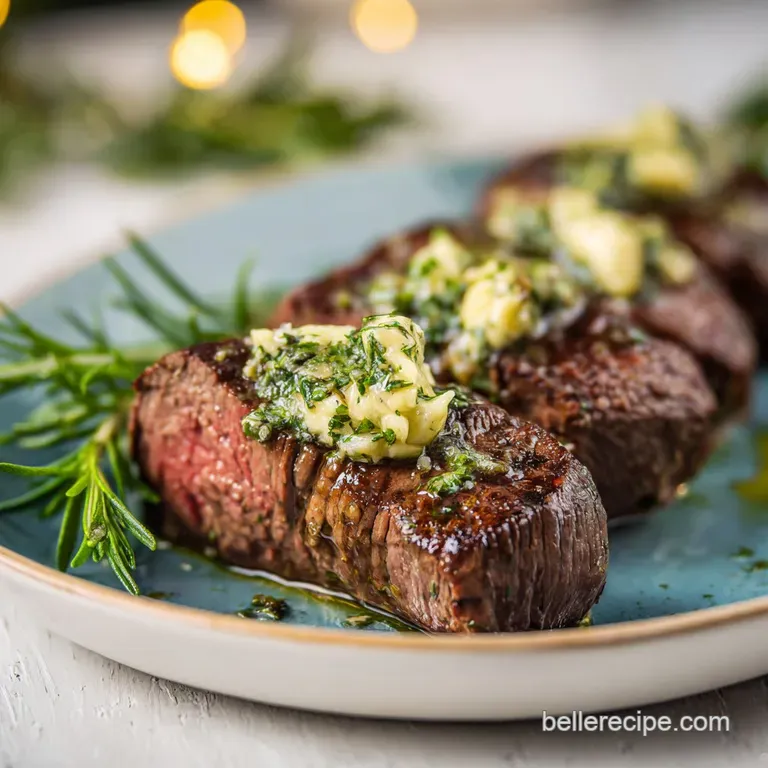
- Time: Active 12 minutes, Passive 55 minutes, Total 67 minutes
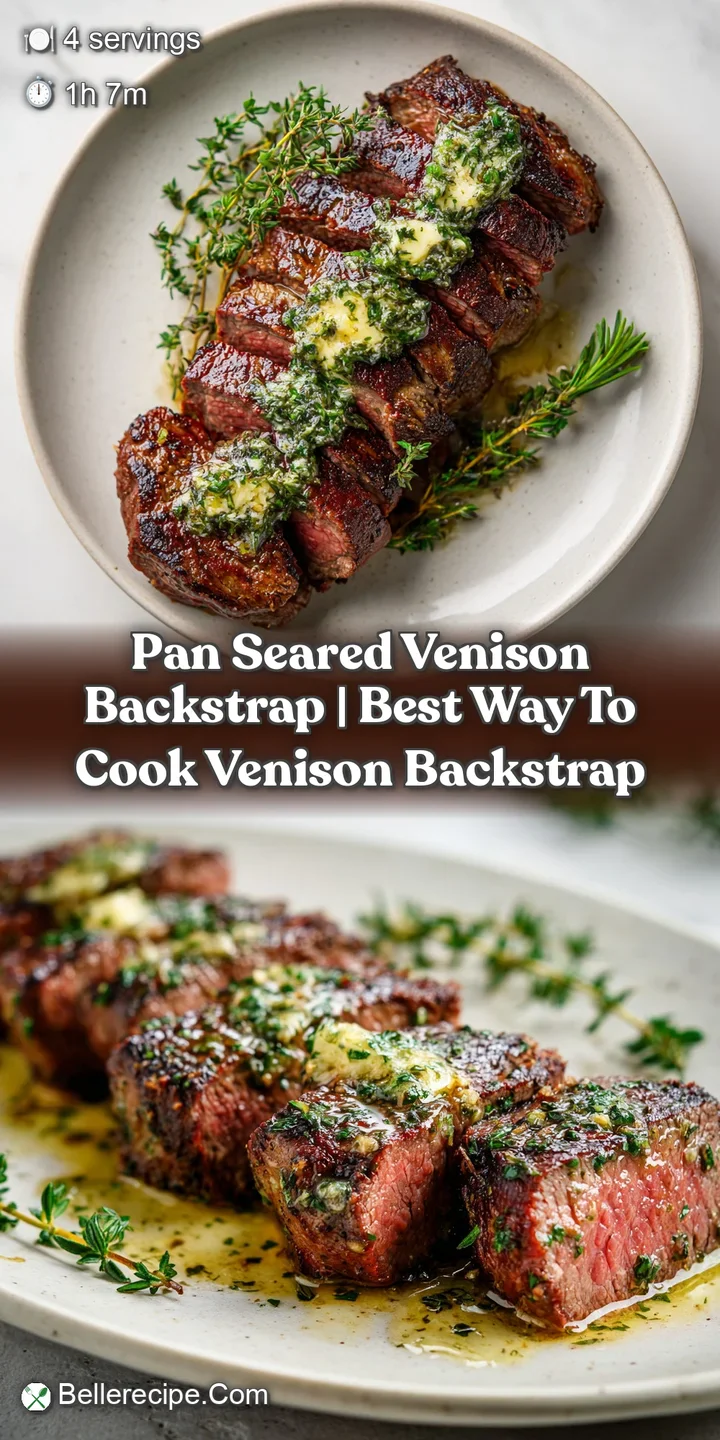
- Flavor/Texture Hook: A shatter crisp exterior giving way to a velvety, melt in-the mouth center.
- Perfect for: A special celebratory dinner or a mindful weekend feast.
- Create the Perfect Seared backstrap recipe
- Vital Recipe Measurements and Times
- What Actually Makes It Tender
- Selecting the Best Natural Ingredients
- Recommended Gear for Best Results
- Executing the Method Step by Step
- Handling Technical Challenges and Errors
- Adapting for Special Dietary Needs
- Preserving and Using Your Leftovers
- Final Touches and Pairing Ideas
- High in Sodium
- Recipe FAQs
- 📝 Recipe Card
Create the Perfect Seared backstrap recipe
The kitchen is quiet, save for the rhythmic tick of the clock and the distant song of a bird outside. There is a specific aroma that fills the room when a cast iron skillet reaches that shimmering point of heat it’s a metallic, expectant scent that tells you something wonderful is about to happen.
I remember the first time I cooked a backstrap this way; the kitchen was bathed in the warm, golden light of late afternoon, and the air smelled of woodsmoke and fresh rosemary from the garden. It felt like a moment of pure connection to the land and the meal we were about to share.
When you lay that 1.75 lb venison backstrap into the pan, the initial hiss isn't just a sound; it’s a promise of the textures to come. We aren't just cooking meat here; we are honoring the ingredient.
This isn't about complex marinades that mask the flavor, but about high-quality fats, fresh aromatics like garlic and shallots, and the patience to let the heat do its work. It's a mindful process that rewards you with a dish that feels both incredibly special and deeply comforting.
I’ve learned the hard way that rushing this cut is a mistake you only make once. I used to pull it straight from the fridge and wonder why the outside was burnt while the inside stayed icy.
Now, I treat the tempering process like a quiet ritual – 45 minutes of letting the meat breathe and relax. The result is a velvety texture that simply can’t be achieved any other way. Trust me, the wait is the most important "ingredient" in this whole process.
Vital Recipe Measurements and Times
The key to success with any wild game is precision. Because venison is so lean, the window between "perfectly medium rare" and "shoe leather" is incredibly narrow. We are looking for a total cook time of 12 minutes, but your eyes and a good thermometer are your best friends here.
You want to see that deep, dark crust form before you even think about adding your butter and aromatics.
| Thickness | Internal Temp | Rest Time | Visual Cue |
|---|---|---|---|
| 5 cm (2 inches) | 54°C (130°F) | 10 minutes | Warm red center, springy touch |
| 4 cm (1.5 inches) | 54°C (130°F) | 8 minutes | Mahogany crust, gentle give |
| 3 cm (1 inch) | 52°C (125°F) | 5 minutes | Seared edges, soft center |
Letting the meat rest is the secret to keeping those juices inside the steak rather than on your cutting board. During these 5 to 10 minutes, the muscle fibers relax and reabsorb the moisture that the heat pushed toward the center.
It’s the difference between a dry piece of meat and one that feels truly restorative and silky.
What Actually Makes It Tender
Understanding why we do certain things helps us become more intuitive cooks. This isn't about complex formulas, but rather about how heat and moisture interact with the lean proteins in our backstrap.
- Surface Tension: By patting the meat extremely dry until it's tacky, we remove the water molecules that would otherwise turn into steam. Steam prevents the "crunch," whereas a dry surface allows the proteins to brown into a beautiful crust.
- Heat Distribution: Tempering the meat for 45 minutes ensures the internal temperature is even. If the center is cold, the outside has to overcook for the inside to reach safety, which leads to that dreaded gray ring of dry meat.
- Aromatic Infusion: Basting with foaming butter creates a gentle "envelope" of heat. The butter carries the oils from the rosemary and the sweetness of the shallot deep into the exterior of the meat without the aggression of a direct flame.
| Component | Role | Pro Secret |
|---|---|---|
| Grapeseed Oil | over High heat searing | Its high smoke point prevents a bitter, burnt flavor during the initial sear. |
| Unsalted Butter | Flavor & basting | Using unsalted lets you control the seasoning perfectly while providing the milk solids for browning. |
| Kosher Salt | Moisture draw | It pulls moisture out, then dissolves into a brine that the meat reabsorbs, seasoning it deeply. |
When the butter hits the pan and starts to foam, it’s undergoing a beautiful transformation. Those milk solids are browning, adding a nutty richness that pairs perfectly with the earthiness of the venison. It’s a sunny, golden addition to a dish that can otherwise feel very dark and heavy.
Selecting the Best Natural Ingredients
For this recipe, we want the cleanest, most vibrant flavors possible. We are using 1.75 lb of venison backstrap, which should be cleaned of all silver skin. That silver skin is tough and won't break down during a quick sear, so take the time to trim it carefully with a sharp knife.
- 1.75 lb venison backstrap: The star of the show. Ensure it's trimmed and brought to room temperature. Why this? It’s the most tender, prized cut with a delicate, non gamey flavor profile.
- 2 tsp kosher salt: Use a coarse salt like Diamond Crystal for better coverage. Why this? Large flakes provide even seasoning without over salting the interior.
- 1 tsp black pepper: Coarsely cracked is best for a bit of texture and bite. Why this? Pre ground pepper loses its volatile oils; fresh cracked adds a bright, spicy floral note.
- 2 tbsp grapeseed oil: Or any neutral oil with a high smoke point. Why this? It stays stable at the high temperatures needed for that initial crust.
- 4 tbsp unsalted butter: This provides the "velvet" finish to the sauce. Why this? It allows for basting which creates an even, gentle cook on the top side.
- 4 cloves garlic: Smashed, not minced, to release oils without burning. Why this? Mined garlic burns in seconds; smashed cloves infuse the butter gently.
- 3 sprigs fresh rosemary: Fresh is essential here for that forest like aroma. Why this? Dried rosemary can be needle like and bitter; fresh is resinous and sweet.
- 1 small shallot: Halved to add a subtle, onion like sweetness. Why this? Shallots are milder than onions, providing a sophisticated depth to the butter baste.
If you're looking for a side that feels just as comforting, this dish pairs beautifully with my Homemade Baked Beans recipe. The sweetness of the beans cuts through the rich, buttery finish of the venison in a way that feels like a warm hug at the dinner table.
Recommended Gear for Best Results
You don't need a kitchen full of gadgets, but a few specific tools will make this experience much smoother. A 12 inch cast iron skillet (like a Lodge) is my absolute favorite for this. Cast iron holds onto heat like a dream, meaning when you put that cold ish meat into the pan, the temperature doesn't plummet.
This is vital for achieving that mahogany crust we're after.
You’ll also want a large, sturdy spoon for the basting process. I prefer a stainless steel spoon with a bit of a deep bowl so you can scoop up plenty of that foaming, aromatic butter. And please, use an instant read thermometer.
It’s the only way to be 100% sure you’ve hit that perfect 54°C (130°F) for a medium rare finish. Guessing by touch is a skill that takes years, and there's no shame in using technology to protect your hard earned harvest.
Finally, make sure you have plenty of paper towels. It might seem trivial, but getting the meat "tacky" dry is a step you cannot skip. If the meat feels slippery, it’s not dry enough. I often use three or four changes of towels to make sure every bit of surface moisture is gone before the pepper goes on.
Executing the Method step-by-step
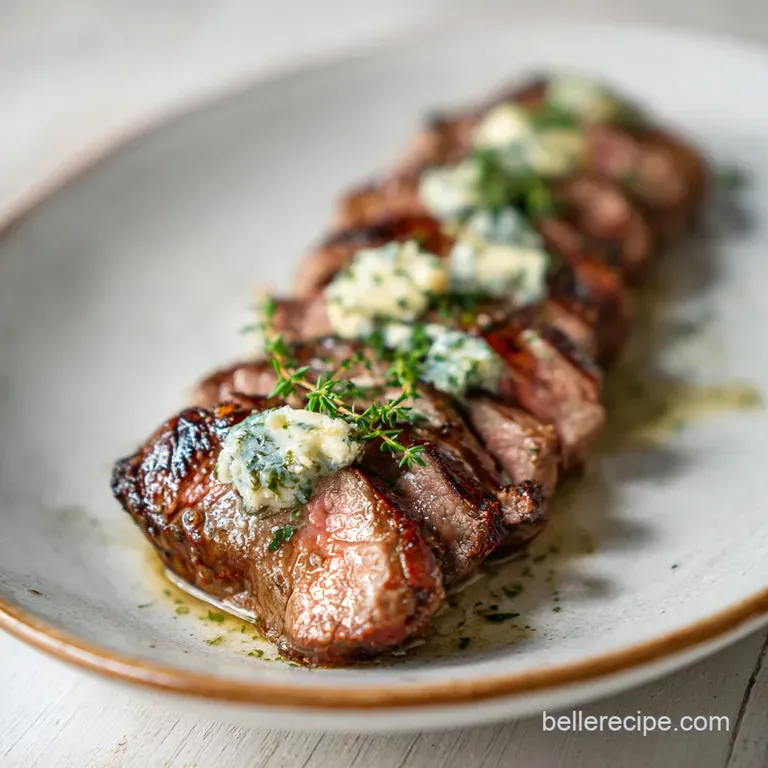
- Remove the 1.75 lb backstrap from the refrigerator 45 minutes before you plan to cook. Generously coat all sides with the 2 tsp kosher salt. Note: This allows the salt to penetrate and the muscle fibers to relax.
- Pat the meat extremely dry with paper towels until the surface feels tacky and sticks slightly to your fingers. Season with the 1 tsp cracked black pepper.
- Heat your 12 inch cast iron skillet over medium high heat. Add the 2 tbsp grapeseed oil and wait until it is shimmering and just starting to whisps of smoke appear.
- Place the backstrap in the pan, laying it away from you to avoid splashes. Sear undisturbed for 3-4 minutes per side until a deep, dark mahogany crust forms.
- Lower the heat to medium. Add the 4 tbsp butter, 4 smashed garlic cloves, 3 rosemary sprigs, and the halved shallot.
- Once the butter foams and smells nutty, tilt the pan slightly. Use a large spoon to continuously bathe the meat in the bubbling, aromatic butter.
- Continue basting for about 3-5 minutes until the internal temperature reaches 52-54°C (125-130°F).
- Remove the meat from the pan and place it on a warm plate or cutting board.
- Let it rest for 5-10 minutes until the juices have redistributed and the meat feels firm but yielding.
- Slice against the grain into thick medallions and serve immediately with the remaining pan butter drizzled over the top.
Chef's Tip: If your butter starts to smell like it's burning rather than toasting, add a small splash of oil or a tiny knob of cold butter to the pan. This instantly drops the temperature and saves the flavor.
Handling Technical Challenges and Errors
Even with the best intentions, things can go sideways in the kitchen. The most common issue people have with a backstrap recipe is the meat turning out tough or "livery." This almost always comes down to heat management. If your pan is too cold, the meat will bleed out its juices and boil in its own liquid.
If it's too hot for too long, the outside will char before the inside even thinks about warming up.
Why Your Venison is Tough
If the meat feels like rubber, it was likely overcooked or not rested long enough. Venison lacks the intramuscular fat (marbling) of beef, so it doesn't have a "buffer." Once you pass medium rare, the proteins tighten up and squeeze out all the moisture.
How to Fix Gamey Flavors
While good backstrap shouldn't be "gamey," some people are sensitive to it. This "gameyness" is often just the fat and silver skin. By being meticulous with your trimming and using the aromatics like rosemary and garlic, you create a flavor bridge that makes the meat taste earthy and rich rather than "wild."
| Problem | Root Cause | Solution |
|---|---|---|
| Grey, steamed exterior | Meat was too wet when it hit the pan | Pat dry with extra paper towels until the surface is tacky. |
| Butter burning/smoking | Heat was too high when butter was added | Lower the heat to medium and wait 30 seconds before adding butter. |
| Meat is dry inside | Overcooked or skipped the rest period | Pull at 52°C (125°F) and rest for a full 10 minutes. |
Common Mistakes Checklist:
- ✓ Skipping the tempering: Cold meat will always cook unevenly.
- ✓ Using a thin pan: Lightweight pans have hot spots that will scorch the meat.
- ✓ Crowding the pan: If you have a massive backstrap, cut it in half rather than cramming it in.
- ✓ Slicing too soon: If you see a pool of red juice on the board, you didn't rest it long enough.
- ✓ Forgetting to lower the heat: High heat is for the sear; medium heat is for the baste.
Adapting for Special Dietary Needs
Cooking for friends with different needs shouldn't mean sacrificing that comforting flavor. You can easily swap out a few things to make this dish work for everyone at your table. The most common request I get is for a dairy-free version.
While butter is traditional, you can achieve a similar "browning" effect with other fats if you're mindful.
| Original Ingredient | Substitute | Why It Works |
|---|---|---|
| Unsalted Butter | Ghee (Clarified Butter) | High smoke point and rich flavor, but most solids (lactose) are removed. |
| Unsalted Butter | Beef Tallow | Adds an incredible savory depth; very traditional for wild game. |
| Rosemary | Fresh Thyme | A softer, more citrusy herb note that still feels very "forest like." |
If you want to try something a bit different for the bread course, serving this alongside a toasted Sourdough Baguette is a game changer. The tang of the sourdough is a beautiful contrast to the rich, garlic infused butter left in the pan.
Preserving and Using Your Leftovers
In the rare event that you have leftovers, they are a gift for the next day. However, venison is tricky to reheat because it overcooks so quickly. My favorite way to handle leftover backstrap is to not "cook" it again at all.
Slice it very thin and let it come to room temperature, then lay it over warm grains or a hot salad. The residual heat of the other food will take the chill off without making the meat tough.
For storage, keep the medallions in an airtight container in the fridge for up to 3 days. I don't recommend freezing the cooked meat, as the texture will become grainy once thawed. Instead, if you have raw leftovers, wrap them tightly in plastic wrap and then foil before freezing for up to 3 months.
Don't toss those aromatics! The garlic and shallots from the pan are delicious smashed onto a piece of toast. If you have the bones or extra trimmings from the silver skin, simmer them with some onion and carrot to make a quick "game stock" that you can freeze in ice cube trays for future sauces.
It's a mindful way to ensure nothing goes to waste.
Final Touches and Pairing Ideas
Serving this backstrap is all about the presentation. I love to slice it into thick, 2 centimeter medallions and fan them out on a warm platter. Drizzle that golden, rosemary scented butter right over the top it’s the best "sauce" you could ask for.
It feels so together and sunny when you bring it to the table, especially if you've got some roasted root vegetables or a creamy mash on the side.
If you’re feeling adventurous, a small dollop of blackberry jam or a red wine reduction can add a sweet tart contrast that highlights the savory notes of the venison. But honestly? A sprinkle of flaky sea salt is often all you need to make the flavors sing.
- If you want a classic pairing, go with roasted garlic mashed potatoes.
- If you want something bright, try a simple arugula salad with lemon vinaigrette.
- If you want a rustic feast, serve it with sautéed wild mushrooms and plenty of crusty bread.
There’s a beautiful myth that you need to soak venison in milk or vinegar to "get the game out." In reality, that just masks the flavor and messes with the texture. If you have a high-quality backstrap and you cook it mindfully with these techniques, the meat will be sweet, clean, and incredibly tender.
Searing does not "seal in juices" that’s another common misconception but it does create the Maillard reaction, which is where all that deep, savory flavor comes from. The juices stay inside because we controlled the temperature and let the meat rest. Enjoy every bite!
High in Sodium
950 mg 950 mg of sodium (41% 41% of daily value)
The American Heart Association recommends limiting sodium intake to less than 2,300mg per day, with an ideal limit of about 1,500mg for most adults.
Tips to Reduce Sodium
-
Reduce Added Salt-25%
Eliminate the 2 tsp of kosher salt entirely. Venison has natural flavor, and you can achieve deliciousness with other seasonings.
-
Boost Aromatics and Herbs
Amp up the garlic, rosemary, and shallot. Consider adding other fresh herbs like thyme or sage, or even a pinch of dried herbs for more complex flavor.
-
Embrace Black Pepper
Keep the 1 tsp of coarsely cracked black pepper. Its robust flavor can help compensate for the absence of salt.
-
Use Unsalted Butter
Ensure you are using unsalted butter as specified. Salted butter would add unnecessary sodium.
-
Control Cooking Oil
Use 2 tbsp of grapeseed oil for searing. Be mindful of any marinades or sauces you might add later, as these can be hidden sodium sources.
Recipe FAQs
How should backstrap be cooked?
Sear it in a cast iron skillet using a butter basting technique. This approach builds a deep mahogany crust while protecting the tender interior from overcooking.
Do you need to marinate a backstrap?
No, avoid masking the meat's natural flavor with heavy marinades. Instead, temper the meat for 45 minutes and use a dry kosher salt rub to season it effectively before searing.
What is backstrap steak good for?
It serves as a high end, tender centerpiece for celebratory dinners. Because it is an extremely lean cut, it performs best when cooked quickly to a medium rare finish, similar to how you would treat a high-quality beef tenderloin.
How to cook venison backstrap like a steak?
Pat the meat extremely dry with paper towels to ensure a superior sear. Once you achieve that mahogany crust, lower the heat and finish by basting the meat with foaming butter, smashed garlic, rosemary, and shallots until it reaches your desired temperature.
Is it true I must marinate the meat for 24 hours to keep it tender?
No, this is a common misconception. You can salt the meat up to 24 hours in advance to draw out moisture, but you do not need a liquid marinade to ensure tenderness if you use proper heat control.
How to ensure the crust is perfectly crisp without burning the butter?
Wait until your grapeseed oil is shimmering and just starting to smoke before adding the meat. If you enjoyed mastering this high heat searing technique, you can apply the same principle to our pan-seared preparation to achieve professional results every time.
How to tell when the backstrap is done?
Use your sensory cues during the basting process to judge doneness. Since backstrap is delicate, always remove it from the pan once it feels firm yet yielding, then let it rest for 5-10 minutes to allow the juices to redistribute.
Pan Seared Venison Backstrap
Ingredients:
Instructions:
Nutrition Facts:
| Calories | 409 kcal |
|---|---|
| Protein | 46 g |
| Fat | 23 g |
| Carbs | 2 g |
| Fiber | 0.4 g |
| Sugar | 0.5 g |
| Sodium | 950 mg |
