Authentic Haitian Pikliz Recipe
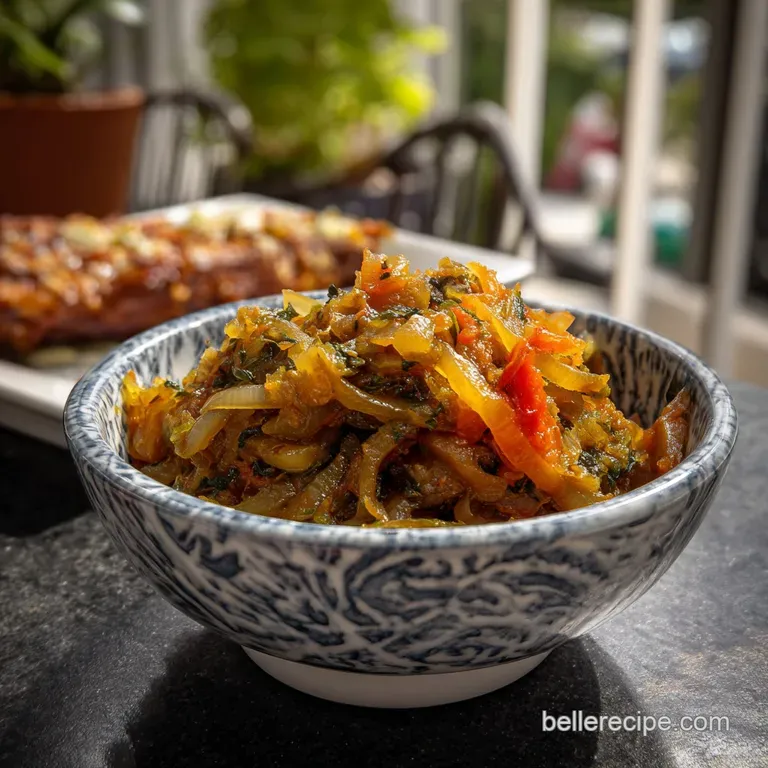
- Time: Active 25 minutes, Passive 3 days, Total 3 days 25 minutes
- Flavor/Texture Hook: Sharp, vinegar forward snap with a lingering Scotch bonnet heat
- Perfect for: Cutting through rich fried foods, meal prep, and spice enthusiasts
- Transform the humble cabbage with this vibrant pikliz recipe
- Building layers of crunch and heat for the ultimate condiment
- Selecting the right produce for a sharp and zesty finish
- Essential tools for a safe and successful pickling session
- Step by step guide to fermenting your vibrant vegetable relish
- Common pitfalls and how to keep your jar fresh
- Adjusting your batch size for small jars or parties
- Creative variations to suit your specific spice tolerance level
- Preserving the snap of your vegetables for months ahead
- Best ways to enjoy your homemade relish with every meal
- Pikliz Recipe FAQs
- 📝 Recipe Card
Transform the humble cabbage with this vibrant pikliz recipe
The moment you open a jar of this, the air fills with a sharp, wake up call of distilled vinegar and the floral, fruity sting of Scotch bonnets. I remember sitting at a tiny kitchen table in Little Haiti, watching a friend’s mother hand shred cabbage with the kind of rhythm that only decades of practice can produce.
She told me that a meal without it wasn't just incomplete; it was a conversation without a punchline. That’s what this pikliz recipe is the bold, spicy exclamation point at the end of every bite.
We often think of pickles as a side thought, but in Haitian cuisine, this is the backbone of the plate. It isn’t just about heat; it’s about a mindful balance of acidity and texture. When I first tried making this at home, I rushed the process and didn't let it sit.
It was "fine," but it lacked that transformative soul that only comes with a few days of patience. Now, I make sure to share this with anyone who feels their weeknight dinners have become a bit too quiet.
Transforming these simple ingredients into something that can make your mouth water just by looking at the jar is a small kind of kitchen magic. It’s comforting to know that with just 25 minutes of prep and a few days in the dark of your fridge, you’ve created a layer of flavor that can liven up everything from fried fish to a simple bowl of rice and beans.
Let's walk through how to build those layers properly so every forkful has that signature shatter.
Building layers of crunch and heat for the ultimate condiment
The magic of this condiment lies in the interplay between the raw, fibrous structure of the vegetables and the aggressive acidity of the brine. Instead of cooking the vegetables, we are essentially "cold cooking" them through a long soak.
This preserves the structural integrity of the cabbage, ensuring it doesn't turn into a mushy slaw but remains a vibrant, crunchy relish.
The Science of Why it Works: Osmosis draws moisture out of the vegetable cell walls, creating microscopic pathways for the acetic acid in the vinegar to penetrate and preserve.
This process, known as acidification, lowers the pH of the vegetables to a level that prevents spoilage while maintaining a firm, crisp texture.
Comparison of Curing Methods
| Method | Time | Texture Result | Best Use Case |
|---|---|---|---|
| Cold Cure (Standard) | 3 days | Maximum snap and vibrant color | Traditional Haitian Griot pairings |
| Blanched | 15 minutes | Softer, more pliable vegetables | Quick service for sensitive palates |
| Quick Pickle | 2 hours | Raw vegetable taste with surface tang | Immediate garnish for tacos or salads |
Choosing the cold cure method is essential if you want the vegetables to retain their "shatter" when you bite into them. While blanching might seem like a time saver, it breaks down the pectin in the cell walls, leading to a velvety texture that feels out of place in an authentic pikliz recipe.
The three day wait isn't just a suggestion; it is the time required for the Scotch bonnets to infuse the entire jar with their fruity, searing heat.
Selecting the right produce for a sharp and zesty finish
To get that classic look and taste, you need to be intentional about your vegetable choices. We aren't looking for the soft leaves of Napa cabbage here; we need the sturdy, dense heart of a green cabbage. It provides the structural foundation that stands up to the vinegar without wilting.
Similarly, using Scotch bonnets over Habaneros is a small but significant choice Scotch bonnets have a distinct apricot like sweetness that balances the sharp white vinegar.
Ingredient Deep Dive
| Ingredient | Science Role | Pro Secret |
|---|---|---|
| Distilled White Vinegar | Primary Acidifier | Use 5% acidity for safety and a clean, sharp bite |
| Scotch Bonnet Peppers | Heat and Aromatics | Pierce the peppers to release oils without over seeding |
| Kosher Salt | Moisture Extractor | Avoid table salt to keep the brine clear and bright |
| Fresh Lime Juice | Secondary Acidifier | Adds a top note of citrus that cuts the harsh vinegar |
Component Substitution Table
| Original Ingredient | Substitute | Why It Works |
|---|---|---|
| Scotch Bonnet | Habanero | Similar heat level. Note: Lacks the specific fruity notes of Scotch bonnet. |
| Shallots | Red Onion | Both offer a sharp, sulfurous bite that mellows in vinegar. |
| Distilled Vinegar | Apple Cider Vinegar | Same acidity. Note: Will turn the brine cloudy and slightly brown. |
Essential tools for a safe and successful pickling session
Preparation for this pikliz recipe is mostly knife work, but safety is a huge factor when dealing with six Scotch bonnets. I once made the mistake of chopping these without gloves and then rubbing my eye it’s a mistake you only make once. Beyond safety, the goal is consistency.
If your cabbage is thick and your carrots are thin, they won't cure at the same rate.
Chef's Tip: If you don't have gloves, rub a small amount of neutral oil on your hands before handling the peppers. The oil creates a temporary barrier that prevents the capsaicin from soaking into your skin.
You'll also need a large glass jar. Avoid plastic containers, as the high acidity of the vinegar and the oils from the peppers can leach flavors or stain the plastic permanently. A wide mouth Mason jar is ideal because it allows you to pack the vegetables tightly, ensuring they stay submerged under the brine.
- Mandoline Slicer: Use this for the cabbage to get those paper thin, uniform strands that look professional.
- Nitrile Gloves: A non negotiable for slicing the Scotch bonnets to avoid "pepper burn."
- Glass Mason Jar (1 Liter): Provides a non reactive environment for the long cure.
- Non Reactive Bowl: Use stainless steel or glass for mixing the vegetables with salt.
step-by-step guide to fermenting your vibrant vegetable relish
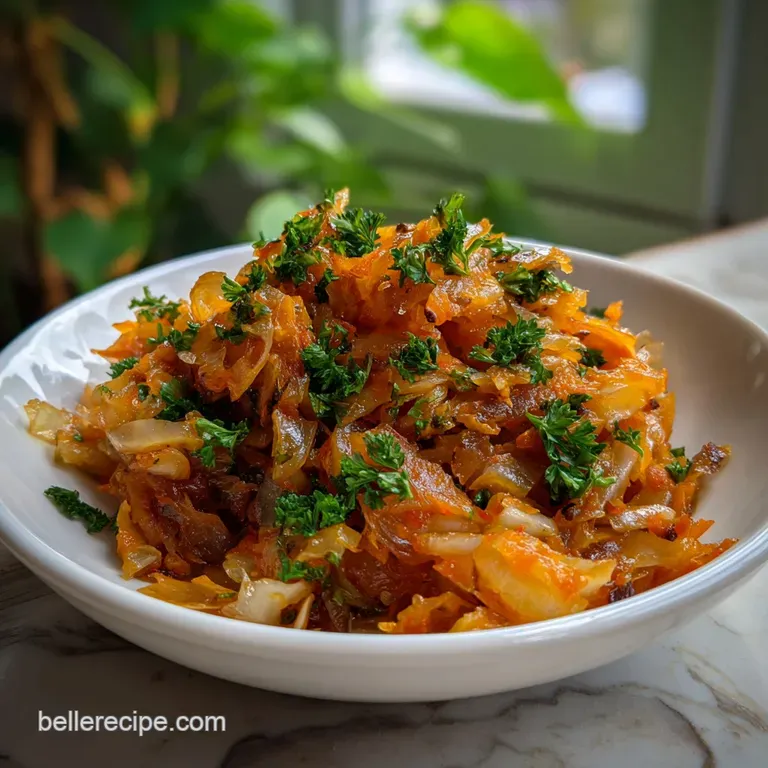
Now we get to the tactile part of the process. This is where you transform a pile of raw vegetables into a shelf stable masterpiece. It’s a mindful process the colors of the carrots and bell peppers against the pale green cabbage are beautiful.
Take your time with the slicing; the more uniform the vegetables, the better the final mouthfeel.
- Shred the cabbage. Use a mandoline or a very sharp knife to slice 450g of green cabbage into 3mm thick strands. Note: Thin strands absorb the brine faster and provide a better crunch.
- Prep the aromatic base. Julienned 150g of carrots and thinly slice 60g of shallots and 75g of bell peppers.
- Handle the heat. Wearing gloves, slice 6 Scotch bonnet peppers into thin rings. Note: Keep the seeds if you want it very spicy; remove them for a milder version.
- Smash the garlic. Lightly crush 4 cloves of garlic and halve them to expose more surface area.
- Toss and season. In a large non reactive bowl, combine all the vegetables, 1.5 tsp kosher salt, and 1 tsp peppercorns.
- Macerate briefly. Let the salted vegetables sit for 10 minutes until they look slightly glossy and softened.
- Pack the jar. Transfer the mixture into a clean glass jar, pressing down firmly with a spoon to remove air pockets.
- Mix the brine. Whisk together 2 cups distilled white vinegar and 0.25 cup fresh lime juice.
- Submerge everything. Pour the brine over the vegetables until they are completely covered by at least 1cm of liquid.
- Seal and cure. Close the lid tightly and place in the refrigerator for 3 days until the flavors have melded and the heat has mellowed.
Pikliz offers a sharp contrast to rich proteins, much like the bright lemon butter sauce in our Chicken Bryan Recipe. The acidity isn't just for flavor; it's a functional tool that helps your palate navigate the fats of a dish without feeling overwhelmed.
Common pitfalls and how to keep your jar fresh
Even though this is a relatively simple "dump and stir" recipe, things can go sideways if you ignore the details. The most common issue I hear about is the liquid level. If your vegetables are poking out above the vinegar, they will oxidize and turn grey.
It won't necessarily make you sick if it's in the fridge, but the texture will be disappointing and the flavor will turn "off."
Troubleshooting Your Pikliz
| Problem | Root Cause | Solution |
|---|---|---|
| Soft/Soggy Cabbage | Over macerating or old produce | Only salt for 10 mins and use fresh, heavy cabbage. |
| Dull/Cloudy Brine | Used iodized table salt | Always use Kosher or sea salt to avoid additives. |
| Lack of Heat | Pepper oils didn't release | Lightly bruise the pepper rings before adding them to the jar. |
Common Mistakes Checklist
- ✓ Never skip the gloves: Scotch bonnet oils persist on skin even after washing with soap.
- ✓ Don't use metal lids: The vinegar will eventually corrode standard metal Mason jar lids; use plastic storage lids if possible.
- ✓ Avoid "over packing": If the jar is too tight, the brine can't reach the center, leaving some veggies raw and unseasoned.
- ✓ Check the expiration of your vinegar: Use a fresh bottle to ensure the acidity is at its peak 5%.
- ✓ Wait the full 3 days: Tasting it after 1 hour will just give you "vinegary cabbage" rather than the integrated flavor of a true pikliz.
Adjusting your batch size for small jars or parties
Scaling a pikliz recipe is generally straightforward because it relies on ratios. However, if you are doubling the batch to give away as gifts (which I highly recommend), you have to be careful with the salt and the heat.
Spices don't always scale linearly; sometimes doubling the peppers can make the heat exponentially more intense because the total volume of capsaicin rich oil increases.
Scaling Down (½ batch): If you only have a small jar, halve all ingredients exactly. You can use a smaller 500ml jar, but keep the 3 day curing time the same. The ratio of vinegar to lime remains crucial for the "punch."
Scaling Up (2x or more): When doubling, use a large gallon sized glass jar. Increase the salt to 2.5 teaspoons rather than a full double (3 tsp) to avoid over salting, as the vegetables will release more water in a larger pile. Keep the vinegar to lime ratio at 8:1 for that signature profile.
Quick Shortcut Options
| Goal | Ingredient Adjustment | Process Change |
|---|---|---|
| Extra Crunch | Keep cabbage shreds wider (5mm) | Add a piece of horseradish root to the jar. |
| Mild Flavor | Remove all seeds from peppers | Increase the bell pepper count for more sweetness. |
| Pink Brine | Use 100% red onion | Let it sit for 5 days to allow the color to bleed. |
Creative variations to suit your specific spice tolerance level
While the traditional Haitian version is quite fiery, I’ve found that you can adapt this recipe to fit your own kitchen's personality without losing the soul of the dish. If you find the Scotch bonnets too intimidating, you can swap them for Fresno chilies, which offer a beautiful red color and a much milder heat.
If you're into making your own staples from scratch, you might also enjoy the process of making a Silky Smooth Homemade recipe for your morning toast. It’s a completely different flavor profile, but it shares that same satisfaction of creating a pantry staple that is better than anything you can buy in a store.
- The Tropical Twist: Add a few slices of green mango or firm papaya to the mix. It adds a starchy, slightly sweet dimension that is incredible with grilled shrimp.
- The Garlic Bomb: Double the garlic and add a few whole cloves to the jar. After a week, the garlic cloves themselves become pickled treats that are surprisingly mellow.
- The Smoky Version: Add a pinch of smoked paprika or a whole dried chipotle pepper. It isn't traditional, but it adds a depth that pairs beautifully with BBQ meats.
Preserving the snap of your vegetables for months ahead
Because of the high vinegar content and the cold storage, your pikliz will stay vibrant for quite a while. In my house, a jar rarely lasts more than two weeks, but it is technically safe to eat for up to 3 weeks in the refrigerator.
After that, the vegetables begin to lose their structural integrity and become a bit too soft for my liking.
Storage: Always keep the jar in the back of the fridge where the temperature is most consistent. Ensure the vegetables stay submerged; if you've eaten half the jar and the liquid is low, you can top it off with a splash of extra white vinegar.
Zero Waste Tips: Don't throw away that spicy vinegar once the vegetables are gone! It is essentially a "liquid gold" hot sauce. I use the leftover brine to marinate chicken, toss it into a bloody mary for a kick, or use it as the acid base for a zesty vinaigrette.
You can even use the garlic cloves and peppercorns left at the bottom to start a new batch of quick pickled cucumbers.
Best ways to enjoy your homemade relish with every meal
The most iconic way to serve this is with Griot (Haitian fried pork) and Diri ak Pwa (rice and beans). The fat from the pork and the starch from the rice need the acidity of the pikliz to create a balanced bite. However, don't feel limited to Haitian classics.
This relish is a versatile beast that can transform almost anything.
Try it on top of a heavy burger or a pulled pork sandwich. The vinegar cuts through the richness of the meat, while the cabbage provides a crunch that lettuce simply can't match. I’ve even been known to fold a few tablespoons into a tuna salad or egg salad to give it a bright, spicy lift.
- Seafood Pairing: Spoon it over grilled red snapper or fried calamari. The lime juice in the brine is a natural partner for white fish.
- Breakfast Kick: Top your avocado toast or a plate of scrambled eggs with a forkful of pikliz. It wakes up the creamy fats of the avocado and eggs instantly.
- Vegetarian Power: Use it as a topping for a grain bowl with roasted sweet potatoes and black beans. The contrast of the sweet potato and the spicy vinegar is incredible.
When you share a jar of this with a friend, you're not just giving them a condiment; you're giving them a tool to make every meal in their house a little more vibrant. It’s mindful cooking at its best taking simple, affordable ingredients and transforming them into something that demands attention on the plate.
Enjoy the heat!

Pikliz Recipe FAQs
What is pikliz made of?
Pikliz is a Haitian condiment made primarily from shredded cabbage, carrots, onions, and Scotch bonnet peppers. It's pickled in a brine of vinegar and lime juice, creating a spicy, tangy, and crunchy relish.
Is Haitian pikliz healthy?
Yes, pikliz can be considered healthy in moderation. It's packed with fiber from the vegetables and contains beneficial probiotics from the fermentation process. The vinegar also aids digestion.
What is Haiti's most famous dish?
While there isn't one single "most famous" dish, Griot (fried pork) and Diri ak Pwa (rice and beans) are extremely popular and representative of Haitian cuisine. Pikliz is an essential accompaniment to these dishes, cutting through their richness.
Is pikliz similar to kimchi?
Yes, pikliz is similar to kimchi in that both are fermented vegetable condiments that provide a spicy kick. However, pikliz uses a vinegar based brine, giving it a more direct acidic tang, whereas kimchi typically relies on chili paste and fermented seafood for its flavor profile and uses a different
fermentation process.
How long does pikliz last in the refrigerator?
Pikliz can last for up to 3 weeks in the refrigerator. For the best texture and flavor, aim to consume it within the first two weeks, as the vegetables can start to soften over time.
Can I make pikliz less spicy?
Yes, you can significantly reduce the spiciness of pikliz. To do this, remove all seeds and membranes from the Scotch bonnet peppers before slicing them, or substitute them with milder chilies like Fresno peppers.
What are the best ways to serve pikliz?
Pikliz is traditionally served with rich, savory dishes like Griot (fried pork) and Diri ak Pwa (rice and beans). It's also excellent on burgers, sandwiches, or as a zesty topping for grilled fish, much like the bright acidity in our The Ultimate Bright Zesty Homemade Yuzu Ponzu Sauce.
Pikliz Recipe
Ingredients:
Instructions:
Nutrition Facts:
| Calories | 12 kcal |
|---|---|
| Protein | 0.4 g |
| Fat | 0.1 g |
| Carbs | 2.1 g |
| Fiber | 0.6 g |
| Sugar | 0.9 g |
| Sodium | 109 mg |
