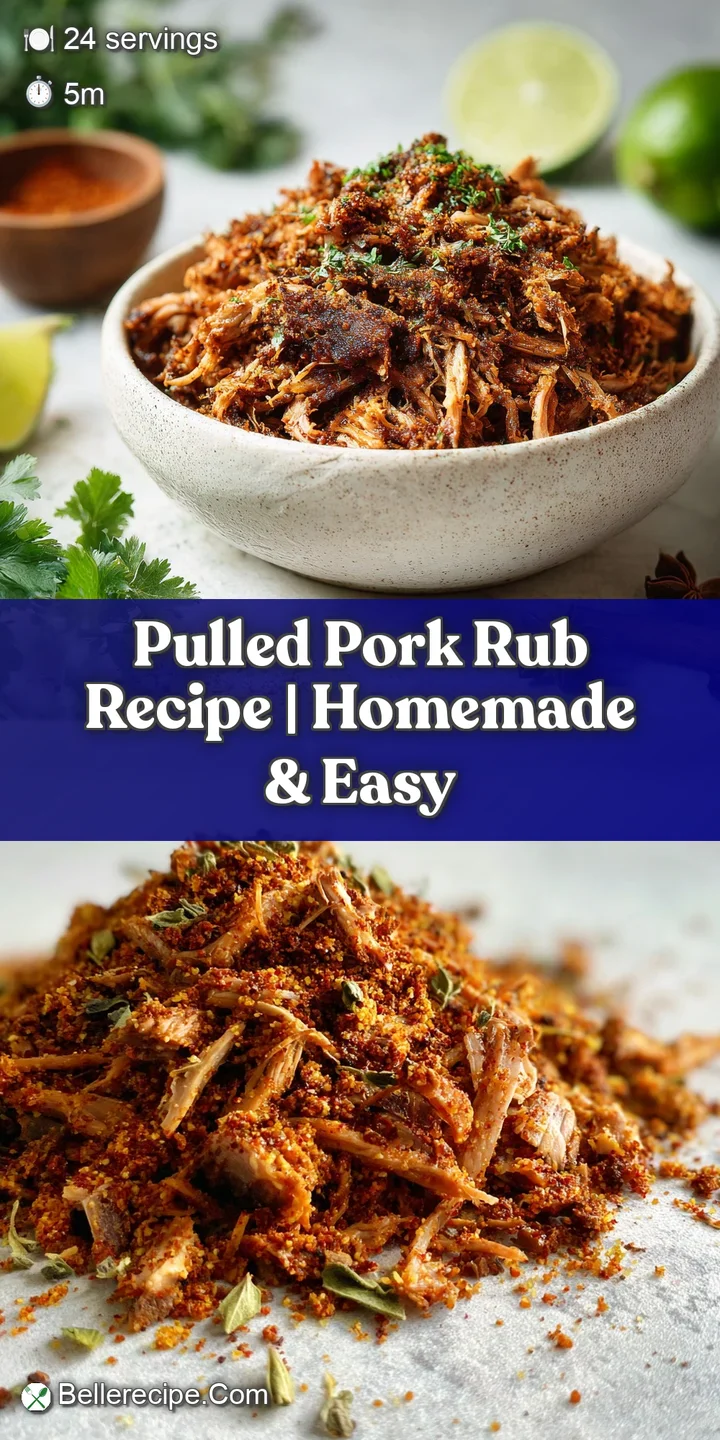
Pulled Pork Rub Recipe
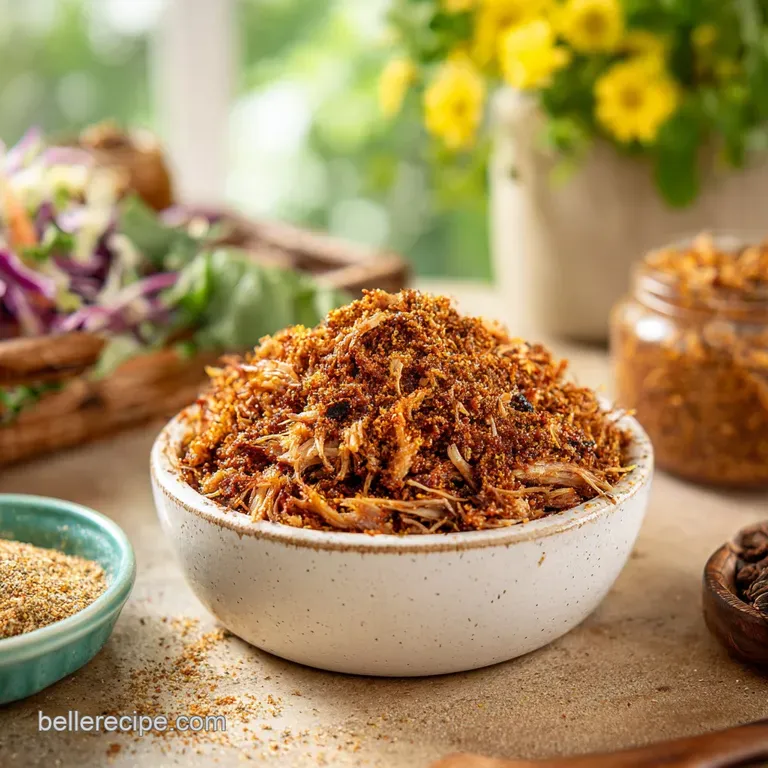
- Time: Active 5 minutes, Passive 0 minutes, Total 5 minutes
- Flavor/Texture Hook: Smoky, earthy bark with a shattered sugar crunch
- Perfect for: Weekend gatherings and mindful meal preparation
- Creating a Signature Pulled Pork Rub Recipe
- Why This Flavor Profile Works
- Component Analysis and Science
- Selecting Your Elemental Ingredients
- Steps for Flavor Transformation
- Correcting Issues with Your Rub
- Adjusting the Batch Size
- Debunking Seasoning Myths
- Storage and Sustainable Practices
- Ideas for Serving and Pairing
- Very High in Sodium
- Recipe FAQs
- 📝 Recipe Card
Creating a Signature Pulled Pork Rub Recipe
There is a specific kind of magic that happens on a quiet Sunday morning when you first open your spice cabinet. The air fills with the dusty, sweet scent of paprika and the sharp bite of garlic, signaling the start of a slow burning ritual.
I remember the first time I tried to make a roast without a proper coating; it was edible, but it lacked soul. It didn't have that dark, crusted exterior that makes your mouth water before the first bite.
We often think of seasoning as an afterthought, but in the world of low and slow cooking, this pulled pork rub recipe is the actual foundation. It is the bridge between the raw heat of the fire and the tender, yielding fibers of the meat.
When we take the time to measure these elements mindfully, we aren't just making dinner. We are creating a memory that lingers long after the plates are cleared.
This blend isn't about overpowering the pork, but about reflecting its natural richness. We've all had those meals where the salt is too aggressive or the sugar burns into a bitter mess.
By finding the right ratio of smoked paprika to dark molasses rich sugar, we ensure every shred of meat is infused with a comforting, balanced glow.
Why This Flavor Profile Works
- Hygroscopic Action: Sugar and salt draw a small amount of moisture to the surface, creating a concentrated brine that then re absorbs, seasoning the meat deeply.
- Maillard Reaction Catalyst: The proteins in the meat react with the sugars under heat, creating hundreds of new flavor compounds that result in a savory, complex crust.
- Capsaicin Diffusion: The small amount of cayenne and chili powder dissolves into the melting pork fat, spreading a gentle, warming glow throughout the entire roast.
- Aromatic Layering: Garlic and onion powders provide a "base note" of umami that lingers on the palate, supporting the more volatile oils found in the black pepper and cumin.
Deciding on Your Protein Cut
| Cut of Pork | Internal Temp | Rest Time | Visual Cue |
|---|---|---|---|
| Pork Shoulder | 205°F | 45 minutes | Bone slides out cleanly |
| Pork Loin | 145°F | 15 minutes | Center is barely blushing |
| Baby Back Ribs | 195°F | 10 minutes | Meat pulls back from bone |
Choosing the right cut is just as important as the spices themselves. While a lean loin can benefit from a light dusting, the heavy fat cap of a shoulder is designed to melt into this seasoning over several hours. This interaction creates the velvety texture we associate with the best BBQ.
Component Analysis and Science
| Ingredient | Science Role | Pro Secret |
|---|---|---|
| Smoked Paprika | Colorant & Flavor | Provides the deep mahogany hue without requiring 12 hours of actual wood smoke. |
| Fine Sea Salt | Protein Denaturant | Breaks down tightly wound muscle fibers, allowing the meat to retain more internal moisture. |
| Dark Brown Sugar | Surface Glaze | The extra molasses content creates a stickier, more resilient bark compared to white sugar. |
| Dry Mustard | Emulsification Aid | Helps the fats and juices on the meat surface bond with the spices for a uniform coating. |
The choice of fine sea salt over large kosher flakes is a mindful one here. Fine grains offer more surface area contact, ensuring that every square millimeter of the pork is treated. This helps the seasoning penetrate more effectively into the muscle fibers during the initial stages of the cook.
Selecting Your Elemental Ingredients
- Smoked Paprika (115g): Why this? Provides the foundational color and a gentle, wood fired aroma without harsh bitterness.
- Fine Sea Salt (70g): Why this? Dissolves quickly into the meat's surface moisture to begin the curing process.
- Dark Brown Sugar (50g): Why this? Adds a deep caramel note and helps the spices adhere to the pork.
- Garlic Powder (25g): Why this? Offers a savory punch that balances the sweetness of the sugar.
- Onion Powder (16g): Why this? Works in tandem with garlic to create a rounded, savory umami base.
- Coarse Ground Black Pepper (14g): Why this? Adds a sharp, floral bite and creates a tactile texture on the crust.
- Chili Powder (8g): Why this? Provides a mild, earthy heat and additional depth of color.
- Dry Mustard Powder (8g): Why this? Cuts through the heavy fat of the pork with a slight tang.
- Cayenne Pepper (2g): Why this? A tiny amount provides a lingering warmth without being "spicy."
- Ground Cumin (2g): Why this? Lends a faint smoky, nutty undertone that bridges the other spices.
- Ground Celery Seed (1g): Why this? The "secret" ingredient that adds a professional, savory finish to the blend.
| Original Ingredient | Substitute | Why It Works |
|---|---|---|
| Dark Brown Sugar | Maple Sugar | Provides a similar depth but adds a distinct autumnal, woody sweetness. |
| Smoked Paprika | Ancho Chili Powder | Offers a darker color and a fruitier, raisin like flavor profile. |
| Fine Sea Salt | Smoked Salt | Doubles down on the campfire aroma. Note: Use slightly less as it can be more intense. |
Steps for Flavor Transformation
- Sift ingredients. Pass the brown sugar and smoked paprika through a fine mesh strainer into a large bowl. Note: This removes stubborn lumps for a silky distribution.
- Combine aromatics. Add the garlic powder, onion powder, and celery seed to the bowl.
- Introduce texture. Stir in the coarse black pepper and fine sea salt using a whisk.
- Add depth. Incorporate the chili powder, cumin, and dry mustard powder until the color is a uniform, vibrant orange red.
- Build heat. Fold in the cayenne pepper until the red specks are evenly dispersed.
- Prep the meat. Pat the pork shoulder dry with paper towels to remove excess surface moisture.
- Apply binder. Optional, but you can use a thin layer of yellow mustard or oil to help the rub stick.
- Dust the protein. Sprinkle the blend from a height of about 6 inches until the meat is no longer visible.
- Press gently. Use your hands to firm the spices into the meat's crevices without rubbing them in circles.
- Rest the meat. Allow the seasoned pork to sit for at least 30 minutes until the rub looks wet and dark.
Use a shaker jar for application. It feels more mindful and ensures you don't accidentally dump a concentrated pile of salt in one spot.
Correcting Issues with Your Rub
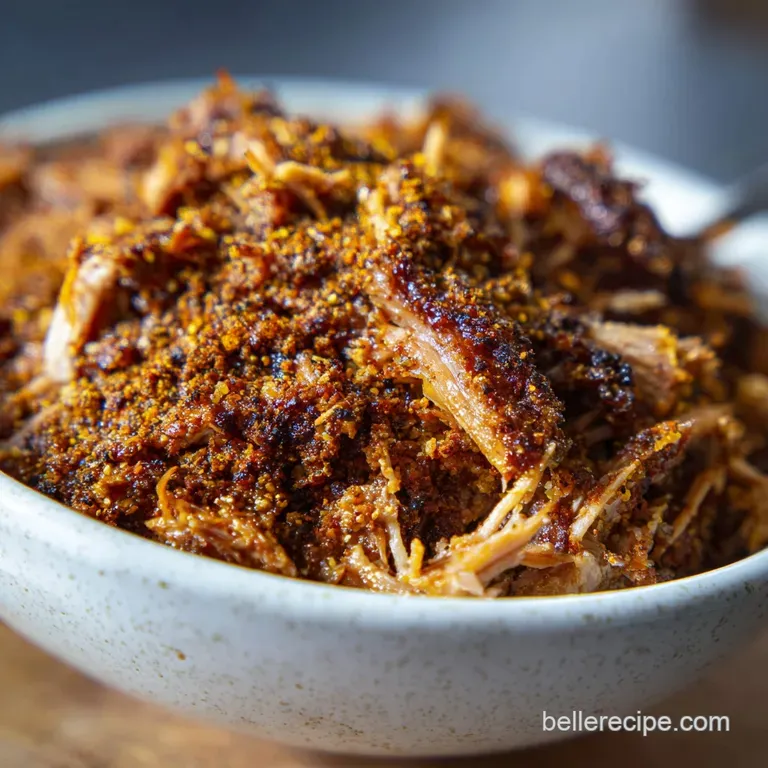
The Bark Is Bitter
This usually happens when the sugar burns. If your smoker or oven temperature spikes above 300°F, the sugar moves past caramelization into carbonization. Keep your heat low and steady to protect those delicate sweet notes.
Rub Is Not Sticking
If the seasoning slides off, the meat was likely too wet or you didn't use a binder. Make sure to pat the pork bone dry first. If you're still struggling, a tiny bit of olive oil can act as the perfect glue for this pulled pork rub recipe.
| Problem | Root Cause | Solution |
|---|---|---|
| Clumpy Rub | Humidity in storage | Add a small food safe silica packet to the jar. |
| Too Much Heat | Cayenne hotspot | Whisk the dry ingredients for a full 2 minutes to ensure distribution. |
| Bland Results | Old spices | Replace any spices that have been open for more than a year. |
Common Mistakes Checklist
- ✓ Don't skip the sifting step; brown sugar lumps create "sugar spots" that burn easily.
- ✓ Avoid rubbing the spices into the meat; a gentle pat preserves the texture of the bark.
- ✓ Check the expiration dates on your paprika; it loses its vibrant color and flavor quickly.
- ✓ Never apply the rub to meat straight from the freezer; the condensation will wash the flavor away.
- ✓ Ensure you coat the "money muscle" and all small crevices of the shoulder for maximum flavor.
Adjusting the Batch Size
If you are only cooking a small tenderloin, you can easily halve this recipe. Simply use a kitchen scale to measure out 57g of paprika and 35g of salt. Since spices are potent, even a small shift in weight can change the outcome, so precision matters.
If you find yourself wanting to experiment further with different proteins, this blend is surprisingly versatile.
When scaling up for a big summer cookout, I recommend multiplying the recipe by four. However, keep the cayenne at a 3x ratio instead of 4x to ensure the heat doesn't become overwhelming for the whole group. If you're looking for another way to use your smoker, this blend also works wonders on beef, much like the seasoning on our Smoked Chuck Steak recipe.
| Batch Size | Smoked Paprika | Sea Salt | Recommended Use |
|---|---|---|---|
| Half Batch | 57g | 35g | One 4lb Pork Butt |
| Standard | 115g | 70g | Two large shoulders |
| Party Size | 460g | 280g | Catering for 50+ people |
Debunking Seasoning Myths
"Adding more sugar creates a better bark." Actually, too much sugar creates a hard, shell like coating that prevents the smoke from penetrating the meat. The 50g of brown sugar in this recipe is calculated to provide just enough caramelization without creating a barrier.
"You must apply rub 24 hours in advance." While a long rest can act as a dry brine, most of the "magic" of a rub happens during the first few hours of the cook. A 30 to 60 minute rest at room temperature is usually sufficient for the salt to begin its work on the proteins.
Storage and Sustainable Practices
Store your finished blend in a glass jar in a cool, dark place. Light is the enemy of the volatile oils in spices, particularly the paprika and cumin. In a sealed container, this mixture will stay vibrant for up to 6 months.
If it does start to clump over time, just give the jar a firm shake or a quick pulse in a spice grinder to wake it back up.
To avoid waste, look at the bottom of your spice bowls. Any leftover rub that hasn't touched raw meat can be used to season roasted chickpeas or sprinkled over popcorn for a savory, smoky snack. If you have extra rub that did come into contact with the meat, don't throw it out!
Mix it with a bit of vinegar and water to create a "mop sauce" to baste the pork during the final hour of cooking.
Ideas for Serving and Pairing
Once your pork is shredded and tender, the flavor profile of the rub will naturally lean toward something tangy to cut through the fat. If you find yourself craving ribs after this, our Memphis BBQ Sauce recipe is the ideal companion. The vinegar in the sauce reacts beautifully with the dry mustard and sugar in the rub.
If you want a more complex flavor, try these variations: Add 1 tablespoon of finely ground espresso beans to the mix to deepen the "char" flavor and add a dark, coffee crusted intensity. Substitute half the paprika for "hot" Hungarian paprika if your crowd prefers a more aggressive spice level.
Mix a spoonful of the dry rub into your coleslaw dressing for a unified flavor profile across the entire plate.
The beauty of this pulled pork rub recipe lies in its ability to be a quiet partner to the meat. It doesn't scream for attention; instead, it provides a comforting, familiar warmth that makes everyone reach for a second helping.
It transforms a simple piece of protein into a centerpiece of a shared meal, creating those slow, mindful moments we all cherish.
Very High in Sodium
1125 mg mg of sodium per serving (49% % of daily value)
The American Heart Association recommends limiting sodium intake to no more than 2,300mg per day for most adults.
Tips to Reduce Sodium in This Recipe
-
Reduce Sea Salt-25%
The largest source of sodium in this recipe is the fine sea salt. Try reducing the amount of sea salt by 25-50% to significantly lower the sodium content. Consider starting with a 25% reduction and adjusting to taste.
-
Reduce Garlic & Onion Powder-15%
Garlic and onion powder are added to the recipe, cut the powder used in the recipe by 50% to reduce the amount of sodium used.
-
Control Chili Powder-10%
Chili Powder can contain sodium. If you'd like to reduce sodium content further, try using homemade chili powder with no added sodium.
-
Explore Other Herbs
Experiment with fresh or dried herbs like oregano, thyme, rosemary, or basil to enhance flavor without adding sodium. These additions can create a more flavorful and nuanced spice blend.
Recipe FAQs
What is a good rub for pulled pork?
A balanced blend of sweet, smoky, and savory is ideal. Look for ingredients like smoked paprika, brown sugar, salt, garlic powder, and black pepper. This pulled pork rub recipe balances deep smoky notes with gentle sweetness to transform any cut of pork.
What seasoning should I put on pulled pork?
A dry rub is your best bet for classic pulled pork flavor and bark. Seasoning with a mix of spices like smoked paprika, salt, brown sugar, garlic powder, and black pepper creates a delicious crust as it cooks low and slow.
How long to leave dry rub on pulled pork?
At least 30 minutes, but overnight is even better. Allowing the rub to sit on the pork for an extended period helps the salt to penetrate the meat, acting like a dry brine for deeper flavor and moisture retention.
What is a good rub for pork roast?
A classic rub with herbs and spices works well for pork roast. Consider garlic powder, onion powder, rosemary, thyme, paprika, salt, and pepper for a robust flavor that complements the richness of pork.
Can I substitute the brown sugar in a pulled pork rub?
Yes, maple sugar or dark molasses can be used as substitutes. These alternatives offer a similar depth of flavor and caramelization, though maple sugar will impart a distinct autumnal sweetness.
Why is my pulled pork bark bitter?
Bitter bark is usually a sign of burnt sugar. If your smoker or oven temperature spikes too high, the sugars in the rub can carbonize, leading to an unpleasant bitter taste. Aim for consistent low temperatures to prevent this.
What spices create a good smoky flavor for pulled pork?
Smoked paprika is the key ingredient for achieving a smoky flavor without actual smoke. Combined with a touch of cumin and perhaps a pinch of chipotle powder, it provides a deep, earthy smokiness that complements pork beautifully.
Pulled Pork Rub Recipe
Ingredients:
Instructions:
Nutrition Facts:
| Calories | 32 kcal |
|---|---|
| Protein | 1 g |
| Fat | 0.7 g |
| Carbs | 6.5 g |
| Fiber | 1.7 g |
| Sugar | 2.3 g |
| Sodium | 1125 mg |
