Rack of Pork Recipe: Herb Crusted
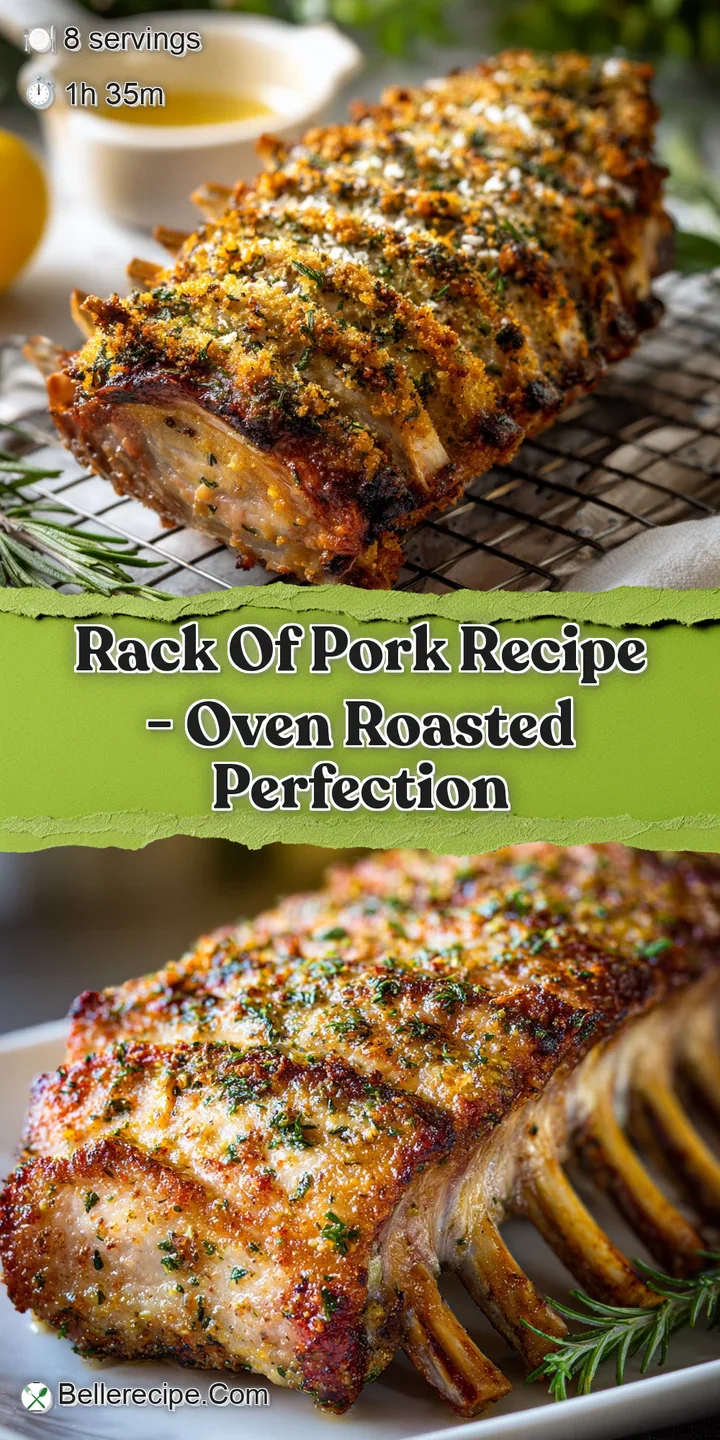
- Time: Active 20 minutes, Passive 1 hours 15 mins, Total 1 hours 35 mins
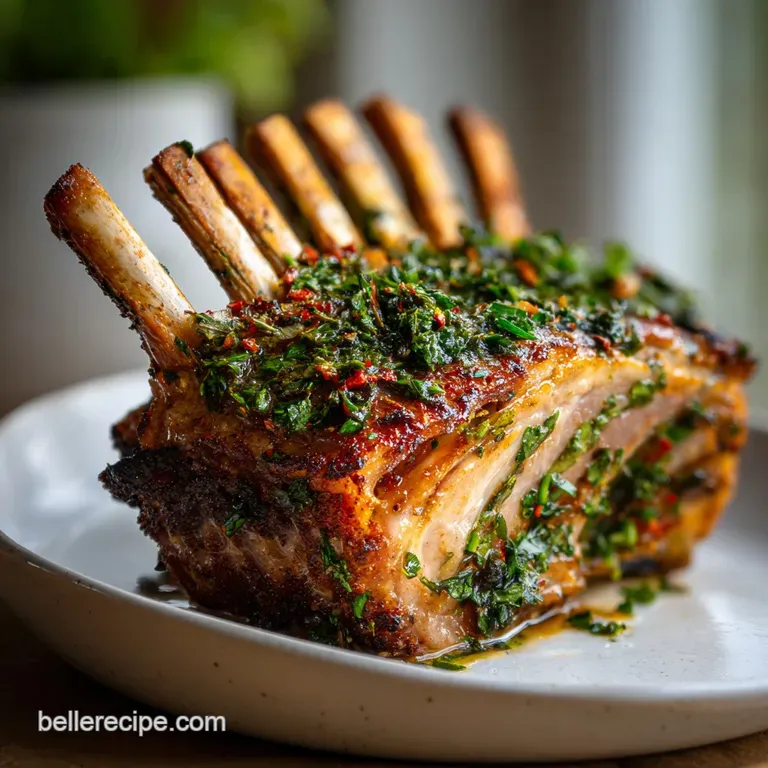
- Flavor/Texture Hook: A crackling herb salt crust protecting a velvety, ivory pink interior
- Perfect for: Sunday family gatherings, holiday dinners, or mindful weekend meal prep
- Create a Stunning Centerpiece with This Rack of Pork Recipe
- Essential Numbers and Specs for Every Successful Pork Roast
- Selecting Quality Ingredients for a Vibrant and Fragrant Crust
- The Basic Kitchen Tools Required for Even Oven Roasting
- Mastering the Technique with Simple Step by Step Instructions
- Common Roast Pitfalls and Quick Fixes for Juicy Meat
- Innovative Ways to Customize the Herb Rub and Flavor
- Smart Storage Solutions and Creative Ideas for Using Leftovers
- Perfect Side Dishes to Complement Your Herb Crusted Roast
- Rack of Pork Recipe FAQs
- 📝 Recipe Card
Create a Stunning Centerpiece with This Rack of Pork Recipe
There is a specific sound that happens when you pull a roast out of the oven. It is that gentle, rhythmic sizzle of rendered fat bubbling against a crust of herbs. I used to be terrified of cooking large cuts of meat, worried I would end up with a dry, grey block of protein.
But once I realized that the bones act as a natural insulator, everything changed. This is the dish I make when I want the house to smell like a high end bistro without spending all day in the kitchen.
Honestly, the "rack" sounds fancy, but it is basically just a row of pork chops that haven't been sliced yet. Because it is cooked as one unit, the meat stays much juicier than individual chops ever could.
We are going to build layers of flavor here, starting with a sharp mustard base and finishing with a flurry of fresh rosemary and sage. It is a mindful way to cook, focusing on the quality of the herbs and the patience of the roast.
We have all been there, hovering over a skillet hoping for the best. With this method, the oven does the heavy lifting. You'll get a crust that offers a satisfying shatter when the knife hits it, revealing meat that is supple and fragrant. It is about transforming a simple cut of meat into a memory.
Let's get the oven preheated and walk through how to make this work every single time.
Essential Numbers and Specs for Every Successful Pork Roast
The Science of Why it Works: The bone in structure slows heat transfer, allowing the center to reach the target temperature without the exterior overcooking. Meanwhile, the Maillard reaction creates hundreds of new flavor compounds as the proteins and sugars in the herb paste react to the high heat.
- Thermal Barrier: Leaving the bones in protects the most tender part of the loin from direct heat.
- Aromatic Infusion: The essential oils in rosemary and thyme are fat soluble, meaning the rendered pork fat carries the herb flavor deep into the meat.
- Acidic Brightness: Lemon zest and Dijon mustard cut through the richness of the pork, balancing the heavy fats with citrus notes.
- Surface Area: "Frenching" the bones (cleaning them) isn't just for looks, it allows the heat to circulate more effectively around the meat.
| Meat Thickness | Target Internal Temp | Rest Time | Visual Cue |
|---|---|---|---|
| 3 to 4 inches | 145°F (63°C) | 15 minutes | Juices run clear with a hint of pink |
| 4 to 5 inches | 145°F (63°C) | 20 minutes | Center feels firm but slightly springy |
| 5+ inches | 145°F (63°C) | 25 minutes | Surface is deeply bronzed and matte |
This timing ensures the carryover heat finishes the job while you prepare your sides. If you are looking for more ways to season big cuts, you might find inspiration in a Pulled Pork Rub recipe which uses similar principles of salt and spice layering.
Selecting Quality Ingredients for a Vibrant and Fragrant Crust
| Ingredient | Science Role | Pro Secret |
|---|---|---|
| Center Cut Pork Rack | Structural Integrity | Ask the butcher for the "blade end" for more marbling and flavor. |
| Coarse Sea Salt | Moisture Retention | Salt denatures proteins, allowing them to hold onto more water during the roast. |
| Dijon Mustard | Emulsification | Acts as a culinary "glue" that keeps the herb crust from sliding off the meat. |
| Fresh Rosemary | Lipid Infusion | Crush the leaves slightly before chopping to release the oils more aggressively. |
To make this recipe, you will need a few staples from your pantry and some fresh greens from the market. I always suggest using fresh herbs over dried for this specific dish because the moisture in fresh herbs prevents them from burning during the long roast.
- 1 (8 bone) center cut pork rib rack (approx. 4.5 lbs), frenched Why this? The bones provide flavor and prevent the meat from drying out.
- 2 tsp coarse sea salt Why this? Essential for drawing out moisture to create a crisp exterior.
- 1 tsp cracked black pepper
- 4 cloves garlic, minced
- 2 tbsp fresh rosemary, finely chopped Why this? Its piney notes are the classic pairing for rich pork.
- 1 tbsp fresh sage, finely chopped
- 1 tbsp fresh thyme leaves
- 1 tbsp lemon zest Why this? Provides a necessary hit of acid to balance the savory fats.
- 2 tbsp extra virgin olive oil
- 1 tsp Dijon mustard
If you cannot find fresh sage, you can substitute it with extra thyme, though the flavor will be slightly less earthy. The lemon zest is non negotiable for me, as it transforms the dish from heavy to bright.
The Basic Kitchen Tools Required for Even Oven Roasting
Success here depends on airflow. You want a heavy duty roasting pan or a large cast iron skillet that can handle the weight of a 4.5 lb rack. Using a rack inside your pan is a secret trick I learned years ago. It lifts the meat up so the bottom doesn't sit in its own juices and get soggy.
You want the air to hit every side of that pork.
You will also need a sharp chef's knife for mincing the herbs and a reliable meat thermometer. This is the most important tool in your drawer. Guessing the doneness of a large roast is a recipe for heartbreak. I also like to have some aluminum foil on hand to wrap the bones if they start to get too dark too quickly.
Chef's Tip: Freeze your lemon for 10 minutes before zesting. It makes the peel firmer and prevents you from grating into the bitter white pith. Also, pull your pork out of the fridge a full 60 minutes before cooking. A cold roast will cook unevenly every single time.
Mastering the Technique with Simple step-by-step Instructions
Preparing the Pork
Remove the pork from its packaging and pat it completely dry with paper towels. Note: Surface moisture is the enemy of a good crust. Let the meat sit at room temperature for about 1 hours to ensure even cooking.
Crafting the Herb Paste
In a small bowl, combine the minced garlic, chopped rosemary, sage, thyme, lemon zest, olive oil, and Dijon mustard. Mix until it forms a thick, fragrant paste.
Seasoning the Surface
Rub the 2 tsp of sea salt and 1 tsp of pepper all over the meat, including the ends and the fat cap. Note: Salt needs time to penetrate, so do this early if possible.
Application of the Rub
Slather the herb paste over the top and sides of the pork rack, pressing it firmly into the meat. The mustard will help it stick like a second skin.
Perfect Oven Roasting
Place the pork in a preheated 450°F oven for 15 minutes until the exterior begins to sizzle and brown. This initial blast of heat starts the crust formation.
Adjusting the Heat
Lower the oven temperature to 325°F and continue roasting for about 1 hours until the internal temperature hits 145°F. Check the thickest part of the meat, avoiding the bone.
Resting for Maximum Juice
Remove the roast from the oven and transfer it to a cutting board. Tent loosely with foil and let it rest for 15 minutes until the muscle fibers relax and reabsorb the juices.
Slicing for Service
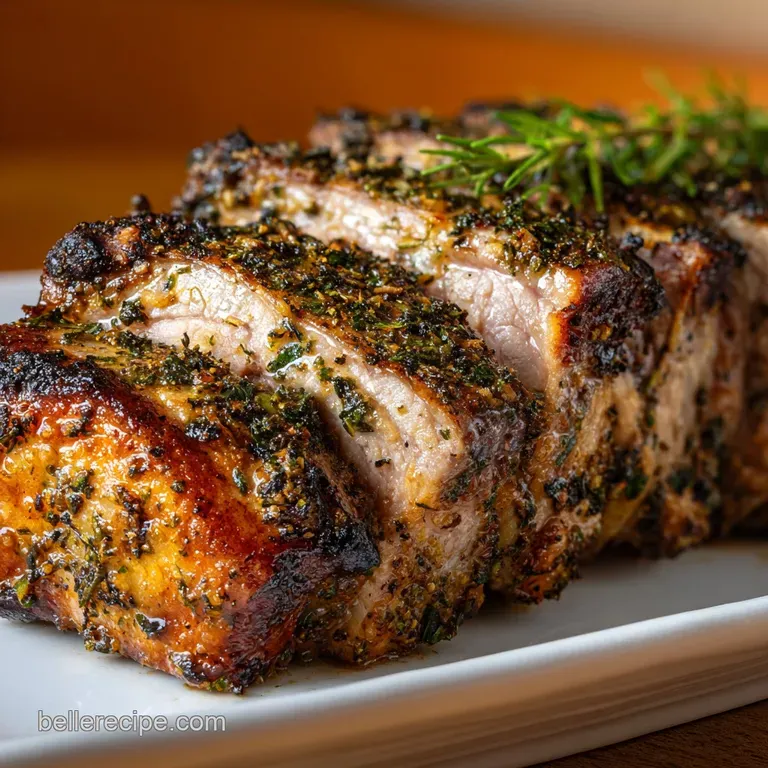
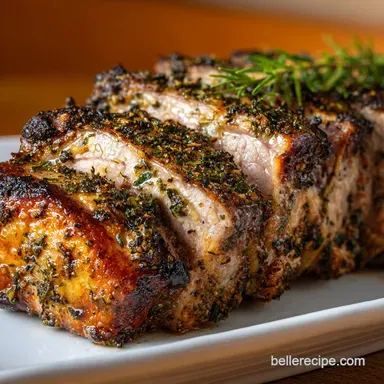
Cut between the bones to create individual chops. The meat should be ivory in color with a faint blush of pink in the center.
Common Roast Pitfalls and Quick Fixes for Juicy Meat
Fixing Tough Meat
If your pork feels like a rubber band, it likely skipped the resting phase. When meat cooks, the fibers tighten and squeeze out juice. If you cut it immediately, that juice runs onto the board.
If it's already overcooked, your best bet is to slice it very thin and serve it with a quick pan sauce or a drizzle of olive oil to add perceived moisture.
Preventing Burnt Bones
Sometimes the heat in the oven can be uneven, causing the beautiful frenched bones to turn black before the meat is done. This is a purely aesthetic issue, but if you want that "restaurant look," simply wrap the tips of the bones in small pieces of foil before they go in.
| Problem | Root Cause | Solution |
|---|---|---|
| Herb crust falling off | Meat was too wet or no binder used | Pat dry thoroughly and use Dijon mustard as "glue". |
| Uneven cooking | Meat was too cold when put in oven | Temper meat at room temperature for 60 mins. |
| Dry, grey meat | Internal temp exceeded 160°F | Use a thermometer and pull meat at 145°F. |
Pork is very lean, so there is a fine line between succulent and dry. If you enjoy the texture of a traditional roast but want more of a "crunch" factor, you can look into the techniques used for a Juicy & Crispy recipe which focuses on maximizing skin crackle.
Common Mistakes Checklist ✓ Skipping the "tempering" step (cold meat results in a raw center). ✓ Using dried herbs instead of fresh (dried herbs often taste "dusty" in a roast). ✓ Poking the meat with a fork (use tongs to keep the juices inside).
✓ Cutting the meat immediately after it leaves the oven. ✓ Not calibrated your oven (some run 25 degrees hot).
Innovative Ways to Customize the Herb Rub and Flavor
Autumn Flavor Profiles
If you want to lean into the colder months, swap the lemon zest for orange zest and add a half teaspoon of ground cloves or allspice to your herb rub. This adds a warming, spicy note that pairs beautifully with roasted squash or sweet potatoes. The sage already provides a bridge to those fall flavors.
Spicy Low Carb Variation
For those who want a bit of a kick, add a teaspoon of red pepper flakes or a tablespoon of smoked paprika to the paste. This won't affect the carbohydrate count but will add a smoky depth that mimics a slow smoked barbecue flavor. It transforms the "elegant" roast into something a bit more rugged.
Decision Shortcut
- If you want a thicker crust, double the herb quantities and add 1/4 cup of grated parmesan to the paste.
- If you want a faster cook, have the butcher "split" the rack down the middle, though you will lose some moisture.
- If you want a deeper flavor, salt the meat 24 hours in advance and leave it uncovered in the fridge.
Smart Storage Solutions and Creative Ideas for Using Leftovers
Pork keeps surprisingly well if you don't overcook it initially. Store any remaining chops in an airtight container in the fridge for up to 4 days. When reheating, I recommend doing it gently in a skillet with a splash of water or broth and a lid.
This steams the meat back to life without drying it out like a microwave would.
For zero waste, don't you dare throw away those bones! They are packed with collagen and flavor. Toss them into a pot with some celery, carrots, and onions to make a phenomenal pork stock. You can use this stock as a base for ramen or a hearty winter stew.
The leftover meat itself is also great thinly sliced for cold sandwiches the next day with a bit of extra Dijon.
Perfect Side Dishes to Complement Your Herb Crusted Roast
A rich roast needs something bright or starchy to stand up to it. I love serving this with a pile of garlic mashed potatoes or a crisp arugula salad tossed in a lemon vinaigrette. The peppery arugula mimics the herbs in the pork's crust.
If you're looking for a more formal presentation, roasted root vegetables are the way to go.
If you are planning a larger feast and want to experiment with other bone in proteins, learning How to Prepare recipe for lamb will show you how similar these techniques are. Whether it's pork or lamb, the goal is the same: building a crust that tells a story of the season while keeping the heart of the dish tender and comforting. This rack of pork is more than just a meal; it is a way to share a bit of your kitchen's soul with the people you love.
Rack of Pork Recipe FAQs
How long do you cook a rack of pork for?
Approximately 15-20 minutes per pound at 325°F (160°C), after an initial sear. Always rely on a meat thermometer, aiming for an internal temperature of 145°F (63°C) in the thickest part, followed by a 15-20 minute rest. This ensures tender, juicy results.
How to cook the Costco rack of pork?
Start by tempering the pork. Remove the rack from refrigeration at least 1 hour before cooking to allow it to come to room temperature for even heat penetration. Then, sear it at a high temperature (around 450°F or 230°C) for about 15 minutes to develop a crust, before reducing the heat to 325°F (160°C) to finish cooking to an internal temperature of 145°F (63°C).
Is a rack of pork the same as pork ribs?
No, they are different cuts from the same general area. A rack of pork, also known as a pork loin roast or a crown roast, comes from the loin area and is typically larger and more tender, often referred to as "baby back" ribs when portioned.
Pork ribs, like spare ribs or baby back ribs, are cut from the belly or loin and are usually smaller, fattier, and require longer, slower cooking to become tender.
Is it best to cook pork on a rack?
Yes, using a rack is highly recommended for even cooking and better texture. A roasting rack elevates the meat, allowing hot air to circulate around the entire roast, which promotes more uniform cooking and a crispier exterior.
It also prevents the bottom of the pork from sitting in its rendered juices, which can lead to a less desirable texture.
What internal temperature should a rack of pork reach?
The ideal internal temperature is 145°F (63°C) for medium rare to medium. While the USDA previously recommended higher temperatures, current guidelines suggest this lower temperature provides a more tender and juicy result for pork loin roasts like a rack of pork.
Always allow the meat to rest for at least 15 minutes after removing it from the oven, as the temperature will continue to rise slightly.
How to prepare a herb crust for rack of pork?
Combine finely chopped fresh herbs with Dijon mustard and olive oil. A classic combination includes rosemary, sage, thyme, garlic, and lemon zest. The Dijon mustard acts as an excellent binder, ensuring the crust adheres well to the meat, and its tanginess also complements the richness of the pork.
Apply this paste generously to the seasoned pork just before roasting.
Can I substitute ingredients in a rack of pork recipe?
Yes, you can substitute some herbs or seasonings, similar to how you might vary spices in a quick bread. If fresh rosemary is unavailable, you can use extra thyme or sage, though the flavor profile will shift slightly. For a spicier kick, consider adding a pinch of red pepper flakes.
Just ensure any substitutions maintain a good balance of savory, aromatic, and acidic elements.
Rack Of Pork Roast
Ingredients:
Instructions:
Nutrition Facts:
| Calories | 432 kcal |
|---|---|
| Protein | 42.5 g |
| Fat | 27.4 g |
| Carbs | 1.8 g |
| Fiber | 0.4 g |
| Sugar | 0.2 g |
| Sodium | 648 mg |
