Chicken and Chicken Noodle Soup: Silky Broth
- Time: Active 20 minutes, Passive 40 minutes, Total 60 minutes
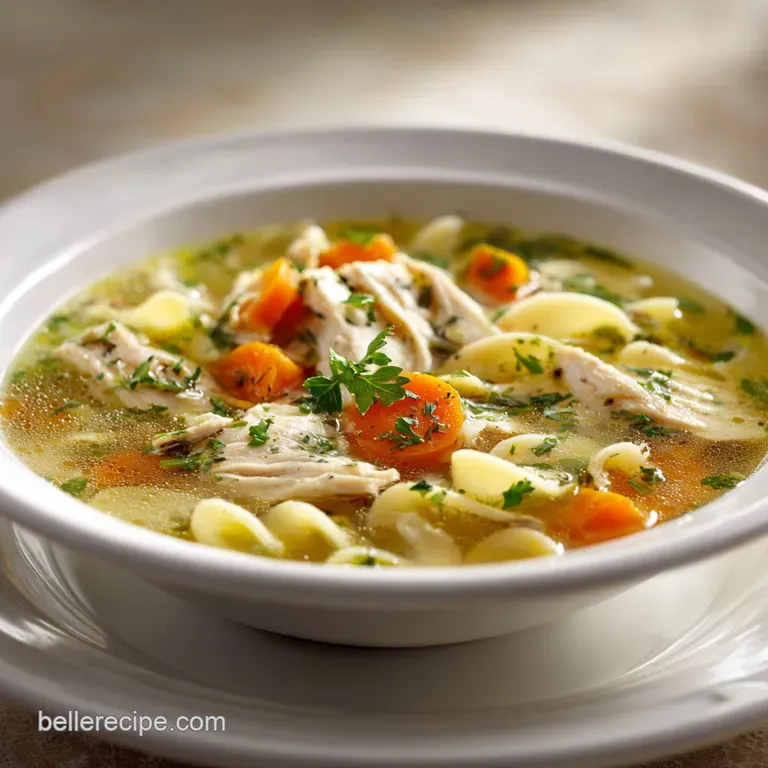
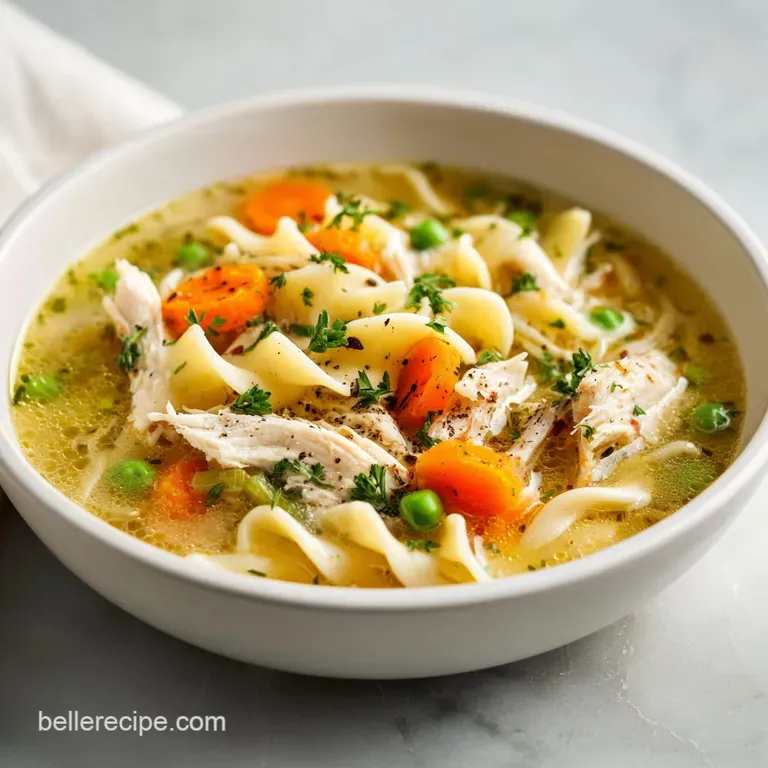
- Flavor/Texture Hook: Silky, herb flecked broth with tender, shredded chicken
- Perfect for: Rainy Tuesday nights or soothing a scratchy throat
- Warm Soulful Bowls of Chicken and Chicken Noodle Soup
- The Physics of the Golden Broth
- Precision Benchmarks for the Perfect Simmer
- The Alchemy of Selecting Fresh Elements
- Essential Tools for a Simple One Pot Meal
- The Building Blocks
- Step-By-Step Guide to a Golden Simmer
- How to Fix Common Broth Blunders
- Flavor Adaptations for Every Home Pantry
- Storage and Reheating for Busy Weeknights
- Finishing Touches for a Vibrant Bowl
- Recipe FAQs
- 📝 Recipe Card
Warm Soulful Bowls of Chicken and Chicken Noodle Soup
The kitchen is currently filled with the most comforting aroma you can imagine that heady, savory steam of thyme, onions, and simmering poultry. It’s the kind of scent that makes you want to wrap your hands around a heavy ceramic mug and just breathe it in.
I remember the first time I actually tried browning the chicken skin side down before making the broth; the sizzle was loud, but the result was a liquid gold that tasted like a warm hug from my grandmother.
We aren't just boiling meat in water here. This version of chicken and chicken noodle soup is all about layers. I used to just throw everything in a pot and hope for the best, which usually led to gray meat and mushy carrots.
Now, I follow a specific sequence that ensures the vegetables stay vibrant and the noodles have that slight, satisfying bite. It is simple, honest cooking that relies on technique rather than fancy gadgets.
The Physics of the Golden Broth
Maillard Extraction: Searing the skin on thighs creates caramelized protein compounds that dissolve into the broth, providing a deep umami base.
Collagen Breakdown: Using bone in thighs allows connective tissue to melt into gelatin, giving the soup a velvety mouthfeel rather than a thin, watery consistency.
| Method | Cook Time | Broth Depth | Texture Profile |
|---|---|---|---|
| Quick Version | 25 minutes | Light/Clean | Firm veggies, thin liquid |
| This Recipe | 60 minutes | Rich/Golden | Tender meat, silky body |
| Traditional Stock | 4 hours+ | Heavy/Opaque | Very soft veggies, thick liquid |
Choosing between a quick simmer and a long standing stock depends on your schedule, but this 60 minute sweet spot offers the best return on your time. It hits that nostalgia factor without requiring you to watch a pot for half a day.
Precision Benchmarks for the Perfect Simmer
To get this right every single time, I rely on a few specific numbers. First, ensure your chicken reaches an internal temperature of 165°F before shredding to guarantee safety and tenderness.
Second, keep your broth at a gentle 190°F (just below a rolling boil) to prevent the fat from emulsifying, which keeps the liquid clear rather than cloudy. Finally, 8 cups of broth is the magic ratio for 2 cups of noodles; anything less and the noodles will soak up every drop, leaving you with a pasta dish instead of a soup.
Chef Tip: The Brightness Factor
Never boil your lemon juice. Stir in that 1 tbsp of fresh juice right before serving. The heat of the soup is enough to wake up the flavors without turning the acid bitter or dulling the vibrant green of the parsley.
The Alchemy of Selecting Fresh Elements
Selecting your ingredients is where the magic happens. I always reach for high-quality low sodium broth because it gives me total control over the seasoning. If you're looking for something with a bit more of a creamy, herb heavy profile, you might enjoy the logic behind a Boursin Chicken Recipe which uses similar aromatics but a very different finishing technique.
| Ingredient | Science Role | Pro Secret |
|---|---|---|
| Chicken Thighs | Fat & Gelatin | Sear skin side down first to render fat for sautéing veggies. |
| Yellow Onion | Flavor Foundation | Dice finely so they melt into the background, providing sweetness. |
| Fresh Garlic | Aromatic Depth | Smash before mincing to rupture cells and release more sulfur compounds. |
Mastering the Maillard Reaction
When those thighs hit the olive oil, don't move them. You want a deep brown crust. This isn't just for looks; those browned bits (the fond) are the concentrated essence of chicken flavor.
When you pour in the broth later, you'll scrape those bits up, and they'll dissolve into the liquid, turning it from a pale yellow to a rich, burnished gold.
Building a Layered Aromatics Base
Carrots, celery, and onions the holy trinity of soup need time to sweat. Don't rush the sauté. You want the onions translucent and the carrots just starting to soften. This step ensures the sweetness of the vegetables is fully integrated into the fat before the liquid even touches the pan.
Essential Tools for a Simple One Pot Meal
One of the reasons I love this chicken and chicken noodle soup is that it doesn't require a kitchen full of gear. A heavy bottomed Dutch oven is the MVP here because it holds heat evenly and prevents the bottom from scorching during the sear.
You'll also need a sharp chef's knife for those half moon carrots and a pair of sturdy tongs to handle the hot chicken.
- Large Dutch Oven: A 6 quart size is ideal for 6 servings.
- Chef's Knife: For precise, even cuts on the mirepoix.
- Tongs: Essential for searing and removing the bone in meat.
- Whisk or Wooden Spoon: To scrape the flavor packed fond from the pot.
The Building Blocks
- 1 lb chicken thighs, bone in, skin on:Why this? Provides essential fats and collagen for a silky broth texture. (Sub: Drumsticks)
- 1 lb chicken breast, boneless:Why this? Adds lean, clean tasting protein chunks to every bite. (Sub: Extra thighs)
- 2 tbsp extra virgin olive oil: (Sub: Avocado oil)
- 1 large yellow onion: (Sub: 2 medium leeks, white parts only)
- 3 large carrots: (Sub: Parsnips for an earthy twist)
- 3 stalks celery: (Sub: Fennel bulb for a subtle anise note)
- 4 cloves garlic: (Sub: 1 tsp garlic powder in a pinch)
- 8 cups low sodium chicken broth: (Sub: Vegetable broth + 1 tbsp soy sauce)
- 2 cups wide egg noodles: (Sub: Rotini or broken fettuccine)
- 1 tsp dried thyme: (Sub: 1 tbsp fresh thyme)
- 1 dried bay leaf: (Sub: Omit if necessary)
- 1 tbsp fresh lemon juice: (Sub: Apple cider vinegar)
- 1/2 cup fresh parsley: (Sub: Fresh dill)
step-by-step Guide to a Golden Simmer
- Sear the chicken. Heat olive oil in the Dutch oven over medium high heat. Place thighs skin side down and breast meat in the pan. Cook 5-7 minutes until the skin is golden and shatters easily.
- Remove and rest. Take the chicken out of the pot. Note: The chicken won't be cooked through yet; we are just building flavor and rendering fat.
- Sauté the aromatics. Toss the onion, carrots, and celery into the rendered fat. Cook 6-8 minutes until onions are translucent and fragrant.
- Deglaze the pot. Stir in the minced garlic for 1 minute, then pour in 1 cup of the broth. Use your spoon to scrape up all the brown bits from the bottom.
- Simmer the base. Add the remaining broth, thyme, and bay leaf. Return the chicken (and any juices) to the pot.
- Cook the protein. Lower heat to a simmer. Cover and cook for 20 minutes until the chicken breast registers 165°F.
- Shred the meat. Remove all chicken to a cutting board. Discard skin and bones from the thighs. Shred all meat into bite sized pieces using two forks.
- Boil the noodles. Increase heat slightly to a low boil. Add the egg noodles and cook for 6-8 minutes until tender but still holding their shape.
- Combine and finish. Stir the shredded chicken back into the pot. Turn off the heat.
- Season and serve. Stir in the fresh lemon juice and chopped parsley. Taste and add salt or pepper if the broth needs more punch.
How to Fix Common Broth Blunders
Why Your Soup Is Too Salty
Sometimes, as the broth reduces, the salt concentration becomes overwhelming. This often happens if you use standard broth instead of low sodium. Don't panic and dump it out.
Why the Noodles are Mushy
If you leave noodles sitting in the hot broth for hours, they will continue to hydrate and expand until they lose all structural integrity. This is the most common mistake in home kitchens.
| Problem | Root Cause | Solution |
|---|---|---|
| Cloudy Broth | Boiling too vigorously | Keep at a gentle simmer; never a rolling boil. |
| Bland Liquid | Not enough aromatics | Add a splash of soy sauce or more lemon juice at the end. |
| Greasy Surface | Too much fat rendered | Skim the surface with a wide spoon or a piece of bread. |
Common Mistakes Checklist
- ✓ Always sear the chicken skin side down first to build the "fond."
- ✓ Don't add the noodles too early; they only need 6-8 minutes.
- ✓ Avoid boiling the soup once the lemon and parsley are added.
- ✓ Pat the chicken dry with paper towels before searing to ensure a crispy crust.
- ✓ Keep the vegetables in uniform half moon shapes so they cook at the same rate.
Flavor Adaptations for Every Home Pantry
If you find yourself missing an ingredient, don't worry. This dish is incredibly forgiving. If you want a more restorative, ginger heavy version, you might want to look at a Chicken Long Rice Recipe which uses cellophane noodles and a lighter broth profile.
- The Creamy Twist: Stir in 1/4 cup of heavy cream or a dollop of Greek yogurt at the very end for a velvety finish.
- The Spicy Kick: Add a pinch of red pepper flakes or a teaspoon of grated ginger with the garlic.
- The Grain Swap: Use 1 cup of wild rice instead of noodles. Note: Increase cook time to 45 minutes for the rice before adding the chicken back.
Adapting for the Slow Cooker
To make this in a slow cooker, sear the chicken in a pan first (don't skip this!), then throw everything except the noodles, lemon, and parsley into the crock. Cook on low for 6 hours. Add the noodles during the last 20 minutes of cooking.
Storage and Reheating for Busy Weeknights
Fridge: This soup keeps beautifully in the fridge for up to 4 days. In fact, the flavors often settle and deepen by the second day.
Freezer: You can freeze the broth and chicken for up to 3 months. However, I strongly recommend freezing it without the noodles. Noodles turn to mush when thawed and reheated. Simply boil fresh noodles when you're ready to eat the frozen batch.
Zero Waste Tip: Don't throw away those parsley stems! Tie them together with kitchen twine and throw them into the pot while the broth simmers. They hold a massive amount of flavor that often gets wasted. Just fish them out before adding the noodles.
Finishing Touches for a Vibrant Bowl
To serve, I like to ladle the soup into deep bowls, making sure everyone gets a good mix of thigh and breast meat. A final crack of fresh black pepper on top adds a nice woody heat. If you're feeling fancy, serve it alongside a thick slice of crusty sourdough bread slathered in salted butter.
The bread is perfect for soaking up the last few drops of that golden liquid at the bottom of the bowl.
Remember, the lemon juice is your secret weapon. If the soup tastes "flat," add another squeeze. It's usually a lack of acidity, not salt, that keeps a soup from singing. Enjoy your cozy bowl!

Recipe FAQs
Can I use pre-shredded rotisserie chicken instead of searing fresh meat?
Yes, but the broth quality will suffer. Using pre-cooked meat skips the Maillard reaction step, which is crucial for creating the deep, umami flavor base in the broth.
How do I prevent the egg noodles from becoming mushy after reheating leftovers?
Cook the noodles separately or undercook them slightly. For best results, freeze the broth and cooked chicken without noodles; boil fresh noodles when reheating the soup base.
What is the best way to achieve a rich, silky broth texture without adding cream?
Use bone-in chicken thighs and simmer gently. The slow breakdown of collagen from the bones and connective tissue dissolves into gelatin, naturally thickening the liquid.
How do I make the broth clear and golden instead of cloudy and pale?
Maintain a gentle simmer, never a hard boil. Boiling too vigorously agitates the proteins and fats, resulting in an opaque broth; aim for 190°F, where only small bubbles break the surface.
How do I adjust the recipe if I only have chicken breast available?
Cook the breast meat separately and slice it after poaching. Breast meat lacks connective tissue, so add it only in the last 10 minutes of simmering to prevent it from becoming dry and stringy.
Should I add herbs like parsley and thyme at the beginning or the end of cooking?
Add hardy herbs like thyme early, and tender herbs like parsley late. Thyme can withstand the long simmer for flavor extraction; parsley and lemon juice should be stirred in right before serving to preserve their bright flavor and color.
How long must the soup simmer to develop maximum flavor depth?
A minimum of 45 minutes simmering time is ideal for this dual protein approach. This allows the seared fond to fully dissolve and the thigh collagen to break down into the broth, similar to the slow extraction used in making [Homemade Soup Crackers recipe] for dipping.
Simple Chicken Noodle Soup
Ingredients:
Instructions:
Nutrition Facts:
| Calories | 438 calories |
|---|---|
| Protein | 42.5 g |
| Fat | 17.2 g |
| Carbs | 26.4 g |
| Fiber | 2.8 g |
| Sugar | 3.8 g |
| Sodium | 765 mg |
