White Pizza Recipe: Four Cheese Blend
- Time: Active 20 minutes, Passive 12 minutes, Total 32 minutes
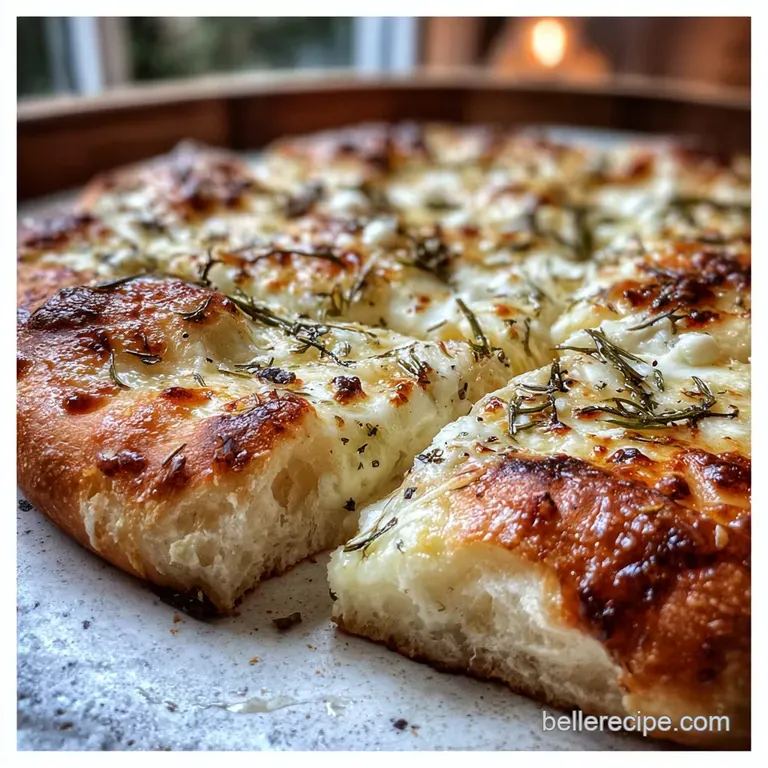
- Flavor/Texture Hook: A velvety cheese blend atop a crust that offers a distinct, glassy shatter.
- Perfect for: A mindful Friday night dinner or a cozy gathering with friends who appreciate nuanced flavors.
- Creating a Comforting Homemade White Pizza Recipe
- Why This Flavor Harmony Works
- Simple Specs for Perfect Results
- Pure Elements for Balanced Toppings
- Essential Tools for Every Kitchen
- Transforming Dough into Golden Crust
- Solving Common Kitchen Pizza Struggles
- Adapting Flavors for Your Table
- Guidelines for Future Pizza Nights
- Debunking Common Pizza Myths
- Mindful Ways to Share Pizza
- How to Serve and Enjoy
- HIGH in Sodium
- Recipe FAQs
- 📝 Recipe Card
Creating a Comforting Homemade White Pizza Recipe
The kitchen was quiet, save for the low hum of the oven preheating, when I first realized that white pizza isn't just a red sauce pizza without the tomatoes. It was a cold Tuesday last November, and I was craving something that felt like a warm hug but tasted like a trip to a hidden Roman bakery.
As I dropped the minced garlic into a pool of extra virgin olive oil, the aroma hit me instantly. It wasn't sharp or aggressive; it was warm, nutty, and promised something substantial.
That first attempt taught me a hard lesson about moisture. I had piled on the cheese without thinking, and the result was a soggy, sad middle that didn't have any of that characteristic crunch.
I learned that the secret to a great white pizza recipe lies in the balance between the fat of the cheeses and the structure of the dough. It’s about creating a moisture barrier that allows the crust to sing while the toppings meld into a rich, unified layer.
Now, whenever I pull this pie out of the oven, the smell of toasted oregano and melted goat cheese fills the house, bringing everyone to the table before I even have a chance to call them. It transforms a simple weeknight into something that feels intentional and shared.
We’re not just eating dinner; we’re breaking into a crust that has been nurtured to golden perfection, topped with a blend of cheeses that feel like velvet against the palate.
Why This Flavor Harmony Works
The success of this dish isn't accidental. It relies on a few fundamental principles of kitchen chemistry that ensure the crust stays firm while the toppings become incredibly lush.
- The Lipid Barrier: Brushing the raw dough with garlic infused olive oil creates a fat layer that prevents the moisture from the ricotta and mozzarella from soaking into the crumb, ensuring a crispy bottom.
- Starch Gelatinization: Using semolina flour on the peel provides tiny "ball bearings" that prevent sticking, but it also creates a distinct, sandy crunch that contrasts beautifully with the soft cheeses.
- Maillard Reaction: The high heat of the oven reacts with the proteins in the Pecorino Romano and the sugars in the dough to create those beautiful leopard spots and a complex, toasted flavor profile.
- Acidic Balance: The slight tang of the fresh goat cheese cuts through the heavy fat content of the whole milk mozzarella, keeping the palate refreshed after every bite.
Method Comparison for Texture
| Method | Time | Texture | Best For |
|---|---|---|---|
| Preheated Pizza Stone | 10-12 minutes | Shatter crisp bottom with airy, charred bubbles | Authentic pizzeria style |
| Cast Iron Skillet | 12-15 minutes | Deep dish style with a fried, golden brown crust | Maximum crunch and easy cleanup |
| Standard Baking Sheet | 15 minutes | Softer, chewier crust with even browning | Large families or beginner cooks |
Choosing your cooking vessel changes the soul of the pizza. If you use a stone, you get that classic artisanal feel, but don't sleep on the cast iron method if you want a crust that almost tastes fried in the best way possible.
It's a great way to experiment with the same white pizza recipe to see which texture your family prefers on a cozy night in.
Simple Specs for Perfect Results
When you’re aiming for that professional finish at home, numbers matter just as much as intuition. I’ve found that being precise with temperatures and weights removes the guesswork that often leads to a "just okay" dinner. We want something that stays in the memory long after the last slice is gone.
Component Analysis
| Ingredient | Science Role | Pro Secret |
|---|---|---|
| Low moisture Mozzarella | Provides the "stretch" without excess water | Grate your own from a block to avoid anti clumping starches |
| Whole Milk Ricotta | Adds a velvety, creamy mouthfeel | Drain in a fine mesh sieve for 30 minutes to prevent a soggy center |
| Fresh Garlic | Infuses the oil with aromatic compounds | Mince finely so it softens completely in the oven without burning |
The interplay between these elements is what defines the dish. If you're looking for a base to start with, I highly recommend using a high-quality Robertas Pizza Dough recipe which provides the perfect fermented backbone for these rich, fatty toppings. The hydration level in a good dough is what allows those big, beautiful air pockets to form under the intense heat of your oven.
Pure Elements for Balanced Toppings
Gathering your ingredients is the first step in a mindful cooking process. I like to lay everything out on the counter, appreciating the contrast between the snow white cheeses and the deep green of the fresh basil. It’s a visual reminder of the freshness we’re about to bake into the crust.
- 1 lb pizza dough: Room temperature is a must for easy stretching.
- 2 tbsp semolina flour: This is your insurance policy against sticking.
- 3 tbsp extra virgin olive oil: Use the good stuff here; the flavor shines through.
- 4 cloves fresh garlic, minced: Why this? Fresh garlic provides a punch that pre minced jars simply cannot replicate.
- 1/2 tsp dried oregano: Adds an earthy, floral undertone to the oil base.
- 1/4 tsp red pepper flakes: Just enough to provide a tiny spark of heat.
- 1 cup low moisture whole milk mozzarella, shredded: Why this? It melts smoothly without releasing the puddles of water fresh mozzarella does.
- 1/2 cup whole milk ricotta cheese, drained: This creates those beautiful creamy clouds.
- 1/4 cup Pecorino Romano, finely grated: Adds the necessary salt and "funk" to the mix.
- 2 oz fresh goat cheese: For a bright, tangy contrast to the mellow mozzarella.
- 1/4 cup fresh basil leaves, torn: Always add this at the very end to preserve the oils.
- 1/2 tsp flaky sea salt: For that final pop of texture and flavor.
Ingredient Substitution Guide
| Original Ingredient | Substitute | Why It Works |
|---|---|---|
| Pecorino Romano | Parmesan Reggiano | Similar hard texture but slightly nuttier and less salty. |
| Fresh Goat Cheese | Feta Cheese | Provides a similar tang. Note: Feta is saltier and won't melt as smoothly. |
| Semolina Flour | Cornmeal | Prevents sticking. Note: Adds a grittier texture and distinct corn flavor. |
If you find yourself short on time but still want that handcrafted feel, you can apply these same toppings to a different base. For a fun, crunchy variation that takes even less effort, you might enjoy trying my My & Homemade recipe for a French bread version. It’s a brilliant way to use up a loaf of bread while still hitting those white pizza flavor notes.
Essential Tools for Every Kitchen
You don't need a million gadgets to make a world class pizza, but a few specific items will make your life significantly easier. I remember trying to move a fully loaded pizza onto a hot tray using two spatulas and a prayer it didn't end well.
Investing in a simple peel was a turning point for my kitchen confidence.
Chef's Tip: Freeze your block of mozzarella for 10 minutes before grating. It firms up the fats, making it much easier to shred without it turning into a squishy mess in your hand.
Aside from a pizza stone or a heavy baking sheet, a microplane is your best friend here. It allows you to grate the Pecorino into a fine snow that melts almost instantly. You'll also want a small glass bowl for infusing your garlic oil.
I like to let the garlic sit in the oil while the oven preheats; it’s a small step that makes a massive difference in how the flavors distribute across the dough.
Transforming Dough into Golden Crust
This is where the magic happens. Turning these raw components into a bubbling, aromatic masterpiece requires a bit of patience and a lot of heat. Follow these steps, and you'll have a pizza that rivals your favorite local spot.
- Heat the oven. Place your pizza stone on the middle rack and preheat to 500°F for at least 45 minutes. Note: This ensures the stone is hot enough to sear the dough on contact.
- Infuse the oil base. In a small bowl, combine the extra virgin olive oil, minced garlic, dried oregano, and red pepper flakes.
- Prepare the dough. On a lightly floured surface, stretch your 1 lb of dough into a 12 inch circle. Look for a translucent "windowpane" effect when you hold a piece up to the light.
- Dust the peel. Sprinkle the 2 tbsp of semolina flour onto your pizza peel or the back of a baking sheet.
- Build the base. Transfer the dough to the peel. Brush the garlic oil mixture generously over the entire surface, leaving a 1 inch border for the crust.
- Layer the cheeses. Evenly distribute the shredded mozzarella, then drop small dollops of the drained ricotta and crumbled goat cheese across the top.
- Add the saltiness. Sprinkle the Pecorino Romano over everything.
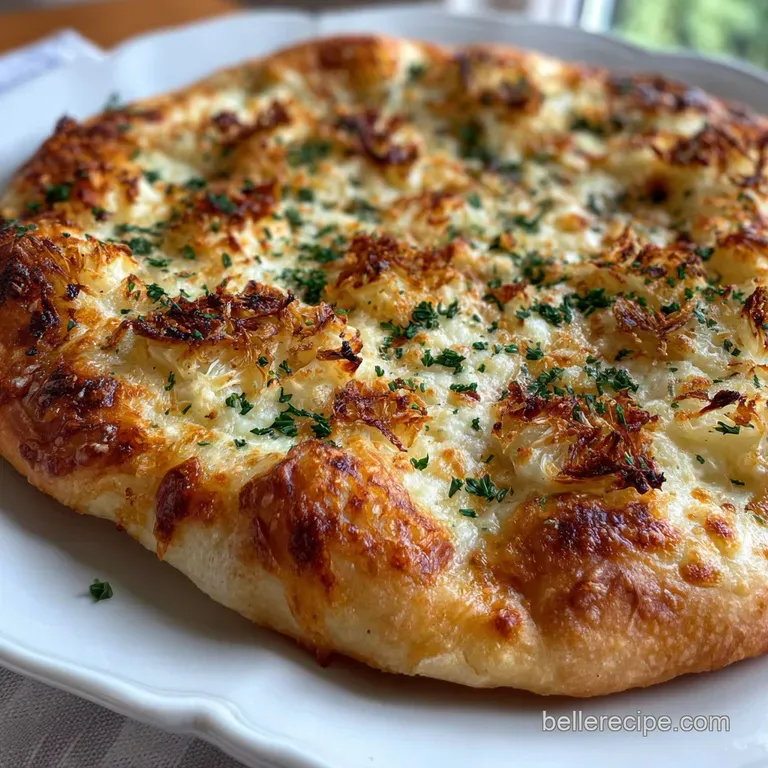
- Bake the pizza. Carefully slide the pizza onto the hot stone. Bake for 10-12 minutes until the crust is charred and the cheese is bubbling and golden.
- The final touch. Remove from the oven and immediately top with the torn fresh basil and a sprinkle of flaky sea salt.
- Rest and slice. Let the pizza sit for 3 minutes before cutting to allow the cheese to set slightly.
Solving Common Kitchen Pizza Struggles
Even with the best intentions, things can go sideways. I’ve had my fair share of "pizza soup" and burnt garlic bits. The good news is that most of these issues have very simple fixes once you understand why they're happening.
The "Weeping" Ricotta Fix
If you notice small puddles of water forming on your pizza as it bakes, it’s almost certainly because the ricotta wasn't drained properly. Ricotta is packed with whey, which releases under high heat.
To prevent this, always dump your ricotta into a cheesecloth or fine strainer for at least half an hour before you start. You'll be surprised at how much liquid comes out!
Preventing Burnt Garlic
Garlic is delicate. If it’s chopped too large or sits right on top of the cheese without any oil protection, it will turn bitter and black in a 500 degree oven. By mixing it into the oil first, you're essentially poaching it as the pizza bakes. This keeps it sweet and mellow.
Common Troubleshooting Guide
| Problem | Root Cause | Solution |
|---|---|---|
| Soggy middle | Too much cheese or wet toppings | Use low moisture mozzarella and drain the ricotta thoroughly. |
| Tough, cardboard crust | Overworked dough or low heat | Let dough rest after stretching and ensure oven is at max temp. |
| Dough won't stretch | Cold dough | Let dough sit at room temperature for at least 2 hours before handling. |
Common Mistakes Checklist
- ✓ Never use "fresh" mozzarella packed in water for this specific style; it's too wet.
- ✓ Avoid rolling pins if you want bubbles; use your hands to gently stretch the dough.
- ✓ Don't skip the preheat; a cold stone or pan will lead to a pale, gummy bottom.
- ✓ Resisted the urge to add more garlic than called for; it can quickly become overpowering.
- ✓ Ensure your basil is added after baking to prevent it from turning black and bitter.
Adapting Flavors for Your Table
The beauty of a white pizza recipe is its versatility. Think of the cheese and garlic oil as a blank canvas. While I love the four cheese blend exactly as it is, there are plenty of ways to mix it up based on what’s in your fridge or the season.
White Pizza Recipe with Tomatoes
If you find yourself missing a bit of that acidic pop, adding thinly sliced Roma tomatoes or halved cherry tomatoes is a fantastic move. The trick is to salt the tomatoes beforehand and let them sit on a paper towel to draw out excess moisture. Lay them on top of the mozzarella before baking.
They'll roast in the oven, becoming sweet and concentrated, providing a lovely contrast to the creamy ricotta.
Herbaceous White Pizza Toppings
While basil is the classic choice, I often find myself reaching for fresh thyme or even a drizzle of hot honey. If you want to go in a more savory direction, try adding some caramelized onions or sautéed mushrooms. Just remember: always cook your vegetables before putting them on the pizza.
Raw veggies release too much water during the short bake time, which will ruin that crispy foundation we worked so hard to build.
Guidelines for Future Pizza Nights
Scaling this recipe is fairly straightforward, but there are a few nuances to keep in mind if you're feeding a crowd or just cooking for two.
- Scaling Down (½ Recipe): If you only want one small pizza, use 8 oz of dough. Reduce the bake time by about 2-3 minutes. You can still use a whole clove of garlic, as the oil needs that flavor.
- Scaling Up (2x-4x): When making multiple pizzas, don't double the red pepper flakes or salt linearly; 1.5x is usually plenty. Work in batches so you don't overcrowd the oven, which can drop the temperature.
- Baking Multiple Pies: If you're doing a "pizza party" style, let the stone reheat for 5-10 minutes between each pizza to ensure the bottom crust gets that immediate hit of heat.
Budget Friendly Cheese Alternatives
| Premium | Budget | Flavor Impact | Savings |
|---|---|---|---|
| Fresh Goat Cheese | Extra Mozzarella + Lemon Zest | Less tang, but still creamy and bright. | Save $4-6 |
| Pecorino Romano | Domestic Hard Grating Cheese | Less sharp and salty than the Italian original. | Save $3-5 |
| Whole Milk Ricotta | Cottage Cheese (Blended) | Slightly more watery, but very similar flavor. | Save $2-3 |
Debunking Common Pizza Myths
There's a lot of "gatekeeping" in the pizza world, but the truth is often much simpler than the internet makes it out to be.
- Myth: You must use "00" flour for a good crust. Truth: While "00" is great for wood fired ovens, standard All Purpose or Bread flour actually browns better in a home oven because of its slightly higher sugar and protein content.
- Myth: Sugar in dough is cheating. Truth: A pinch of sugar helps with browning and feeds the yeast, which is especially helpful if you're not doing a long 3 day cold ferment.
- Myth: You should never wash your pizza stone with soap. Truth: Modern stones are fine with a little mild soap; just make sure it is 100% bone dry before putting it in a hot oven, or it might crack.
Mindful Ways to Share Pizza
There's a certain ritual to sharing a pizza. I love placing the board in the center of the table and letting everyone tear off their own pieces of basil to scatter over their slices. It makes the meal feel interactive and alive.
Storage and Zero Waste
If you happen to have leftovers (a rare occurrence in my house), store them in an airtight container in the fridge for up to 3 days. To reheat, avoid the microwave at all costs! It will turn your beautiful crust into rubber.
Instead, place the slices in a dry skillet over medium heat for 2 minutes to crisp the bottom, then add a teaspoon of water to the pan and cover it with a lid for 30 seconds to melt the cheese.
For zero waste, don't toss those basil stems! You can throw them into a freezer bag to use later when making a vegetable stock. Any leftover garlic oil can be drizzled over roasted potatoes or used to sauté greens the next day.
If you find yourself with extra cheese scraps, they make for an amazing addition to my Cheesy Homemade Pizza Rolls recipe, ensuring nothing goes to waste while giving you a head start on your next snack.
How to Serve and Enjoy
To truly honor the flavors of this white pizza recipe, I recommend serving it with something that offers a bit of crunch and acidity to cut through the richness of the four cheeses.
The Perfect Side Kick
A simple arugula salad dressed with nothing but lemon juice and a hint of olive oil is the ideal partner. The peppery bite of the greens acts as a palate cleanser between bites of the creamy, garlic heavy pizza. It keeps the meal feeling light and balanced rather than heavy.
A Mindful Pour
If you're looking for a drink pairing, a crisp white wine like a Pinot Grigio or a dry Sauvignon Blanc works wonders. The acidity in the wine mirrors the tang of the goat cheese and helps highlight the herbal notes of the oregano and basil.
For a non alcoholic option, a sparkling water with a heavy squeeze of lime provides that same refreshing contrast.
Cooking this pizza is an exercise in mindfulness from the way the dough feels under your palms to the precise moment the cheese starts to blister. It’s a reminder that simple ingredients, when treated with respect and a little bit of science, can transform into something truly extraordinary.
Enjoy the process, and more importantly, enjoy the company you share it with.

HIGH in Sodium
1025 mg mg of sodium per serving (45% % of daily value)
The American Heart Association recommends limiting sodium intake to about 2,300mg per day.
Tips to Reduce Sodium in Your Pizza:
-
Low-Sodium Cheese-15%
Substitute low-sodium mozzarella, ricotta, and Pecorino Romano cheeses. Many brands offer reduced sodium options that can significantly decrease the overall sodium content of the pizza. Look for cheeses labeled 'low sodium' or 'reduced sodium'.
-
Reduce Added Salt-25%
Omit the flaky sea salt entirely. Cheeses already contribute sodium, so you likely won't miss it. Taste the pizza before adding any salt after baking.
-
Reduce Goat Cheese-10%
Reduce the amount of goat cheese used, as it also contributes to the overall sodium content. Consider using half the amount or swapping for a lower sodium cheese option.
-
Herb Power!
Enhance flavor with more herbs and spices! Increase the amount of oregano, red pepper flakes, and fresh basil to boost flavor without adding sodium. Garlic powder is another good option.
Recipe FAQs
What does a white pizza consist of?
It's typically pizza without a tomato sauce base. White pizza relies on an olive oil or garlic infused base, layered with cheeses like mozzarella, ricotta, parmesan, or romano, and often finished with herbs like basil or oregano.
What are the best toppings for white pizza?
Focus on complementary flavors and textures. Excellent choices include sautéed mushrooms, caramelized onions, spinach, fresh garlic, prosciutto, or even a drizzle of honey or pesto after baking.
Is white pizza just pizza without sauce?
Yes, but it's more than just a lack of sauce. The absence of tomato sauce means the flavors of the cheese, garlic oil base, and crust become more prominent, requiring careful balancing for a delicious outcome.
Is white pizza a thing in Italy?
Yes, absolutely. While not as globally ubiquitous as red sauce pizza, Italy has several beloved white pizza variations, often featuring simple, high-quality ingredients. For instance, a classic Pizza Bianca uses just olive oil, salt, and rosemary, showcasing the dough itself, similar to how we prepare doughs with high hydration in recipes like The Best New York Style Pizza Dough Recipe: My Family Favorite.
How to make white pizza crust crispy?
Use a hot oven and a barrier. Preheating your oven and pizza stone or steel to a high temperature (500°F or more) is crucial for an immediate sear. Brushing the dough with garlic infused olive oil before adding cheeses also creates a lipid barrier that helps prevent sogginess.
What cheese is used on white pizza?
A blend typically provides the best flavor and texture. Mozzarella is a staple for meltability, often combined with creamy ricotta for richness, and sharp Pecorino Romano or Parmesan for a salty, nutty kick. Fresh goat cheese can also add a pleasant tang.
Can I use Beurre Blanc as a white pizza sauce?
No, Beurre Blanc is not suitable as a pizza sauce. While it's a delicious French butter sauce, its emulsion is designed for finishing cooked dishes, not for baking on pizza. It would likely break and become oily under high heat. If you're interested in mastering emulsification techniques, check out how we achieve stable emulsions in our Beurre Blanc Recipe My Foolproof French Butter Sauce.
White Pizza Recipe
Ingredients:
Instructions:
Nutrition Facts:
| Calories | 594 kcal |
|---|---|
| Protein | 23.3 g |
| Fat | 27.5 g |
| Carbs | 59.5 g |
| Fiber | 2.4 g |
| Sugar | 1.8 g |
| Sodium | 1025 mg |
