Wilted Lettuce Recipe
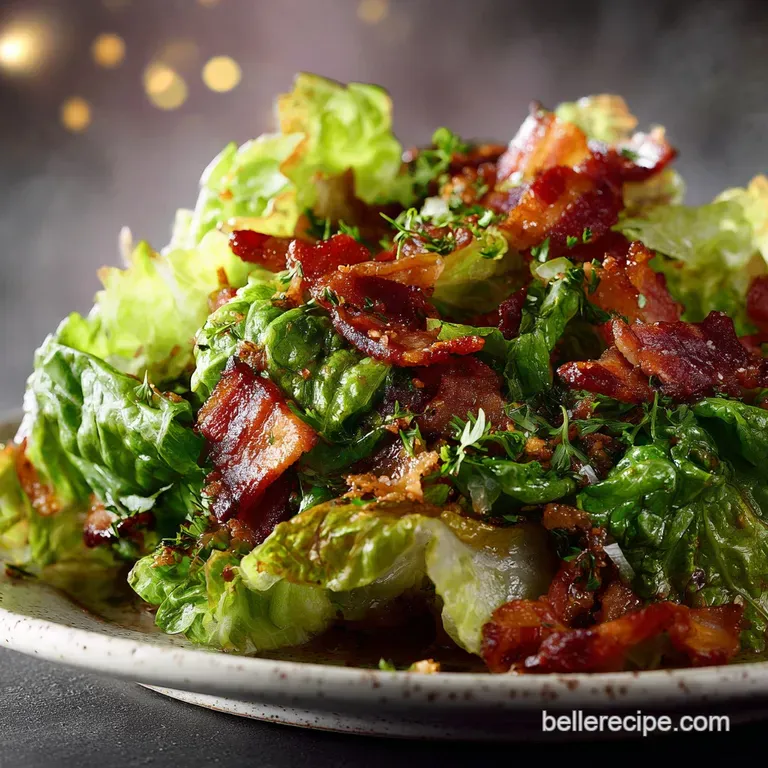
- Time: Active 5 minutes, Passive 5 minutes, Total 10 minutes
- Flavor/Texture Hook: Smoky, tangy, and tender crisp
- Perfect for: Quick weeknight sides or nostalgic Sunday lunches
- The Science of Why It Works
- Essential Recipe Specs and Servings
- Component Analysis and Ingredient Roles
- Kitchen Tools for Success
- Step by Step Cooking Instructions
- Troubleshooting Flavor and Texture Issues
- Creative Dietary Variations and Swaps
- Storage and Smart Zero Waste
- Best Ways to Serve This
- Wilted Lettuce Recipe FAQs
- 📝 Recipe Card
Have you ever stood in your kitchen, staring at a bag of leaf lettuce, and felt like a cold salad just wasn't going to cut it? I remember one rainy Tuesday when I was craving something comforting but still fresh. That's when I rediscovered the magic of the wilted lettuce recipe.
It's a dish that feels like a hug from a grandmother who lived through the Appalachian summers, yet it has a punchy, modern acidity that keeps you coming back for more.
The secret isn't just in the ingredients; it's in the timing. I used to think wilting meant cooking the lettuce until it turned into a soggy mess. I was so wrong. The first time I got it right, the leaves stayed bright green but surrendered just enough to soak up that smoky bacon fat. It was a revelation.
We’re not looking for a stew here; we’re looking for a "flash wilt" that respects the integrity of the greens while wrapping them in a mahogany colored dressing.
There’s something incredibly mindful about watching the lettuce leaves slump slightly as the hot dressing hits them. It’s a sensory experience the hiss of the vinegar, the aroma of the rendering bacon, and the vibrant contrast of the sliced eggs.
If you’ve been bored with your greens lately, this recipe is going to change your mind. It’s fast, it’s rustic, and it’s deeply satisfying.
The Science of Why It Works
Cell Wall Weakening: The heat from the dressing causes the cellulose in the lettuce cell walls to soften without fully breaking down, creating a tender texture.
Acid Fat Emulsification: Combining apple cider vinegar with warm bacon fat creates a temporary emulsion that clings to the leaves more effectively than cold oil.
Maillard Reaction: Rendering the bacon at a controlled heat develops complex savory compounds that season the entire bowl of greens.
| Cooking Method | Prep Time | Texture Result | Best For |
|---|---|---|---|
| Stovetop (Classic) | 10 minutes | Tender crisp with hot dressing | Traditional flavor and speed |
| Oven (Sheet Pan) | 15 minutes | Slightly charred and crispy | Large batches and hands off prep |
When I first tried the oven method, I realized it's great for hosting, but nothing beats the stovetop for that immediate sizzle. Much like my favorite Caesar Salad Recipe, the success of this dish relies on the quality of your greens and the balance of the dressing.
Essential Recipe Specs and Servings
This recipe is designed to be a snappy addition to your meal rotation. Because we are using 450g of fresh leaf lettuce, it creates a substantial volume that feeds four people as a side dish.
The beauty of this dish is its efficiency you are looking at a total of 10 minutes from the moment you grab the pan to the moment you sit down to eat.
Maximizing Texture and Umami
To get that perfect "shatter" in your bacon, don't rush the rendering. I like to start the bacon in a cold pan. This allows the fat to liquefy slowly, ensuring the bits get crispy rather than just chewy. Once you add the 60ml of apple cider vinegar, stay alert. That sharp steam is exactly what you want to see.
The Fresh Garden Base
While leaf lettuce is the standard, don't be afraid to mix in some spinach or arugula if you have leftovers. The 450g weight is your target. If you use a denser green, you might need to leave it in the pan for an extra 10 seconds. Just remember, once the leaves lose their "loft," the wilting is done.
Component Analysis and Ingredient Roles
| Ingredient | Science Role | Pro Secret |
|---|---|---|
| Thick cut Bacon | Flavor carrier and fat source | Dice while cold for clean edges |
| Apple Cider Vinegar | pH balancer and deglazing agent | Use a brand with "the mother" for depth |
| Raw Honey | Texture softener and flavor bridge | Warm it slightly to help it dissolve |
The 60g of finely sliced green onions might seem like a small detail, but they provide a fresh, sharp bite that cuts through the richness of the bacon fat. It’s that layering of flavors that makes this dish feel complete.
Kitchen Tools for Success
You don't need a high tech kitchen to master this. A solid 12 inch heavy bottomed skillet like a cast iron pan is your best friend here. The heat retention of cast iron ensures that the dressing stays hot enough to wilt the lettuce even after you pull it off the burner.
I also recommend using a large wooden bowl for tossing. Wood doesn't conduct heat as fast as metal, which prevents the lettuce from over cooking once it's served.
You'll also need a sharp knife for the 60g of green onions and the 2 hard boiled eggs. I’ve found that a serrated knife actually works best for slicing eggs without crumbling the yolks. It’s a small trick I learned after making a mess of my first few attempts at this recipe.
step-by-step Cooking Instructions
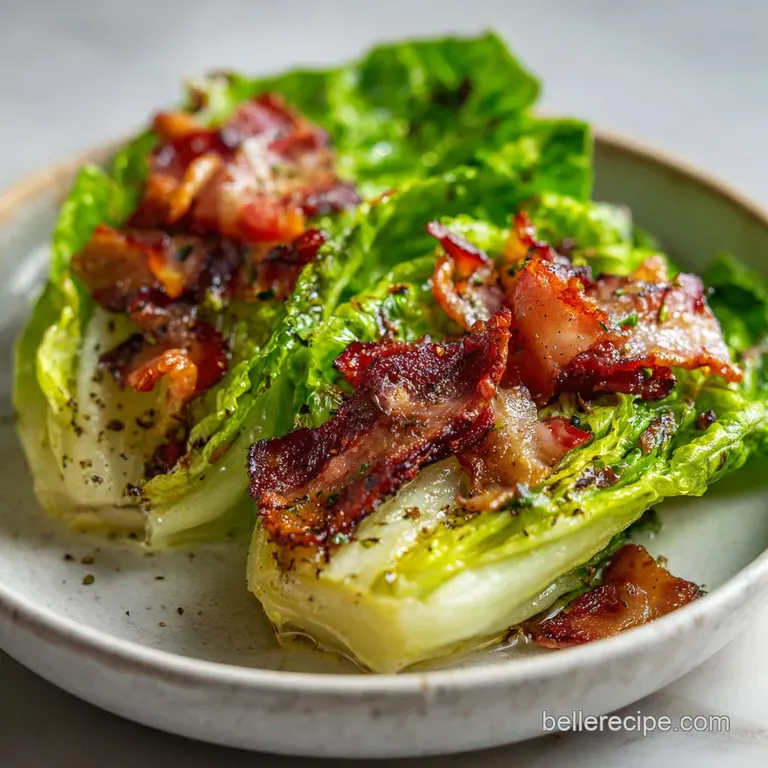
Prep Greens and Protein
Wash and thoroughly dry 450g of fresh leaf lettuce. If the lettuce is damp, the dressing won't stick, and you'll end up with a watery mess. Tear the leaves into bite sized pieces and place them in a heat proof bowl.
Top with 60g of finely sliced green onions and 2 large hard boiled eggs that have been peeled and sliced. Note: Drying the lettuce is the most important step for texture.
Render the Smoky Bacon
Place 4 slices of thick cut bacon, diced into 1.25cm pieces, into a cold skillet. Turn the heat to medium and cook 5 minutes until the bacon is crispy and golden brown.
Use a slotted spoon to remove the bacon bits and set them aside on a paper towel, but keep that liquid gold the fat in the pan.
Create the Emulsified Dressing
To the hot bacon fat, whisk in 60ml of apple cider vinegar, 15ml of raw honey, 1.5g of sea salt, and 1g of black pepper. Whisk vigorously over medium heat for about 30 seconds until the mixture bubbles and looks slightly thickened. The aroma will be quite sharp, which is a sign of a good vinaigrette.
The Quick Flash Wilt
Immediately pour the boiling dressing over the bowl of lettuce and onions. Use tongs to toss everything together for 30 seconds until the leaves just begin to slump and glisten. Do not over toss; you want some structure to remain in the leaves.
Garnish and Serve
Sprinkle the reserved crispy bacon bits over the top. The contrast between the soft leaves, the creamy eggs, and the crunchy bacon is what makes this dish legendary. Serve it immediately while the temperature contrast is at its peak. This flavor profile reminds me of the richness in a Leftover Brisket Recipe, where smoke and sweetness collide.
Troubleshooting Flavor and Texture Issues
Preventing Excessive Sogginess
The most common mistake is pouring the dressing and then letting the salad sit. The heat continues to cook the lettuce even after you stop tossing. If your lettuce is turning gray or mushy, you likely used too much heat or waited too long to serve.
Fixing Overly Salty Dressing
Bacon brands vary wildly in salt content. If your dressing tastes like a salt lick, add another 5ml of honey or a splash of water to dilute the intensity. Always taste the dressing (carefully!) before pouring it over your beautiful greens.
| Problem | Root Cause | Solution |
|---|---|---|
| Tough Lettuce | Using old or thick ribbed greens | Use tender leaf lettuce or remove heavy ribs |
| Greasy Mouthfeel | Dressing didn't emulsify | Whisk more vigorously while the fat is hot |
| Bland Flavor | Not enough acidity | Increase apple cider vinegar by 10ml |
Common Mistakes Checklist
- ✓ Forgetting to dry the lettuce (water prevents the fat from clinging).
- ✓ Using "low-fat" bacon (you need the rendered fat for the dressing).
- ✓ Wilting the lettuce in the pan (this cooks it too much; always pour the dressing over the bowl).
- ✓ Slicing the eggs too early (they can dry out; slice them just before wilting).
Creative Dietary Variations and Swaps
If you are looking for a plant based twist, you can actually use a high-quality smoked olive oil or a dash of liquid smoke in neutral oil to mimic the bacon fat. For the sweetener, maple syrup is a fantastic alternative to honey, adding a different kind of earthy sweetness that pairs beautifully with the vinegar.
Plant Based Recipe Variations
Instead of bacon, use 60ml of extra virgin olive oil and 5ml of liquid smoke. Replace the hard boiled eggs with smoked tofu cubes or toasted walnuts for that necessary protein and fat.
Keto Friendly Recipe Adjustments
To keep this strictly keto, ensure you use granulated erythritol or a few drops of liquid stevia instead of the 15ml of honey. The 9.4g of carbs per serving mostly come from the honey and the onions, so adjusting the sweetener makes this a very low carb friendly side.
| Original Ingredient | Substitute | Why It Works |
|---|---|---|
| Apple Cider Vinegar | Red Wine Vinegar | Similar acidity. Note: Lacks the fruity undertones of cider |
| Raw Honey | Maple Syrup | Same viscosity. Adds a distinct woody sweetness |
| Thick cut Bacon | Prosciutto | Salty and fatty. Note: Crisps up much faster than bacon |
Storage and Smart Zero Waste
Let's be honest: this is not a dish that stores well once it's wilted. The lettuce will continue to break down in the fridge, and by the next morning, it will be a pool of liquid. If you have leftovers, your best bet is to chop them up and fold them into an omelet the next morning.
The bacon fat and vinegar add a surprising depth to scrambled eggs.
However, you can prep the components ahead of time. Keep the torn lettuce in a sealed bag with a paper towel to stay crisp for up to 3 days. Store the rendered bacon bits and the fat separately in the fridge for up to a week.
When you're ready to eat, just reheat the fat and vinegar in a pan and proceed with the wilting. To reduce waste, save the ends of your green onions and place them in a jar of water on your windowsill they’ll regrow in no time!
Best Ways to Serve This
This wilted lettuce recipe is a chameleon. It sits perfectly next to a heavy roast or a simple grilled chicken breast. I love serving it with a side of cornbread to soak up the extra dressing at the bottom of the bowl. There's something so nostalgic about that vinegary "pot liquor" that forms.
If you want to turn it into a full meal, try topping it with some grilled shrimp or even some leftover steak. The warmth of the salad makes it feel much more like a main course than a standard garden salad. Honestly, sometimes I just eat a double portion for lunch and call it a day. It’s that good.
Trust me, once you master the 30 second toss, you'll be making this every time your garden (or the grocery store) gives you a surplus of greens.
Achieving the Perfect Wilt
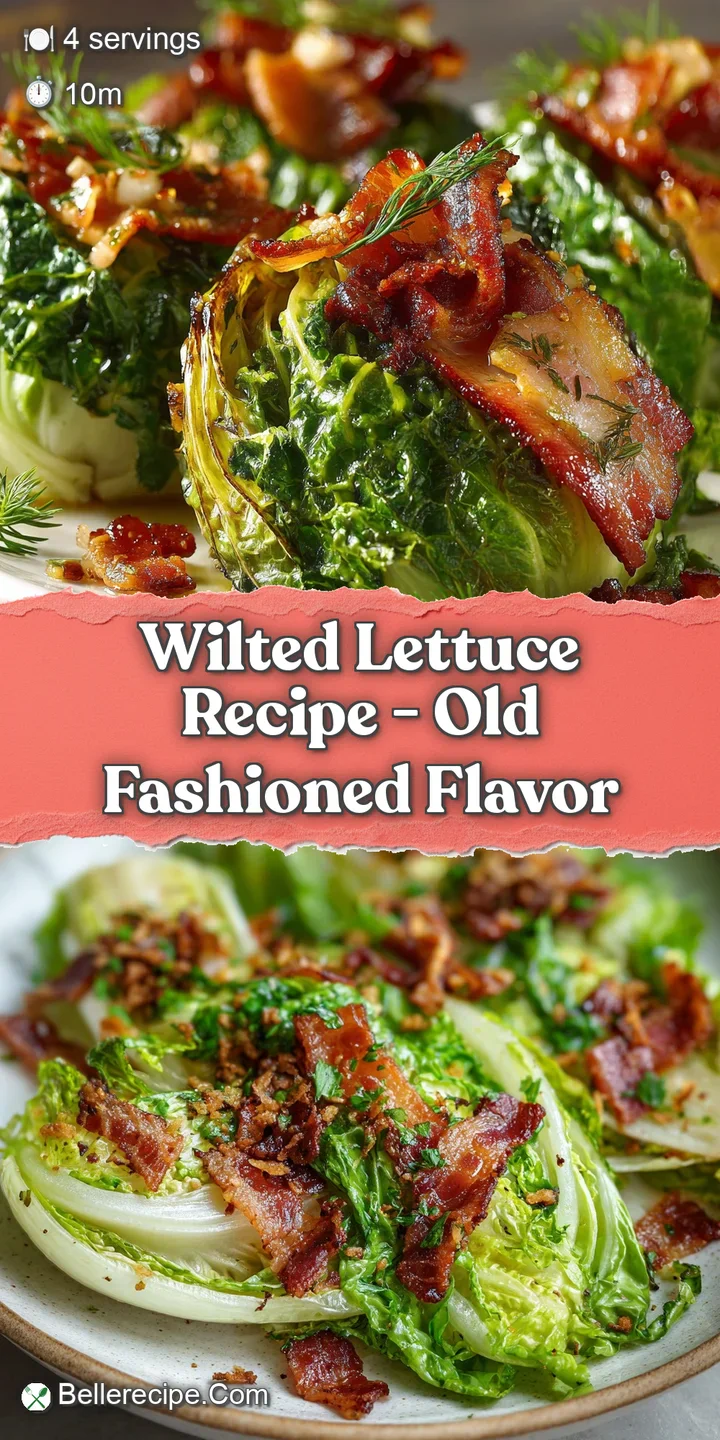
The "perfect wilt" is all about the "slump." You want to see the volume of the lettuce reduce by about half, but the leaves should still have a bit of a "snap" when you bite into them. If they look like cooked spinach, you've gone too far.
Smoky Mahogany Dressing Secrets
Don't be afraid to let the honey caramelize slightly in the bacon fat before adding the vinegar. This creates a deeper color and a more complex flavor profile. It's these tiny details the smell of the honey hitting the fat that turn a simple recipe into a family favorite. It reminds me of the slow cooked comfort found in a Creamed Onions recipe, where time and heat transform basic ingredients into something velvety and rich.
Wilted Lettuce Recipe FAQs
What can you do with wilted lettuce?
Cook it! Wilted lettuce is best transformed into a warm, savory dish. The leaves are tenderized by a hot dressing, making them a delicious side dish similar to how we achieve tender textures in creamed spinach.
How to make wilted lettuce crisp?
You can't fully restore crispness. Once lettuce wilts significantly from heat or dehydration, its cell structure changes, making it limp. For the best result, focus on the "flash wilt" technique where the lettuce is just barely softened, retaining some tender crispness.
Is there a way to fix wilted lettuce?
Yes, by cooking it immediately. If your lettuce is slightly wilted but not slimy, it's perfect for warm wilted lettuce dishes. Submerging slightly wilted greens in ice water can sometimes perk them up, but severely wilted leaves are best used for cooking.
Why do you put wilted lettuce in hot water?
It's not hot water, but a hot dressing. The heat from a dressing (often infused with bacon fat and vinegar) causes the lettuce cells to soften, creating a tender texture and allowing the leaves to absorb flavor. This is a technique that focuses on controlled softening, not boiling.
Can I make wilted lettuce without bacon?
Yes, you can use alternatives. For a plant based version, try using smoked olive oil or a neutral oil with a dash of liquid smoke to mimic the smoky flavor. This is similar to how we build flavor layers in other dishes, like in our salsa dressing.
What's the best type of lettuce for wilting?
Tender leaf lettuces are ideal. Varieties like butter lettuce, romaine hearts, or even a mix of spring greens work well. Avoid very crisp, dense lettuces like iceberg, as they can become tough rather than tender when wilted.
How quickly does lettuce wilt?
Very quickly, in about 30 seconds. The key is a hot dressing and brief tossing. You want the leaves to just start to slump and glisten, not turn mushy. Mastering this fast transformation is crucial for the dish's texture.
Wilted Lettuce Recipe

Ingredients:
Instructions:
Nutrition Facts:
| Calories | 142 kcal |
|---|---|
| Protein | 8.6 g |
| Fat | 8.1 g |
| Carbs | 9.4 g |
| Fiber | 1.6 g |
| Sugar | 6.2 g |
| Sodium | 385 mg |
