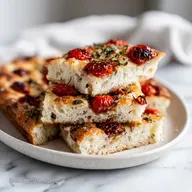
Gluten Free Focaccia: Fluffy and Golden
This gluten free focaccia recipe produces a bubbly, golden surface and a light interior. It relies on a specific flour blend to mimic the traditional Italian bakery texture.
airy gluten-free crumb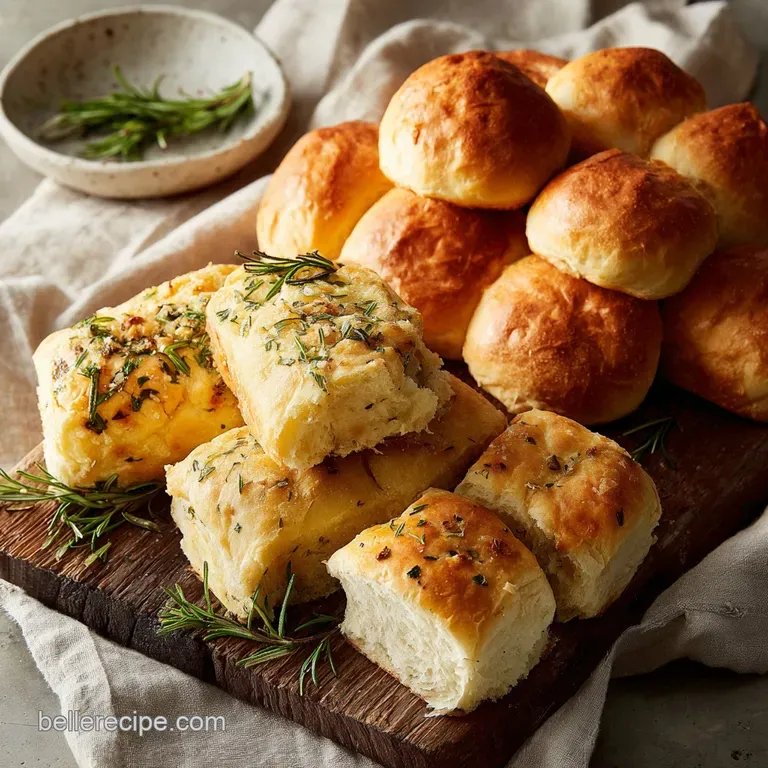
Homemade bread shows up on weekend tables for a reason—the process of kneading and rising creates a texture and flavor that store-bought loaves can't match. Home baking fits into any schedule, whether you have a full afternoon for slow-rising dough or only twenty minutes for a savory side.
These recipes are for cooks who want the smell of fresh bread at home without the complexity of professional bakery methods.
Whether you're baking a sweet copycat recipe for a dinner party or need a fast, protein-dense loaf for a weeknight side, this collection covers various dietary needs and skill levels.
We have gathered options for those avoiding gluten alongside classic sweet rolls and sourdough variations to ensure every meal has the right accompaniment.
Gluten-free baking relies on specific flour combinations to replicate the structure usually provided by wheat protein. These recipes focus on maintaining a moist interior and a golden crust, making them suitable for both gluten-sensitive diners and those exploring alternative grain profiles like chickpea flour.
This gluten free focaccia recipe produces a bubbly, golden surface and a light interior. It relies on a specific flour blend to mimic the traditional Italian bakery texture.
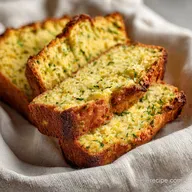
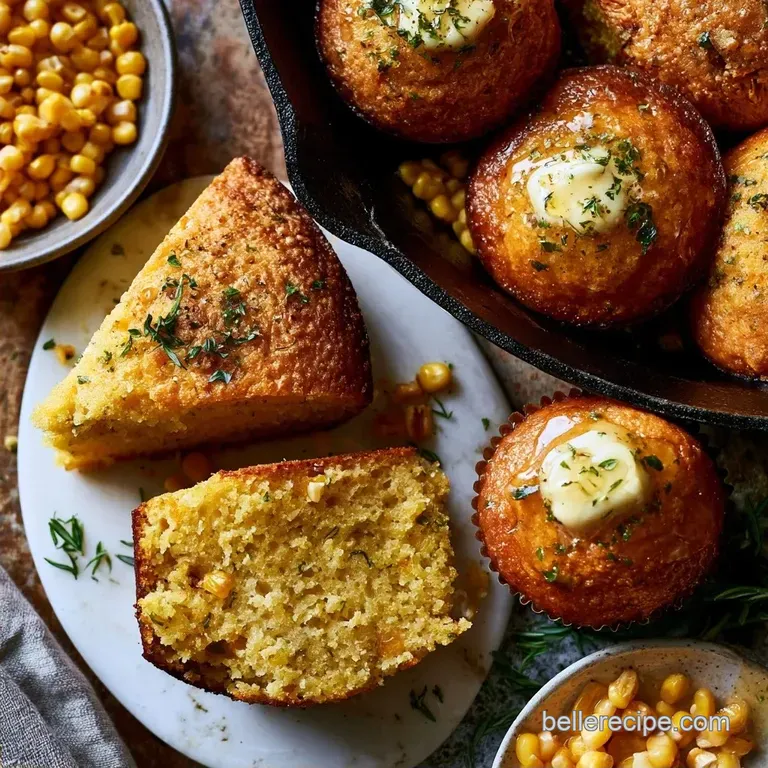
airy gluten-free crumbReady in under half an hour, this chickpea flour bread is both savory and high-protein. The garlic seasoning makes it a useful quick side for Mediterranean soups.
25 minute bakeWorking with yeast allows for that signature lift and airy texture found in traditional bakery loaves. This group offers a variety of flavors, from a sweet copycat kings hawaiian rolls recipe to a practical sourdough discard loaf and a dense ancient grain bread.
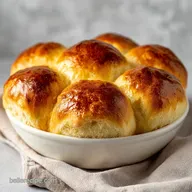
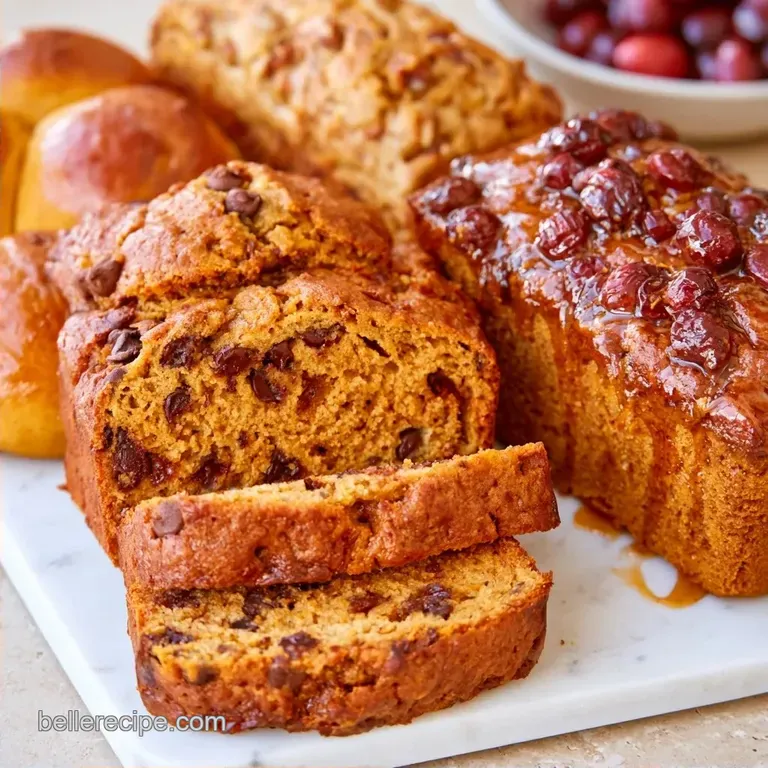
Inspired by the bakery classic, these soft rolls use an enriched dough to achieve a pillowy texture. They are a great choice for sliders or a sweet dinner side.
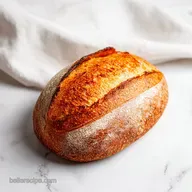
sweet copycat rollsThis sourdough discard bread recipe is a practical way to use leftover starter for a sandwich loaf. It results in a tangy, soft-crusted bread without a long fermentation.
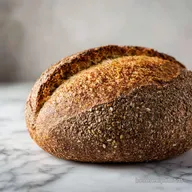
sandwich loaf styleBased on ancient grains like barley, this dense Ezekiel bread recipe provides a substantial, nutrient-forward slice. It is a hearty option for those seeking traditional grain blends.
ancient grain blend| # | Recipes | Best For | Time | Difficulty | Style | Texture |
|---|---|---|---|---|---|---|
| 1 | Gluten Free Focaccia | dipping in olive oil | 135 min | Beginner | Focaccia | Airy |
| 2 | Garlic Garbanzo Bean Bread | quick side dish | 25 min | Beginner | Quick Loaf | Dense |
| 3 | Kings Hawaiian Rolls | sliders and sandwiches | Time varies | Beginner | Sweet Rolls | Pillowy |
| 4 | Sourdough Discard Bread | daily toast | 3 hr 15 min | Intermediate | Sandwich Loaf | Soft |
| 5 | Biblical Bread | hearty breakfast toast | 2 hr 5 min | Intermediate | Ancient Grain | Dense |
Discover more curated recipe collections
Explore more recipe collections →