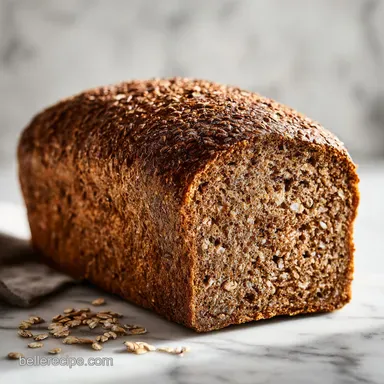
Biblical Bread Recipe: Ezekiel 4:9 Ancient Loaf
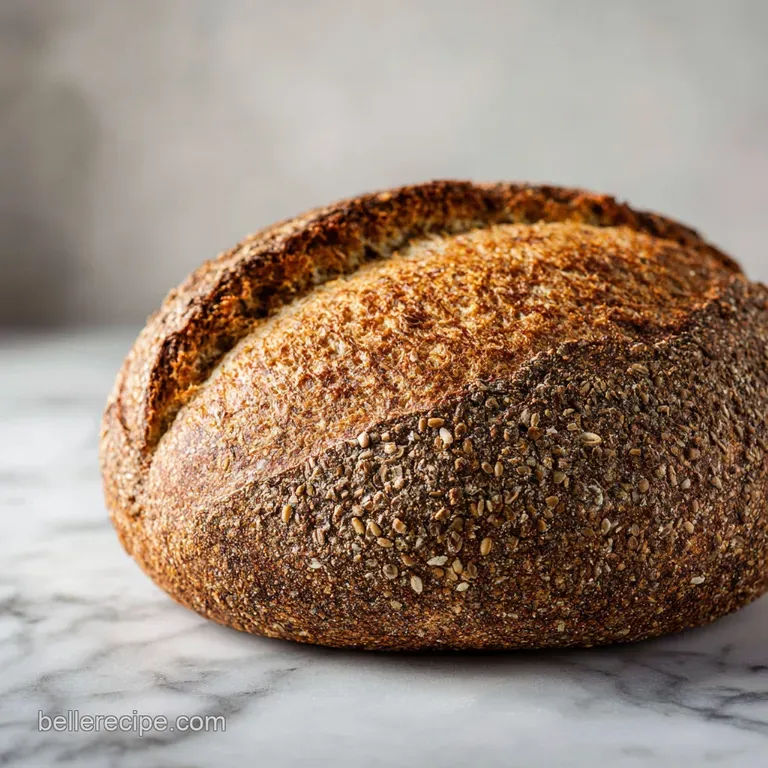
- Time: 25 min active + 1 hour rising = Total 2 hours 5 mins
- Flavor/Texture Hook: Rich, mahogany crust with a velvety, nutty interior
- Perfect for: Hearty breakfasts, historical themed dinners, or healthy meal prep
- The Authentic Biblical Bread Recipe
- Grain Balance Secrets
- Component Analysis
- The Essential Ingredients
- Required Kitchen Tools
- The Step-by-Step Method
- Fixing Common Baking Issues
- Swaps and Flavor Tweaks
- Scaling Your Loaf
- Ancient Grain Truths
- Keeping Your Loaf Fresh
- The Best Pairing Ideas
- Recipe FAQs
- 📝 Recipe Card
The Authentic Biblical Bread Recipe
That first scent hits you the second you open the oven door, a deep, toasted aroma of sun baked grains and warm honey that fills every corner of the kitchen. I remember the first time I tried to recreate this, thinking I could just toss a few handfuls of different flours together.
I ended up with something that looked like a loaf of bread but had the structural integrity of a sidewalk brick. It was a humbling experience, but it taught me that ancient grains don't play by the same rules as modern white flour.
The secret isn't just in the ingredients, but in the patience you give the dough. When you get the ratios right, the crust gets this beautiful, crackling mahogany finish and the inside stays surprisingly tender.
This biblical bread recipe isn't about precision laboratory measurements, but about honoring the raw, earthy flavors of the Levant.
You can expect a loaf that feels heavy in your hand and tastes incredibly rich. It doesn't have that airy, bubbly texture of a baguette, but it offers a savory depth that makes a simple slab of salted butter feel like a gourmet meal.
Let's get into how to actually make this work in a modern kitchen without the heartbreak of a dense loaf.
Grain Balance Secrets
When you're working with a mix of legumes and ancient grains, you're dealing with varying levels of gluten. Unlike a standard white loaf, this biblical bread recipe relies on a complex network of proteins to hold everything together.
- Legume Binding: Chickpea and lentil flours don't have gluten, but they provide a starchy "glue" that adds a velvety texture to the crumb.
- Honey Hydration: Honey does more than sweeten, it attracts and holds onto moisture, which prevents the ancient grains from drying out during the 40 minute bake.
- The Spelt Factor: Spelt provides the necessary structure that barley and millet lack, ensuring the loaf rises instead of flattening.
- Yeast Activation: Using warm water and honey gives the yeast a quick energy boost, which is critical when it has to lift such heavy, nutrient dense flours.
| Method | Time | Texture | Best For |
|---|---|---|---|
| Fresh Homemade | 2 hours 5 mins | Nutty, dense, crackling crust | Authentic taste & nutrition |
| store-bought | 0 mins | Spongy, uniform, bland | Extreme convenience |
| Quick Mix | 45 mins | Crumbly, heavy | Fast snacks |
Component Analysis
Understanding why these specific flours are used helps you tweak the recipe if you can't find everything at your local store.
| Ingredient | Science Role | Pro Secret |
|---|---|---|
| Spelt Flour | Structural Gluten | Use organic for a more vibrant, nutty flavor |
| Chickpea Flour | Texture Modifier | Sift twice to avoid tiny bitter clumps |
| Honey | Humectant/Food | Use wildflower honey for a richer aroma |
| Barley Flour | Moisture Retainer | Don't over measure or the bread becomes gummy |
The Essential Ingredients
For this biblical bread recipe, you'll need a mix of grains that mimic the traditional Ezekiel blend. Don't be tempted to swap everything for just whole wheat, or you'll lose that specific ancient flavor profile.
- 1 cup (120g) whole wheat flour Why this? Provides the primary structure and bulk. (Substitute: White whole wheat flour for a milder taste)
- 1/2 cup (60g) spelt flour Why this? Adds a sweet, nutty depth. (Substitute: Einkorn flour for more authenticity)
- 1/2 cup (60g) barley flour Why this? Keeps the crumb moist. (Substitute: Rye flour, but it will be tangier)
- 1/4 cup (30g) millet flour Why this? Contributes a subtle sweetness. (Substitute: Cornmeal, though it adds grit)
- 1/4 cup (30g) lentil flour Why this? Adds protein and earthiness. (Substitute: Soy flour)
- 1/4 cup (30g) chickpea flour Why this? Helps with binding. (Substitute: Almond flour, but the rise will be lower)
- 1 tsp (5g) sea salt Why this? Balances the honey and brings out grain flavors. (Substitute: Kosher salt)
- 2 1/4 tsp (7g) active dry yeast Why this? Necessary for the lift. (Substitute: Instant yeast, skip the frothing step)
- 1 1/2 cups (355ml) warm water Why this? Activates yeast without killing it. (Substitute: Warm milk for a softer crust)
- 2 tbsp (28g) honey Why this? Natural sweetener and moisture lock. (Substitute: Maple syrup)
- 2 tbsp (28g) olive oil Why this? Softens the crumb. (Substitute: Melted butter)
Required Kitchen Tools
You don't need a professional bakery, but a few basics make this biblical bread recipe much easier to handle.
- Large Mixing Bowl: Glass or stainless steel works best for the initial shaggy dough.
- Small Bowl: For blooming your yeast.
- 9x5 Inch Loaf Pan: Essential for supporting the heavy dough as it rises.
- Digital Scale: Highly recommended because "cups" of different flours can vary wildly in weight.
- Damp Kitchen Towel: To keep the dough from forming a skin during the rise.
The step-by-step Method
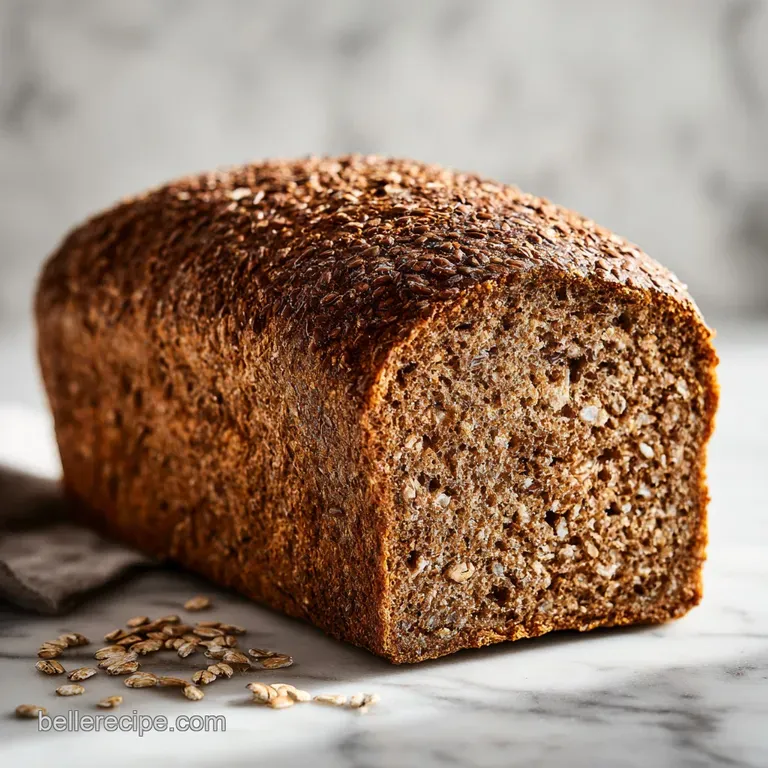
Right then, let's get baking. Follow these steps closely, and pay attention to the smell cues to know when you're on the right track.
Preparing the Grain Base
- Whisk together the whole wheat, spelt, barley, millet, lentil, and chickpea flours in a large bowl.
- Stir in the sea salt until evenly distributed Note: Mixing salt with flour prevents it from touching the yeast directly, which can slow down the rise.
Activating the Yeast
- Combine warm water and honey in a separate small bowl.
- Sprinkle the active dry yeast on top and let it sit for 5-10 minutes until it looks frothy and smells like fresh beer.
- Stir in the olive oil gently.
Integrating the Dough
- Pour the liquid mixture into the dry grain blend and stir with a sturdy spoon until a shaggy dough forms.
- Turn the dough onto a lightly floured surface and knead gently for 5-7 minutes until the dough is tacky but no longer sticks to your fingers.
Executing the Rise and Bake
- Place the dough in a greased 9x5 inch loaf pan, cover with a damp cloth, and let rise in a warm spot for 1 hour or until it has increased in size by about 50%.
- Preheat the oven to 350°F (175°C).
- Bake for 35-40 minutes until the crust is deep mahogany brown and the loaf sounds hollow when tapped on the bottom.
Chef's Note: If you want an even richer crust, brush the top of the loaf with a tiny bit of extra olive oil five minutes before taking it out of the oven.
Fixing Common Baking Issues
Working with this biblical bread recipe can be tricky because the legume flours absorb water differently than wheat. If your dough feels like clay, don't panic.
The Loaf is Too Dense
If your bread didn't rise, your yeast might have been too old or the water was too hot, killing the fungus. Ensure your water is lukewarm (about 105-115°F), not boiling. If you're looking for something with a different rise profile, you might enjoy a sourdough discard bread which uses a natural starter.
The Bread is Crumbly
This usually happens if the dough was under kneaded or if you added too much flour during the kneading process. The dough should feel tacky, almost like a Post it note, before it goes into the pan.
The Crust is Too Dark
Since honey caramelizes quickly, your oven might be running hot. If the top is mahogany but the middle is raw, tent the loaf with foil for the last 10 minutes.
| Problem | Root Cause | Solution |
|---|---|---|
| Heavy, flat loaf | Dead yeast or cold room | Use warm water; rise in a turned off oven |
| Dry, sandy crumb | Not enough water | Add 1 tbsp water at a time during kneading |
| Bitter aftertaste | Too much chickpea flour | Sift flours and ensure exact measurements |
Common Mistakes Checklist:
- ✓ Avoid using boiling water (it kills the yeast)
- ✓ Don't over flour the surface during kneading
- ✓ Ensure the loaf pan is well greased
- ✓ Wait for the "hollow" sound before removing from oven
- ✓ Let the bread cool for 20 mins before slicing
Swaps and Flavor Tweaks
While the traditional biblical bread recipe is fantastic on its own, you can definitely customize it to your taste.
For a Savory Twist: Add a tablespoon of dried rosemary or thyme to the flour blend. This pairs beautifully with the earthiness of the lentils.
For a Seeded Loaf: Fold in 1/4 cup of toasted sesame seeds or flax seeds during the kneading step. This adds a crunch that contrasts with the velvety interior.
The Unleavened Route: If you want a biblical unleavened bread recipe, simply omit the yeast and honey, and roll the dough into flat rounds. Pan fry them in olive oil for 2 minutes per side until they bubble and char.
Gluten-free Adjustments: This is a tough one because spelt and wheat provide the lift. To make it gluten-free, replace the wheat and spelt with a high-quality 1:1 GF blend and add 1 tsp of xanthan gum. Note that the texture will be more like a cake than a traditional loaf.
Scaling Your Loaf
Adjusting this recipe requires a bit of care, especially with the liquids.
Scaling Down (1/2 Batch): Use a smaller 4x8 inch pan. Reduce the baking time by about 20%, but still rely on the "hollow sound" test. Since you can't easily use half an egg (not applicable here, but good for other bakes), just halve the yeast and honey precisely.
Scaling Up (2x Batch): Divide the dough into two separate loaf pans. Do not try to bake one giant loaf in a larger pan, as the center will stay gummy while the edges burn. Increase the salt and spices to only 1.5x the original amount, as they can become overpowering in larger volumes.
Baking Tips for Larger Batches: If baking two loaves at once, lower the oven temp to 325°F (160°C) and extend the time by 5-10 minutes. This ensures even heat distribution.
Ancient Grain Truths
There are a few things people get wrong about this style of baking.
Myth: Ancient grains are impossible to work with. Actually, they're quite forgiving if you understand hydration. The key is accepting that the dough won't be as stretchy as a pizza dough.
Myth: You need a professional sourdough starter for "biblical" bread. While sourdough was common, active dry yeast provides a consistent result for home cooks while maintaining that rich, hearty flavor.
Myth: Legume flours make bread taste like beans. When blended with spelt and barley, the lentil and chickpea flours add a savory, nutty depth rather than a "beany" flavor.
Keeping Your Loaf Fresh
Because this biblical bread recipe doesn't have the preservatives of store-bought bread, it behaves differently in the pantry.
Storage: Store the loaf in a linen bag or a paper bag at room temperature for up to 3 days. Avoid plastic bags, which can make the crust soft and gummy. For longer storage, slice the bread and keep it in an airtight container in the freezer for up to 3 months.
Reheating: The best way to bring it back to life is a quick toast in a pan with a bit of butter. This restores the crackling crust and wakes up the aromatic honey notes.
Zero Waste Tips: If the edges get too hard, don't toss them! Pulse the stale bread in a food processor to make homemade breadcrumbs. Because of the ancient grain blend, these crumbs are far more flavorful and nutritious than standard white crumbs.
You can also use stale slices for a savory strata or a thick French toast.
The Best Pairing Ideas
This bread is a powerhouse of flavor, so it needs accompaniments that complement its earthiness.
The Classic Route: Serve slices toasted with a thick layer of salted grass fed butter and a drizzle of raw honey. This emphasizes the natural sweetness of the spelt.
The Mediterranean Spread: Pair it with a bowl of creamy hummus, extra virgin olive oil, and a sprinkle of za'atar. The legume flours in the bread mirror the chickpeas in the hummus for a cohesive taste.
The Sweet Contrast: For a dessert style breakfast, serve it with sliced figs and a dollop of ricotta cheese. If you're in the mood for something even more traditional and sweet, you might enjoy a Slovenian Potica as a contrast to this savory loaf.
Savory Pairings: It's an incredible base for a thick vegetable stew or a slow cooked lamb shoulder. The dense crumb is perfect for soaking up rich sauces without falling apart.
Recipe FAQs
Does the Bible have a recipe for bread?
No, not in the modern sense. It mentions ingredients like wheat, barley, and honey, but never provides specific measurements or timed baking instructions.
What type of bread did Jesus eat?
Mostly unleavened flatbreads. These were simple mixtures of flour and water, though leavened loaves were common for celebrations and specific feasts.
How did they make bread in biblical times?
Grind grains by hand using stone mills. They mixed the flour with water and salt, then baked the dough on hot stones or in clay ovens called tannurs.
What is the biblical bread called?
No single name exists. Common terms include "leavened bread" or "unleavened bread" (matzah), depending on the yeast content and the occasion.
How to prevent the loaf from becoming too dense?
Knead the dough for 5-7 minutes. This develops enough structure to support the heavy ancient grains. If you enjoyed mastering the dough handling here, see how we adapt it for our fluffy sourdough loaf.
Is it true that biblical bread must be unleavened to be authentic?
No, this is a common misconception. While unleavened bread is significant for religious rites, leavened bread was the daily staple for most people in the region.
How to tell when the bread is fully baked?
Tap the bottom of the loaf. It should sound hollow and the crust should be a deep mahogany brown after 35-40 minutes at 350°F.
Biblical Bread Recipe with Barley Flour