1 Hour Soft Buttery Dinner Rolls with Garlic

- Time: Active 45 minutes, Passive 15 minutes, Total 60 minutes
- Flavor/Texture Hook: Velvety, cloud like interior with a golden, garlicky crust
- Perfect for: Last minute Sunday dinners or feeding a hungry crowd on a budget
- Master the Ultimate 1 Hour Soft Buttery Dinner Roll with Garlic
- The Science Behind a Rapid Bread Rise
- A Deep Dive into Roll Building Blocks
- Essential Tools for Success in Your Kitchen
- Simple Steps for Shaping and Baking Gold Rolls
- Solving Common Dough Problems and Texture Issues
- Fun Ways to Change Your Flavor Profile
- Adjusting the Batch Size
- Debunking Rapid Bread Myths
- Proper Storage for Keeping Your Rolls Fresh
- Beautiful Ways to Serve Your Warm Bread
- Recipe FAQs
- 📝 Recipe Card
Master the Ultimate 1 Hour Soft Buttery Dinner Roll with Garlic
There is nothing quite like the sound of a baking sheet hitting the counter, followed by the soft hiss of garlic butter hitting warm bread. I remember one frantic Thanksgiving when the store-bought rolls were forgotten in the trunk of the car, and I had exactly sixty minutes to save the meal.
I pulled out the flour, cranked up the oven, and hoped for a miracle.
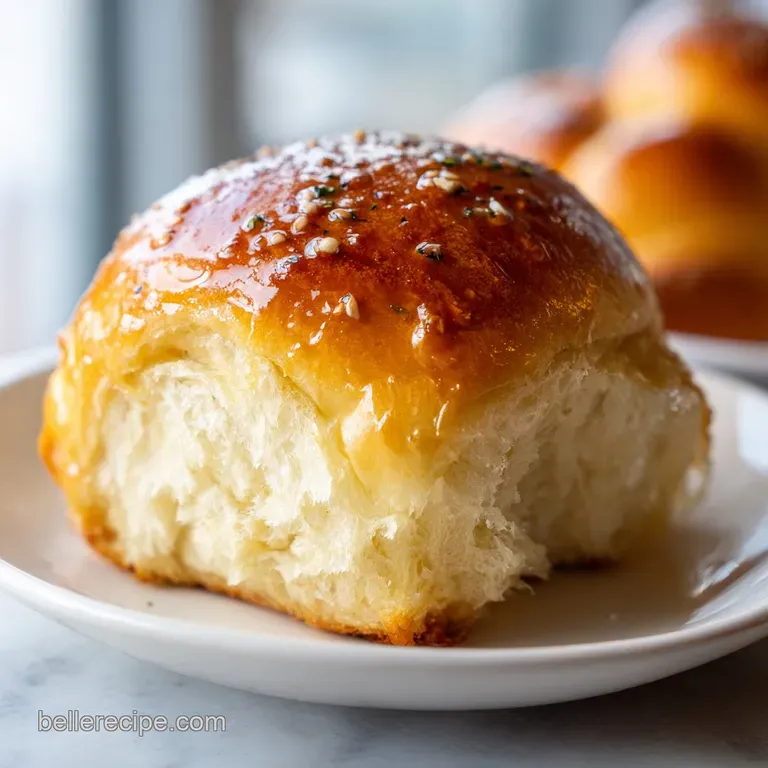
Bake up unbelievably soft, buttery dinner rolls with garlic in just one hour using this recipe. These aren't those dense, hockey puck rolls you sometimes get when you rush bread; they are airy, light, and carry a rich fragrance that fills every corner of the kitchen.
We're going to use a few smart shortcuts to make the yeast work overtime without losing that homemade soul.
Trust me, once you see how easy it is to pull these out of the oven, you'll never look at those plastic wrapped grocery store bags the same way again. We're keeping things simple, using pantry staples, and focusing on techniques that guarantee a win every single time. Let's get that flour moving.
The Science Behind a Rapid Bread Rise
- Yeast Activation: Using warm whole milk at exactly 105°F–115°F provides the ideal thermal energy for yeast to metabolize sugar instantly.
- Enrichment Softening: The fat from the egg and butter coats gluten strands, preventing them from becoming too tough or chewy.
- Sugar Fermentation: A higher sugar to flour ratio acts as high octane fuel, forcing the yeast to produce carbon dioxide rapidly in a shorter window.
Budget Ingredient Hacks for Maximum Flavor Savings
| Premium | Budget | Flavor Impact | Savings |
|---|---|---|---|
| Fresh Garlic | Garlic Powder (1 tsp) | Less "bite," more uniform flavor | Save $1-2 |
| Whole Milk | Water + 2 tbsp Milk Powder | Slightly less rich but still soft | Save $3-4 |
| High End Sea Salt | Table Salt | Sharper saltiness use 15% less | Save $1 per batch |
Keeping things affordable doesn't mean we lose the comfort factor. If you find yourself short on whole milk, even a mix of water and a splash of heavy cream works wonders. The goal is to keep the fat content high enough to ensure that velvety texture we're chasing after.
This recipe is incredibly forgiving, much like the approach I take when making my Classic French Onion recipe, where simple pantry staples transform into something that feels like a luxury.
A Deep Dive into Roll Building Blocks
| Ingredient | Science Role | Pro Secret |
|---|---|---|
| All Purpose Flour | Provides structure | Weigh it for consistency; don't scoop directly from the bag. |
| Active Dry Yeast | Leavening agent | Always check the expiration; dead yeast means flat rolls. |
| Whole Milk | Hydration and fat | Warm it slowly to avoid killing the yeast with high heat. |
| Granulated Sugar | Food for yeast | It also helps the crust brown beautifully through caramelization. |
A quick note on the flour: while bread flour gives a chewier bite, all purpose flour is the secret to that tender, melt in-your mouth feel. It's the same logic I use when deciding How To Make recipe for potato salad choosing the right texture for the base makes all the difference in the final result.
Essential Tools for Success in Your Kitchen
- Stand Mixer: I usually use a KitchenAid with the dough hook, but you can absolutely do this by hand if you're looking for a bicep workout.
- 9x13 Inch Baking Pan: Metal or glass works, but metal gives a slightly crisper bottom.
- Instant Read Thermometer: This is non negotiable for checking your milk temperature (105°F–115°F).
- Pastry Brush: For painting that glorious garlic butter over the tops.
Chef's Tip: Freeze your 4 tablespoons of butter for the glaze for 10 minutes before melting it with the garlic. This helps the garlic infuse more gently without burning.
Simple Steps for Shaping and Baking Gold Rolls
- Bloom the yeast. Combine 1 cup warm whole milk (105°F–115°F), 1/4 cup sugar, and 2.25 tsp active dry yeast in your mixer bowl. Note: Wait 5 minutes until it looks foamy and smells like a brewery.
- Mix the base. Add 4 tbsp melted unsalted butter, 1 large egg, and 1 tsp fine sea salt to the yeast mixture.
- Add the flour. Gradually pour in 4 cups all purpose flour while the mixer is on low. Mix until a soft, slightly sticky dough forms.
- Knead the dough. Increase speed to medium and knead for 5-7 minutes. Wait until the dough pulls away from the sides of the bowl completely.
- First rapid rise. Cover the bowl with a warm, damp cloth and let it sit in a draft free spot for 15 minutes.
- Shape the rolls. Punch the dough down and divide into 12 equal pieces. Note: Each piece should be about the size of a golf ball.
- Final proof. Place rolls in a greased 9x13 pan and cover for another 15 minutes until they look puffy and start touching each other.
- Bake the bread. Bake at 375°F (190°C) for 15 minutes until the tops are golden brown and the kitchen smells like heaven.
- Prepare the glaze. While baking, melt the remaining 4 tbsp butter with 4 cloves minced garlic and 1 tbsp chopped parsley.
- Apply the finish. Brush the hot rolls immediately with the garlic butter and sprinkle with a pinch of flaky sea salt.
Solving Common Dough Problems and Texture Issues
Why Your Rolls Might Be Dense
If your rolls feel heavy rather than airy, you likely added too much flour. When measuring, spoon the flour into the measuring cup and level it off. If you dip the cup directly into the bag, you pack the flour down, adding up to 25% more than the recipe needs.
| Problem | Root Cause | Solution |
|---|---|---|
| Dough won't rise | Milk was too hot or too cold | Use a thermometer; 115°F is the "kill zone" for yeast. |
| Sticky dough after kneading | High humidity in the kitchen | Add 1 tbsp of flour at a time until it clears the bowl. |
| Hard, crusty bottoms | Oven rack is too low | Move the pan to the center rack for even heat. |
Common Mistakes Checklist
- ✓ Never use cold eggs; let them sit in warm water for 5 minutes if you're in a rush.
- ✓ Don't skip the "blooming" phase; it's your insurance policy against bad yeast.
- ✓ Avoid over baking; even 2 extra minutes can dry out the center of the roll.
- ✓ Pat the parsley dry before chopping to prevent it from clumping in the butter.
Fun Ways to Change Your Flavor Profile
If you want a different vibe, try swapping the garlic for 1 tablespoon of honey and a teaspoon of cinnamon in the butter for a sweet brunch version. For a cheesy kick, sprinkle 1/2 cup of shredded Parmesan over the rolls during the last 3 minutes of baking.
You can also lean into the savory side by adding a teaspoon of dried rosemary or thyme directly into the flour mixture before kneading. This distributes the herb flavor through the entire roll, not just the crust.
Adjusting the Batch Size
- Cutting the recipe in half: Use exactly 2 cups of flour and half an egg (whisk it first, then measure out 1.5 tablespoons). Use an 8x8 inch square pan instead.
- Doubling the recipe: Keep the yeast at 4 tsp rather than 4.5 tsp to prevent a "yeasty" aftertaste. You'll likely need two separate 9x13 pans and should rotate them halfway through baking.
- Baking at high altitude: Reduce the yeast by 25% and increase the oven temperature by 15°F to help the structure set before it collapses.
Choosing Your Kneading Method
| Method | Time | Texture | Best For |
|---|---|---|---|
| Stand Mixer | 7 minutes | Perfectly uniform | Hands off convenience |
| Hand Kneading | 12 minutes | Slightly more rustic | Stress relief and tactile control |
| Bread Machine | 45 minutes | Very soft and consistent | Maximum automation |
Debunking Rapid Bread Myths
Many people think you need a double rise of two hours each to get flavor. That's a myth! While a long ferment adds complexity, the combination of butter, sugar, and milk in this enriched dough provides plenty of flavor in a fraction of the time.
Another common misconception is that you must use bread flour for dinner rolls. Actually, all purpose flour has a lower protein content, which results in a more tender, "shatter proof" crumb that is much preferred for a soft dinner roll.
Proper Storage for Keeping Your Rolls Fresh
Storage: These rolls are best eaten warm, but they’ll stay soft in an airtight bag for up to 3 days at room temperature. Don't put them in the fridge; it actually speeds up the staling process by recrystallizing the starches.
Freezing: You can freeze the baked rolls for up to 2 months. Just wrap them tightly in foil and then a freezer bag. To reheat, pop them in a 300°F (150°C) oven for 10 minutes while still wrapped in foil.
Zero Waste: If you have leftovers that have gone a bit stale, don't toss them! They make the most incredible savory bread pudding or the best garlicky croutons you've ever had. Just cube them up, toss with a little more olive oil, and bake until crispy.
Beautiful Ways to Serve Your Warm Bread
Presentation is everything when you're sharing a meal. I love serving these in a wicker basket lined with a clean, checkered cloth to keep the steam trapped. It keeps them warm for at least 20 minutes on the table.
If you really want to wow your guests, serve the extra garlic butter in a small ramekin on the side. People love to dip the soft edges of the roll into that pooled gold. Sprinkle a tiny bit more fresh parsley right before you set the basket down for a pop of vibrant green against the golden brown crust.

Recipe FAQs
Can I substitute all-purpose flour for bread flour in this 1-hour recipe?
Yes, for a softer roll. All-purpose flour has lower protein, resulting in a more tender, less chewy crumb, which is ideal for a fast, buttery roll.
How do I ensure the yeast activates quickly for the 1-hour timeline?
Warm the milk precisely to 105°F 115°F. This optimal temperature provides the necessary energy for the yeast to rapidly metabolize the sugar and start producing CO2 immediately.
How long should I knead the dough when using a stand mixer?
Knead for 5 to 7 minutes on medium speed. You know it’s ready when the dough clears the sides of the mixing bowl completely, indicating a developed gluten structure.
Is it true that I must let the dough rise for several hours to build flavor?
No, this is a common misconception. The high sugar and fat content in this enriched dough provides sufficient flavor quickly, unlike lean doughs that require long fermentation.
How can I make these rolls ahead of time for a gathering?
Shape the dough balls up to 24 hours early and chill them in the refrigerator. The cold temperature slows the yeast, similar to the low-and-slow technique used in our Classic Pot Roast recipe, allowing you to bake them fresh later.
What is the best way to keep the finished rolls soft for serving?
Keep them in an airtight bag at room temperature. Storing them in the refrigerator accelerates staling because it causes the starches to recrystallize faster.
How do I prevent the garlic butter topping from burning while the rolls finish baking?
Apply the garlic butter immediately after the rolls exit the oven. The residual heat is enough to melt and infuse the garlic flavor without requiring additional exposure to the oven's high temperature.
1 Hour Soft Buttery Rolls

Ingredients:
Instructions:
Nutrition Facts:
| Calories | 255 kcal |
|---|---|
| Protein | 5.8 g |
| Fat | 9.1 g |
| Carbs | 37.1 g |
| Fiber | 1.1 g |
| Sugar | 5.2 g |
| Sodium | 251 mg |
