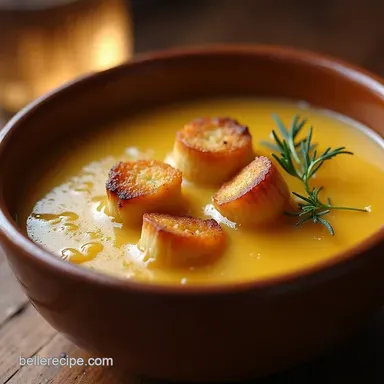
The Gold Standard Deeply Sweet Savoury Classic French Onion Soup
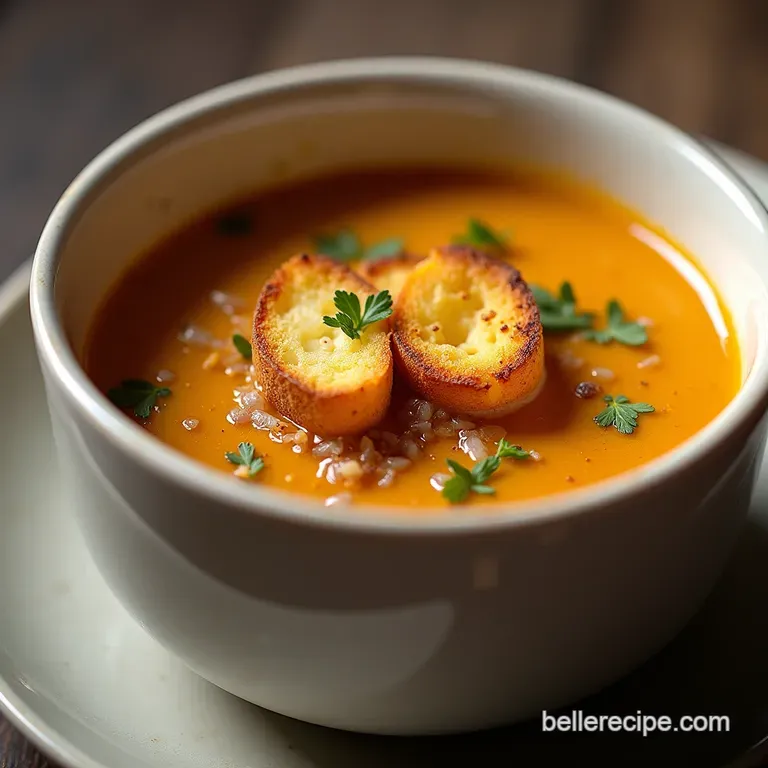
- Demystifying the Magic: Why This French Onion Soup Recipe Reigns Supreme
- The Essential Building Blocks for Rich, Savoury Broth
- Phase One: The Slow Art of Perfecting the Onions
- Phase Two: Building the Foundation and Simmering the Soup
- The Grand Finale: Gratinee and Broiling to Golden Perfection
- Troubleshooting Common Pitfalls in French Onion Soup Making
- Elevating Your Experience: Variations and Serving Suggestions
- Recipe FAQs
- 📝 Recipe Card
Demystifying the Magic: Why This French Onion Soup Recipe Reigns Supreme
There are few dishes that conjure a sense of immediate, enveloping warmth quite like Soupe à l'oignon gratinée . It’s a culinary masterpiece built on humble beginnings: simple onions, broth, bread, and cheese.
Yet, achieving that signature, deep, savoury profile requires reverence for process. This French Onion Soup recipe isn't about finding a clever shortcut; it's about mastering the slow, deliberate art of transformation.
We are aiming for the classic French Onion Soup experience, a rich, mahogany-coloured broth brimming with jammy, sweet onions, crowned by a thick, glorious shield of melted Gruyère.
It’s the quintessential French Onion Soup comfort food , and getting it right is immensely rewarding.
The Comfort Factor: Why We Need This Classic Now
In a world clamouring for instant gratification, this soup demands patience, and that, paradoxically, is part of its appeal. The process of coaxing sweetness from raw alliums into a deeply flavoured elixir mirrors the satisfaction derived from investing time in well-being.
When the weather turns crisp, there’s simply no better remedy than the sheer, unadulterated richness of a properly executed bowl. It’s rustic, soulful, and profoundly satisfying.
A Note on Authenticity: Sourcing the Right Components
Authenticity in this dish hinges not on exotic spices, but on the quality of core ingredients. We rely on the natural sugars of the onion, the depth of good beef stock, and the nutty tang of proper cheese. Forget pre-shredded cheese, that barrier prevents the perfect, bubbling crust we are aiming for.
Similarly, water or weak vegetable broth will never substitute for the backbone provided by a high-quality, low-sodium beef broth.
Setting Expectations: What Makes This 'The Gold Standard'?
The "Gold Standard" version of this soup, which this recipe delivers, is defined by two non-negotiable elements: extreme caramelisation and superb cheese coverage. We are aiming for onions that have cooked for nearly an hour, turning dark brown and intensely sweet, not merely soft and translucent.
On top of that,, the final broiling stage must result in a molten, golden-brown crust that stretches perfectly when you break through it with your spoon, the definitive mark of great French Onion Soup cheese .
The Essential Building Blocks for Rich, Savoury Broth
Creating the flavour base is where the true artistry begins. While some might call this an easy French Onion Soup adaptation, the complexity comes entirely from technique, as the ingredients list is blessedly short.
We need ingredients that amplify natural sweetness and those that introduce necessary acidity and body.
The Allium Arsenal: Selecting Your Onions for Sweetness
For this recipe, we call for 3 pounds of yellow onions, which must be peeled, halved, and thinly sliced pole-to-pole. Yellow onions strike the perfect balance between sweetness and structure; they hold up during the long cook time while releasing maximum sugar.
While you could use a mix, focusing primarily on yellow yields the most consistent results for this classic preparation.
Liquids and Depth: Choosing Your Beef Stock Wisely
The heart of the soup is its liquid, which means the beef stock must be stellar. Aim for about 8 cups (2 litres). If using store-bought, always select a low-sodium variety so you can control the final seasoning.
A dark, gelatinous stock is always preferable, as it contributes significantly to the mouthfeel and colour of the final dish.
Beyond the Basics: Essential Pantry Staples for Flavor Anchoring
A few additions anchor the flavour profile. First, we use 4 tablespoons of unsalted butter combined with 2 tablespoons of olive oil to facilitate slow cooking without burning the butter. A tiny pinch of sugar, though optional, can help kickstart the caramelisation process.
Crucially, we use 1/2 cup of dry sherry or dry white wine for deglazing, which concentrates the savoury fond beneath the onions. Finally, a bundle of thyme sprigs and two bay leaves infuse the simmering broth with herbaceous warmth.
Equipment Check: Tools Needed for Flawless Execution
The most critical piece of gear for this dish is a large, heavy-bottomed Dutch oven or a wide, deep stainless steel pot. This construction ensures even heat distribution across the vast surface area needed to cook down all those onions without scorching them in spots.
For the grand finale, you absolutely must have oven-safe French Onion Soup bowls or crocks that can withstand the high heat of the broiler.
Phase One: The Slow Art of Perfecting the Onions
This initial phase consumes the bulk of your cooking time, and successfully navigating it separates amateur efforts from restaurant-quality results. Remember, we are not sautéing; we are gently coaxing the flavour out over a long period.
Initial Sauté: Sweat, Soften, and Stir Religiously
In your heavy-bottomed pot, melt the butter and oil over medium-low heat. Introduce the thinly sliced onions along with an initial teaspoon of fine sea salt. For the first 15 minutes, stir frequently to coat them evenly in the fat and allow them to sweat out their moisture.
This prevents them from browning too fast. After this initial stage, reduce the heat to low.
Caramelisation Phase: The Long Haul
Now, the commitment begins. You must continue cooking the onions for a minimum of 45 to 60 minutes, stirring every 5 to 10 minutes. As the moisture evaporates, the onions will begin to stick to the bottom of the pan, developing a brown layer known as the fond .
This fond is pure flavour; scrape it up gently with each stir. The final colour you are seeking is a deep, rich mahogany, the shade of polished leather. If you are concerned about burning, add a splash of water during this stage to loosen the fond, but ensure the liquid evaporates before proceeding.
Related Recipes Worth Trying
- Ruby Sparkler Easy Grapefruit French 75 Recipe — Upgrade your bubbly with this zesty Grapefruit French 75 recipe Its an easy French 75 variation that delivers sophisticated bittersweet flavour in just 5...
- Beurre Blanc Recipe My Foolproof French Butter Sauce — Want a silky smooth beurre blanc recipe This easy French butter sauce is foolproof Perfect for fish veggies or chicken Get the white wine butter sauce recipe
- Hearty Cabbage Potato Soup Eastern European Comfort Food — This comforting cabbage potato soup recipe inspired by Eastern European flavors is pure comfort in a bowl Easy budgetfriendly and ohsosatisfying Get the recipe
Phase Two: Building the Foundation and Simmering the Soup
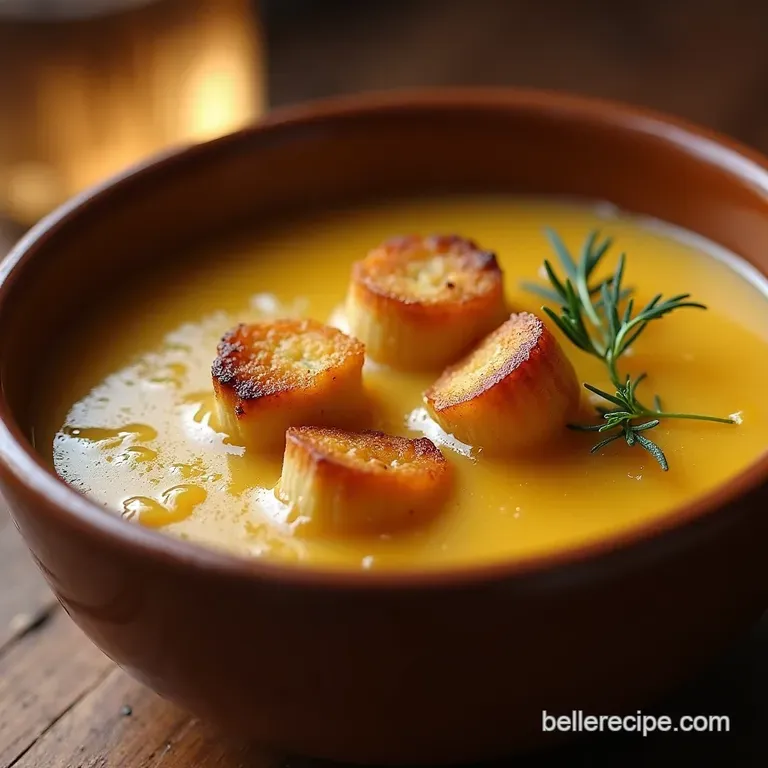
Once the onions have reached their peak caramelisation, it’s time to introduce the elements that will transform them into a savoury broth.
Deglazing the Pan: Capturing Every Last Bit of Fond
With the onions deeply coloured, sprinkle 2 tablespoons of all-purpose flour over them and stir constantly for about 2 minutes. This cooks out the raw flour taste and creates a light roux that will slightly thicken the soup. Next, pour in the 1/2 cup of dry sherry or white wine.
Bring the heat up slightly and, using a wooden spoon, vigorously scrape up all the browned material stuck to the bottom of the pot. Allow this liquid to bubble and reduce by half.
The Simmering Stage: Integrating Aromatics and Stock
Pour in the 8 cups of beef broth. Add your bundle of fresh thyme sprigs and the two bay leaves. Bring the mixture to a gentle simmer, then partially cover the pot. Let the French Onion Soup simmer softly for at least 30 minutes.
This crucial period allows the intense onion flavour to fully integrate with the stock and the herbs to release their essential oils. After simmering, fish out and discard the thyme bundle and bay leaves. Taste the soup now and adjust the black pepper and salt as necessary.
The Grand Finale: Gratinee and Broiling to Golden Perfection
The final stage is theatre. It’s here that we transform rich soup into the iconic, cheesy spectacle that defines the dish.
Assembling the Bowls: Toast Preparation and Cheese Layering
Preheat your broiler to high. While the soup finishes simmering, prepare the bread component. Slice the baguette or crusty loaf about 1 inch thick. Lightly toast these slices, they should be crisp but not fully browned; this prevents them from dissolving instantly once submerged.
Ladle the piping hot soup into your oven-safe French Onion Soup bowls , filling them about three-quarters full. Float one or two toasted bread slices atop the liquid.
Now, pile on a generous mound of freshly grated Gruyère cheese, ensuring it covers the bread completely and slightly spills over onto the rim of the bowl.
Broiling to Perfection
Place the filled bowls carefully onto a sturdy baking sheet (this makes moving them in and out of the broiler safer). Slide the sheet under the preheated broiler, watching constantly. This process is fast, usually only 1 to 3 minutes.
You are looking for the cheese to melt completely, bubble fiercely, and develop deep golden-brown spots. Remove immediately when perfectly gratineed. Serve these piping hot, warning your guests that the crocks are scalding! This process is what makes it Soupe à l'oignon gratinée .
Troubleshooting Common Pitfalls in French Onion Soup Making
Even with the best intentions, issues can arise. The most frequent culprit is under-caramelisation. If your onions remain pale after 45 minutes, your heat is likely too high, causing them to steam rather than truly brown.
Another issue is a watery final product; this usually indicates that you skimped on the quality of the beef stock or failed to deglaze properly, leaving flavour behind in the pot.
Elevating Your Experience: Variations and Serving Suggestions
While the classic version is perfect, you can certainly adapt this base. For those who find themselves with leftovers, a rarity, I assure you, storage is simple.
Storage Secrets: Keeping Your Leftover Soup Flavorful
Leftover soup (without the cheese topping) stores beautifully in an airtight container in the refrigerator for up to four days. The flavour deepens overnight! Reheat gently on the stovetop, adding a splash of water or broth if it has become too concentrated.
Making Ahead: Prepping Components for a Faster Dinner
You can complete the entire soup base, from onion caramelisation through the 30-minute simmer, a day in advance. Cool it completely, then refrigerate. When ready to serve, reheat the soup base slowly, toast the bread, and then proceed with the final assembly and broiling.
This significantly speeds up the process of making this amazing French Onion Soup comfort food on a busy night.
Wine Pairings That Complement the Deep Onion Notes
The deep, earthy sweetness of the broth pairs wonderfully with wines that offer some acidity to cut through the richness. Look towards a dry, structured red like a Cru Beaujolais, or a crisp, slightly earthy white wine that isn't too oaky.
The Onion Oil Secret: An Advanced Flavor Boost
For an extra layer of complexity, try creating an onion oil during the caramelisation phase. Before adding the onions, carefully fry a few thin onion rings (from the scraps) in the butter/oil until deeply browned.
Remove the chips, add the main batch of onions, and then drizzle the reserved onion-infused oil back into the soup during the final simmer. This adds an advanced layer of aromatic depth to the already complex flavour profile of this French Onion Soup recipe .
Recipe FAQs
Why does my French Onion Soup take forever, and am I truly caramelising the onions properly?
Ah, the eternal onion question! True caramelisation is the bedrock of this dish, so patience is a virtue, think of it as a meditative cooking process. You know you’re there when the onions have shrunk significantly and turned a deep, mahogany brown, tasting sweet and jammy, not just soft and translucent.
This process must take at least 45 minutes on low heat; rushing it results in bitter, undercooked onions.
What's the secret to getting that perfect, bubbly, golden crust on top?
The secret lies in three things: high-quality bread, grating your own cheese, and using the broiler correctly. Use sturdy, slightly stale baguette slices so they don't disintegrate, and ensure the cheese, ideally Gruyère, is freshly grated, as pre-shredded types won't melt evenly.
Make sure the cheese completely covers the bread and touches the edges of the bowl for that fantastic seal when broiling!
Can I make a big batch of this French Onion Soup ahead of time, or does it need to be cooked fresh?
The broth base is actually brilliant for making ahead! You can complete the entire soup up until the gratinée stage and store it in the fridge for up to three days, or freeze it for several months.
When ready to serve, reheat the soup gently, toast your bread separately, and then assemble and broil to get that fresh, bubbling cheese topping.
My broth seems weak; what can I add to give my French Onion Soup that deep, savoury kick?
If your broth tastes a bit thin after simmering, you likely need to concentrate those flavours. First, ensure you properly deglazed the bottom of the pan with wine/sherry, that brown residue (fond) is pure flavour gold.
For an extra umami boost, try whisking in a tablespoon of Worcestershire sauce or Marmite along with your beef stock before the final simmer.
I can't find Gruyère; what is the next best cheese substitute for the classic topping?
Gruyère is traditional because it melts beautifully and offers that nutty complexity, but don't fret if you can't get it. Comté is its closest cousin and works wonderfully.
If you’re in a bind, use a good quality, aged Emmentaler or even a mature Swiss cheese, but definitely avoid soft, watery cheeses like fresh mozzarella, as they just won't achieve that desirable browned crust.
Classic French Onion Soup Recipe with Gruyère Croutons