The Ultimate Bagna Cauda Recipe
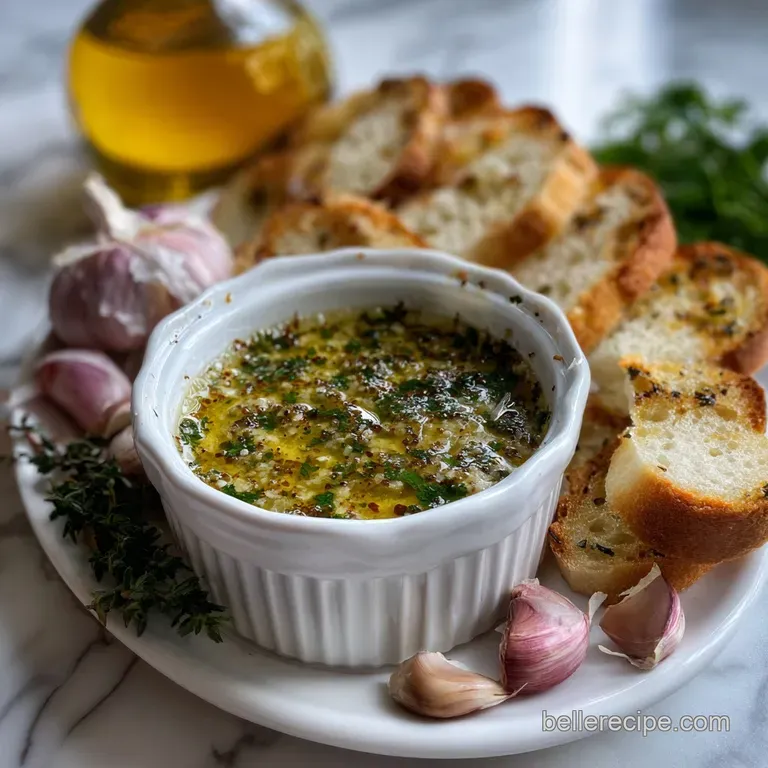
- Effort/Time: 30 minutes total (super low effort, high reward).
- Key Flavor Hook: Salty, buttery, and deeply savory with a hint of sweet, slow-cooked garlic.
- Perfect for: Cold winter nights, dinner parties, or adventurous snackers.
- Authentic Bagna Cauda Recipe: The Ultimate Italian Garlic & Anchovy Dip
- Authentic Bagna Cauda: An Overview of the Piedmontese 'Hot Bath'
- Why This Bagna Cauda Recipe Works: The Science of Umami
- Essential Ingredients and Substitutions
- Step-by-Step Instructions for the Perfect Bagna Cauda Recipe
- Expert Tips and Common Mistakes to Avoid
- Storage and Reheating Your Bagna Cauda
- Traditional and Modern Serving Suggestions
- Nutrition Information
- Recipe FAQs
- 📝 Recipe Card
Authentic Bagna Cauda Recipe: The Ultimate Italian Garlic & Anchovy Dip
Authentic Bagna Cauda: An Overview of the Piedmontese 'Hot Bath'
Imagine walking into a kitchen where the air is thick with the scent of sizzling garlic and salty sea air. That is the magic of an authentic bagna cauda recipe . It’s not just a dip; it’s a ritual from the Piedmont region of Italy where everyone gathers around a flickering flame.
I first tried this bagna cauda recipe during a trip to Alba, and honestly, I was scared of the sheer amount of garlic. But once those anchovies melt into the oil, something chemical happens. It becomes a silky, addictive sauce that makes you want to eat an entire head of cauliflower.
If you’re looking for something a bit more substantial to serve alongside this, you might love my Garbage Bread: Easy Stuffed Pizza Dough Stromboli Recipe for a full-on appetizer spread. This bagna cauda recipe is surprisingly fast, taking only 20 minutes on the stove to reach perfection.
Why This Bagna Cauda Recipe Works: The Science of Umami
The History and Tradition of Northern Italian Communal Dining
Historically, this bagna cauda recipe was the celebration of the new olive oil harvest. It was a way for vineyard workers to stay warm during the chilly autumn months.
This easy bagna cauda recipe relies on the spirit of sharing, usually served in a fojòt (a small terracotta pot with a candle).
Understanding the Emulsification of Oil and Garlic
The science here is all about the "hot bath" (which is what bagna cauda literally means). By slowly heating the garlic in extra virgin olive oil, we soften the harsh sulfur compounds. When you whisk in the butter and cream, you create a temporary emulsion.
This keeps the fat from feeling greasy and gives this bagna cauda recipe with cream its signature velvety texture.
The Role of Slow Cooked Aromatics
The Maillard reaction isn't the star here; it's all about gentle infusion. You want the garlic to lose its bite without turning brown or bitter. This bagna cauda recipe works because the low heat allows the anchovies to completely break down.
They basically turn into a liquid seasoning that boosts the natural sweetness of the vegetables.
Essential Ingredients and Substitutions
To make a truly bagna cauda recipe italian style, you need high-quality fats. Don't skimp on the oil!
| Original Ingredient | Best Substitute | Why It Works |
|---|---|---|
| Extra Virgin Olive Oil | Grapeseed Oil | Provides a neutral base but loses the characteristic peppery finish of the original. |
| Oil-Packed Anchovies | Anchovy Paste (6 oz) | Provides the salt/umami. Note: Paste is more concentrated; use slightly less to avoid over salting. |
| Unsalted Butter | Vegan Butter (High Fat) | Mimics the creamy mouthfeel. Will lack the toasted dairy notes found in real butter. |
| Heavy Cream | Full fat Coconut Milk | Provides thickness. Note: Adds a distinct tropical flavor that isn't traditional. |
| Garlic Cloves | Jarred Minced Garlic | Saves time. Note: The flavor is much more acidic and less sweet than fresh garlic. |
Choosing the Best Anchovies and Extra Virgin Olive Oil
For this bagna cauda recipe , use the best oil you can afford. Look for "cold pressed" labels. For the anchovies, the salt packed ones are traditional, but oil-packed fillets are much easier for a quick bagna cauda recipe .
They should smell like the ocean, not like a tin can.
Preparing the Garlic: Taming the Sharpness
I once made the mistake of rushing the garlic and ended up with a dip that tasted like a spicy slap in the face. To fix this, you can soak the minced garlic in milk for 10 minutes before cooking.
It pulls out the harshness, leaving only the creamy, buttery essence for your bagna cauda recipe .
Butter vs. Cream: Modern and Traditional Variations
While the most ancient versions didn't use dairy, this bagna cauda recipe with cream is very popular in modern Torino. The cream acts as a stabilizer. It prevents the oil from separating immediately when it hits the cool air of the dining room.
Chef’s Expert Tip: Want a deeper flavor? Freeze your butter for 10 minutes, then grate it into the oil. The tiny shavings melt instantly and create a more stable emulsion than dropping in a big cold hunk.
step-by-step Instructions for the Perfect Bagna Cauda Recipe
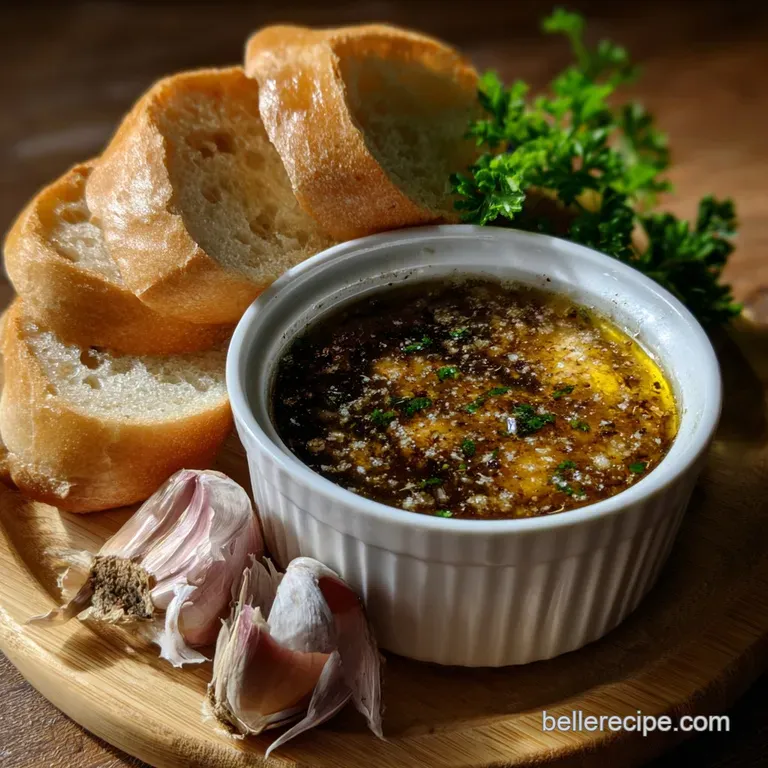
- Prep the Base: In a heavy bottomed saucepan over the lowest heat possible, combine 1 cup of extra virgin olive oil and your 15 minced garlic cloves.
- The Soften: Cook the garlic for about 10 minutes. It should barely sizzle no browning allowed! It should look translucent and smell sweet.
- Melt the Anchovies: Stir in the 200g of chopped anchovies. Watch as they literally dissolve into the oil. This is the heart of the bagna cauda recipe .
- Creamy Finish: Add the 0.5 cup of cubed butter and 0.25 cup of heavy cream. Whisk gently until the sauce is uniform and thick.
- Season: Add 0.5 tsp of freshly cracked black pepper. You shouldn't need salt because of the anchovies!
- Serve: Pour the mixture into a warmed ceramic pot. Serve with 1 lb of raw veggies like cardoons or peppers and your crusty sourdough loaf.
Expert Tips and Common Mistakes to Avoid
This easy bagna cauda recipe is simple, but things can go south if you get impatient.
| Common Mistake | Root Cause | Solution |
|---|---|---|
| Bitter Aftertaste | Garlic turned brown/burnt | Keep heat at the absolute minimum; if it browns, you must start over. |
| Oil Separation | Heating too fast after adding cream | Whisk constantly and keep the temperature just below a simmer. |
| "Fishy" Overload | Low-quality anchovies | Use high-quality oil-packed fillets and ensure they melt completely. |
How to Prevent the Garlic from Burning
Keep your eyes on the pan. The garlic should look like it's taking a gentle bath, not a hot sauna. If you see the edges turning golden, pull the pan off the heat immediately. A good bagna cauda recipe is built on patience, not power.
Troubleshooting a Separated Sauce
If your bagna cauda recipe looks like a lava lamp with oil floating on top, don't panic. Add a teaspoon of warm cream and whisk vigorously. The extra liquid helps the fat particles bind together again.
Storage and Reheating Your Bagna Cauda
Safely Storing and Reheating Your Bagna Cauda
You can keep leftovers of this bagna cauda recipe in an airtight jar in the fridge for up to 5 days. The olive oil and butter will solidify into a paste. To reheat, place the jar in a bowl of hot water or use a small pan over very low heat.
Do not microwave it on high, or the cream will break and turn grainy!
I don't recommend freezing this bagna cauda recipe . The emulsion of cream and oil rarely survives the thawing process, often resulting in a greasy mess. Just eat it all trust me, you'll want to.
Traditional and Modern Serving Suggestions
The Best Seasonal Vegetables for Dipping
Cardoons are the traditional choice for an authentic bagna cauda recipe , but they can be hard to find. Use fennel, radicchio, or even steamed potatoes. If you're serving this as part of a larger Italian dinner, it pairs beautifully with my Creamed Onions: Silky Classic Recipe for Sunday Roast for a real vegetable forward feast.
Wine Pairings for a Rich Piedmontese Feast
Go with a Barbera or a Dolcetto. You need a red wine with high acidity to cut through the intense fat of this bagna cauda recipe . The acidity acts like a palate cleanser between every garlic heavy bite.
Whether you follow a bagna cauda recipe jamie oliver style or stick to this more traditional version, the goal is the same: gather people around. This bagna cauda recipe is more than just food; it's an experience that lingers on your breath and in your memories long after the last piece of sourdough is gone.
For a sweet finish to such a savory meal, a small spoonful of Orange Marmalade: Traditional hand cut Recipe for Perfect Set on a cracker is the perfect citrusy contrast. Enjoy your hot bath!
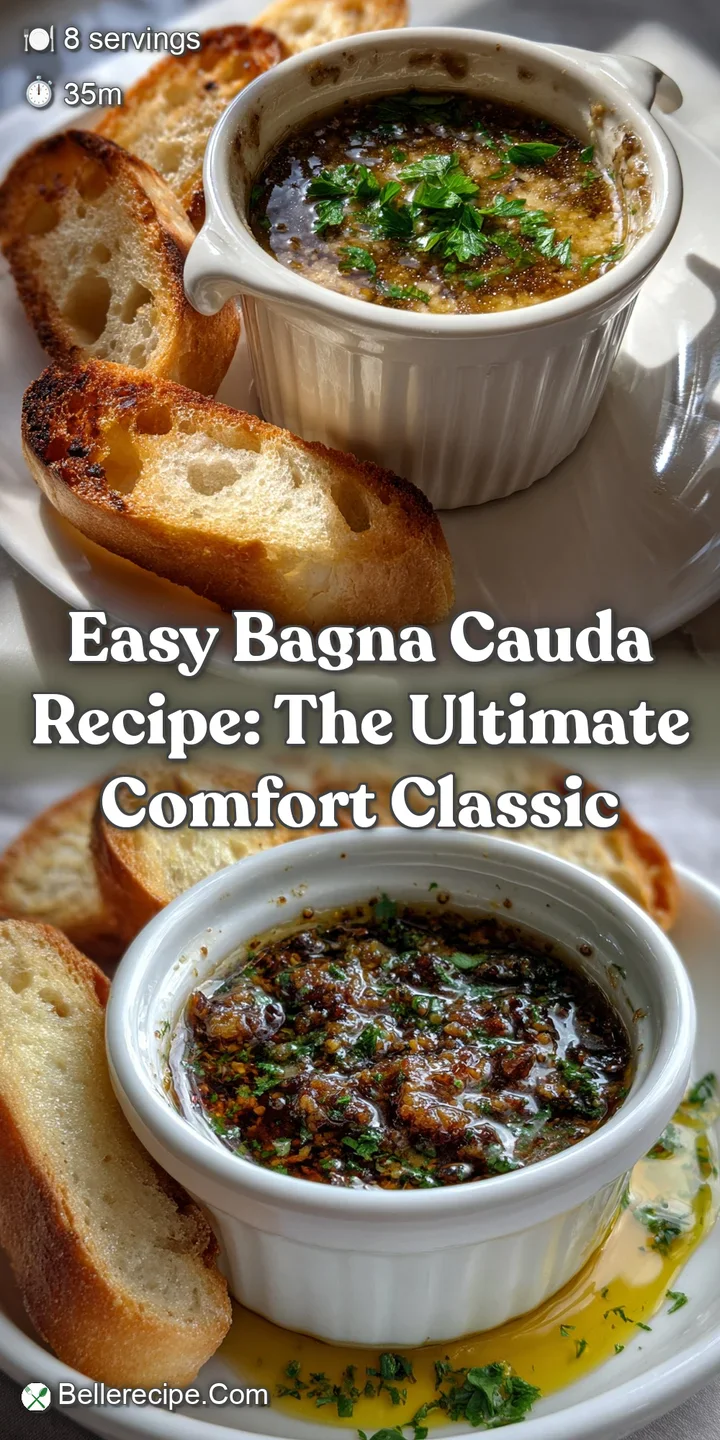
Nutrition Information
| Nutrient | Amount |
|---|---|
| Calories | 428 kcal |
| Protein | 7.9 g |
| Fat | 43.6 g |
| Carbs | 2.1 g |
| Fiber | 0.5 g |
| Sugar | 0.4 g |
| Sodium | 975 mg |
Recipe FAQs
What is Bagna Cauda?
Bagna Cauda translates literally to "hot bath," and it is a traditional, rich, umami packed dip originating from the Piedmont region of Italy. It is primarily made by simmering garlic and anchovies in olive oil until they form a smooth, intensely savory emulsion served warm for dipping raw or lightly cooked vegetables.
How do you make Bagna Cauda?
To make Bagna Cauda, the core steps involve slowly cooking a large amount of peeled garlic in olive oil until it is completely soft and velvety, then stirring in salt packed anchovies until they dissolve entirely into the oil.
The slow cooking process is crucial for mellowing the garlic’s harshness and integrating the deep savory flavor of the anchovies into the "hot bath."
How long should I cook the ingredients for Bagna Cauda?
You should cook the garlic and anchovy mixture slowly over low heat for about 20 to 30 minutes total, depending on the quantity. The key is patience; rapid, high heat will burn the garlic instead of melting it down, resulting in bitterness rather than the desired velvety texture.
This gentle simmering ensures maximum flavor extraction.
How do you properly eat Bagna Cauda?
Bagna Cauda is eaten communally, with the warm dip kept heated in a terracotta pot (called a fujot) placed over a small candle or burner in the center of the table. Diners dip raw vegetables like fennel, carrots, peppers, and cardoons directly into the bath, or sometimes poached vegetables or crusty bread. This communal style is very similar to the gathering spirit you find when sharing dishes like our Crawfish Étouffée.
Can I reduce the amount of garlic or anchovies?
No, you should not significantly reduce either ingredient, as they are the foundation of the flavor profile. The large volume of garlic is necessary to ensure the high saltiness of the anchovies is balanced into a velvety, savory dip, not an overpowering flavor bomb.
Too few ingredients will result in an oily texture rather than the authentic, rich "hot bath."
How should I store leftover Bagna Cauda?
Yes, you can store leftovers, though the texture may solidify as it cools due to the high oil content. Store the dip in an airtight container in the refrigerator for up to one week, and reheat gently on the stovetop, adding a splash of fresh olive oil if it seems too stiff upon reheating.
Authentic Bagna Cauda Recipe
Ingredients:
Instructions:
Nutrition Facts:
| Calories | 428 kcal |
|---|---|
| Protein | 7.9 g |
| Fat | 43.6 g |
| Carbs | 2.1 g |
| Fiber | 0.5 g |
| Sugar | 0.4 g |
| Sodium | 975 mg |
