Authentic South African Biltong Recipe
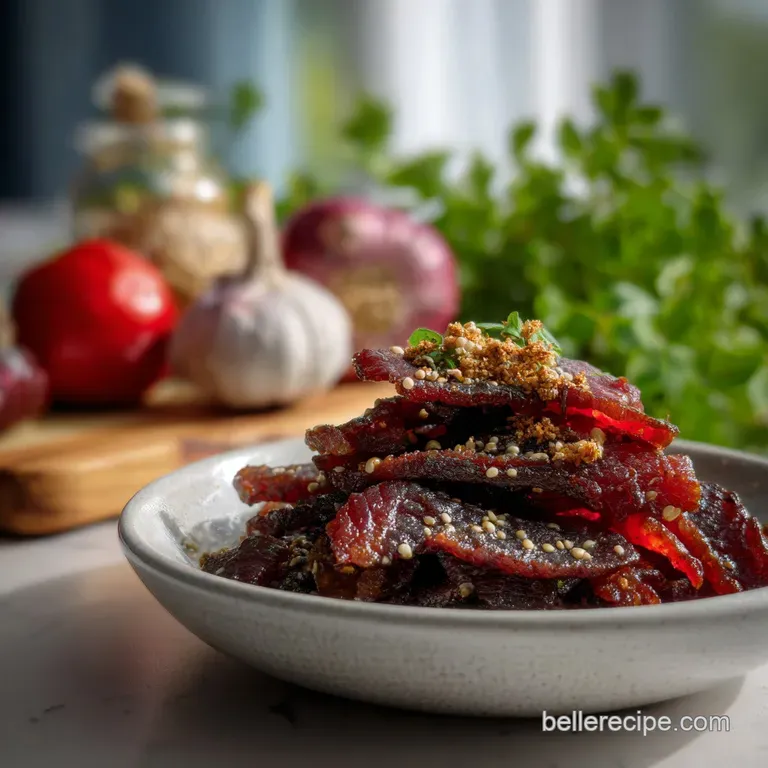
- Effort/Time: 45 minutes of active prep, followed by a 4 day wait for the magic to happen.
- Key Flavor Hook: Toasted, cracked coriander seeds paired with a sharp tang of Worcestershire and brown vinegar.
- Perfect for: High-protein snacking, hiking fuel, or the ultimate accompaniment to a cold beer.
- Authentic South African Biltong Recipe: The Ultimate Guide to Perfect Cured Beef
- The Science of Flavor: Why This Traditional Cure Works
- Essential Ingredients and Quality Substitutions
- Mastering the Biltong Recipe: Step-by-Step Instructions
- Troubleshooting: Common Biltong Mistakes
- Storage and Creative Serving Suggestions
- Recipe FAQs
- 📝 Recipe Card
Authentic South African Biltong Recipe: The Ultimate Guide to Perfect Cured Beef
The first time I tried making my own biltong, I’ll be honest it was a disaster. I hung the meat in a cupboard that didn't have enough airflow, and instead of the glorious, snap and chew snack I was dreaming of, I ended up with something that looked like a science experiment gone wrong.
But that's the beauty of mastering a biltong recipe ; you learn that it’s less about cooking and more about an ancient, beautiful dance between salt, acid, and air.
When you get it right, the smell of toasted coriander fills your kitchen, and the texture of the meat becomes buttery and rich.
There is nothing quite like the sound of a sharp knife slicing through a cured slab of beef. It makes a distinct, leathery shish sound before revealing a deep, ruby red center. If you’ve been buying those tiny, expensive bags at the store, stop.
This biltong recipe is going to save your wallet and ruin store-bought versions for you forever. We are talking about 2 kg of prime beef transformed into the kind of snack that makes people follow you around the room.
Making this biltong recipe isn't just about following instructions; it's about understanding how to preserve meat using methods that date back centuries.
Whether you’re a homesick expat or just a meat lover looking for the ultimate protein hit, this guide covers every tiny detail I wish I knew when I started. Let’s get into the nitty gritty of how to turn a humble bottom round into a South African masterpiece.
The Science of Flavor: Why This Traditional Cure Works
Understanding the "why" behind this biltong recipe is what separates the masters from the amateurs. Unlike jerky, which is usually sliced thin and then dehydrated with heat (basically cooked at low temps), biltong is cured and then air-dried.
This process involves a fascinating series of chemical reactions. When we rub the 60 g of coarse sea salt onto the 2 kg of beef bottom round, we are initiating osmosis. The salt draws moisture out of the meat fibers, which is critical because bacteria need moisture to thrive.
By removing that water, we’re making the meat a very lonely, inhospitable place for spoilage.
Then comes the acid. In this biltong recipe south africa -style, we use 100 ml of brown vinegar and 50 ml of Worcestershire sauce. The acetic acid in the vinegar lowers the pH of the meat. Most "bad" bacteria can't survive in an acidic environment.
But the vinegar also does something magical to the texture it denatures the proteins, effectively "cooking" the meat without heat, which keeps it tender rather than tough. This is why biltong has that velvety mouthfeel that jerky just can't replicate.
Finally,, we have the spices. The 40 g of whole coriander seeds aren't just for that signature citrusy pop. Coriander actually has mild antimicrobial properties. When you toast these seeds, you’re releasing essential oils that permeate the fat of the beef.
Adding 5 g of bicarbonate of soda might seem weird, but it's a pro trick. The bicarb helps soften the meat fibers and prevents the vinegar from making the beef too "sour" or dark. It keeps the color beautiful and the bite perfectly balanced.
Essential Ingredients and Quality Substitutions
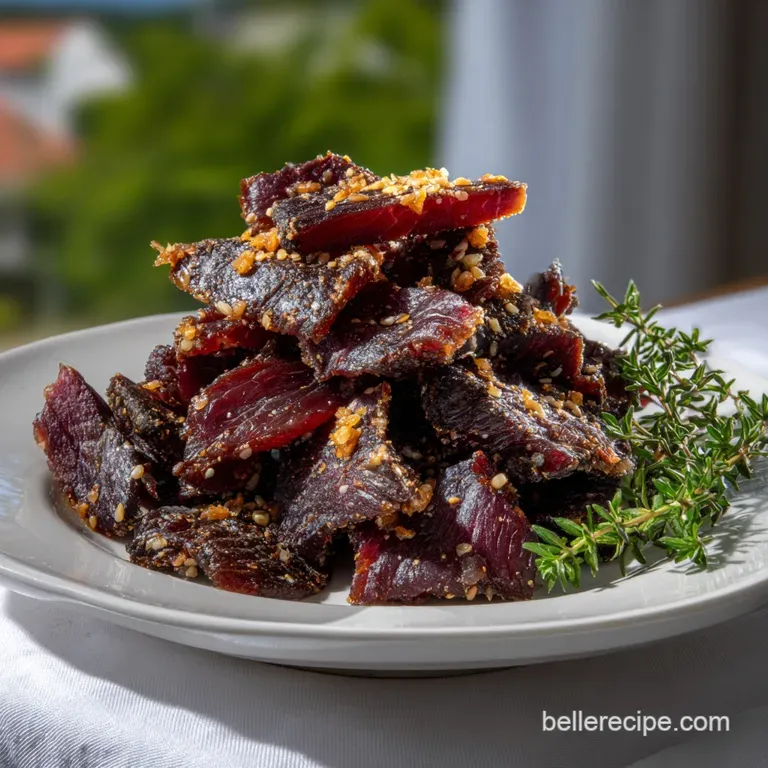
Choosing your meat is the most important decision you'll make today. For this biltong recipe ingredients list, I’ve specified 2 kg of beef bottom round (also known as silverside or topside). You want a lean cut with a consistent grain.
If you have a little "fat cap" on the side, leave it! That fat becomes creamy and salty during the cure. If you're in the states looking for a biltong recipe usa equivalent, London Broil is a fantastic substitute.
| Original Ingredient | Best Substitute | Why It Works |
|---|---|---|
| Beef Bottom Round (2 kg) | London Broil or Eye of Round | These are lean, tough muscles that benefit from the curing process. Note: Eye of round is leaner and will dry faster. |
| Brown Vinegar (100 ml) | Apple Cider Vinegar | Provides the necessary acidity for curing. Note: Adds a fruitier, sweeter profile than traditional malt based brown vinegar. |
| Worcestershire Sauce (50 ml) | Soy Sauce + Dash of Lemon | Provides the umami depth and saltiness. Note: This will lean more toward a "jerky" flavor profile and lacks the tamarind tang. |
| Brown Sugar (30 g) | Muscovado or Honey | Balances the salt and helps with caramelization notes. Note: Honey is much stickier and can make the meat harder to handle during hanging. |
| Coarse Sea Salt (60 g) | Kosher Salt | Provides the osmotic pressure needed to draw out moisture. Note: Avoid table salt; the fine grains will over salt the meat instantly. |
Chef's Expert Tips for a Competitive Edge
- The Double Toast Method: Don't just throw the coriander seeds in the mix. Toast the 40 g of seeds in a dry pan until they start to dance and smell like a citrus grove. Then and this is the secret only crush half of them finely. Leave the other half as cracked chunks. This creates a "crust" with varied textures that shatter when you bite into them.
- The Vinegar Bath Timing: Most people just pour the vinegar on and leave it. For the best biltong recipe , dip the meat strips in the 100 ml brown vinegar and 50 ml Worcestershire mix, let them sit for exactly 30 minutes, then take them out and pat them slightly dry before applying the dry rub. This prevents the meat from becoming "pickled" or rubbery.
- The Bicarb Bloom: Mix your 5 g of bicarbonate of soda directly into your spice rub rather than the liquid. This ensures it's evenly distributed across the surface of the meat, creating an even pH balance that prevents "case hardening" (where the outside gets too hard too fast).
Mastering the Biltong Recipe: step-by-step Instructions
1. Prepping the Meat (The Foundation)
Take your 2 kg of beef and trim away any silver skin. This is crucial silver skin won't break down and will be like chewing on a rubber band later. Slice the meat into strips about 1 inch (2.5 cm) thick. Crucial Tip: Always slice with the grain.
I know, usually we slice against the grain for tenderness, but for biltong, slicing with the grain allows the meat to hold its shape while hanging. You'll slice against the grain when you're ready to eat it!
2. The Spice Rub Application
In a small bowl, combine your toasted and cracked 40 g coriander seeds, 15 g black peppercorns (crushed), 60 g coarse sea salt, 30 g brown sugar, 5 g chili flakes, and the 5 g bicarb. Lay your meat strips in a large glass dish.
Sprinkle a layer of the spice mix, then a drizzle of the 100 ml vinegar and 50 ml Worcestershire sauce. Layer the meat and repeat. Think of it like a savory meat lasagna.
3. The Marination Phase
Cover the dish and let it sit in the fridge for about 4 to 12 hours. I find that 8 hours is the sweet spot for this biltong recipe .
Every few hours, give the meat a "massage" and flip the pieces around so the bottom ones don't get too salty. You’ll notice the meat turning a darker, opaque color that’s the vinegar and salt doing their heavy lifting.
4. The Hanging Process
After marination, pat the meat dry with paper towels. You don't want them dripping. Use plastic or stainless steel hooks (never raw wire, which can react with the vinegar) to pierce the thickest end of each strip.
If you are using a biltong recipe dehydrator method, set it to the lowest possible temperature (around 30 35° C or 95° F) with the fan on.
If you're using a traditional biltong box, ensure there is a constant flow of cool, dry air.
5. The Wait (95 Hours of Patience)
Now we wait. The total cook time (which is really dry time) is about 95 hours and 15 minutes. By day 2, your house will smell incredible. By day 4, start testing the meat.
Give it a squeeze; it should have some "give" like a firm steak, but the outside should be dry and dark. If it’s rock hard, you’ve gone too far. If it feels squishy like raw meat, it needs more time.
For those new to the process, ensuring you follow the timing guidelines for this biltong recipe is essential for safety and texture.
Troubleshooting: Common Biltong Mistakes
| Problem | Root Cause | The Fix |
|---|---|---|
| Case Hardening (Hard outside, raw inside) | Humidity too low or airflow too hot/fast. | Slow down the fan or move the box to a cooler spot. Use a damp cloth to gently wipe the outside to rehydrate slightly. |
| White Mold Growth | Poor airflow or meat pieces touching each other while hanging. | Don't panic! Wipe the spots with a cloth dipped in vinegar. Increase airflow immediately. |
| Meat is Too Salty | Left in the salt rub for too long (over 24 hours). | Next time, stick to the 8 hour window. For this batch, slice very thin and serve with unsalted crackers. |
| Sour/Vinegary Taste | Too much vinegar or not enough sugar/bicarb. | Ensure you're using exactly 5 g of bicarb soda to neutralize the excess acidity. |
Storage and Creative Serving Suggestions
Once your biltong recipe is complete, you need to store it correctly to prevent it from turning into a brick. If you like it "wet" (slightly rare in the middle), it must stay in the fridge.
I usually wrap my slabs in brown paper bags; the paper absorbs any residual moisture and keeps the outside from getting slimy. It will stay fresh for about a week this way.
If you've made a massive batch (which I always do), biltong freezes beautifully. Vacuum seal the whole slabs and they’ll last for 6 months. When you're ready to eat, let it thaw in the fridge still sealed, then slice it fresh. Speaking of slicing, always slice against the grain for that "melt-in-the-mouth" texture. If you're hosting a party, this biltong is a showstopper next to some Garbage Bread: Easy Stuffed Pizza Dough Stromboli Recipe or even served as a salty garnish for a Sloe Gin Fizz Recipe Easy Classic Sloe Gin Fizz Re: 5 Minute Ruby Cocktail .
For a fancy twist, try shaving the biltong into paper thin ribbons and tossing it through a salad with avocado and feta. The saltiness of the beef plays so well with creamy textures. Or, if you’re doing a Sunday roast and serving Creamed Onions: Silky Classic Recipe for Sunday Roast , a side bowl of biltong acts as a great "appetizer" while everyone waits for the main event.
Managing Airflow and Environment
Whether you are using a biltong recipe uk setup (where it's damp) or a biltong recipe australia setup (where it's hot), the environment is your co-chef.
In damp climates, a small 40W lightbulb in the bottom of your drying box creates a convection current that keeps air moving and prevents mold. In hot, dry climates, you might not even need a fan just a screened-in area to keep the flies away.
Trust your senses. If the meat smells "off" or funky (not the good, spicy vinegar smell), discard it. But if it smells like a South African butcher shop peppery, woody, and intensely beefy you’ve hit the jackpot.
This biltong recipe is a labor of love, but the first time you snap a piece in half and see that perfect pink center, you’ll realize it was worth every hour of the 96 hour wait.
Official Ingredients: - 2 kg beef bottom round (silverside or topside) - 100 ml brown vinegar - 50 ml Worcestershire sauce - 60 g coarse sea salt - 30 g brown sugar - 40 g whole coriander seeds - 15 g black peppercorns - 5 g bicarbonate of soda - 5 g chili flakes
Yield: 20 servings Prep Time: 45 minutes Cook Time (Drying): 95 hours 15 minutes Total Time: 96 hours
- - Calories
- 181
- - Protein
- 21.4 g
- - Fat
- 8.1 g
- - Carbohydrates
- 2.6 g
Key Tips: - Prevent Case Hardening: Ensure consistent, cool airflow. Avoid high heat. - Mold Management: Wipe white mold with vinegar; ensure pieces don't touch while hanging.
- Slicing: Slice the raw meat WITH the grain; slice the finished biltong AGAINST the grain.
Recipe FAQs
How do I make biltong using this recipe?
To make biltong, you must first cure high-quality beef with the spice rub for several hours, then hang it in a controlled environment. This method relies on curing, not cooking, which preserves the rich, beefy texture that distinguishes it from jerky.
Can I make biltong at home without a specialized biltong box?
Yes, you can technically make biltong at home without a dedicated box by using a warm, dry area with constant airflow, such as a food dehydrator set to a very low temperature. However, the biltong box offers the most consistent environment for the necessary 4-day drying period.
What is the ideal setup for how to make biltong in a dehydrator?
Set your dehydrator to the lowest possible temperature, ideally between 95°F and 115°F (35°C to 46°C), ensuring maximum air circulation. Unlike cooking recipes where high heat is necessary, like when making Cheddar Broccoli Soup: Ultra Creamy, Panera Style Homemade Recipe, the low heat prevents actual cooking while allowing for safe drying.
Is it possible to make biltong using an air fryer?
No, it is strongly advised against making biltong in an air fryer. Air fryers use high, circulated heat which cooks the meat rapidly, transforming it into jerky rather than the tender, cured snack intended by this authentic biltong recipe.
What is the key difference between curing and cooking when making biltong?
Curing uses salt and vinegar (or other curing agents) to inhibit bacterial growth while allowing moisture to slowly evaporate over several days. Cooking, conversely, uses high heat to kill bacteria quickly, resulting in a completely different texture, much like preparing dough for pizza crust.
How long does the biltong need to dry once prepared?
The total drying time typically ranges from 3 to 5 days, depending on the thickness of the meat slices and the humidity in your drying environment. Check the texture after four days; it should be firm on the outside but slightly yielding in the center for that signature melt-in-your mouth quality.
How should I store the finished biltong to maintain freshness?
Store finished biltong in a cool, dry, dark place, ideally in a paper bag to allow residual moisture to escape slowly. If you intend to keep it for several weeks, vacuum sealing is the best method to prevent mold, though it will soften the texture slightly.
Authentic Biltong Recipe
Ingredients:
Instructions:
Nutrition Facts:
| Calories | 181 calories |
|---|---|
| Protein | 21.4 g |
| Fat | 8.1 g |
| Carbs | 2.6 g |
| Fiber | 0.6 g |
| Sugar | 1.6 g |
| Sodium | 1175 mg |
