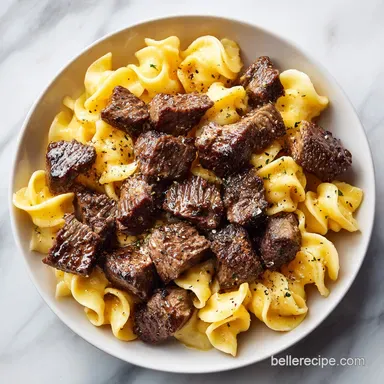
Easy Beef and Noodles: Savory and Tender
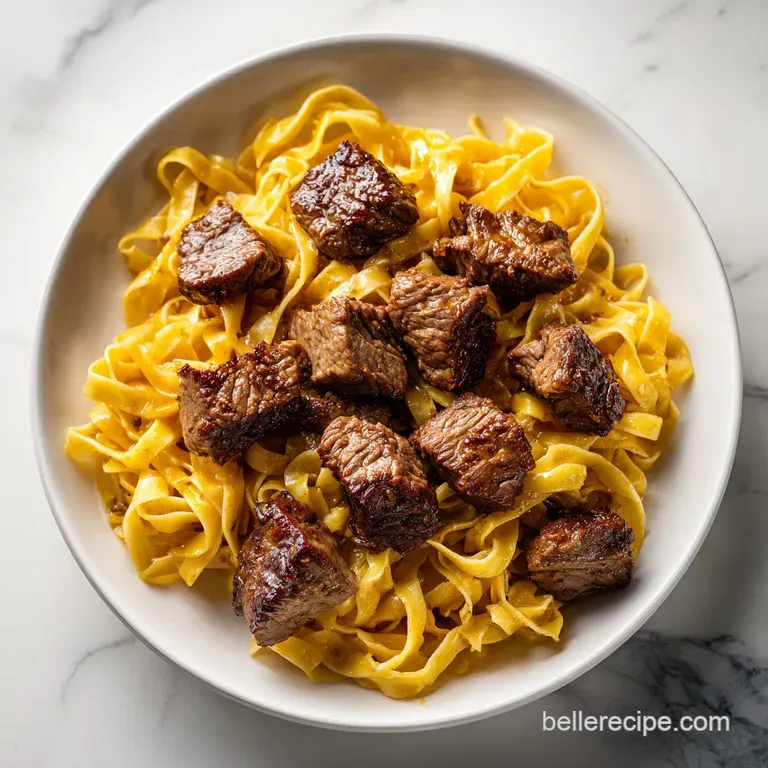
- Time:15 minutes active + 40 minutes cooking = Total 55 minutes
- Flavor/Texture Hook: Velvety sauce with tender, mahogany crusted beef
- Perfect for: Chilly weeknights or a comforting family Sunday dinner
The best beef and noodles recipe
The smell of browning butter and thyme always takes me back to my grandma's kitchen on rainy October afternoons. I can still hear the heavy sizzle of beef hitting the hot cast iron and see the steam fogging up the windows while we waited for the pot to bubble.
It wasn't just about the food, it was about the way the house felt, completely sheltered from the wind and cold outside.
That's exactly the feeling I wanted to capture here. For a long time, I struggled with noodles that turned into mush or beef that felt like chewing on a rubber band. I realized the secret isn't in some fancy technique, but in the contrast between the hard sear of the meat and the gentle simmer of the pasta.
This beef and noodles recipe is all about that balance. We're aiming for beef that has a dark, salty crust and noodles that are silky but still have a bit of a bite. It's a mindful way of cooking that turns a few simple ingredients into something that feels like a celebration of home.
Why the flavors meld
Instead of a complex chemistry lesson, think of this as how the ingredients talk to each other in the pot.
- The Brown Crust: Searing the beef creates those dark bits on the bottom of the pan, which act like flavor anchors for the rest of the sauce.
- The Starch Soak: Cooking the noodles inside the broth allows them to release starch, which naturally thickens the liquid into a velvety glaze.
- The Acid Balance: A splash of Worcestershire sauce cuts through the richness of the butter and cream, keeping the dish from feeling too heavy.
- The Low Simmer: Gently bubbling the meat breaks down the tougher fibers, making sure every bite is tender without needing hours in a slow cooker.
According to Serious Eats, the key to a deep beef flavor is ensuring the meat is completely dry before it hits the oil, which prevents steaming and encourages that mahogany crust.
| Method | Time | Texture | Best For |
|---|---|---|---|
| Fast (Ground Beef) | 20 minutes | Soft, crumbly | Quick weeknight meal |
| Classic (Stew Meat) | 55 minutes | Hearty, chunky | Slow Sunday dinner |
| Slow Cooker | 6-8 hours | Meltingly tender | Set and forget days |
I usually go with the classic method because those chunks of beef provide a satisfying contrast to the soft noodles, but the ground beef version is a lifesaver when you're exhausted from work.
The component breakdown
Understanding what each part does helps you tweak the recipe to your own taste.
| Ingredient | Science Role | Pro Secret |
|---|---|---|
| Beef Stew Meat | Protein Base | Pat dry for a better sear |
| All Purpose Flour | Thickener | Cook for 1 min to remove "raw" taste |
| Beef Broth | Liquid Medium | Use low sodium to control salt |
| Heavy Cream | Richness | Stir in at the very end to avoid splitting |
When I first started making this, I used to throw the flour in at the very end. It made the sauce taste grainy and a bit like raw dough. Now, I always whisk it into the butter and onions first, which creates a smooth, nutty base that carries the beef flavor much better.
Tools for the job
You don't need a professional kitchen for this, but a few specific tools make it easier. I prefer a large Dutch oven because it holds heat evenly and has high sides that prevent the broth from splashing. If you don't have one, a deep stainless steel skillet works just as well.
A sturdy whisk is also essential. You'll use it to scrape up the fond - those little brown bits of caramelized beef - from the bottom of the pot. If you leave those behind, you're leaving the best part of the beef and noodles recipe on the stove.
Finally,, have some paper towels ready. As I mentioned, drying the beef is the only way to get that sizzle. If the meat is damp, it will just boil in its own juices, and you'll miss out on that deep, savory crust.
Bringing It Together
Let's get into the actual cooking. Trust your nose here, it'll tell you when the garlic is ready and when the sauce has thickened.
- Pat the beef dry with paper towels. Heat butter and oil over medium high heat in a large Dutch oven or deep skillet. Add beef in batches to avoid crowding and cook 5-7 minutes until each piece has a deep mahogany colored crust. Remove beef and set aside.
- In the same pot, sauté the diced onions until translucent. Stir in the minced garlic and cook for 30 seconds until fragrant.
- Sprinkle in the flour and whisk for 1 minute to cook out the raw flour taste. Note: This prevents a pasty flavor in the final sauce.
- Slowly pour in the beef broth and Worcestershire sauce, scraping the bottom of the pot to release the brown bits.
- Return the seared beef and any accumulated juices to the pot. Add the bay leaf and thyme. Bring to a gentle boil, then reduce heat to low, cover and simmer for 20-25 minutes until the beef is tender.
- Stir in the wide egg noodles. Cover and cook for 7-10 minutes, stirring occasionally, until the noodles are tender.
- Stir in the heavy cream to create a velvety glaze.
- Remove the bay leaf and garnish with fresh parsley before serving.
Chef's Note: If you want a deeper color, try adding a teaspoon of tomato paste when you sauté the garlic. It adds a subtle brightness that pairs beautifully with the beef.
Fixing common mistakes
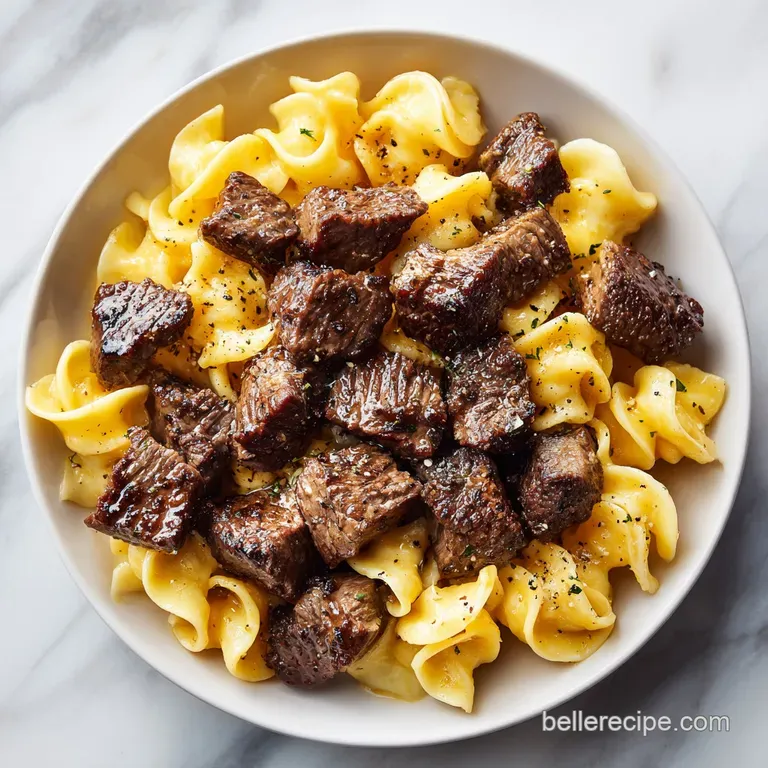
Even for those of us who cook every day, things can go sideways. Usually, it's a matter of heat management or timing.
Troubleshooting Common Issues
| Issue | Solution |
|---|---|
| Why Your Beef is Rubbery | If you crowd the pan during the searing phase, the temperature drops and the meat releases water. Instead of searing, it steams. This results in gray, tough beef rather than those rich, savory chunks. |
| Why Your Noodles are Mushy | The most common issue with a beef and noodles recipe is overcooking the pasta. Because they continue to cook in the hot sauce even after you turn off the heat, you should pull them off the stove when |
| Why Your Sauce is Thin | If the sauce feels too watery, you might not have cooked the flour long enough or your heat was too high during the simmer, evaporating too much liquid before the noodles could release their starch. < |
Before you serve, run through this quick checklist to make sure everything is spot on:
- ✓ Beef has a dark brown crust, not a gray exterior.
- ✓ Sauce is thick enough to coat the back of a spoon.
- ✓ Noodles still have a slight "bite" (al dente).
- ✓ Bay leaf has been removed.
- ✓ A pinch of fresh parsley is added for brightness.
Changing the portions
If you're cooking for a crowd or just for yourself, you can't always just double everything. Here is how I handle it.
Cooking for one or two (½ batch): Use a smaller skillet so the liquid doesn't evaporate too quickly. I've found that reducing the cook time by about 20% for the beef simmer helps prevent the sauce from becoming too thick in a smaller pot.
If the recipe calls for one egg (for homemade noodles), beat it in a cup and use half.
Feeding a group (2x-4x batch): This is where it gets tricky. Do not double the salt or spices immediately. Start with 1.5x the seasonings and taste as you go. I always sear the beef in more batches to maintain the heat.
Also, reduce the total liquid by about 10% because a larger pot often traps more steam, meaning less evaporation.
If you're making a massive batch for a potluck, I highly recommend cooking the noodles separately and stirring them in at the end. This prevents the bottom layer of noodles from turning into a paste under the weight of all that beef.
| Goal | Adjustment | Result |
|---|---|---|
| More Hearty | Add extra carrots | Adds sweetness and bulk |
| Lighter Feel | Use low-fat broth | Reduces calories slightly |
| Bolder Flavor | Add 1 tbsp red wine | Adds acidity and depth |
For those who prefer a different kind of comfort, this dish is actually quite similar to a Grandmas Ghoulash Recipe, though ours is creamier and less tomato heavy.
Busting kitchen myths
There are a few things people always say about beef that just aren't true.
Myth: Searing "locks in" the juices. You'll hear this a lot, but it's a total lie. Searing doesn't create a waterproof seal. Moisture loss happens regardless of how you brown the meat. The reason we sear is for the flavor.
That brown crust is where the savory, rich taste comes from, not because it's keeping the meat "juicy."
Myth: You must use a slow cooker for stew meat. While a crock pot is convenient, you don't need 8 hours to get tender beef. As long as you keep the beef at a gentle simmer (not a rolling boil), the collagen will break down in about 25-40 minutes for 1 inch cubes.
Myth: Fresh noodles are always better. While fresh pasta is lovely, wide egg noodles from a box are actually better for this beef and noodles recipe. They hold up better to the simmering process and don't dissolve as easily as fresh, soft pasta.
Storage and waste tips
Once you've made a big pot, you're probably going to have leftovers. Store them in an airtight container in the fridge for up to 3 days.
When reheating, the noodles will have soaked up almost all the sauce. To bring it back to life, add a splash of beef broth or water before microwaving or heating on the stove. This loosens the sauce and restores that velvety texture.
I don't recommend freezing this dish because the noodles tend to get grainy and mushy when thawed.
To keep things zero waste, don't throw away those beef trimmings or the leftover onion skins. I usually toss onion skins and any carrot peels into a freezer bag. Once the bag is full, I simmer them with some water and a few peppercorns to make a quick, homemade vegetable stock for future soups.
Great sides to serve
Since this beef and noodles recipe is so rich and savory, you need something bright or crisp to balance it out. A simple arugula salad with a lemon vinaigrette is my go to because the peppery greens cut right through the creaminess of the sauce.
If you want something more substantial, roasted Brussels sprouts with a bit of balsamic glaze provide a nice charred contrast. The bitterness of the sprouts pairs beautifully with the sweetness of the sautéed onions in the beef.
For those who love a full on feast, I often serve this alongside a Classic Pot Roast Recipe if I'm doing a big family dinner, though that might be a bit too much beef for some! A simple piece of crusty sourdough bread is also essential for mopping up every last drop of that gravy.
Right then, you've got everything you need to get this on the table. Just remember to be patient with the sear and don't overcook those noodles. Trust me, the wait is worth it for that first, comforting bite. Let's crack on and get cooking!
Recipe FAQs
What meat makes the best beef and noodles?
Beef stew meat cut into 1 inch cubes. These cuts are ideal because they withstand the simmering process without disintegrating, resulting in tender pieces.
What seasonings go in beef and noodles?
Salt, black pepper, dried thyme, and a bay leaf. These are complemented by Worcestershire sauce and beef broth to build a deep, savory flavor profile.
How to spruce up beef and noodles?
Stir in fresh chopped parsley just before serving. This adds a pop of color and a bright, herbal contrast to the rich heavy cream glaze.
What goes best with beef and noodles?
Warm, crusty bread or a light side salad. A fresh loaf is perfect for soaking up the extra sauce; for a bakery style side, try this easiest homemade bread.
Why is my beef rubbery?
You likely crowded the pan during the searing phase. This drops the temperature and causes the meat to steam in its own juices rather than developing a mahogany crust.
How to store and reheat leftovers?
Keep in an airtight container in the fridge for up to 3 days. Add a splash of beef broth before reheating to loosen the sauce and restore the velvety texture.
Is it true that this dish freezes well?
No, this is a common misconception. Freezing typically causes the egg noodles to become grainy and mushy upon thawing.
Beef And Noodles Recipe