Fruit Pizza: Buttery Crust Dessert
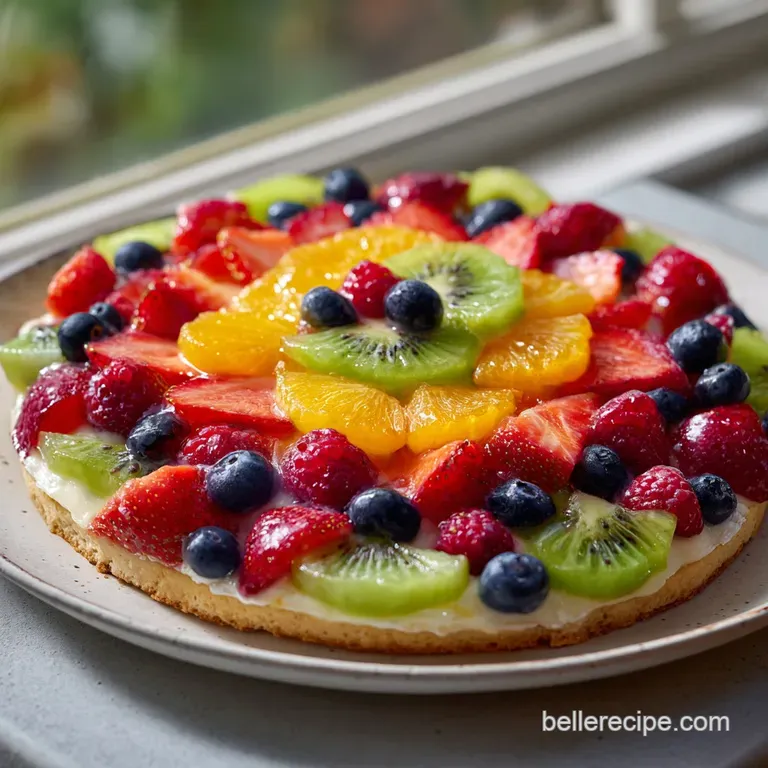
- Time: Active 20 minutes, Passive 12 minutes, Total 32 minutes
- Flavor/Texture Hook: Buttery, velvety, and vibrant
- Perfect for: Summer potlucks and family gatherings
- Creating the Perfect Homemade Fruit Pizza
- The Physics of the Snap
- Planning Your Baking Timeline
- Selecting the Best Fresh Ingredients
- Essential Tools for Success
- Building Your Vibrant Dessert
- Troubleshooting Your Fruit Pizza
- Smart Swaps for Everyone
- Storage and Waste Solutions
- Mastering the Rainbow Aesthetic
- Recipe FAQs
- 📝 Recipe Card
Creating the Perfect Homemade Fruit Pizza
I still remember the first time I tried to bring a fruit pizza to a neighborhood block party. I had spent an hour meticulously arranging kiwi slices into a perfect starburst, only to watch the whole thing turn into a mushy, sad mess by the time we served it.
The crust was like wet cardboard, and the frosting had basically dissolved into the fruit juice. It was embarrassing, but it taught me everything I needed to know about the science of moisture and the importance of a sturdy cookie base.
We are going for that specific "soft snap" texture today. You want a crust that’s strong enough to hold up a mountain of fresh berries but soft enough that it doesn't shatter into a million pieces when you take a bite.
After years of testing, I’ve found that the secret isn't just in the ingredients, but in how you treat the butter and the timing of the assembly. Trust me, once you master this version, you'll never look at those store-bought rolls of dough the same way again.
Right then, let’s get into why this specific method works so well. We're looking for a velvety finish on the tongue and a bright, citrusy lift in the frosting that cuts right through the richness. It's a mindful way to celebrate the season's best produce while keeping things simple and comforting for your guests.
The Physics of the Snap
Cornstarch Barrier: Adding cornstarch to the flour weakens gluten formation, creating a tender, "melt in-your mouth" texture while absorbing excess moisture from the frosting.
Fat Saturation: Using room temperature butter allows for better aeration during the creaming process, which ensures the crust rises evenly without becoming too dense or hard.
| Method | Time | Texture | Best For |
|---|---|---|---|
| Standard Oven | 12 minutes | Golden edges, soft center | Classic parties |
| Stovetop (Pan baked) | 18 minutes | Crispy bottom, denser | Small batches |
| Air Fryer | 8 minutes | Very crispy, fast | Quick cravings |
Cooking the crust in the oven remains my favorite method because the dry heat circulates around the edges, giving you that uniform golden hue. If you choose the stovetop method, you'll need a heavy bottomed lid to trap the heat, but the result is often more like a giant, soft pancake than a traditional cookie.
Planning Your Baking Timeline
Success with this recipe comes down to a simple three step flow. First, we handle the "foundation" (the baking and cooling), then the "sealant" (the frosting), and finally the "decoration." If you try to rush the cooling process, the frosting will melt, and your fruit will slide right off like it's on a slip and slide.
Chef's Tip: Freeze your butter for 10 minutes before grating it into the sugar if your kitchen is particularly warm; this prevents the dough from becoming greasy and helps maintain that velvety structure.
Achieving the Soft Snap Ratio
The goal is a crust that is 1.5 centimeters thick. Any thinner and it won't support the weight of the strawberries; any thicker and it feels like you're eating a loaf of bread. We use 280g of all purpose flour specifically because it has the right protein content to provide structure without being tough.
Stabilizing the Velvety Base
We use full fat brick cream cheese for a reason. The lower fat versions contain more water, which will eventually migrate into your crust and make it soggy. By whipping 225g of cream cheese with 56g of softened butter, we create a fat heavy barrier that protects the cookie from the fruit’s natural juices.
Preventing Moisture Migration
Before you even think about placing that fruit, you must ensure it is bone dry. After washing your blueberries and slicing your strawberries, lay them out on a clean kitchen towel. If you skip this, the water will mix with the sugar in the frosting and create a syrup that ruins the texture of your Fruit Pizza.
| Component | Science Role | Pro Secret |
|---|---|---|
| Cornstarch | Moisture control | Prevents the cookie from becoming tough |
| Lemon Juice | Protein stabilizer | Keeps the cream cheese frosting bright and firm |
| Powdered Sugar | Structural sweetener | Adds bulk to the frosting without grittiness |
Understanding the role of each ingredient helps you become a more mindful cook. For instance, the salt isn't just for flavor; it actually strengthens the gluten slightly while balancing the 150g of granulated sugar in the dough.
Selecting the Best Fresh Ingredients
We are using simple, wholesome ingredients here. I always suggest picking fruit that is in season because the natural sweetness means you don't need to add a heavy glaze on top.
- Unsalted Butter (226g + 56g): Softened to room temperature. Why this? Allows for perfect emulsification with sugar. (Substitute: Salted butter, but omit the extra sea salt.)
- Granulated Sugar (150g): For the cookie base. Why this? Provides the classic crisp edge. (Substitute: Caster sugar for a finer crumb.)
- All purpose Flour (280g): The structural backbone. Why this? Balanced protein content for a soft snap. (Substitute: 1:1 gluten-free flour blend.)
- Cream Cheese (225g): Must be the brick variety. Why this? High fat content prevents sogginess. (Substitute: Mascarpone for a richer flavor.)
- Fresh Fruit: Strawberries, kiwi, blueberries, mandarins, and raspberries. Why this? Varied textures and colors. (Substitute: Any seasonal non citrus fruit.)
When prepping your fruit, think about the bite size. You don't want guests struggling with giant chunks of kiwi. If you're looking for other ways to use up extra fruit, you might enjoy the techniques used in this Homemade Cherry Pie recipe.
Essential Tools for Success
You don't need fancy gadgets, but a few specific items make the process much smoother. A 12 inch pizza pan or a large baking sheet is mandatory for the base. I also highly recommend using a stand mixer or a hand mixer to get the frosting truly velvety.
- Large Mixing Bowl: For combining the dry ingredients.
- Electric Mixer: To cream the butter and sugar effectively.
- Pizza Pan: A 30cm round pan works best for even baking.
- Offset Spatula: This is the best tool for spreading the frosting without tearing the cookie.
- Parchment Paper: To ensure the crust doesn't stick to the pan.
If you find yourself without an offset spatula, the back of a large spoon works in a pinch, though it’s a bit more "rustic." The goal is a smooth, even layer of frosting from edge to edge.
Building Your Vibrant Dessert
Let’s get cooking. Follow these steps closely, especially the cooling times, to ensure your dessert stays fresh and beautiful.
- Preheat and Prep. Set your oven to 180°C (350°F) and line your pizza pan with parchment paper. Note: Parchment is better than grease here to prevent spread.
- Cream the Fats. Beat 226g of softened butter and 150g of granulated sugar until light, fluffy, and pale yellow.
- Add Wet Ingredients. Mix in 1 large egg and 2 tsp of vanilla extract until fully incorporated and smooth.
- Combine Dry Ingredients. Whisk 280g flour, 1 tsp cornstarch, 1 tsp baking powder, and 1/2 tsp salt in a separate bowl.
- Form the Dough. Gradually add the dry mix to the wet until a soft dough forms and pulls away from the sides.
- Shape the Base. Press the dough evenly into the prepared pan, leaving a small gap at the edges.
- Bake the Crust. Bake for 12 minutes until the edges are just barely golden and the center looks set.
- Cool Completely. This is vital. Let the crust cool in the pan for at least 1 hour.
- Whip the Frosting. Beat 225g cream cheese, 56g butter, 240g powdered sugar, 1 tsp lemon juice, and 1 tsp vanilla until silky and voluminous.
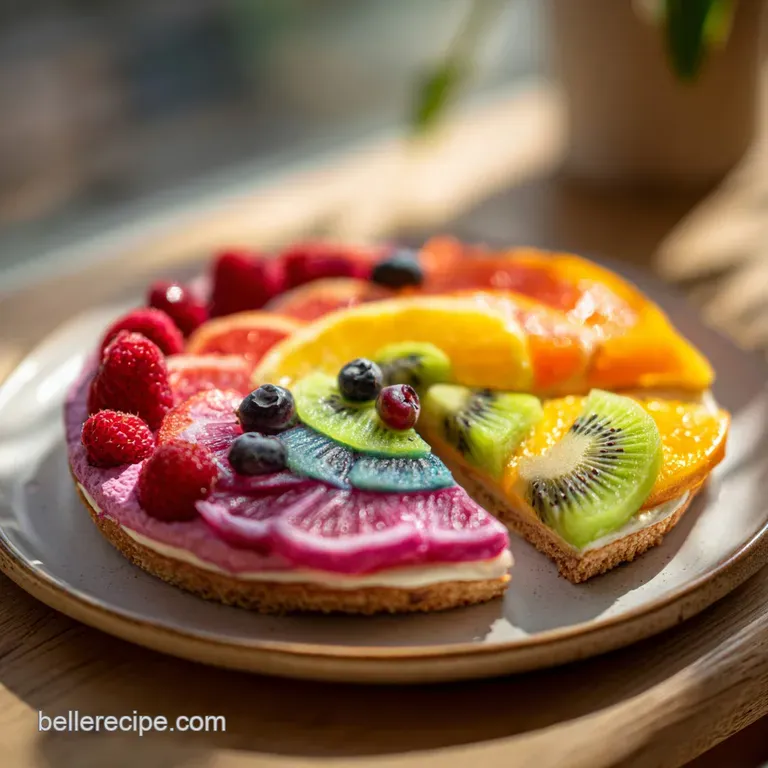
- Assemble and Decorate. Spread the frosting over the cooled crust and arrange your 1 cup of strawberries, 2 kiwis, and other berries until the surface is covered in a vibrant pattern.
For the frosting, if you want something even more decadent, you could take inspiration from the whipped texture of a Classic Italian Zabaione Recipe, though our cream cheese base is more stable for holding fruit.
Troubleshooting Your Fruit Pizza
Even the best of us run into trouble sometimes. The most common issue I see is a crust that breaks when you try to move it. If this happens, don't panic the frosting is basically "culinary glue" and can hide almost any crack.
Why Your Crust Crumbled
This usually happens if the butter was too cold when you started, or if you overbaked the cookie. A cookie that is too dry loses its flexibility. To fix this, simply piece the crust back together on the serving plate and use the frosting to seal the gaps. No one will ever know once the fruit is on top.
Why the Frosting is Runny
If your frosting feels more like a glaze than a spread, it’s likely because the cream cheese was over beaten or too warm. The friction from the mixer blades can actually melt the fat in the cheese.
Pop the bowl in the fridge for 20 minutes, then give it a quick whisk by hand to bring it back to life.
| Problem | Root Cause | Solution |
|---|---|---|
| Soggy Center | Fruit was too wet | Pat fruit dry with paper towels before topping |
| Tough Crust | Over mixed dough | Mix only until the flour streaks disappear |
| Fruit Sliding | Crust was too warm | Ensure the base is cold to the touch before frosting |
Common Mistakes Checklist ✓ Always use room temperature eggs to ensure they emulsify with the butter. ✓ Don't skip the cornstarch; it's the secret to the tender "pizza" bite. ✓ Sift your powdered sugar to avoid tiny white lumps in your velvety frosting.
✓ Avoid using frozen fruit, as it will bleed color and juice into the white frosting. ✓ Let the cream cheese soften naturally on the counter rather than using a microwave.
Smart Swaps for Everyone
Cooking should be inclusive, and this Fruit Pizza is very easy to adapt for different dietary needs without losing that comforting, homemade feel.
- gluten-free: Use a high-quality 1:1 gluten-free flour blend. The cornstarch already helps with the texture, so you won't miss the wheat.
- dairy-free: Substitute the butter with a plant based stick butter and use a vegan cream cheese alternative. Note: Vegan cream cheese is often softer, so you may need an extra 1/2 cup of powdered sugar for stability.
- Refined sugar-free: You can use a monk fruit sweetener for the crust, though the texture will be slightly crispier and less chewy.
- For a Tropical Twist
- Use coconut extract in the frosting and top with mango, pineapple, and toasted coconut flakes.
- For a Chocolate Version
- Add 1/4 cup of cocoa powder to the dough and use chocolate chips as a garnish.
- For a Fall Version
- Use thinly sliced apples and pears with a dash of cinnamon in the frosting.
Storage and Waste Solutions
Storing a Fruit Pizza can be tricky because of the fresh produce. Ideally, you should eat this the day it’s made. However, if you have leftovers, they will keep in the fridge for about 2 days in an airtight container.
The crust will soften over time, but it actually tastes quite lovely almost like a soft cake.
Freezing Guidelines: You can freeze the baked and cooled cookie crust (without frosting or fruit) for up to 3 months. Wrap it tightly in plastic wrap and then foil. When you're ready to use it, thaw it at room temperature for 2 hours before adding the fresh toppings.
Do not freeze the fully assembled pizza, as the fruit will turn to mush and the cream cheese will split.
Zero Waste Tip: Don't throw away the scraps of fruit! If you have leftover strawberry tops or kiwi ends, toss them into a pitcher of water for a refreshing infused drink, or blend them into a quick morning smoothie.
Even the lemon zest from the juice we used can be saved to brighten up a salad dressing later in the week.
Mastering the Rainbow Aesthetic
The beauty of this dish is all in the presentation. I like to start from the outside and work my way in. Place your sliced strawberries around the very edge, followed by a ring of kiwi rounds. The contrast between the bright red and the vibrant green is classic.
Chef's Note: For a professional "bakery" look, melt a tablespoon of apricot preserves with a teaspoon of water and lightly brush it over the fruit. This gives it a stunning "shatter" shine and keeps the fruit from oxidizing and turning brown if it’s sitting out for an hour or two.
I've made a thousand mistakes in the kitchen, but this Fruit Pizza is one of those recipes that always brings a smile to people's faces. It's simple, it's bright, and it's a mindful way to share something sweet with the people you love. Just remember: dry fruit, cool crust, and plenty of vanilla bean paste!

Recipe FAQs
What does a fruit pizza contain?
It contains a soft snap sugar cookie crust, a tangy cream cheese frosting, and assorted fresh fruit toppings. The key is the sturdy base designed to hold moisture without becoming soggy.
Can I use a store-bought crust for fruit pizza?
No, store-bought crusts often lack the necessary stability. Pre-made doughs tend to be too soft or rely on stabilizers that don't hold up to heavy fruit moisture.
What frosting for fruit pizza is best to prevent sogginess?
Use a cream cheese frosting made only with full fat brick cream cheese and butter. The high fat content creates a moisture barrier, protecting the cookie from the fruit’s natural juices.
What are some common mistakes when making fruit pizza?
The two most common mistakes are assembling when the crust is warm and failing to thoroughly dry the washed fruit. Warmth melts the frosting, and wet fruit creates syrup that ruins the crust texture.
How do I ensure my cookie crust achieves a soft snap texture rather than becoming tough?
Weaken gluten formation by incorporating cornstarch into the dry ingredients mixture. If you enjoyed mastering this texture control, see how the same principle of weakening structure for tenderness applies when working with high hydration doughs in our The Homemade Strawberry recipe.
Is it true I must use lemon juice to keep the fruit from browning?
No, lemon juice is primarily used to stabilize the cream cheese protein in the frosting, keeping it bright. For browning prevention on cut fruit like apples or pears, a light brush of melted apricot preserves works best as a glaze.
How do I store leftover fruit pizza safely?
Store the fully assembled pizza in an airtight container in the refrigerator for a maximum of two days. If you need to store the base longer, freeze the baked crust only; remember, the texture degrades quickly once assembled.
Best Fruit Pizza Recipe
Ingredients:
Instructions:
Nutrition Facts:
| Calories | 354 kcal |
|---|---|
| Protein | 3.4 g |
| Fat | 19.6 g |
| Carbs | 42.8 g |
| Fiber | 1.4 g |
| Sugar | 28.2 g |
| Sodium | 112 mg |
