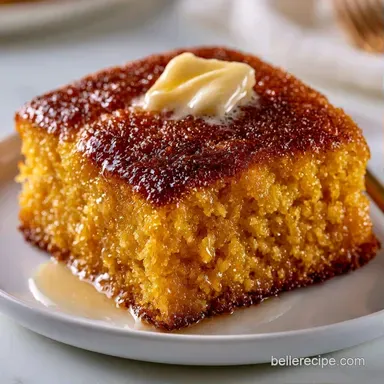
Old Fashioned Brown Sugar Cornbread
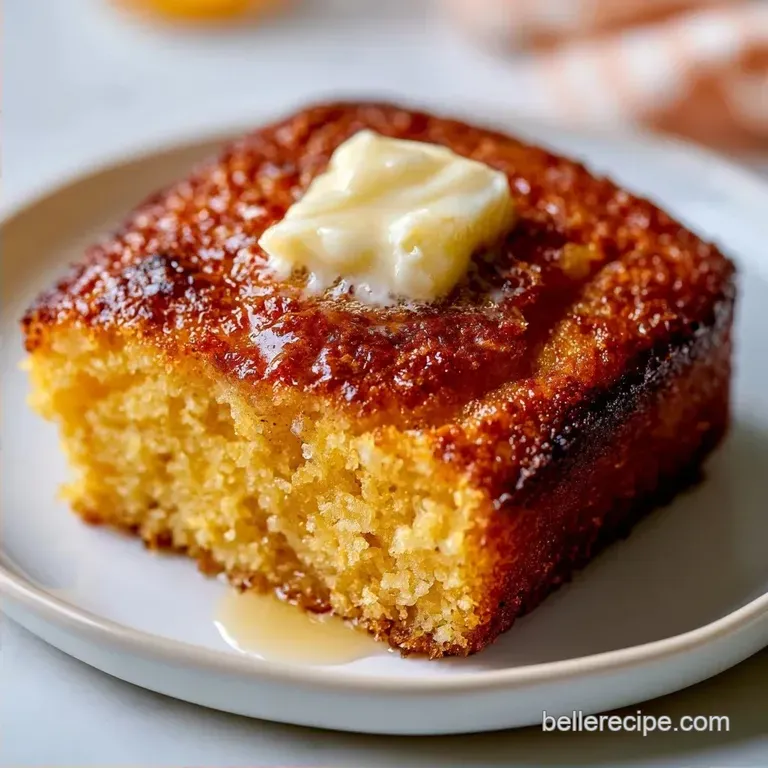
- Time: 10 min active + 25 min bake
- Flavor/Texture Hook: Deep molasses notes with a crisp, buttery edge
- Perfect for: Hearty Sunday dinners or a cozy side for chili
The sound is the first thing you notice. That sharp, aggressive sizzle when the batter hits the hot butter is a signal that you're doing it right. For a long time, I thought you needed a heavy duty commercial oven or some old world cast iron from a century ago to get those dark, crunchy edges.
I assumed my home kitchen just couldn't handle that kind of sear.
But it turns out the magic isn't in the oven, it's in the pan temperature. You don't need an artisanal setup to get a crust that tastes like toasted nuts. All you need is a little patience and a skillet that's actually hot.
This Brown Sugar Cornbread balances a rich, deep sweetness with a salty, buttery finish. It doesn't taste like cake, but it's not a dry crumb either. It's that middle ground where the corn flavor still shines through the molasses.
Brown Sugar Cornbread That Actually Sizzles
Buttermilk Reaction: The acid in the buttermilk hits the baking soda and creates bubbles. This keeps the crumb light so it doesn't feel like a brick.
Brown Sugar Moisture: Molasses in the sugar pulls moisture from the air. This means the bread stays tender for days, unlike versions that use only white sugar.
If you've tried my homemade cornbread, you'll notice this version feels much richer. The sugar doesn't just add sweetness, it changes how the bread browns in the oven.
What Each Ingredient Adds
The yellow cornmeal provides the grit and the classic corn flavor. I prefer the medium grind because it gives a bit of texture without feeling like sand. All purpose flour is there to provide structure, stopping the bread from just crumbling into a pile of corn on your plate.
Dark brown sugar is the real star here. It adds a hint of caramel and a deeper color than light brown sugar. Buttermilk adds a tang that cuts through the fat of the butter, and the vanilla extract rounds everything out so it doesn't taste one dimensional.
Finally, the butter. You use it twice, which is the only way to do this. Once melted into the batter for a moist interior, and again in the pan to fry the bottom of the bread as it bakes.
The Full Ingredient List
- 1 cup (120g) yellow cornmeal Why this? A medium grind ensures the best texture
- 1 cup (125g) all purpose flour Why this? Prevents the bread from falling apart
- 1/4 cup (50g) dark brown sugar, packed Why this? Provides a deep color and molasses notes
- 1 tbsp (12g) baking powder Why this? Crucial for achieving a good lift
- 1/2 tsp (3g) baking soda Why this? Activates when combined with buttermilk
- 1/2 tsp (3g) fine sea salt Why this? Offsets the sweetness
- 1 cup (240ml) full fat buttermilk, room temperature Why this? Creates a tender crumb and tangy flavor
- 2 large eggs, room temperature Why this? Acts as the primary binder for the batter
- 1/2 cup (115g) unsalted butter, melted and cooled slightly Why this? Ensures a rich, buttery interior
- 1 tsp (5ml) vanilla extract Why this? Complements the brown sugar
- 2 tbsp (28g) unsalted butter (for the skillet) Why this? Used to create a crispy, fried crust
Substitutions
| Original Ingredient | Substitute | Why It Works |
|---|---|---|
| Dark Brown Sugar | Light Brown Sugar | Comparable sweetness. Note: Less molasses flavor and a lighter color |
| Full fat Buttermilk | Plain Yogurt + Lemon | Similar acidity. Note: Thicker consistency may require a splash of milk |
| Yellow Cornmeal | White Cornmeal | Same basic starch. Note: Results in a milder flavor and paler color |
Tools For The Job
A 9-inch cast iron skillet is highly recommended. A cake pan works if necessary, but you won't achieve that characteristic fried bottom. To stay organized, use one medium bowl for dry ingredients and another for wet.
A whisk is ideal for smoothing out brown sugar clumps. A fork can be used as a substitute, though it requires more effort. To avoid overworking the batter, fold it gently with a rubber spatula.
How To Bake It
1. Getting Ready
Set your oven to 400°F (200°C). Place 2 tbsp (28g) of butter in a 9 inch cast iron skillet and heat it in the oven for 5 minutes, until the butter is sizzling and bubbling.
2. Dry Ingredients
Whisk the cornmeal, flour, brown sugar, baking powder, baking soda, and salt together in a medium bowl. Ensure all brown sugar clumps are broken up.
3. Wet Ingredients
In a separate bowl, whisk the eggs, buttermilk, melted butter, and vanilla until the mixture is completely smooth.
4. Mixing
Pour the wet mixture into the bowl of dry ingredients. Using a spatula, stir just until the flour streaks vanish. Be careful not to overmix, as this will make the bread tough.
5. The Sizzle
Carefully remove the hot skillet from the oven. Pour your Brown Sugar Cornbread batter into the bubbling butter and level the top with your spatula.
6. Baking
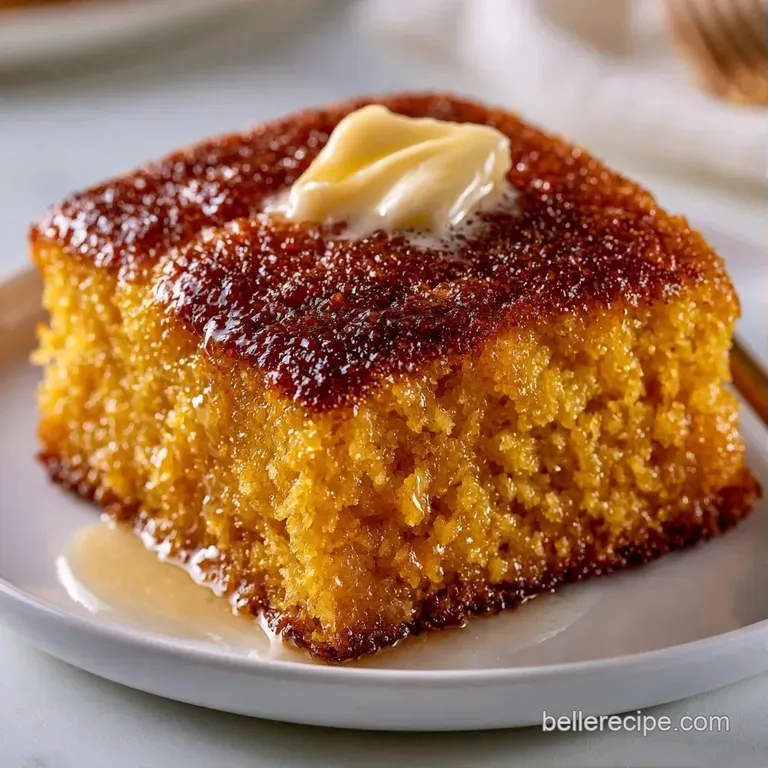
Bake for 20-25 minutes. It is finished when the top is a deep golden brown, the edges pull away from the skillet, and it smells of toasted caramel.
Chef's Note: Resist the urge to peek too often. Every time the door opens, heat escapes, and a steady 400°F is required for the crust to set properly.
Fixing Common Bakes
A dense center is the most frequent complaint. This usually stems from overmixing the batter or placing the pan in an oven that wasn't hot enough. Believe me, a few lumps in the mix are perfectly acceptable.
A burnt bottom can also occur if the oven temperature remains too high for an extended period, even if the pan was initially scorching. Start checking it carefully at the 20 minute mark.
Dry Texture
If your bread has a sponge-like feel, it was likely overbaked. Test the center with a toothpick; it should emerge with some moist crumbs rather than coming out completely clean.
Sinking Middle
This is typically due to outdated baking soda or a temperature dip from opening the oven too soon.
Greasy Bottom
This happens if you use an excessive amount of butter in the skillet or don't let the butter sizzle enough before adding the batter.
| Problem | Fix |
|---|---|
| Dry Crumb | Reduce bake time by 2 minutes |
| Sinking Center | Check expiration on baking soda |
| Pale Crust | Ensure skillet is hot before pouring |
Keeping It Fresh
This Brown Sugar Cornbread stays moist because of the molasses, but it's still best within 3 days. Keep it in a container with a lid so the edges don't dry out. If you're not eating it immediately, don't leave it in the skillet, or the bottom will get soggy.
For the freezer, wrap individual slices in parchment paper and toss them in a freezer bag. They'll last about 2 months. To reheat, just pop a slice in the toaster or a hot pan with a tiny bit of butter.
If you have leftovers, don't toss the scraps. Crumble the dry bits into a pan with some melted butter and a pinch of salt to make a savory corn crumble for salads.
Best Ways To Serve
I love this bread when it's still warm, with a slab of salted butter melting into the center. The velvety interior makes it a great contrast to something spicy. It's a natural partner for baked beans on a Sunday afternoon.
For a sweet treat, try a drizzle of honey or a smear of apple butter. The tang of the buttermilk and the richness of the brown sugar handle both sweet and savory toppings equally well.
Serving Options
| Style | Recommended Pairing | Why It Works |
|---|---|---|
| Savory | Spicy Chili | Sweetness cuts the heat |
| Sweet | Maple Syrup | Enhances the molasses notes |
| Classic | Salted Butter | Simple and rich |
Different Ways To Make It
You can easily tweak this recipe depending on what's in your pantry. For a bit of a kick, fold in some chopped jalapeños and sharp cheddar cheese before baking. The heat of the peppers plays really well with the brown sugar.
If you want it a bit more "cake like," you can swap out a tablespoon of the flour for an extra tablespoon of brown sugar. Just keep in mind it will brown faster in the oven.
Quick Adjustments
- For a deeper crust: Use dark brown sugar instead of light.
- For a lighter crumb: Sift the cornmeal first.
- For extra sweetness: Add a honey drizzle immediately after baking.
Scaling the Recipe
If you want to make a smaller batch, you can halve the ingredients. Use a 6 inch skillet instead of a 9 inch one and reduce the bake time by about 20%. If you only have one egg, beat it in a cup and use half.
For a double batch, don't just double the baking powder and soda, or it might taste metallic. Use about 1.5x the leavening agents and bake in two separate skillets. If you try to put all the batter in one deep pan, the edges will burn before the middle is cooked.
Right then, you've got a plan. This Brown Sugar Cornbread is all about that contrast between the crunchy, fried exterior and the soft, moist inside. It's comforting, simple, and honestly the best way to use up that buttermilk in the fridge. Just remember: hot pan, light stir, and don't overbake. Enjoy!
Recipe FAQs
Can I use brown sugar instead of white sugar in cornbread?
Yes, it's a great upgrade. The molasses in brown sugar provides a deeper flavor and maintains moisture better than white sugar. This rich profile pairs perfectly with hearty cowboy beans.
What amount of brown sugar is ideal for cornbread?
Use 1/4 cup of packed dark brown sugar. This specific ratio ensures the bread remains a savory side rather than becoming a dessert cake.
How to make a cornbread crust more crispy?
Heat two tablespoons of butter in a cast-iron skillet at 400°F for 5 minutes. Pouring the batter into sizzling butter creates that characteristic caramelized, toasted edge.
Is it true that professional ovens are required for a dark crust?
Not true. A properly preheated cast-iron skillet achieves the same high-heat sear in any standard home oven.
Brown Sugar Cornbread in 35 Minutes