Chai Concentrate Recipe: Warming & Aromatic
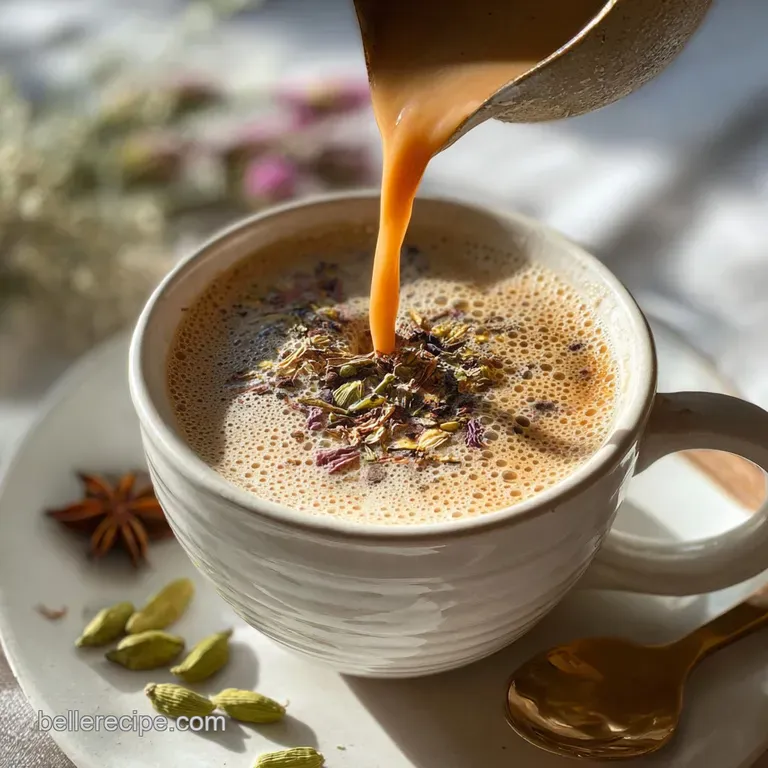
- Time: Active 5 minutes, Passive 15 minutes, Total 20 minutes
- Flavor/Texture Hook: Warming, aromatic, and velvety
- Perfect for: Meal prep enthusiasts and cozy weekend mornings
- Master This Homemade Chai Concentrate Recipe
- The Science of Why it Works
- Practical Recipe Decision Guide
- Spice and Tea Component Analysis
- Your Shopping List and Substitutes
- Essential Tools for Crafting Chai
- Step-by-Step Brewing Instructions
- Solving Common Brewing Problems
- Adjusting Batch Sizes Easily
- Debunking Common Tea Myths
- Storage and Mindful Waste Tips
- Perfect Pairings and Serving Ideas
- Recipe FAQs
- 📝 Recipe Card
Master This Homemade Chai Concentrate Recipe
Have you ever walked into a coffee shop on a rainy Tuesday and felt that immediate hug of cinnamon and cardamom hitting your nose? That’s exactly what we’re capturing here.
For years, I relied on those boxed concentrates from the grocery store, but they always felt a bit thin, almost like they were hiding the spices behind a wall of corn syrup. When I finally decided to simmer my own batch, the difference was startling - it’s deeper, grittier in the best way, and far more comforting.
This recipe isn't just about saving five dollars at the drive thru, though that's a lovely perk. It's about the mindful ritual of cracking open cardamom pods and watching the dark brown sugar swirl into the mahogany tea.
We're going for a profile that balances the sharp bite of ginger with the mellow, woody notes of star anise. It's a contrast of bright spice and rich, tannic tea that feels like a genuine luxury in a glass jar.
Trust me, once you smell this simmering on your stove, you’ll never go back to the pre packaged stuff. We’re going to extract every bit of essential oil from those whole spices to create something that stands up perfectly to whatever milk you choose.
Whether you like it iced and refreshing or steaming and frothy, this base is your new best friend. Let's get into the details of why this specific method actually works.
The Science of Why it Works
Solvent Extraction: Water acts as a solvent, pulling essential oils like cinnamaldehyde from cinnamon and gingerol from ginger through heat assisted diffusion.
Tannin Management: The specific timing of the tea addition prevents over extraction of polyphenols, which would otherwise lead to an unpleasantly astringent or "dry" mouthfeel.
Maillard Reaction: While subtle in a liquid base, the use of dark brown sugar introduces molasses driven aromatic compounds that deepen the flavor profile beyond simple sweetness.
Practical Recipe Decision Guide
Before you start heating the water, it’s helpful to decide which method fits your schedule. Most of us reach for the stovetop because it’s fast, but if you’re doing a massive batch for a holiday brunch, a slow cooker can be a quiet hero in the corner of your kitchen. Here is how they stack up.
| Method | Time | Flavor Profile | Best For |
|---|---|---|---|
| Stovetop | 20 minutes | Bright, punchy spices | Quick weekly prep |
| Slow Cooker | 4 hours | Mellow, deeply integrated | Large holiday batches |
| Cold Brew | 24 hours | Low acidity, very smooth | Sensitive stomachs |
I personally stick to the stovetop method. There is something incredibly satisfying about the "hiss" of the water hitting the spices and the immediate aromatic payoff. It allows for much tighter control over the tea steeping time, which is the most critical window in the whole process.
If you leave black tea in hot water for even two minutes too long, you risk a bitter finish that even a mountain of sugar can't hide.
Spice and Tea Component Analysis
Understanding what each element brings to the pot helps you appreciate the final sip. We aren't just throwing things in a pan; we are building layers of flavor.
| Component | Science Role | Pro Secret |
|---|---|---|
| Black Tea | Structural Tannins | Use CTC (Crush, Tear, Curl) leaves for a bolder, darker liquor. |
| Cardamom Pods | Aromatic Volatiles | Always crack the green husk to expose the oily black seeds inside. |
| Fresh Ginger | Pungent Heat | Leave the skin on for the simmer; it contains intense flavor compounds. |
| Sea Salt | Flavor Enhancer | A tiny pinch suppresses bitterness and makes the spices "pop" on the palate. |
The choice of dark brown sugar over white sugar is intentional. The molasses content adds a velvety weight to the liquid. It reminds me of the richness you find in a Tonkatsu Sauce Recipe where the depth of the sweetener is just as important as the savory elements.
Your Shopping List and Substitutes
Gather these ingredients before you begin. Quality matters here, especially with the spices, as they are the stars of the show.
- 3 cinnamon sticks: Why this? Provides a woody, sweet heat that ground cinnamon simply cannot replicate. (Substitute: 1.5 tsp ground cinnamon, though it may make the concentrate cloudy.)
- 12 green cardamom pods: Why this? The signature citrusy floral note of authentic masala chai. (Substitute: 1 tsp ground cardamom.)
- 1 star anise: Why this? Adds a subtle licorice undertone that rounds out the sharper spices. (Substitute: 0.5 tsp anise seed.)
- 6 whole cloves: Why this? Provides an intense, numbing warmth and deep aroma. (Substitute: 0.25 tsp ground cloves.)
- 10 black peppercorns: Why this? Adds a sophisticated back of-the throat heat without being "spicy." (Substitute: 0.25 tsp white pepper.)
- 2 inch piece fresh ginger: Why this? Freshness is key for that zingy, bright top note. (Substitute: 1 tsp dried ginger powder.)
- 0.5 cup loose leaf black tea: Why this? Offers more surface area for extraction than cramped tea bags. (Substitute: 8-10 high-quality black tea bags.)
- 4 cups filtered water: Why this? Clean water ensures the delicate spice oils aren't masked by minerals.
- 0.5 cup dark brown sugar: Why this? Adds a caramel like richness and body. (Substitute: Honey or maple syrup for a "chai concentrate recipe no sugar" alternative, though flavor will shift.)
- 1 tsp vanilla extract: Why this? Acts as a bridge between the spices and the creamy milk.
- 0.25 tsp sea salt: Why this? Balances the sugar and cuts through the tea's natural bitterness.
Essential Tools for Crafting Chai
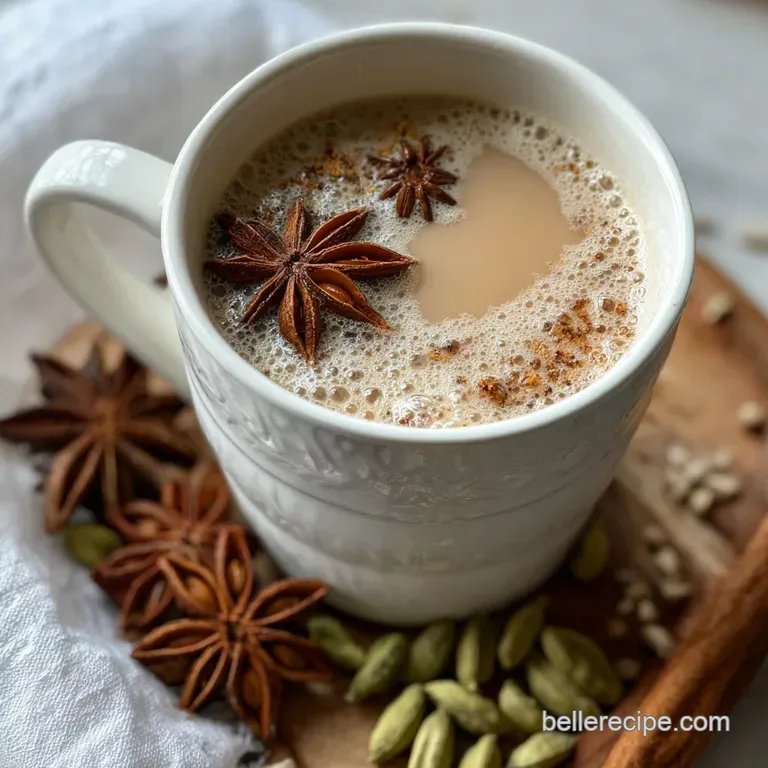
You don't need a high end laboratory, but a few specific tools make this much easier. A heavy bottomed saucepan is your best friend here. It distributes heat evenly, which is vital when you’re simmering the spices to ensure you don't scorch the ginger or the sugar at the bottom.
I also highly recommend using a fine mesh strainer or even a piece of cheesecloth. Since we are using loose leaf tea and whole spices, you want to ensure the final concentrate is perfectly smooth. Nobody wants to find a peppercorn at the bottom of their latte.
If you find the concentrate is still a bit "dusty," pouring it through a coffee filter is a slow but effective way to get that crystal clear look.
Finally,, have a glass jar ready for storage. Plastic tends to absorb the strong odors of cloves and ginger, which can linger forever. A simple Mason jar or a recycled glass bottle works perfectly.
It’s also quite satisfying to see the dark, amber liquid through the glass it looks like a potion sitting in your fridge.
step-by-step Brewing Instructions
Phase 1: The Spice Bloom
Place the 3 cinnamon sticks, 12 cracked cardamom pods, 1 star anise, 6 cloves, and 10 peppercorns into your dry saucepan. Toast them over medium heat for about 2 minutes until they smell fragrant and slightly toasted. This "blooms" the oils before the water even touches them.
Phase 2: The Aromatic Simmer
Add the 4 cups of filtered water and the 2 inch piece of sliced ginger coins. Bring the mixture to a gentle boil, then reduce the heat and simmer for 15 minutes. Note: This longer simmer is only for the spices, as they need time to release their stubborn flavors.
Phase 3: The Precision Steep
Turn off the heat entirely. Stir in the 0.5 cup of loose leaf black tea. Let it steep for exactly 5 minutes until the liquid is a deep, dark mahogany. Do not let it go longer, or the tannins will turn the brew unpleasantly bitter.
Phase 4: Sweetening and Finishing
Stir in the 0.5 cup of dark brown sugar, 1 tsp vanilla extract, and 0.25 tsp sea salt while the liquid is still warm. Note: The heat helps the sugar dissolve instantly without needing further boiling.
Phase 5: Straining and Cooling
Pour the mixture through a fine mesh strainer into a heat proof bowl or jar. Use a spoon to press down on the tea leaves and spices to extract every last drop of concentrated flavor.
Phase 6: Cooling Down
Allow the concentrate to cool to room temperature on the counter before sealing the lid. This prevents condensation from forming inside the jar, which could dilute your hard work.
Phase 7: The Ratio Test
To serve, mix 1 part concentrate with 1 part milk of your choice. Heat until steaming for a hot latte, or pour over ice for a refreshing treat.
Phase 8: Final Adjustments
Taste your first cup. If it feels too bold, add a splash more milk. If you want more punch, use a 2:1 ratio of concentrate to milk next time. This is the beauty of the "homemade chai concentrate recipe" it's entirely up to you.
Solving Common Brewing Problems
Even with a straightforward recipe, things can go sideways. I once left my tea steeping while I answered the door, and the result was so bitter it was practically undrinkable. Learning these cues will save your batch.
Why Your Chai Tastes Bitter
If the finish of your drink makes your tongue feel furry or dry, you've over extracted the tea. This usually happens if the water was too hot during the tea addition or if you steeped it for longer than five minutes. The spices can simmer for a long time, but the tea leaves are sensitive.
Why the Spices Feel Weak
Sometimes the concentrate smells amazing but tastes like plain sweetened tea once milk is added. This is often because the spices weren't "bloomed" or toasted first. That dry heat at the start is what wakes up the volatile oils. Also, make sure your ginger is fresh; older ginger loses its pungent "zing."
Problem | Root Cause | Solution
| :--- | :--- | :--- | | Cloudiness | Using ground spices | Strain through a paper coffee filter. | | Weak Body | Not enough sugar | Add a tablespoon of maple syrup to your individual cup. | | Soapy Flavor | Too much star anise | Stick strictly to 1 star anise per 4 cups of water. |
Common Mistakes Checklist:
- ✓ Forget to crack the cardamom pods (essential for flavor release).
- ✓ Boil the tea leaves (this releases bitter tannins instantly).
- ✓ Use old, dusty spices from the back of the pantry.
- ✓ Skip the salt (it's the secret to making spices taste "vibrant").
- ✓ Using "light" brown sugar instead of dark (you miss out on the molasses depth).
Adjusting Batch Sizes Easily
Scaling this recipe is quite simple, but there are a few rules to keep in mind so the spices don't become overwhelming. When you're making a "chai concentrate recipe for latte" prep for a whole week, you might want to double it.
To Double the Recipe (2x): Use 8 cups of water and 1 cup of tea. However, don't just double all the spices. I recommend using 1.5x the spices (e.g., 4 or 5 cinnamon sticks instead of 6) to keep the flavor balanced. Spices like cloves and star anise can become medicinal if doubled strictly by volume.
To Halve the Recipe (1/2): This is great for a trial run. Use 2 cups of water and 0.25 cup of tea. Since you can't really use half a star anise easily, just use one small one.
You might need to reduce the simmer time by about 3-5 minutes since a smaller volume of water evaporates much faster.
If you find yourself with extra concentrate, it’s remarkably similar to the technique used in our Silky Smooth Homemade recipe where we focus on a clean, concentrated base that can be customized later.
Debunking Common Tea Myths
There is a big misconception that boiling the tea leaves makes for a "stronger" concentrate. In reality, heat above 212°F (100°C) just destroys the delicate aromatic compounds and forces the bitter tannins out of the leaves.
Strength should come from the ratio of tea to water, not the duration or intensity of the heat.
Another myth is that you must use expensive "high grade" tea. While you don't want the bottom of-the barrel dust, a sturdy, mid range Assam or Ceylon loose leaf is actually better for chai than a delicate Darjeeling. You need a tea with enough "backbone" to stand up to the heavy hitters like ginger and cloves.
Save the expensive, single estate leaves for plain sipping.
Storage and Mindful Waste Tips
Keep your "best chai concentrate recipe" in the refrigerator for up to 14 days. If you notice any change in smell or if the liquid becomes excessively cloudy, it’s time to toss it. You can also freeze this in ice cube trays! Just drop two "chai cubes" into a glass of warm milk for an instant drink.
For a zero waste approach, don't throw those simmered ginger coins away. You can chop them up and simmer them with a bit more sugar and water to make a quick ginger syrup for cocktails or soda water.
The spent tea leaves and spices are also fantastic for your compost bin, as they add nitrogen and help break down organic matter.
If you're looking for a bright contrast to this rich drink, the acidity in The Bright Zesty recipe is a great example of how to balance heavy, warming flavors with something sharp and clean.
Perfect Pairings and Serving Ideas
When it comes to serving, the classic 1:1 ratio with whole milk is unbeatable. If you're feeling adventurous, try using oat milk; its natural nuttiness complements the cinnamon beautifully. For a "dirty chai," simply add a shot of espresso to your latte.
The bitterness of the coffee plays surprisingly well with the sweet spice of the concentrate.
For a full weekend experience, I love serving this alongside a hearty, comforting meal. It pairs exceptionally well with something savory and creamy, much like The Homemade Chicken recipe which offers a nice structural contrast to the liquid spice of the chai.
If you want to get really fancy, top your hot latte with a dollop of whipped cream and a dusting of freshly grated nutmeg. It turns a simple drink into a legitimate dessert. Whether you're sharing this with a friend or keeping it all for your quiet morning moments, it's a recipe that truly transforms the atmosphere of your home.
Enjoy the process, and most importantly, enjoy that first, perfect sip.
Recipe FAQs
How long does chai concentrate last?
Up to 2 weeks in the refrigerator. Ensure it's stored in an airtight container to maintain freshness and prevent flavor absorption from other foods.
Can I use ground spices instead of whole spices for chai concentrate?
No, it's not recommended. Ground spices will make your concentrate cloudy and can result in a gritty texture. Whole spices release their oils more cleanly for a smoother, more aromatic brew.
How do I adjust the sweetness of my chai concentrate?
Stir in sweetener at the end of the brewing process. Dark brown sugar is ideal for its molasses notes, but you can substitute with honey or maple syrup to taste. You can also adjust the amount per serving.
What is the best type of black tea to use for chai concentrate?
A robust, malty black tea is best. CTC (Crush, Tear, Curl) teas like Assam or Ceylon provide the backbone needed to stand up to the strong spices. Avoid delicate teas which can become bitter when steeped.
Why does my chai concentrate taste bitter?
You likely over steeped the black tea. Tea leaves are sensitive; over steeping, especially at high heat, releases bitter tannins. Stick to the recommended 5-minute steep time after removing the pot from the heat.
Can I freeze chai concentrate?
Yes, freezing chai concentrate is a great option. Pour it into ice cube trays for easy portioning; two cubes per cup of milk make an instant, perfectly spiced chai latte.
What's the secret to a really aromatic chai concentrate?
Toast the whole spices before adding water. This "blooming" process awakens their essential oils, intensifying their fragrance and flavor before they even hit the liquid. This technique is similar to how we build layers of flavor in our Tonkatsu Sauce Recipe.
Chai Concentrate Recipe
Ingredients:
Instructions:
Nutrition Facts:
| Calories | 41 kcal |
|---|---|
| Protein | 0.2 g |
| Fat | 0.1 g |
| Carbs | 10.4 g |
| Fiber | 0.2 g |
| Sugar | 9.8 g |
| Sodium | 62 mg |
