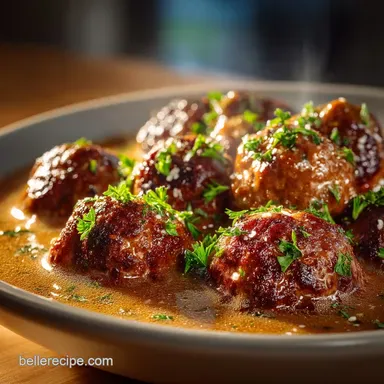
The Ultimate Comforting Meatballs and Rich Pan Gravy
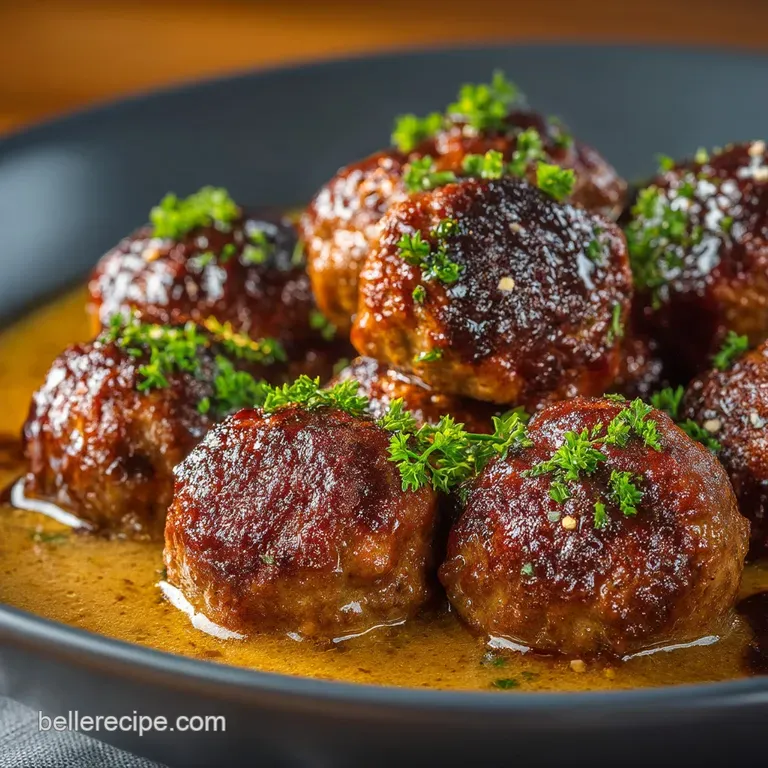
The Art of Homestyle Meatballs and Gravy
There are few dishes that instantly evoke the warmth and security of a Sunday dinner quite like a robust plate of tender, juicy meatballs smothered in a velvety, rich pan gravy. Unlike their Italian American cousins, these meatballs exist purely to showcase the deeply savory profile of browned meat and a flawless roux, making them the ultimate vehicle for comfort food pairings.
This is a comprehensive guide to mastering the classic, slow simmered technique that results in the most delicious, melt-in-your mouth experience possible.
Defining the True Pan Gravy Technique
The foundation of a truly exceptional meatballs and gravy recipe lies not in a packet mix, but in utilizing the browned bits left behind in the skillet a process known as deglazing.
Our pan gravy begins by reserving two tablespoons of the rendered meat fat after searing, which is then combined with fresh butter. We then whisk in the all-purpose flour (three tablespoons total) to create a traditional roux.
Cooking this roux for a full minute or two ensures that the raw flour taste is eliminated, leaving behind a nutty aroma and a stable thickening base. The essential technique involves slowly incorporating cold beef stock (three cups of high-quality liquid are vital) into that hot roux while vigorously whisking, scraping up all the valuable caramelized flavour (the fond) from the bottom of the pan.
This pan-scraping is the secret ingredient that transforms simple stock into an intensely flavorful sauce.
Why Ground Beef Quality Matters for Tenderness
The moisture and structural integrity of your finished meatballs are directly tied to the ingredients you select. We advocate for a specific 50/50 blend: one pound of 80/20 ground beef mixed with one pound of ground pork.
The slightly higher fat content of the 80/20 beef guarantees flavor and helps the mixture remain moist during the searing phase. Meanwhile, the ground pork introduces a desirable tenderness that prevents the meatballs from becoming tough or dry.
Plus,, the flavor profile is deepened substantially by the addition of spices like freshly grated nutmeg and a hint of allspice, lending a quintessential homestyle aroma that pairs beautifully with the rich gravy.
A Deep Dive into Comfort Food Heritage
This style of savory, brown sauce classic has roots in various European and Scandinavian traditions, but in North America, it embodies pure, unadulterated cold weather satisfaction. It is a true "Proper Comfort" dish, built entirely around warmth and texture.
The resulting dish is hearty, luxurious, and perfectly suited to be served atop classic starches. When planning your menu, consider the ultimate complement: a proper meatballs and gravy with mashed potatoes recipe .
The buttery peaks and valleys of the potatoes are designed to capture every drop of that velvety sauce. Alternatively, serving the meatballs and gravy over noodles or meatballs and gravy over rice offers a satisfying textural contrast.
Essential Elements for the Perfect Meatball Foundation
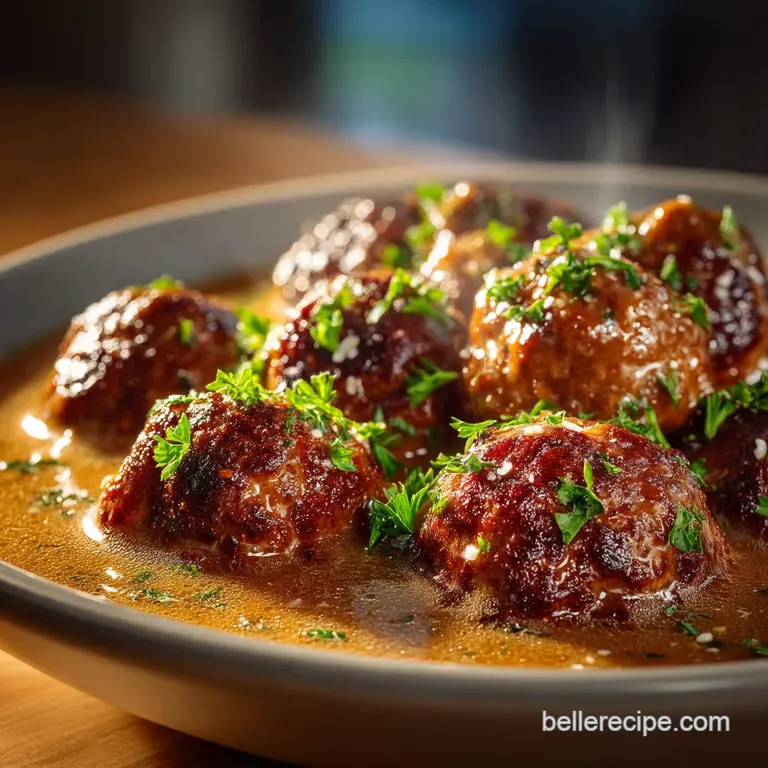
Crafting the perfect sphere requires attention to ingredient quality and delicate handling, ensuring the finished product is tender, not dense.
Selecting Your Star Ingredients (Meats, Spices, Broth)
As noted, the combination of high fat ground beef and ground pork provides the ideal richness. Beyond the meat, moisture comes from half a cup of finely grated onion and a quarter cup of whole milk used in the panade.
The spice profile including kosher salt, freshly ground pepper, and those small but mighty additions of nutmeg and allspice seasons the meat deeply before cooking even begins. Crucially, the quality of your gravy depends almost entirely on the quality of your liquid base.
Use three cups of the best, low-sodium beef stock you can find, as this liquid will simmer down and concentrate the final flavor of the entire dish. Finally, one teaspoon each of Worcestershire sauce and Dijon mustard are essential additions to the sauce, cutting through the richness and providing layers of umami complexity.
The Simple Secret to Moist Meatball Binding
Achieving maximum tenderness requires minimizing the mixing process, which develops tough gluten strands in the meat proteins. The solution lies in the panade : two slices of white bread (crusts removed) soaked in the milk and mashed into a paste.
This mixture, along with a single lightly beaten egg, acts as a binder, allowing the meat mixture to hold its shape beautifully without needing to be overworked. After gently incorporating the panade and seasonings into the meat, the mixture must be chilled for a minimum of 30 minutes.
This mandatory resting period allows the fat to firm up and the proteins to settle, ensuring the meatballs hold their shape without cracking or crumbling during the searing phase.
Recommended Kitchen Tools for Searing and Simmering
To execute this recipe properly, a few key tools are required. First and foremost, you need a high-quality, heavy bottomed skillet, preferably 12 to 14 inches in diameter. Cast iron or stainless steel is ideal because these materials retain heat evenly and, most importantly, encourage the formation of a dark, flavorful fond, which is the cornerstone of the gravy.
Plus,, you will need a sturdy whisk to create a lump free roux, and for precision, a digital meat thermometer is recommended to confirm the final internal temperature reaches 165°F (74°C) after simmering.
Related Recipes Worth Trying
- Ultimate Edible NoBake Cookie Dough Safe Buttery and Ready in Minutes — Right then no more sneaking raw batter This foolproof NoBake Cookie Dough recipe is 100 safe easy peasy and ready in 15 mins Perfect for snacking or quick...
- Classic El Diablo Cocktail Tequila Cassis and Spicy Ginger Zing — Learn the history and technique for a perfect El Diablo Cocktail This sophisticated tequila drink blends rich cassis with spicy ginger beer Foolproof and...
- The Best Homemade Reuben Sandwich with Tangy Russian Dressing — Forget the diner This easy Reuben Sandwich recipe delivers an authentic flavourpacked experience with perfectly crisp rye and homemade Russian dressing Get...
Step-by-step: Crafting These Signature Meatballs and Gravy
The process is divided into three critical stages: preparation, browning, and simmering. Attention to detail in each stage ensures a successful final dish.
Forming Uniform Spheres (A Technique Guide)
Once the meat mixture has been properly chilled, you can begin shaping. Consistency is key here. Roll the mixture into approximately 1.5 inch spheres, which yields about 24 medium meatballs. Placing the formed balls onto a lined baking tray helps keep their shape uniform.
By chilling the meat beforehand, shaping is cleaner and the balls maintain their structure when introduced to high heat, preventing frustrating blowouts in the pan.
Achieving the Ideal Crust: Searing Without Overcooking
The goal of the initial cooking stage is solely to build a beautiful, rich brown crust the crucial Maillard reaction that adds complexity to the final flavor. Heat two tablespoons of neutral oil (like canola) in your skillet over medium high heat. Add the meatballs in batches, ensuring they are never crowded.
Crowding the pan drops the temperature, leading to steaming instead of searing. Brown the meatballs for three to four minutes, turning frequently, until a dark crust forms on all sides. After browning, remove the meatballs and set them aside.
Do not wipe out the pan; those dark bits (the fond) are required for the gravy! If you are planning to utilize a large batch meatballs and gravy in oven method, you would typically bake them on high heat for 10- 15 minutes at this stage to achieve a similar crust, before transferring them to the stove top gravy.
Building the Rich Roux: Scraping Up Pan Flavor (The Fond)
After removing the meatballs, reduce the heat to medium. Reserve two tablespoons of the rendered fat and add the butter. Once melted, whisk in the three tablespoons of flour to create your roux. Cook the roux for 60 to 120 seconds until it smells nutty, then begin the deglazing process.
Slowly and steadily pour in the cold beef stock while whisking vigorously. Use the whisk to scrape up all the flavorful sediment stuck to the bottom of the skillet. Whisk until the sauce is smooth and completely lump free. Once thickened, stir in the Worcestershire sauce and Dijon mustard.
Low and Slow Simmering for Maximum Tenderness
The final stage ensures the meatballs are fully cooked while absorbing the rich flavor of the sauce. Return the browned meatballs to the simmering gravy. Reduce the heat to low, cover the pan, and allow them to gently simmer for 15 to 20 minutes.
This low-and-slow cooking method guarantees that the interior remains tender and moist, as they finish cooking in the flavorful sauce. This technique is similar to how you would finish the dish if you were making meatballs and gravy slow cooker style, where the gentle heat prevents the meat from drying out.
Finally, remove the skillet from the heat, stir in the quarter cup of heavy cream for luxurious silkiness, and season to taste.
Maximizing Flavor and Solving Common Gravy Issues
A hallmark of a truly expert level dish is understanding how to adjust, substitute, and troubleshoot to achieve perfection every time.
Can I Substitute the Meat? Handling Poultry and Pork Blends
While the traditional ground beef and pork blend offers optimal richness, this dish is adaptable. Should you require an alternative blend, substituting ground turkey and sausage meat (removed from casings) in place of the beef and pork is the best option for maintaining flavor and texture.
Be aware that the turkey will result in a slightly less rich flavor and a dryer texture due to the lower fat content, so be extra cautious not to overmix the mixture. Regardless of the meat choice, the gentle handling technique remains paramount to avoiding tough spheres.
Integrating Mushrooms for an Earthy Southern Twist
To add a delightful earthy dimension, often found in a Southern or country style version of this dish, incorporate cremini or shiitake mushrooms. After removing the seared meatballs from the pan but before starting the roux, slice and sauté about one cup of mushrooms in the reserved fat until they are tender and caramelized.
Remove the mushrooms briefly, make the roux as instructed, and then stir the sautéed mushrooms back into the gravy alongside the beef stock. This variation adds incredible depth and pairs especially well if you are serving the meatballs and gravy over noodles .
Storage, Freezing, and Reheating Leftover Comfort
These meatballs and gravy leftovers are excellent and reheat well, making the complete dish perfect for batch cooking. Once completely cooled, store the dish, gravy and all, in an airtight container in the refrigerator for up to four days.
For longer storage, freeze the cooked meatballs and gravy together. When reheating, the gravy may separate slightly due to the dairy content. Simply warm gently on the stovetop over low heat, stirring occasionally, and add a small splash of fresh beef stock or heavy cream to bring the sauce back together and restore its smooth texture.
This preparation is ideal for meal prepping, whether you plan to enjoy the meatballs and gravy with mashed potatoes recipe again later or spoon it over rice for a quick weeknight dinner.
Mastering Gravy Consistency: Troubleshooting a Thin Sauce
If, after simmering the meatballs, your gravy seems too thin, you have a couple of easy fixes. The simplest method is to let the sauce continue simmering uncovered for a few extra minutes to allow evaporation to thicken the consistency naturally.
If you need a rapid fix, create a slurry by whisking one teaspoon of cornstarch (or gluten-free alternative) with one tablespoon of cold water, then whisk this mixture slowly into the simmering gravy. If, conversely, you are left with lumps from poor whisking during the roux stage, do not panic.
Before adding the heavy cream or the meatballs, simply pour the gravy through a fine mesh sieve, or for an instant remedy, use an immersion blender to briefly smooth out the sauce.
Recipe FAQs
Why did my meatballs turn out tough or dense, even though I used the milk and bread (panade)?
The most common culprit when dealing with meat is overworking the mix; a gentle touch is absolutely key here. Overmixing develops the proteins too much, resulting in a dense, rubbery texture that no amount of gravy can fix.
Also, never skip the chilling time it allows the fats to firm up, ensuring the meatballs hold their shape without needing excessive binding.
I always end up with lumpy gravy! Any tips for making the roux flawlessly?
Lumps are the bane of Sunday dinner, but they are easy to avoid! Ensure your roux (flour cooked in fat) is hot, but your beef stock is cold or at least room temperature this temperature contrast prevents the starch from seizing up. Whisk vigorously and pour the stock in slowly at first.
If, despite your best efforts, you still have some rogue lumps, simply pour the gravy through a fine mesh sieve before stirring in the cream.
I want to prep ahead can I cook these Meatballs and Gravy and store them?
This dish is brilliant for batch cooking and tastes even better the next day! Once cooled, store the fully cooked Meatballs and Gravy in an airtight container in the fridge for up to three days, or freeze for up to three months.
To reheat, thaw them overnight and simmer gently on the hob until piping hot, adding a splash of extra stock or water if the sauce has become too thick.
What is the secret to getting that deep, rich, proper savoury flavour in the gravy?
The secret is two-fold: quality ingredients and careful technique. First, use the highest quality beef stock you can find, as it forms the backbone of the sauce. Second, ensure you scrape up all the dark, caramelised bits (the 'fond') left at the bottom of the pan after browning; these are concentrated flavour bombs that make the difference between a good gravy and a truly great one.
I need to cater for a guest are there easy swaps to make this recipe gluten-free or dairy-free?
Absolutely, it’s easily adaptable. For a gluten-free version, swap the bread panade with gluten-free breadcrumbs or oats, and use cornflour (cornstarch) instead of wheat flour for the roux.
If you need to avoid dairy, substitute the butter in the roux with neutral oil or vegetable shortening, and use a high-quality oat cream or full fat coconut milk in place of the heavy cream.
Classic Meatballs And Rich Pan Gravy