Cold Lemon Pasta Salad: Zesty and Fresh
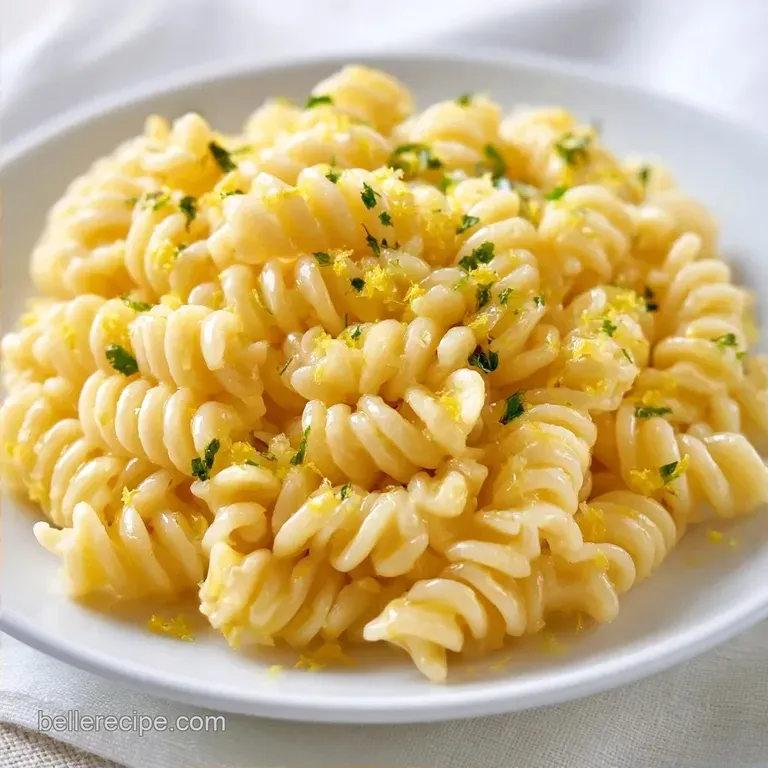
- Time: 10 min active + 10 min cook
- Flavor/Texture Hook: Zesty and refreshing with a bite of salty Parmesan
- Perfect for: Summer potlucks, light lunches, or beginner friendly meal prep
The smell of fresh basil and zesty lemon always takes me back to a tiny cafe I found in Sorrento. I remember the heat of the Italian sun on the cobblestones and the way the locals ate "pasta fredda" as a mid day break.
It wasn't fancy, but it was vibrant and focused on the quality of the oil and the ripeness of the herbs.
That trip changed how I look at pasta. I realized that pasta doesn't always need a heavy, bubbling sauce to feel satisfying. Sometimes, a cold dressing that tastes like a garden in peak July is all you need. It's about balance, not bulk.
In this Cold Lemon Pasta Recipe, we're aiming for that same brightness. You'll get a dish that feels light but stays filling, thanks to the rotini and the punchy Parmesan. It is a straightforward way to get those Mediterranean flavors on your table without spending hours in a hot kitchen.
Cold Lemon Pasta Recipe Specs
When you're putting this together, the timing is pretty tight. You'll spend about 10 minutes prepping your herbs and garlic, and another 10 minutes handling the pasta. The total time hits 25 minutes, which is faster than most takeout options.
The goal here is a dish that tastes fresh, not muted. Because the pasta is served cold, the flavors can sometimes dampen. We handle this by using a bit more zest and salt than you would in a hot dish to ensure the vibrancy stays front and center.
This recipe makes 8 servings, making it a solid choice for a group. If you're cooking for just yourself, you can easily halve the portions, but you'll likely want to keep the lemon juice levels high to maintain that signature tang.
Tips for Great Results
The most important thing is the pasta texture. You want "al dente," which means it still has a slight resistance when you bite into it. Since we rinse the pasta in cold water, it stops cooking instantly, but if you overcook it initially, it will turn mushy once the dressing hits.
I've learned the hard way that the order of operations matters for the sauce. If you dump everything in at once, the oil just floats on top. By whisking the oil into the lemon and garlic slowly, you create a unified coating that clings to the rotini spirals instead of pooling at the bottom of the bowl.
Chef's Note: Use a microplane for the lemon zest. It gives you those tiny, fluffy shards of zest that distribute evenly, whereas a box grater often digs too deep into the bitter white pith.
Ingredient Role Breakdown
Understanding why we use these specific items helps you make better swaps if you're missing something in the pantry.
Fast vs. Classic Approach
| Approach | Prep Style | Texture | Best For |
|---|---|---|---|
| Fast | Bottled juice / Pre grated cheese | More uniform, slightly flatter taste | Quick weeknight lunch |
| Classic | Fresh lemon / Hand grated Parm | Vibrant, textured, rich aroma | Dinner parties / Potlucks |
What Each Ingredient Does
| Ingredient | What It Does | Best Swap |
|---|---|---|
| Rotini Pasta | Traps sauce in the spirals | Fusilli or Farfalle |
| Extra Virgin Olive Oil | Provides the rich, fatty base | Avocado oil (neutral) |
| Lemon Juice & Zest | Adds acidity and aromatic punch | Lime juice (more tropical) |
| Parmesan Cheese | Adds salt and savory depth | Pecorino Romano (saltier) |
The lemon zest is where the real aromatic profile lives. While the juice provides the sourness, the zest contains the oils that make the dish smell like a fresh grove. Don't skip the zest, or you'll lose the soul of the dish.
Tools for the Job
You don't need a professional kitchen for this, but a few specific tools make it easier. A large pot is mandatory for the pasta so the rotini has room to move and doesn't stick together.
A whisk is your best friend here. You could use a fork, but a whisk helps you integrate the olive oil and lemon juice much faster, ensuring the dressing is smooth and glossy.
Finally, use a large mixing bowl. You need enough room to toss the pasta with the spinach and herbs without everything spilling over the edges. A stainless steel bowl is great because it stays cool, which helps keep the pasta chilled.
Step by step Process
The process is broken down into three phases: the pasta, the dressing, and the final assembly.
Phase 1: The Pasta Prep
- Bring a large pot of salted water to a rolling boil. Note: Use plenty of salt so the pasta is seasoned from the inside out.
- Add the rotini and cook until just al dente, which is usually one minute less than the box says.
- Drain the pasta and immediately rinse with cold water until the noodles are cool to the touch.
- Shake the colander vigorously to remove excess moisture. Note: If the pasta is too wet, the dressing will slide right off.
Phase 2: Blending the Sauce
- In your large bowl, combine the minced garlic, lemon juice, and lemon zest.
- Slowly drizzle in the olive oil while whisking vigorously. Wait until the mixture looks unified and thick.
- Stir in the 1/2 cup cold water, Parmesan cheese, salt, and pepper, whisking until the sauce is creamy.
Phase 3: The Final Toss
- Add the chilled pasta to the bowl with the dressing.
- Fold in the chopped parsley, basil, and baby spinach, tossing gently until every spiral is coated.
Fixing Common Pasta Issues
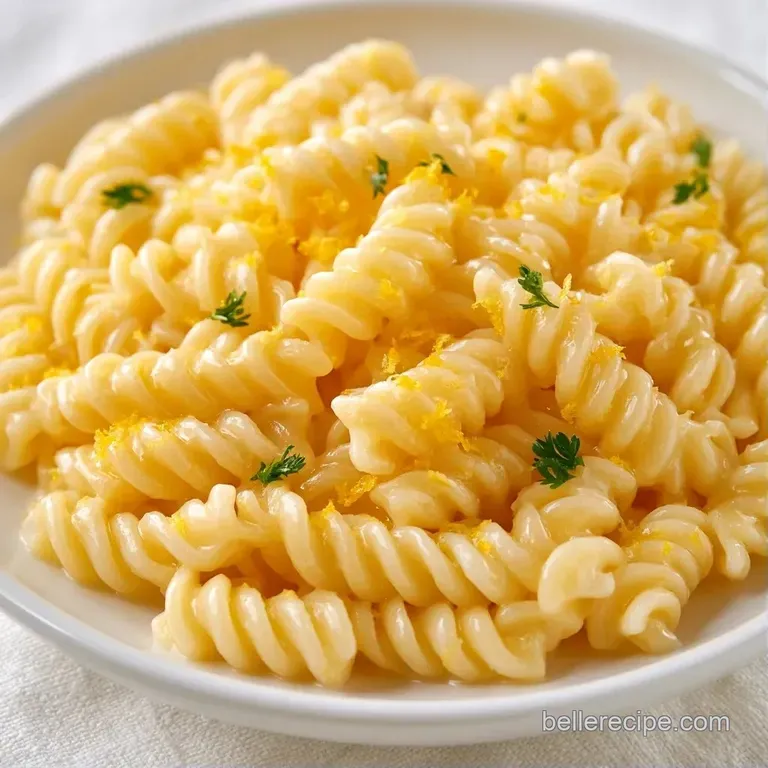
Even with a simple Cold Lemon Pasta Recipe, things can go sideways. Usually, it comes down to the moisture levels or the salt balance.
Troubleshooting Common Issues
| Issue | Solution |
|---|---|
| Why Your Pasta Is Dry | If the pasta feels dry or the dressing has disappeared, it's usually because the pasta absorbed the sauce while sitting. This happens more often with whole grain pastas. |
| Why Your Dressing Separated | If you see a layer of oil on top, the emulsion broke. This usually happens if the oil was poured in too quickly. |
| Why the Garlic Tastes Harsh | Raw garlic can sometimes be overpowering or "bitey." If this happens, a pinch of extra salt or a bit more lemon juice will help mellow out the sulfurous notes of the raw garlic. Quick Fix Table |
If you're looking for other ways to prep your lunches, my Italian pasta salad meal prep is another great option that stores well in the fridge.
Flavor and Mix Variations
One of the best things about a Cold Lemon Pasta Recipe is how easily it adapts to what you have in the fridge. You can keep it vegetarian or turn it into a full meal.
For a Cold Lemon Chicken Pasta Recipe
To make this a protein heavy meal, add 2 cups of grilled chicken breast, cubed. I recommend seasoning the chicken with oregano and lemon pepper before grilling to mirror the flavors in the pasta.
For a Mediterranean Twist
Add a handful of halved cherry tomatoes, sliced Kalamata olives, and crumbled feta cheese. This shifts the profile toward a Greek salad vibe while keeping the zesty lemon base.
For an Extra Crunch
Toss in 1/4 cup of toasted pine nuts or slivered almonds. The nuttiness contrasts with the acidity of the lemon and adds a layer of texture that makes the dish feel more substantial.
If you prefer something with a heavier base, you might enjoy a creamy pasta salad instead.
Scaling Your Batch
Adjusting this recipe is simple, but you can't always just double everything linearly, especially with the seasonings.
Scaling Down (Half Batch) When making a half portion, use a smaller pot to keep the water boiling quickly. Beat one egg if you're adding a binder (not applicable here), but for this recipe, just halve the oil and lemon.
I find that reducing the garlic to 1 large clove instead of 2 small ones keeps the flavor balanced.
Scaling Up (Double or Triple Batch) When doubling the Cold Lemon Pasta Recipe, increase the salt and pepper to only 1.5x the original amount. Over salting is easy when you're working with large volumes. Work in batches when rinsing the pasta to ensure every piece gets cold quickly.
Decision Shortcut If you want more zing, increase the lemon zest, not the juice. If you want a richer feel, swap the olive oil for a bit of homemade garlic butter melted slightly. If you want more greens, swap the spinach for arugula for a peppery kick.
Storage and Waste Tips
This dish is a dream for leftovers. Store it in an airtight container in the fridge for up to 4 days. I recommend keeping a little extra olive oil on hand to stir in before eating the next day, as the pasta will naturally soak up the dressing.
Do not freeze this recipe. The olive oil and lemon juice can separate, and the fresh spinach will turn into a soggy mess once thawed.
To avoid waste, don't throw away your lemon peels. If you have a lot left over, you can freeze the zest in a small container for future baking or use the peels to make a quick citrus infused cleaning vinegar.
The stems of the parsley and basil can be tossed into a freezer bag and used later to flavor a homemade vegetable broth.
How to Serve It
For the best experience, serve this Cold Lemon Pasta Recipe chilled, but not ice cold. Let it sit out of the fridge for about 10 minutes before serving so the aromatic oils in the basil and lemon can actually wake up.
It works beautifully as a standalone light lunch with a side of fresh fruit. For a dinner party, place it in a wide, shallow bowl and garnish with a few whole basil leaves and a sprinkle of fresh Parmesan on top.
If you're serving it at a potluck, keep it in a bowl nestled inside a larger bowl of ice. This keeps the spinach crisp and the dressing stable, ensuring the last person in line gets the same fresh experience as the first.
Recipe FAQs
What ingredients are needed for lemon parmesan pasta salad?
Rotini pasta, Parmesan cheese, olive oil, lemon juice, and zest. You will also need minced garlic, salt, black pepper, chopped parsley, basil, and baby spinach.
How to make this lemon parmesan pasta salad?
Boil rotini until al dente, rinse with cold water, and drain. Whisk garlic, lemon juice, and zest, then slowly drizzle in olive oil to emulsify. Stir in Parmesan, salt, and pepper before folding in the chilled pasta and greens.
How to make the pasta salad more flavorful?
Ensure the sauce is properly emulsified by whisking the oil in slowly. This creates a unified coating that clings to the rotini rather than pooling at the bottom. If you love this balance of acidity and creaminess, see how we use similar flavor balancing techniques in our Tzatziki sauce.
Why is my pasta salad dry?
Pasta naturally absorbs the dressing as it sits. To fix this, simply stir in a little extra olive oil before serving leftovers to restore the creamy texture.
Is it true that I can freeze this salad for later?
No, this is a common misconception. Freezing causes the olive oil and lemon juice to separate and turns the fresh baby spinach into a soggy mess once thawed.
How long does the salad stay fresh in the fridge?
Up to 4 days. Keep the salad in an airtight container to maintain the best quality and freshness.
Is it true that pasta for cold salads shouldn't be rinsed?
No, this is a common misconception. Rinsing the pasta with cold water immediately after draining stops the cooking process, which prevents the noodles from becoming mushy.
Cold Lemon Pasta Recipe