Lemon Loaf Cake with Sour Cream
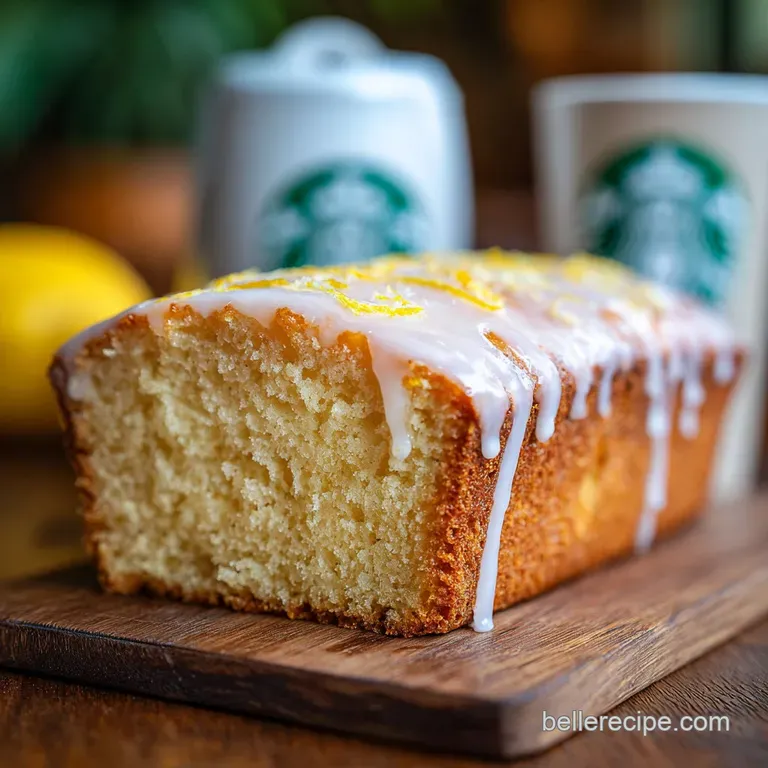
- Time: Active 15 minutes, Passive 50 minutes, Total 1 hours 5 mins
- Flavor/Texture Hook: Velvety crumb with a sharp, shattering citrus glaze
- Perfect for: Afternoon tea, neighborly gifts, or a comforting weekend brunch
- Baking the Brightest Homemade Lemon Loaf Cake Ever
- The Science of Citrus and Fat Harmony
- Component Analysis for the Best Citrus Loaf
- The Essential Shopping List for Your Loaf
- Minimal Tools for a Stress Free Bake
- Mastering the Step by Step Baking Process
- Simple Solutions for Perfect Loaf Results
- Adjusting for Different Flavors and Ingredients
- Smart Guidelines for Sizing Your Batch
- Myths About Baking Citrus Loaves
- Proper Storage and Reducing Kitchen Waste
- The Best Ways to Enjoy Your Slice
- Recipe FAQs
- 📝 Recipe Card
Baking the Brightest Homemade Lemon Loaf Cake Ever
There is something truly soul soothing about the sharp, clean hiss of a microplane running through a fresh lemon. I remember one drizzly Tuesday morning when the house felt a bit too quiet and gray. I reached for a bag of lemons, and within minutes, the kitchen was transformed by that bright, essential oil aroma.
It’s a sensory reset that shifts your mood before the oven even preheats. This Lemon Loaf Cake is my version of that sunshine a reliable, simple joy that I've baked more times than I can count.
We aren't looking for a dry, crumbly sponge here. We want a dense, velvety slice that holds its own against a cup of hot tea. I spent years trying to figure out why some loaves felt like sandpaper by day two, while others stayed moist.
It turns out, the secret isn't fancy equipment; it's the mindful way we treat the fats and the acids. This recipe is a warm hug in a tin, and I'm so happy to share these little tricks I’ve picked up along the way.
You don't need to be a professional pastry chef to get that iconic "Starbucks Copycat Lemon Loaf" look and feel. In fact, doing it at home allows us to use real ingredients like full fat sour cream and fresh squeezed juice, which makes a world of difference.
Trust me, once you see that shimmering glaze pour over the golden crown of your loaf, you’ll never look at a store-bought slice the same way again. Let's get into why this specific method is so dependable for busy home cooks.
The Science of Citrus and Fat Harmony
The Acid Base Lift: Baking soda reacts instantly with sour cream's lactic acid, creating carbon dioxide bubbles that ensure a soft, non dense crumb.
Oil for Moisture: While butter adds flavor, neutral oil stays liquid at room temperature, which keeps your cake feeling moist even after it cools.
Zest Infusion: Rubbing lemon zest into granulated sugar breaks the fruit's oil sacs, scenting the entire loaf more deeply than juice alone.
Gluten Control: Using sour cream provides a high fat to liquid ratio, which coats flour proteins and prevents them from forming tough gluten strands.
| Method | Time | Texture | Best For |
|---|---|---|---|
| One Bowl Fast | 55 mins | Slightly denser, rustic | Busy weekday mornings |
| Creamed Classic | 75 mins | Fluffy, airy, delicate | Special afternoon tea |
| Sour Cream Loaf | 65 mins | Velvety, moist, rich | This recipe's signature |
Selecting the right method depends on how much time you have, but I find the sour cream method gives us that professional "Copycat Lemon Loaf" density that we all crave. It bridges the gap between a pound cake and a muffin, giving you a slice that is substantial but never heavy. If you're in the mood for more warming spices after this, you'll love my Nans NeverFail How recipe.
Component Analysis for the Best Citrus Loaf
| Ingredient | Science Role | Pro Secret |
|---|---|---|
| Sour Cream | Provides acidity for leavening and rich milk fats for a tender crumb. | Always use full fat; the lower moisture content prevents the cake from getting soggy. |
| Neutral Oil | Ensures the loaf stays moist for 3-4 days by remaining liquid. | Use grapeseed or avocado oil for the cleanest flavor profile. |
| Lemon Extract | Boosts the "top notes" of citrus flavor that heat can sometimes dull. | A little goes a long way don't skip this if you want that bakery style punch. |
The magic of this Easy Starbucks Copycat Lemon Loaf lies in the synergy between the liquid fats and the dry ingredients. By using oil instead of butter, we guarantee a shelf life that butter based cakes just can't match. It’s all about creating an environment where the flour is hydrated but not overworked. This bright citrus profile reminds me of the zest used in my Classic French Crepes recipe.
The Essential Shopping List for Your Loaf
- 1.5 cups all purpose flour: The structural backbone. Why this? Provides enough protein for a sturdy loaf without being tough.
- 0.5 tsp baking powder & 0.5 tsp baking soda: The lifting team. Why this? They work together to handle the acidity of the sour cream.
- 0.5 tsp sea salt: The flavor enhancer. Why this? It balances the sweetness and makes the lemon "pop".
- 3 large eggs: The binder. Why this? Ensure they are room temperature for a smooth emulsion.
- 1 cup granulated sugar: The sweetener and tenderizer. Why this? Essential for that classic golden crust.
- 2 tbsp fresh lemon zest: The aromatic soul. Why this? Use Meyer lemons if you want a sweeter, floral scent.
- 1 cup full fat sour cream: The moisture bomb. Why this? Creates the Starbucks Lemon Loaf with Sour Cream texture.
- 0.5 cup neutral oil: The secret to a long shelf life. Why this? Keeps the crumb tender even when refrigerated.
- 2 tbsp freshly squeezed lemon juice: The acidity source. Why this? Fresh is always better than the bottled stuff.
- 1 tsp pure lemon extract: The flavor booster. Why this? Concentrates the citrus notes during the bake.
- 1 tsp vanilla extract: The background warmth. Why this? Rounds out the sharp edges of the lemon.
- 1 cup confectioners' sugar (for glaze): The topping. Why this? Dissolves into a smooth, opaque finish.
- 2 tbsp heavy cream & 1 tbsp lemon juice (for glaze): The liquid base. Why this? The cream adds a beautiful richness to the icing.
Minimal Tools for a Stress Free Bake
You don't need a massive stand mixer for this one. In fact, I prefer doing it by hand to avoid overmixing the batter. Grab a large mixing bowl, a sturdy whisk, and a 9x5 inch loaf pan. A microplane is your best friend for zesting just remember to stop when you hit the white pith, as that part is bitter.
If you don't have parchment paper, you can grease the pan with oil and a dusting of flour, but parchment makes it so much easier to lift the cake out. This "minimal tools" approach is what makes this Lemon Loaf Cake so approachable for busy weeknights or lazy Sunday mornings.
Mastering the step-by-step Baking Process

- Preheat and Prep. Set your oven to 350°F (175°C) and line your 9x5 loaf pan with parchment paper. Note: Leave an overhang on the sides for easy removal.
- Scent the Sugar. Rub the 2 tbsp lemon zest into the 1 cup granulated sugar with your fingertips. Continue until the sugar is fragrant and moist.
- Whisk the Wet. In a large bowl, beat the 3 eggs with the lemon sugar until pale and slightly bubbly.
- Emulsify. Slowly whisk in the 0.5 cup neutral oil, 1 cup sour cream, 2 tbsp lemon juice, and extracts. Note: Whisk until no oil streaks remain.
- Fold the Dry. Sift together the 1.5 cups flour, baking powder, baking soda, and sea salt directly into the wet ingredients.
- Mix Gently. Use a spatula to fold the batter until just combined and no large flour pockets are visible.
- Bake. Pour the velvety batter into the pan and bake for 50 minutes. Wait for a toothpick to come out clean or with a few moist crumbs.
- The Cooling Phase. Let the loaf rest in the pan for 15 minutes before lifting it onto a wire rack. Note: Cooling completely prevents the glaze from melting off.
- Glaze. Whisk the confectioners' sugar, cream, and juice until it reaches a thick, pourable consistency.
- Final Touch. Pour the glaze over the cooled loaf and let it set for 20 minutes before slicing.
Chef's Tip: To get a perfectly centered crack on your loaf, dip a knife in melted butter and draw a line down the middle of the batter before putting it in the oven.
Simple Solutions for Perfect Loaf Results
Why Your Cake Sunk in the Middle
It’s heartbreaking to pull a beautiful loaf out only to watch the center collapse. Usually, this happens if the oven door was opened too early, causing a temperature drop before the structure set. It can also be a sign of too much leavening agent; always measure your baking powder and soda precisely.
| Problem | Root Cause | Solution |
|---|---|---|
| Gummy Bottom | Underbaked or too much liquid | Bake until the internal temp reaches 200°F |
| Dense Crumb | Overmixing the batter | Stop mixing as soon as flour disappears |
| Glaze Disappears | Loaf was too hot | Wait until the cake is cool to the touch |
Common Mistakes Checklist
- ✓ Ensure eggs and sour cream are at room temperature to prevent the batter from curdling.
- ✓ Don't over zest; stop before you reach the bitter white pith of the lemon.
- ✓ Always sift your confectioners' sugar for the glaze to avoid tiny white lumps.
- ✓ Measure flour by spooning it into the cup and leveling it off, rather than scooping directly.
- ✓ Check your baking powder's expiration date lemon cakes need that active lift!
Adjusting for Different Flavors and Ingredients
If you want to swap things around, this recipe is quite forgiving as long as you maintain the fat ratios. For a "Lite" version, you can use Greek yogurt instead of sour cream, though the crumb will be slightly tangier and a bit more rustic.
| Original Ingredient | Substitute | Why It Works |
|---|---|---|
| Sour Cream (1 cup) | Greek Yogurt (Full fat, 1 cup) | Similar acidity level. Note: Result is slightly more tart. |
| All Purpose Flour | Almond Flour (0.5 cup swap) | Adds a nutty richness. Note: Loaf will be denser and moister. |
| Neutral Oil | Melted Butter (0.5 cup) | Increases flavor. Note: Cake will be firmer when cold. |
If you are looking for a Starbucks Lemon Loaf gluten-free version, use a high-quality 1:1 gluten-free flour blend that contains xanthan gum. The sour cream in this recipe is a lifesaver for gluten-free baking because it provides the moisture that those flours often lack.
- For a Poppy Seed Twist
- Add 2 tablespoons of blue poppy seeds to the dry ingredients for a delightful crunch.
- For Extra Tartness
- Double the lemon extract and add a "soak" of lemon juice and sugar while the cake is still warm.
- For a Berry Burst
- Toss 1 cup of fresh blueberries in a teaspoon of flour and fold them into the batter last.
Smart Guidelines for Sizing Your Batch
When scaling down for a mini loaf, use two smaller tins and check for doneness at 30 minutes. If you want to double the recipe, it’s best to bake two separate loaves rather than one giant one, as the center of a double batch loaf often struggles to cook through before the edges burn.
- Precision Checkpoint 1: Internal temperature should hit 195°F-205°F for a fully set crumb.
- Precision Checkpoint 2: Zest weight should be approximately 12 grams for the most balanced flavor.
- Precision Checkpoint 3: The glaze should coat the back of a spoon without immediately dripping off.
Myths About Baking Citrus Loaves
One common myth is that more lemon juice equals more flavor. In reality, adding too much juice can throw off the liquid balance and make the cake gummy. The real "lemon ness" comes from the zest and the extract, which carry the concentrated oils.
Another misconception is that you must use a stand mixer; a simple whisk actually helps prevent over aerating the batter, leading to a tighter, more professional crumb.
Proper Storage and Reducing Kitchen Waste
Storage Guidelines: Keep your Lemon Loaf Cake in an airtight container at room temperature for up to 3 days. For longer storage, it stays beautifully moist in the fridge for up to a week. To freeze, wrap the unglazed loaf tightly in plastic wrap and then foil; it will last for 3 months.
Thaw it overnight in the fridge before glazing and serving.
Zero Waste Tip: Don't throw away those squeezed lemon halves! Toss them into a jar of white vinegar to create a natural, citrus scented cleaner, or use them to scrub your wooden cutting boards with a bit of coarse salt.
You can also candy the extra zest if you have more than the recipe requires, making a beautiful garnish for your next bake.
The Best Ways to Enjoy Your Slice
This loaf is a star on its own, but I love serving a thick slice alongside a dollop of lightly sweetened whipped cream or even a spoonful of blueberry compote. If you're feeling fancy, a side of fresh raspberries provides a beautiful color contrast and a fresh tartness that complements the rich glaze.
It's truly the ultimate "Homemade Starbucks Lemon Loaf" experience right in your own kitchen. Let me know how yours turns out I bet it smells incredible already!

Recipe FAQs
What is the crucial step for intense lemon flavor in the batter?
Rub the lemon zest directly into the granulated sugar first. This action breaks the oil sacs in the zest, releasing the potent aromatic oils directly into the sugar crystals before mixing the wet ingredients.
Why does my loaf cake sink immediately after removing it from the oven?
No, opening the oven door too early is the most common cause. The structural proteins have not fully set, and the sudden drop in temperature causes the trapped steam to collapse the center.
How do I ensure the cake stays moist for several days instead of drying out?
Use a neutral flavored oil instead of all butter for the fat component. Oil remains liquid at room temperature, which keeps the crumb feeling softer and more velvety for longer.
Is it better to use fresh lemon juice or bottled for the glaze?
Yes, always opt for fresh juice for the best result. Fresh juice provides a brighter, cleaner tartness, whereas bottled juice often carries a muted or slightly metallic flavor profile.
How do I fix a crumbly texture when slicing the fully cooled loaf?
Gently fold the dry ingredients in at the very end until just combined. Overmixing develops gluten, creating tough strands; mastering this gentle incorporation technique is key, similar to how you handle dough when making Memphis BBQ Sauce recipe where you avoid emulsifying too much air.
When should I glaze the lemon loaf for the best finish?
Wait until the loaf is completely cool to the touch before glazing. If the loaf is warm, the glaze will melt and simply soak into the cake, leaving you with a sticky, translucent surface rather than a bright white shell.
Can I substitute the sour cream with another ingredient?
Yes, you can substitute with full fat Greek yogurt, but the texture will change slightly. The yogurt is often tangier and slightly lower in fat, resulting in a crumb that is a bit more rustic than the traditional velvet texture.
Copycat Lemon Loaf Cake

Ingredients:
Instructions:
Nutrition Facts:
| Calories | 368 kcal |
|---|---|
| Protein | 4.5 g |
| Fat | 17.9 g |
| Carbs | 48.2 g |
| Fiber | 0.6 g |
| Sugar | 33.1 g |
| Sodium | 184 mg |
