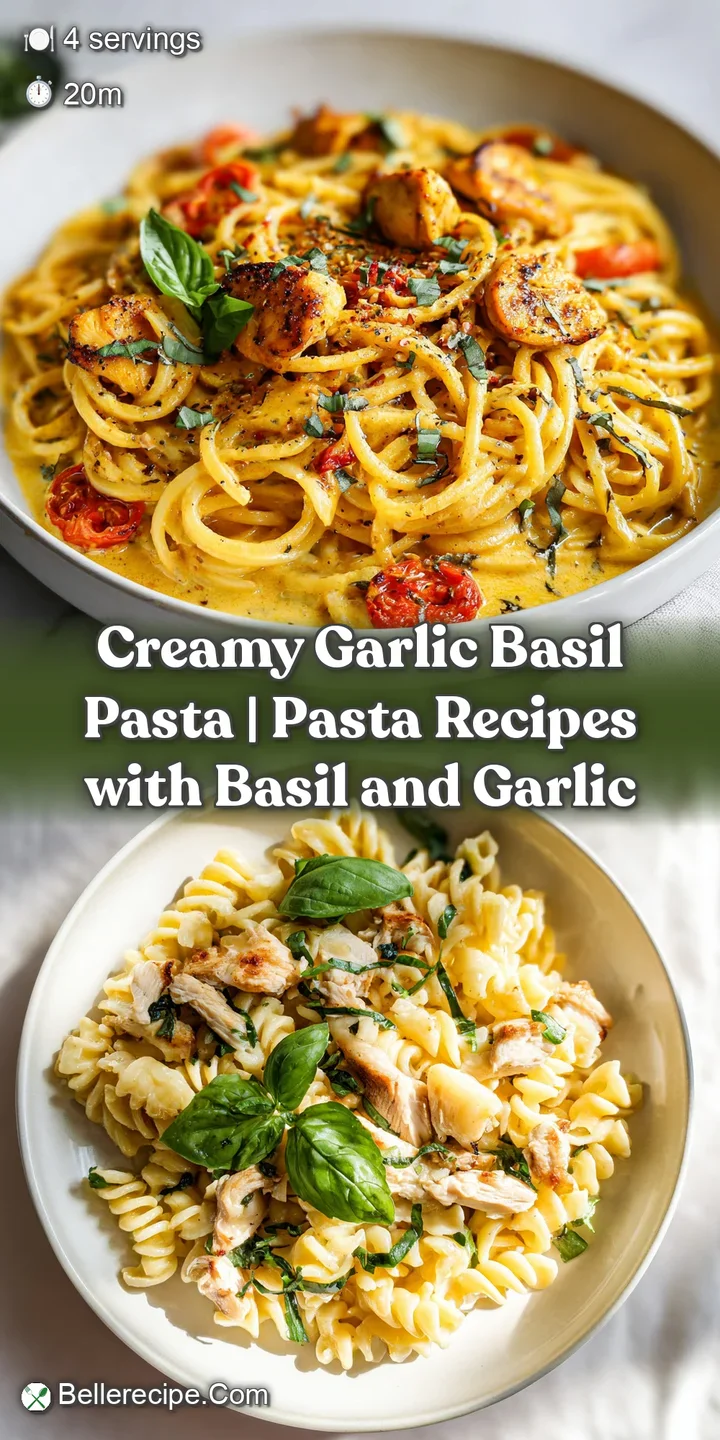
Creamy Garlic Basil Pasta with Chicken
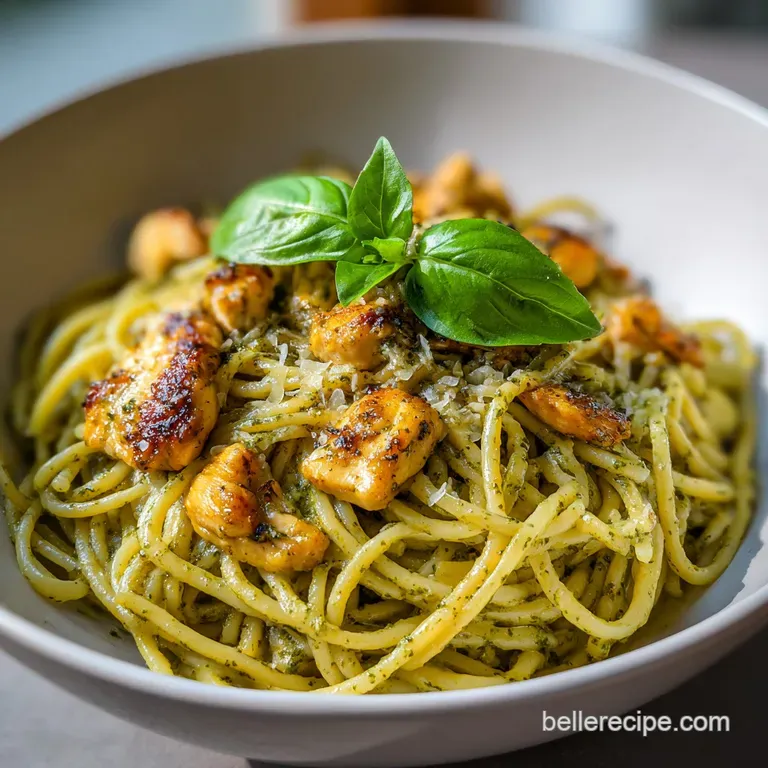
- Time: Active 10 minutes, Passive 10 minutes, Total 20 minutes
- Flavor/Texture Hook: Silky cream sauce with a shatter crisp chicken crust
- Perfect for: High impact weeknight dinners or showing off at a casual dinner party
- Vibrant Aromatic Recipe with Basil and Garlic
- The Secret To That Silky Gloss
- Essential Recipe Specs and Times
- Authentic Ingredients and Smart Substitution Options
- Professional Skillet and Kitchen Tools
- Step-by-Step Cooking Instruction Guide
- Pro Techniques and Success Tips
- Healthy and Dietary Recipe Changes
- Scaling for Large or Small Batches
- Storing and Reheating Your Leftovers
- Perfect Sides and Complementary Dishes
- Kitchen Myths Debunked
- Very High in Sodium
- Recipe FAQs
- 📝 Recipe Card
Vibrant Aromatic Recipe with Basil and Garlic
In many Italian coastal towns, the simplest ingredients are treated with a reverence usually reserved for fine art. There is a specific cultural tradition surrounding the "profumo di cucina" the scent of the kitchen where the daily ritual of bruising fresh herbs and gently warming olive oil signals to the neighborhood that dinner is coming.
This specific recipe draws from that heritage, focusing on the vibrant interplay between two pillars of the Mediterranean pantry. It isn't just about throwing things in a pan; it's about the authentic technique of layering flavors so they sing rather than muddle.
When you walk into a kitchen where a Recipe with Basil and Garlic is being prepared, the air is thick with a rich, heady perfume. It starts with the sharp, almost spicy bite of sliced garlic hitting warm butter, quickly followed by the floral, anise like notes of basil being sliced.
It's a sensory experience that tells your brain exactly what to expect: comfort, depth, and a touch of elegance. We aren't looking for a heavy, gloopy mess here. We want a sauce that behaves like a silk ribbon, wrapping around the pasta and the golden chicken strips with expert precision.
This dish represents the bridge between a quick weeknight fix and a chef level meal. Most people treat basil as an afterthought or a garnish, but here, it’s a core structural element.
By the time you finish this, you'll understand why the order of operations matters why we sear the chicken first and why the pasta water is your best friend in the kitchen.
It’s about more than just eating; it’s about the joy of creating something that tastes like it took hours, even though it only took 20 minutes from start to finish.
The Secret To That Silky Gloss
Emulsion Science: The starchy pasta water contains loosened flour molecules that act as a bridge, allowing the heavy cream and butter fats to bond with the liquid instead of separating.
Maillard Mastery: Searing the chicken at high heat creates a mahogany crust (the fond), which is then dissolved by the cream to provide a deep, savory foundation for the sauce.
Volatile Oils: Basil contains delicate oils that evaporate quickly under high heat, so we fold it in at the very end to keep the flavor bright and the color a vibrant green.
Garlic Infusion: Thinly slicing rather than mincing garlic allows the flavor to permeate the butter gently without the risk of tiny bits burning and turning the sauce bitter.
| Cook Method | Time | Texture Result | Best For |
|---|---|---|---|
| Stovetop Skillet | 10 minutes | Crispy chicken and glossy, emulsified sauce | Maximum flavor and authentic texture |
| Oven Bake | 25 minutes | Softer chicken and a thicker, more "casserole" style finish | Hands off cooking for large groups |
If you want the most authentic experience, the stovetop method is non negotiable because it allows you to control the "fond" those little browned bits of chicken left in the pan that give the sauce its rich, golden hue.
The oven version is fine for a crowd, but you lose that specific "shatter" on the chicken crust that makes this dish so memorable.
Essential Recipe Specs and Times
| Ingredient | Science Role | Pro Secret |
|---|---|---|
| Garlic | Primary Aromatic | Slice it thin like paper to avoid "garlic breath" and ensure even infusion. |
| Heavy Cream | Fat Structure | Use full fat only; the high fat content prevents the sauce from curdling when it hits the heat. |
| Pasta Water | Emulsifier | Never toss it! This "liquid gold" is what turns a greasy pan into a velvety sauce. |
| Parmigiano | Salt & Binding | Use freshly grated only; pre shredded cheese is coated in cellulose which prevents a smooth melt. |
The key to mastering this Recipe with Basil and Garlic is understanding that every component has a job to do. The chicken isn't just protein; its seared surface provides the savory base. The garlic isn't just flavor; its sugars caramelize to sweeten the cream.
This is a dish of balance where the "rich" elements are constantly being checked by the "sharp" and "fresh" ones.
Authentic Ingredients and Smart Substitution Options
To get that vibrant, authentic flavor, you need to start with the right building blocks. We use fettuccine because its wide surface area is specifically designed to carry heavier cream sauces, unlike thinner strands like angel hair which can get weighed down and clump together.
- 1.5 lbs chicken breast: Sliced into 1/2 inch strips. Why this? Strips cook quickly and provide more surface area for that delicious golden sear.
- Substitute: Chicken thighs (boneless) for a juicier, more forgiving meat.
- 12 oz fettuccine pasta: The backbone of the dish. Why this? The flat shape is the traditional partner for rich, dairy based emulsions.
- Substitute: Pappardelle or even penne if you prefer a "grabby" shape for the sauce.
- 4 cloves garlic: Thinly sliced. Why this? Slicing provides a mellow, sweet garlic flavor rather than the harshness of mincing.
- Substitute: Shallots for a more delicate, onion forward sweetness.
- 1 cup heavy cream: Provides the luxurious body. Why this? It stands up to simmering without breaking, unlike half and half.
- Substitute:Homemade Crème Fraîche for a tangier, thicker finish.
- 1 cup fresh basil leaves: Chiffonade cut. Why this? Freshness is non negotiable here; dried basil will taste like hay in this specific context.
- Substitute: Fresh parsley and a squeeze of lemon if basil isn't available.
- 1/2 cup Parmigiano Reggiano: Freshly grated. Why this? It provides the "umami" saltiness that seasons the entire sauce.
- Substitute: Pecorino Romano for a sharper, saltier kick.
Professional Skillet and Kitchen Tools
You don't need a professional kitchen to make this, but having a heavy bottomed skillet is the difference between a golden sear and a grey, steamed mess. A 12 inch stainless steel or cast iron skillet is the best choice because it retains heat effectively when the cold chicken hits the pan.
If you use a thin non stick pan, the temperature will drop too quickly, and you'll lose that "mahogany" crust we're aiming for.
A good set of tongs is also essential. You’ll use them to flip the chicken precisely and later to drag the pasta from the pot into the skillet. This "pot to pan" transfer is a secret trick I learned years ago it ensures that just enough starchy water hitches a ride to help build the Garlic Parmesan Cream Sauce directly on the noodles. Finally, a sharp chef's knife is your best friend for the basil; a dull blade will bruise the leaves, turning them black and making them taste bitter.
step-by-step Cooking Instruction Guide
- Pat 1.5 lbs chicken strips completely dry using paper towels. Note: Surface moisture is the enemy of a good sear.
- Season the chicken aggressively with 1 tsp kosher salt and 1/2 tsp cracked black pepper.
- Heat 1 tbsp neutral oil in a 12 inch heavy skillet over medium high heat until the oil shimmers.
- Sear the chicken in a single layer for about 3 minutes per side until a mahogany colored crust forms and it releases easily from the pan. Remove and set aside.
- Boil 12 oz fettuccine in a separate pot of heavily salted water until just before al dente.
- Reduce the skillet heat to medium low and add 2 tbsp unsalted butter and 4 cloves of thinly sliced garlic. Sauté gently until the garlic is translucent and smells like heaven.
- Stir in 1/4 tsp red pepper flakes, then pour in 1 cup heavy cream.
- Scrape the bottom of the pan with a wooden spoon to release the chicken fond, simmering for 2 minutes until the sauce looks thick enough to coat a spoon.
- Use tongs to transfer the pasta directly into the cream sauce, then add 1/2 cup Parmigiano Reggiano and toss vigorously.
- Fold in the seared chicken and 1 cup of fresh basil chiffonade, serving immediately while the sauce is glossy and steaming.
Pro Techniques and Success Tips
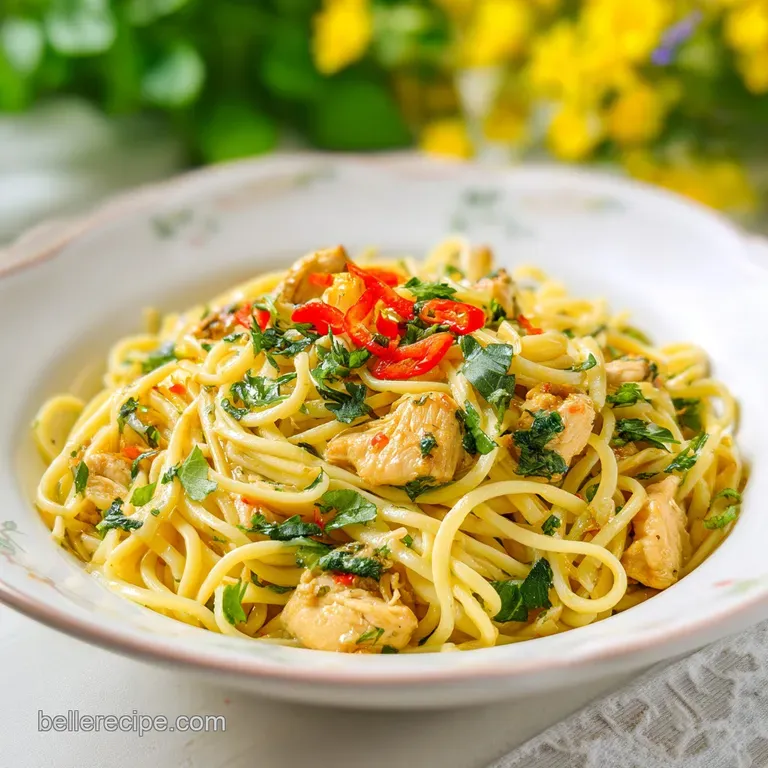
The most common hurdle with a cream based Recipe with Basil and Garlic is the sauce "breaking" or becoming oily. This happens when the heat is too high after the cheese is added, causing the fats to separate from the proteins. Always remember: cheese is a finishing touch, not a cooking ingredient.
Turn the heat down or even off before the Parmigiano goes in.
Creating a Glossy Finish
The "toss" is more important than you think. When you move the pasta around in the skillet with the cheese and cream, you are physically forcing an emulsion to happen. It’s exactly like making a vinaigrette. If you just let it sit, it will be dull.
If you toss it with energy, it will become reflective and "silky."
Perfecting the Chicken Sear
Don't crowd the pan. If you put too much chicken in at once, the temperature of the oil drops, and the chicken starts to boil in its own juices. Work in two batches if your skillet is smaller than 12 inches. You want that "shatter" when you bite into the chicken strip, which only comes from a over high heat, dry sear.
Preserving Basil Aroma
Basil is incredibly sensitive. If you chop it too early, the edges will oxidize and turn brown. I always wait until the pasta is actually in the pan before I roll the leaves into a "cigar" and slice them into thin ribbons (chiffonade). This keeps the aroma vibrant and the color a bright, electric green.
| Problem | Root Cause | Solution |
|---|---|---|
| Sauce is clumpy | Cheese added to boiling liquid | Remove from heat before stirring in Parmigiano. |
| Chicken is rubbery | Overcooked or steamed | Dry meat thoroughly and sear fast over high heat. |
| Sauce is too thin | Not enough reduction | Simmer the cream for 1-2 extra minutes before adding pasta. |
Common Mistakes Checklist
- ✓ Never rinse your pasta; you need that starch to make the sauce cling.
- ✓ Don't use "shaky can" Parmesan; the additives will make your sauce grainy.
- ✓ Avoid high heat once the dairy is in the pan to prevent curdling.
- ✓ Always save at least a cup of pasta water before draining, just in case.
- ✓ Slice the garlic, don't press it; pressed garlic burns too fast in butter.
Healthy and Dietary Recipe Changes
If you're looking to lighten this up without losing the essence of the Recipe with Basil and Garlic, you have options. While the cream is central to the traditional texture, you can achieve a similar "coating" effect using a mix of chicken broth and a smaller amount of light cream thickened with a teaspoon of cornstarch.
It won't be as rich, but the basil and garlic will shine even brighter.
For a gluten-free version, swap the fettuccine for a high-quality brown rice or chickpea based pasta. Just be careful with the pasta water gluten-free pasta water can sometimes be too starchy and gummy, so use it sparingly.
If you want to go plant based, use a full fat coconut milk (the kind in the can) instead of heavy cream. The basil and garlic are strong enough to mask most of the coconut flavor, leaving you with a surprisingly authentic, velvety result.
Scaling for Large or Small Batches
When making this for a solo dinner, simply halve everything. Use a smaller skillet so the cream doesn't evaporate too quickly. Since you can't easily use "half an egg" in some recipes, here it's easy just use a smaller splash of cream.
For a big family gathering (doubling the recipe), you need to be careful with the aromatics. Don't just double the red pepper flakes; they can become overwhelming. Start with 1.5x the spices and taste as you go. You'll definitely need to sear the chicken in at least three batches to keep that crispy texture.
Also, when cooking that much pasta, the sauce can dry out faster, so keep an extra 2 cups of pasta water on standby to loosen everything up before serving.
Storing and Reheating Your Leftovers
This dish is best served immediately, but if you have leftovers, they’ll keep in the fridge for up to 3 days. The sauce will thicken significantly as it cools because the fats solidify. To reheat, don't use the microwave if you can avoid it it will turn the chicken rubbery and make the sauce oily.
Instead, put the pasta back in a skillet with a splash of milk or water over medium low heat. Toss it gently until it "loosens" back into a silky state.
I don't recommend freezing this specific recipe. Dairy based sauces often "split" when frozen and thawed, resulting in a grainy texture that loses all the vibrancy we worked so hard for.
Instead, use any leftover chicken or sauce as a "zero waste" win by tossing them into a frittata the next morning or using the basil stems to infuse a simple olive oil for future cooking.
Perfect Sides and Complementary Dishes
To balance the richness of the cream and the intensity of the garlic, you want something with a bit of acid. A simple arugula salad with a lemon shallot vinaigrette is the perfect "reset" for your palate between bites of pasta.
The peppery bite of the arugula mimics the spicy notes in the basil, creating a cohesive meal.
- Pairing with Acid: A crisp Pinot Grigio or a Vermentino cuts through the heavy cream beautifully.
- The Ultimate Bread Side: A crusty baguette, toasted with just a hint of butter, is mandatory for swiping up the extra sauce at the bottom of the bowl.
- Veggie Boost: Sautéed broccoli rabe or asparagus adds a bitter contrast that makes the sweet cream taste even more luxurious.
Kitchen Myths Debunked
One common misconception is that you should add oil to your pasta water to keep the noodles from sticking. This is a mistake! The oil creates a slick coating on the pasta that prevents the sauce from adhering.
If you want the sauce to truly "grip" the fettuccine, skip the oil and just stir the pasta for the first minute of boiling.
Another myth is that you must mince garlic to get the most flavor. In reality, the more you break down the cell walls of garlic, the more "sulfury" and harsh it becomes. Thinly slicing the garlic, as we do here, allows the flavor to infuse the fat gently, resulting in a sweet, aromatic base that complements the cream rather than fighting it.
Finally, don't believe that "al dente" is just a suggestion; for this recipe, it's a requirement. The pasta finishes cooking in the sauce, so if it's already soft when it leaves the water, it will turn to mush in the skillet.
Very High in Sodium
865 mg of sodium per serving (38% of daily value)
The American Heart Association recommends limiting sodium intake to no more than 2,300mg per day, with an ideal limit of 1,500mg for most adults.
Tips to Reduce Sodium
-
Reduce Added Salt-25%
Omit the 1 tsp of kosher salt entirely. You can achieve significant flavor without it by relying on other ingredients and seasonings. This is the most impactful change you can make.
-
Lower the Parmesan-15%
Significantly reduce the Parmigiano Reggiano to 1/4 cup. While flavorful, cheese is a concentrated source of sodium. This adjustment will still provide some cheesy goodness.
-
Boost Spices and Herbs
Focus on fresh basil and cracked black pepper. Consider adding other low-sodium flavor boosters like garlic powder, onion powder, or a pinch of smoked paprika to enhance taste without salt.
-
Use Fresh Aromatics
Ensure you are using fresh garlic. If you were planning to use pre-minced garlic in a jar, switch to fresh as jarred varieties can sometimes contain added sodium for preservation.
-
Unsalted Butter is Key
Continue to use unsalted butter. If you accidentally used salted butter, it would contribute additional sodium, so sticking with unsalted is crucial.
Recipe FAQs
Is it true I should press the garlic to get more flavor?
No, this is a common misconception. You should slice the garlic instead, as pressed garlic burns too quickly in the butter and ruins the delicate flavor profile.
How to achieve the perfect crust on the chicken?
Pat the chicken strips completely dry with paper towels before seasoning. Moisture is the enemy of a sear, so keeping the pan at medium high heat ensures you get that mahogany color without steaming the meat.
Can I rinse the fettuccine after boiling it?
No, never rinse your pasta. You need the residual starch on the noodles to help the heavy cream and Parmigiano Reggiano bind together into a cohesive sauce.
How to keep the cream sauce from curdling?
Reduce the skillet heat to medium low once the cream is added. Maintaining gentle, consistent heat prevents the dairy from splitting, a technique we also refine in our creamy white sauce for professional results.
How to revive leftovers without making the sauce oily?
Reheat in a skillet over medium low heat with a splash of water. Avoid the microwave, which turns the chicken rubbery and forces the fats in the dairy sauce to separate.
Is it possible to freeze this dish for later?
No, freezing is not recommended. Dairy based sauces tend to split or break once they have been frozen and thawed, resulting in a grainy texture.
How to ensure the sauce clings properly to the pasta?
Transfer the pasta directly from the boiling water into the skillet using tongs. The small amount of starchy water that carries over acts as an emulsifier to create a silky, perfectly coated final dish.
Creamy Garlic Basil Pasta
Ingredients:
Instructions:
Nutrition Facts:
| Calories | 948 kcal |
|---|---|
| Protein | 67.8 g |
| Fat | 43.2 g |
| Carbs | 66.4 g |
| Fiber | 3.2 g |
| Sugar | 2.8 g |
| Sodium | 865 mg |
