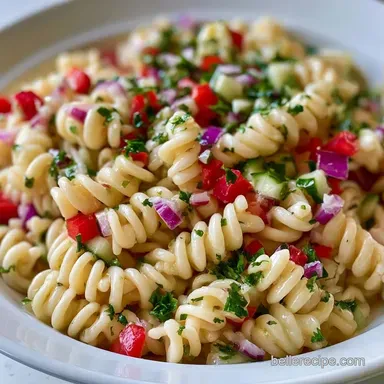
Bright Dijon Vinaigrette Pasta Salad
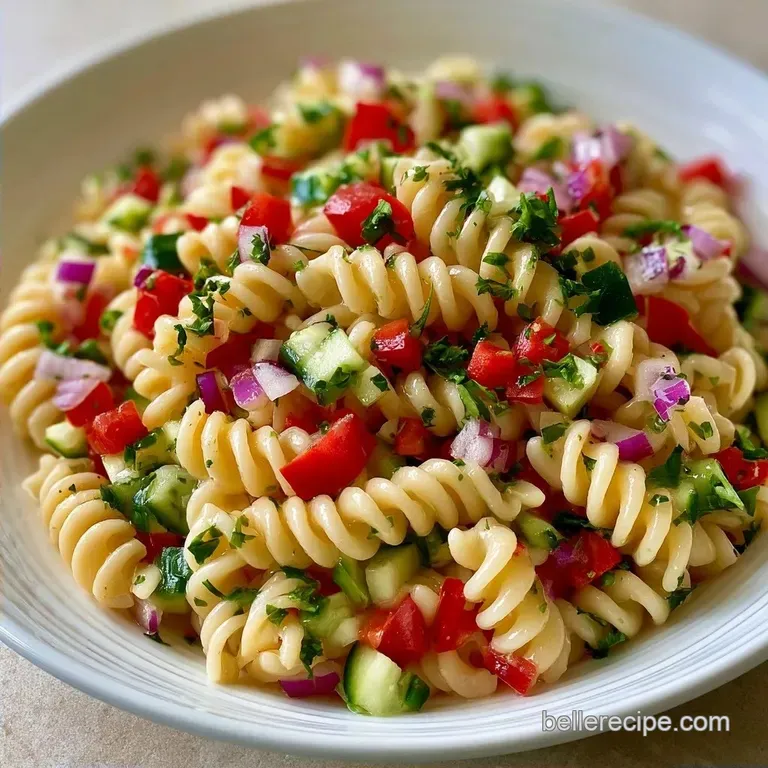
- Time: 15 min active + 10 min cook
- Flavor/Texture Hook: Tangy, bright, and crisp
- Perfect for: Summer potlucks, meal prep, or a light lunch
- Easy Dijon Vinaigrette Pasta Salad
- The Recipe Specs
- What Each Ingredient Does
- Needed Kitchen Tools
- The Cooking Process
- The Texture Trick
- Fixing Common Problems
- Troubleshooting Common Issues
- Scaling Your Batch
- Flavor Twists
- Best Pairing Ideas
- Storing Your Salad
- Kitchen Myths
- High in Sodium
- Recipe FAQs
- 📝 Recipe Card
Ever wondered why some pasta salads feel like a heavy chore to eat while others feel like a bright, sunny afternoon? I used to think all cold pasta dishes were just "filler" for a plate, until I stopped using creamy dressings and started leaning into the zing of French mustard.
The first time I brought this to a neighborhood gathering, it disappeared in twenty minutes. People kept asking why it didn't taste "flat" like the usual options. It comes down to that sharp contrast between the saltiness of feta, the sweetness of honey, and the bite of the vinaigrette.
You can expect a dish that hits every note. It is crisp from the English cucumbers, slightly pungent from the red onion, and has a glossy finish that clings to the rotini. This Dijon Vinaigrette Pasta Salad doesn't just sit there; it wakes up your palate.
Easy Dijon Vinaigrette Pasta Salad
The magic here is in the tension between flavors. You have the rich, earthy olive oil playing against the sharp apple cider vinegar. Then the honey steps in to smooth things over, and the Dijon mustard acts as the glue that holds it all together.
I've found that the most common pitfall is adding the dressing to hot pasta. If you do that, the noodles soak up the liquid like a sponge, leaving you with a dry salad. By cooling the pasta first, we ensure the dressing stays on the surface for that glossy, high contrast look.
If you're looking for something different, you might enjoy a Classic Italian Pasta Salad, but this version focuses more on that French inspired tang. It's a lighter approach that feels more mindful and refreshing.
The Recipe Specs
Before we jump in, let's look at the timing. You'll spend about 15 minutes chopping and mixing, and 10 minutes at the stove. The total time is 35 minutes, but that includes a short resting period for the pasta to absorb the first layer of flavor.
The yield is 6 servings, which is usually enough to fill a decent sized serving bowl. Since we're using rotini, the spirals act as little traps for the dressing and the finely minced onion.
If you want a different vibe, here is a quick decision shortcut: If you want more crunch, double the bell peppers. If you want it tangier, add an extra teaspoon of apple cider vinegar. If you want a richer taste, swap the feta for goat cheese.
What Each Ingredient Does
Understanding why we use these specific items helps when you start tweaking the recipe. It's not just about a list; it's about how they interact.
| Ingredient | What It Does | Best Swap |
|---|---|---|
| Rotini Pasta | Holds dressing in the spirals | Fusilli or Farfalle |
| Dijon Mustard | Emulsifies oil and acid | Whole grain mustard |
| Apple Cider Vinegar | Provides a fruity, sharp tang | White wine vinegar |
| Feta Cheese | Adds salty, creamy contrast | Goat cheese or Halloumi |
| Honey | Balances the acid of the vinegar | Maple syrup |
The honey is especially important. Without it, the Dijon Vinaigrette Pasta Salad can feel too aggressive. A small amount of sweetness rounds off the edges, making the whole dish feel more comforting and shared.
Needed Kitchen Tools
You don't need anything fancy for this. A large pot for the pasta, a colander for draining, and a large mixing bowl are the basics.
For the dressing, I highly recommend a mason jar. Shaking the vinaigrette in a jar is much faster than whisking, and it creates a more stable emulsion. If you don't have a jar, a small bowl and a whisk will work just fine.
A sharp chef's knife is key here. Since we want the red onion and bell peppers to be finely diced, a dull knife will just crush the vegetables instead of cutting them.
The Cooking Process
Right then, let's get into the actual making. Follow these steps to keep the textures distinct and the flavors bright.
Phase 1: The Starch Lock Pasta Prep
- Bring a large pot of salted water to a rolling boil.
- Add the 1 lb of Rotini or Fusilli and cook until al dente. Note: Pull them 1 minute before the package says to prevent mushiness.
- Drain the pasta and immediately rinse under cold running water for 30 seconds. Wait until the pasta feels cool to the touch. This removes the surface starch so the noodles don't stick together.
- Place the cooled pasta in a large mixing bowl.
Phase 2: Emulsifying the Vinaigrette
- In a mason jar or small bowl, combine 2 tbsp Dijon mustard, 3 tbsp apple cider vinegar, 1 tbsp honey, 1 minced garlic clove, 1/2 tsp salt, and 1/4 tsp black pepper.
- Shake or whisk the mixture until it looks smooth and glossy.
- Slowly stream in 1/2 cup extra virgin olive oil while whisking constantly. Continue until the dressing thickens and doesn't separate.
Phase 3: The Two Stage Toss
- Pour half of the vinaigrette over the cooled pasta. Mix well and let it sit for 10 minutes. Note: This allows the pasta to absorb a base layer of flavor.
- Add 1 cup diced red bell pepper, 1 cup diced English cucumber, 1/2 cup minced red onion, 1/4 cup chopped parsley, and 1/2 cup feta cheese.
- Pour in the remaining vinaigrette and toss gently until every piece of vegetable is coated.
The Texture Trick
The real trick to a great Dijon Vinaigrette Pasta Salad is the "Two Stage Toss." Most people dump everything in a bowl at once. The problem is that the pasta absorbs liquid much faster than the vegetables do.
If you dress everything together, the pasta often ends up dry by the time you serve it, or the vegetables get soggy from sitting in too much dressing.
By dressing the pasta first, you're essentially seasoning the noodle. Then, when you add the fresh veg and the rest of the sauce, the vegetables stay crisp and the overall coating remains silky.
Here is a comparison of how you can handle the dressing:
| Method | Time | Texture | Best For |
|---|---|---|---|
| Jar Shaken | 2 mins | Very Stable | Fast prep, consistent mix |
| Hand Whisked | 5 mins | Light & Airy | Small batches, precision |
| Blended | 1 min | Thick/Creamy | Maximum emulsion |
Fixing Common Problems
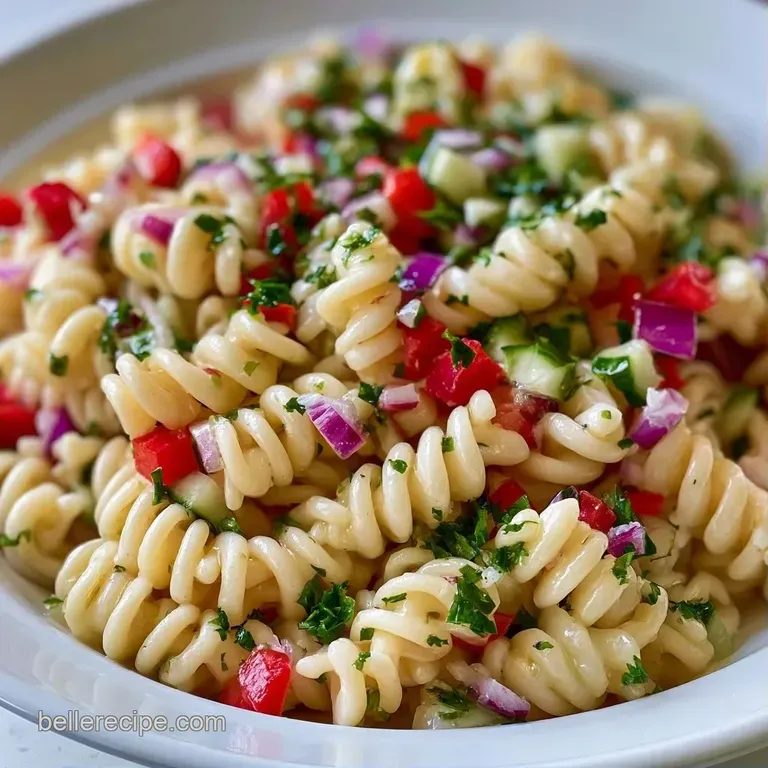
Even the simplest recipes can go sideways if the temperature or timing is off. Most issues with this dish come down to moisture management.
Troubleshooting Common Issues
| Issue | Solution |
|---|---|
| Why Your Salad Is Dry | If the pasta seems to have "eaten" the dressing, it's usually because the noodles weren't cooled enough before the first toss. Hot pasta is like a sponge. If this happens, don't just add more oil. |
| Why the Dressing Separated | Oil and vinegar naturally want to part ways. The Dijon mustard is there to prevent this, but if you pour the oil in too fast, the emulsion breaks. |
| Why Your Veggies Are Watery | Cucumbers are mostly water. If you cut them too early and let them sit in salted dressing, they leak. Always dice them right before the final toss. |
Scaling Your Batch
If you're feeding a crowd, you can easily scale this Dijon Vinaigrette Pasta Salad. But be careful you can't just multiply everything by four and expect it to taste the same.
Scaling Down (1/2 batch): Use 1/2 lb of pasta. For the dressing, it's easier to make a full batch of vinaigrette and just use what you need. You can store the leftover dressing in the fridge for two weeks.
Scaling Up (2x-4x batch): When doubling or tripling, increase the salt and pepper to only 1.5x the original amount. Large batches tend to hold onto salt more effectively.
Also, work in two separate bowls if you don't have a professional sized mixing tub; otherwise, you'll crush the feta and cucumbers while trying to toss it.
Flavor Twists
Once you have the base down, you can move the flavor profile around. This is where the recipe becomes a canvas for what's in your fridge.
Honey Dijon Vinaigrette Pasta Salad This is essentially the base recipe but an extra tablespoon of honey. It leans into that sweet savory contrast and is a hit with kids or people who find Dijon too sharp.
Dijon Vinaigrette Pasta Salad Balsamic Version Swap the apple cider vinegar for a balsamic vinegar. This makes the dish deeper and richer. I suggest adding some sun dried tomatoes to this version to match the heavier acidity of the balsamic.
Creamy Dijon Vinaigrette Pasta Salad If you miss the richness of a Classic Macaroni Salad, whisk in two tablespoons of Greek yogurt or mayonnaise into the vinaigrette. It gives you that creamy mouthfeel while keeping the bright, tangy edge of the mustard.
Vegan Adaptations For a vegan version, replace the honey with maple syrup or agave. Swap the feta for a almond based feta or just omit it and add some toasted pine nuts for that salty, nutty hit.
Best Pairing Ideas
Because this dish is so bright, it pairs best with proteins that have a bit of char or richness. The acidity of the vinaigrette cuts right through heavy fats.
I love serving this alongside grilled lemon herb chicken or a piece of seared salmon. The smokiness of the grill contrasts beautifully with the cold, crisp vegetables. If you're keeping it vegetarian, try some grilled halloumi skewers or a hearty quinoa burger.
For a full spread, add some warm garlic bread. The contrast of the hot, buttery bread and the cold, zesty pasta is exactly what makes a summer meal feel complete.
Storing Your Salad
To keep your Dijon Vinaigrette Pasta Salad fresh, use an airtight glass container. Glass keeps the flavors cleaner than plastic, which can sometimes absorb the vinegar smell.
Fridge Life: The salad stays great in the fridge for 3 to 4 days. In fact, the flavors often meld and improve after the first 24 hours. If it looks a bit dry when you pull it out, just stir in a teaspoon of olive oil to bring back that glossy sheen.
Freezing: Do not freeze this. The cucumbers and peppers will lose their structure and become mushy, and the emulsion in the dressing will break completely.
Zero Waste Tips: Don't toss your cucumber peels or bell pepper stems. You can throw them into a freezer bag and use them to make a vegetable scrap broth later. If you have a bit of leftover feta, crumble it over some avocado toast the next morning.
Kitchen Myths
There are a few things people say about pasta salads that just aren't true.
One big myth is that you should never rinse pasta because it "washes away the flavor." While that's true for a hot pasta dish where you want the starch to help a sauce cling, it's a disaster for cold salads. Without the rinse, the starch turns into a glue that makes your salad a solid block in the fridge.
Another misconception is that you should cook the pasta until it's soft so it's easier to eat cold. In reality, cold pasta firms up. If you start with soft noodles, they'll turn into mush once the acidic dressing starts breaking down the starches. Always go al dente.
High in Sodium
840 mg 840 mg of sodium per serving (37% 37% of daily value)
The American Heart Association recommends a daily limit of 2,300 mg of sodium to reduce the risk of cardiovascular disease and hypertension.
Tips to Reduce Sodium
-
Reduce Pasta Water Salt-25%
Reduce the 2 tbsp of salt in the boiling water to 1 tsp; since most of this water is drained, you can save significant sodium without losing much flavor.
-
Omit Dressing Salt-20%
Remove the 1/2 tsp of salt from the dressing and replace it with fresh lemon juice to maintain a bright, zesty profile.
-
Swap the Feta-15%
Use a low-sodium feta variety or replace the feta with fresh mozzarella pearls to lower the concentrated salt from the cheese.
-
Low-Sodium Mustard-10%
Substitute the regular Dijon mustard with a low-sodium version or reduce the amount used to 1 tbsp.
-
Boost Fresh Aromatics
Double the amount of fresh parsley and add a pinch of dried oregano to enhance the overall flavor profile without adding any salt.
Recipe FAQs
Is it true that pasta must be cooked to full softness for cold salads?
No, this is a common misconception. Cook pasta until al dente, usually 1 minute less than package directions, to ensure the noodles maintain their structure when chilled.
How to make the Dijon vinaigrette dressing?
Whisk Dijon mustard, apple cider vinegar, honey, garlic, salt, and pepper together. Slowly stream in olive oil while whisking constantly until the mixture is emulsified and creamy.
Is vinaigrette a good choice for pasta?
Yes, it is an ideal choice. The acidity of a vinaigrette cuts through the starch of the pasta, providing a bright, refreshing contrast that keeps the dish light.
How to make a flavorful pasta salad?
Rinse cooked pasta under cold water to remove excess surface starch, then toss with half the dressing and let it sit for 10 minutes before adding vegetables. This allows the noodles to absorb the flavors deeply.
What are some common mistakes to avoid with pasta salad?
Avoid adding vegetables to hot pasta or pouring oil into the dressing too quickly. These errors lead to mushy vegetables and a broken, separated emulsion.
How do I stop the salad from becoming dry in the fridge?
Store the salad in an airtight glass container. If the pasta absorbs too much dressing over time, simply stir in a teaspoon of olive oil to restore the glossy sheen.
What pairs well with this Dijon pasta salad?
Pair it with a protein rich main dish. This tangy salad complements the savory, creamy garlic herb sauce of a Boursin Chicken for a balanced meal.
Dijon Vinaigrette Pasta Salad