Easy Donut Hole Recipe

- Time: Active 10 minutes, Passive 10 minutes, Total 20 minutes
- Flavor/Texture Hook: A velvety, soft interior encased in a sweet, light shattering glaze
- Perfect for: Lazy weekend brunches or a quick afternoon pick me-up
- Creating the Golden Crumb with This Donut Hole Recipe
- The Chemistry of the Greek Yogurt Lift
- Precise Measurements for Every Single Batch
- Selecting Your Pantry Staples for Maximum Flavor
- The Minimalist Tool Kit for Home Bakers
- Crafting the Bites Step by Step
- Correcting Texture and Glaze Imperfections
- Flavor Profiles and Creative Adaptations
- Keeping Your Treats Fresh and Warm
- Perfect Pairings for Your Morning Coffee
- Donut Hole Recipe FAQs
- 📝 Recipe Card
Creating the Golden Crumb with This Donut Hole Recipe
There is something deeply mindful about the ritual of a Saturday morning in the kitchen. I remember one specific drizzly October morning when the house felt a bit too quiet and the air carried that sharp, pre winter chill.
I wanted something that would transform the kitchen into a sanctuary, something that smelled like a hug. I pulled out a container of yogurt and some flour, and as the scent of warming nutmeg started to bloom in the air, the whole mood of the house shifted.
It was the first time I realized that you don't need a professional bakery setup or hours of rising time to create something that feels like a shared memory.
We often think of donuts as this massive production involving thermometer calibrated oil and temperamental yeast. But this donut hole recipe is different. It’s about the quiet joy of a 20 minute win.
When you bite into one of these, you get that immediate hit of vanilla bean and a hint of spice, followed by a texture that is surprisingly light. I’ve shared these with friends over cups of steaming coffee, and the reaction is always the same: disbelief that they didn't come from the shop down the street.
It’s about the simplicity of the ingredients working together to create a moment of pure, comforting indulgence.
The Chemistry of the Greek Yogurt Lift
Acidic Activation: The lactic acid present in the Greek yogurt reacts instantly with the baking powder to create a rapid release of carbon dioxide. This specific reaction is what allows the dough to puff up and stay airy without the need for traditional yeast fermentation.
| Method Type | Preparation Time | Resulting Texture | Best For |
|---|---|---|---|
| Quick Yogurt Dough | 20 minutes | Cake like and tender | Immediate cravings |
| Classic Yeast Dough | 3 hours | Airy and chewy | Traditional weekend baking |
| Sourdough Hybrid | 12 hours | Tangy and complex | Fermentation enthusiasts |
Choosing the right method depends entirely on your morning flow. If you are looking for that immediate gratification where the aroma of vanilla fills the room before the coffee is even finished brewing, the yogurt based approach is your best friend.
It provides a dense enough structure to hold the glaze while remaining light enough to melt away as you eat.
Precise Measurements for Every Single Batch
When we talk about baking, precision is where the magic happens. I used to be a "handful of this, pinch of that" kind of cook until I realized why my bakes were so inconsistent. For this donut hole recipe, we are looking at specific weights to ensure the hydration level of the dough is spot on.
If the dough is too wet, it won't hold its shape; too dry, and you’ll end up with something closer to a rock than a donut. Trust the scale on this one.
| Component | Science Role | Pro Secret |
|---|---|---|
| Greek Yogurt | Provides moisture and acidity | Use full fat for a richer, more velvety crumb |
| Baking Powder | Primary leavening agent | Ensure it's fresh to get that signature "shatter" crust |
| Nutmeg | Flavor depth and aromatic warmth | Grate it fresh to release the essential oils |
| Vanilla Bean Paste | Intense aromatic profile | The tiny seeds add a visual "premium" touch |
Selecting Your Pantry Staples for Maximum Flavor
Gathering your ingredients is the first step in the sensory journey. As you open the jar of vanilla bean paste, take a second to breathe in that deep, woody sweetness. It’s much more complex than standard extract and really makes these little bites feel special.
- 250g All Purpose Flour: The structural backbone of our treat.
- 50g Granulated Cane Sugar: Adds sweetness and helps with the golden browning.
- 2 teaspoons Baking Powder: Our engine for the rise.
- 0.5 teaspoon Fine Sea Salt: Essential for balancing the sugar.
- 245g Plain Non Fat Greek Yogurt: The magic ingredient for moisture and lift. Why this? The thickness provides structure without making the dough too liquid.
- 1 teaspoon Vanilla Bean Paste or Extract: For that classic bakery aroma.
- 0.5 teaspoon ground nutmeg: The secret "donut shop" flavor profile. Why this? Nutmeg provides that nostalgic, warm undertone found in classic old-fashioned donuts.
- 120g Powdered Sugar, sifted: The base for our silky glaze.
- 3 tablespoons Unsweetened Almond Milk: To thin the glaze to a dipping consistency.
- 0.5 teaspoon Pure Vanilla Extract: For the secondary layer of flavor in the coating.
If you find yourself missing an ingredient, don't panic. You can easily swap the almond milk for regular dairy milk or even a splash of heavy cream for a thicker finish. For those who enjoy a bit of experimentation, using the technique from my Edible NoBake Cookie recipe for heat treating flour can be a fun way to understand how heat changes the structure of your ingredients, though it isn't strictly necessary here since we are cooking the dough.
The Minimalist Tool Kit for Home Bakers
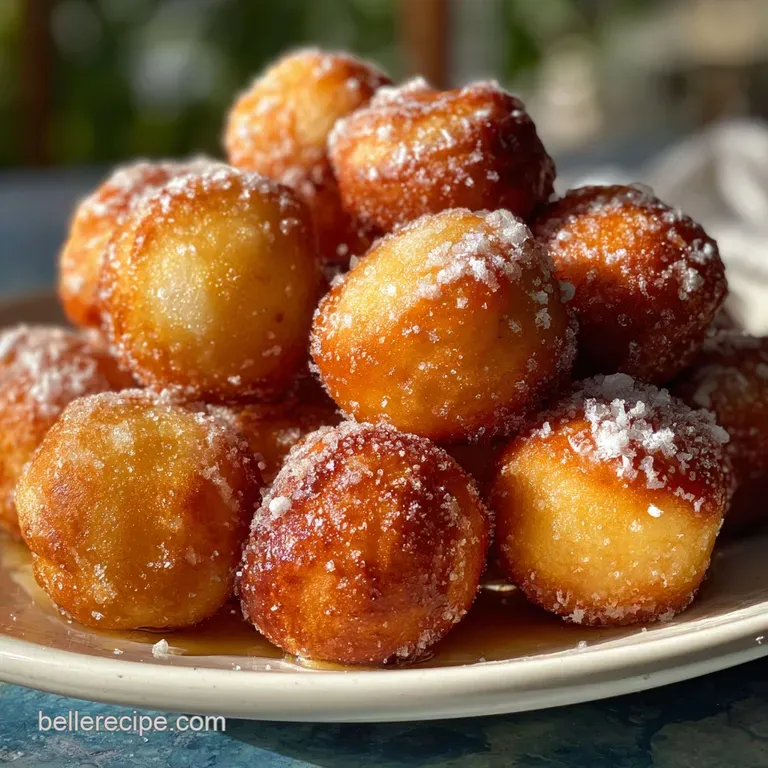
You don't need a kitchen full of gadgets for this. I usually just use a sturdy glass bowl and a silicone spatula. However, if you have a small cookie scoop (about 1 tablespoon size), it will make your life significantly easier and keep your hands much cleaner.
Chef's Tip: Freeze your Greek yogurt for just 5 minutes before mixing. This slight chill keeps the fats in the yogurt from melting too quickly when the dough hits the heat, resulting in a more defined shape.
Another trick I've learned is to use a wire cooling rack set over a piece of parchment paper. When it comes time to glaze, this setup allows the excess sugar to drip away, preventing the bottoms from getting soggy. It’s the difference between a professional looking snack and a sticky mess.
Crafting the Bites step-by-step
- Whisk the dry base. Combine 250g All Purpose Flour, 50g Granulated Cane Sugar, 2 teaspoons Baking Powder, 0.5 teaspoon Fine Sea Salt, and 0.5 teaspoon ground nutmeg in a large bowl. Note: Use a balloon whisk to aerate the flour and remove any lumps.
- Incorporate the aromatics. Add 245g Plain Non Fat Greek Yogurt and 1 teaspoon Vanilla Bean Paste to the dry mixture.
- Fold the dough. Use a spatula to gently mix until the flour just disappears and a tacky dough forms. Note: Overmixing will develop too much gluten, making the holes tough rather than fluffy.
- Prepare the cooking surface. If baking, preheat your oven to 190°C. If using an air fryer, set it to 175°C.
- Shape the portions. Using a small scoop, drop 24 even rounds onto your prepared tray or basket.
- Cook for 8-10 minutes. Bake or air fry until the exterior is golden and the kitchen smells like warm vanilla.
- Whisk the glaze. While the holes cook, combine 120g Powdered Sugar, 3 tablespoons Unsweetened Almond Milk, and 0.5 teaspoon Pure Vanilla Extract until a smooth, velvety liquid forms.
- The first dip. Toss the warm donut holes into the glaze immediately after they come out of the heat. Note: The heat helps the glaze "set" into a thin, crackly shell.
- Rest and set. Place the glazed bites on a wire rack for 2 minutes until the glaze looks dull and non sticky.
- Serve immediately. These are at their peak performance when the center is still slightly warm.
As you pull these out of the oven or air fryer, pay attention to the scent. You’ll first notice the sweetness of the sugar carmelizing, followed quickly by the earthy, spicy punch of the nutmeg. That’s the "aroma checkpoint" that tells you they are perfectly done.
Correcting Texture and Glaze Imperfections
Even the best of us hit a snag sometimes. One time, I was in such a rush that I forgot to sift my powdered sugar, and I ended up with a lumpy glaze that looked like a science experiment gone wrong. It still tasted fine, but the texture was all off.
Identifying Texture Issues
If your donut holes come out feeling a bit like rubber balls, you likely over worked the dough. The goal is to stop mixing the very second you don't see any more white streaks of flour. If they are too flat, check the expiration date on your baking powder; it loses its potency faster than you’d think.
| Problem | Root Cause | Solution |
|---|---|---|
| Heavy/Dense Interior | Too much flour or overmixing | Measure by weight and fold gently |
| Glaze is too thin | Excess milk or warm kitchen | Add more sifted powdered sugar 1 tsp at a time |
| Uneven Browning | Crowded cooking surface | Leave 2cm of space between each donut hole |
Common Mistakes Checklist
- ✓ Always whisk your dry ingredients first to ensure the nutmeg and leavening are evenly distributed.
- ✓ Don't skip the salt; it’s the only thing that keeps the sugar from being overwhelming.
- ✓ Ensure your Greek yogurt is at room temperature for the smoothest dough integration.
- ✓ If air frying, do not use aerosol sprays that contain soy lecithin, as they can damage the basket coating.
- ✓ Glaze the holes while they are hot so the sugar bonds to the surface.
Flavor Profiles and Creative Adaptations
Once you have the base down, the variations are endless. I sometimes think of this dough as a blank canvas. If you've ever made a Pandesal Filipino Bread recipe, you know how important that slightly salty sweet balance is. You can bring some of that inspiration here by adding a tiny pinch of extra flakey salt on top of the glaze.
If you want a crunchier exterior, do this:
- Roll the warm, unglazed holes in a mixture of 100g sugar and 2 tablespoons of cinnamon.
- Increase the cooking time by 2 minutes at a slightly lower temperature (170°C).
- Brush the exterior with a tiny bit of melted butter before rolling in the sugar.
Experimenting with Fillings and Coatings
You can also transform this donut hole recipe by using a piping bag to inject a little bit of strawberry jam or chocolate hazelnut spread into the center once they’ve cooled slightly. It turns a simple snack into a gourmet dessert.
If you want to go the vegan route, you can swap the Greek yogurt for a thick soy or almond based yogurt, though you might need to add an extra tablespoon of flour to account for the different moisture levels.
Keeping Your Treats Fresh and Warm
These are best enjoyed within the first hour of making them, but life happens. If you find yourself with leftovers, store them in an airtight container at room temperature for up to 2 days. Don't put them in the fridge, as the moisture will turn the glaze into a sticky syrup.
To reheat, the air fryer is your best friend. Just 60 seconds at 160°C will revive that slight exterior crunch without drying out the middle. If you want to freeze them, do so before glazing. They will last up to 2 months in a freezer bag.
When you’re ready to eat, thaw them at room temperature and then pop them in the oven for a few minutes before applying a fresh batch of glaze.
Perfect Pairings for Your Morning Coffee
In my house, we treat these as the star of the show, but they play very well with others. I love serving them alongside a big bowl of seasonal fruit or a savory protein like thick cut bacon to cut through the sweetness.
If you're hosting a brunch, try setting up a "dipping station." Put out the glazed donut holes and offer small bowls of extra toppings like crushed pistachios, toasted coconut, or even some sprinkles for the kids. It turns a simple recipe into an interactive experience.
The warmth of the dough against a cold glass of milk or a sharp, acidic espresso creates a sensory contrast that is hard to beat. Honestly, don't even bother with the store-bought versions once you see how easy these are to whip up in your own kitchen.
There’s a certain pride in knowing exactly what went into your treats, and that secret ingredient the one you can't buy is always the memory you make while baking them.

Donut Hole Recipe FAQs
What exactly is a donut hole?
It's a small, bite sized piece of fried or baked dough. Traditionally, they are the pieces removed from the center of a ring donut before frying, but they are also made as standalone items. These often have a cake like or yeasted texture and are coated in sugar, glaze, or frosting.
How to get sugar to stick to donut holes?
Coat them while they are still warm. The residual heat and moisture from the donut holes will help the granulated sugar adhere better, creating a pleasant crust. For a truly sticky coating, you can also brush them lightly with melted butter or a simple syrup before rolling in sugar.
What are the ingredients in Krispy Kreme donut holes?
The exact ingredients are proprietary, but typically include enriched flour, sugar, water, and leavening agents. They also contain ingredients for richness like vegetable oil or shortening, eggs, milk, and flavorings such as vanilla.
The signature glaze is primarily powdered sugar, corn syrup, and water.
Which flour is best for making doughnuts?
All-purpose flour is generally the best choice for most donut recipes. It provides a good balance of protein for structure without being so high that it makes the donuts tough. For lighter, cake like donuts, you might consider a cake flour, but all-purpose is the most versatile and widely recommended.
Can I use Greek yogurt in donut holes?
Yes, Greek yogurt is an excellent addition to donut hole recipes. Its acidity reacts with leavening agents like baking powder, helping to create a tender and airy crumb, similar to how it works in baked goods like quick breads. It also adds moisture and a slight richness.
How do I make sure my donut holes are fluffy?
Ensure your leavening agents are fresh and don't overmix the dough. Baking powder and baking soda lose their potency over time, so check their expiration dates. Overmixing develops gluten, leading to a tough texture, so mix just until the ingredients are combined, much like when working with a high hydration dough in recipes like Robertas Pizza Dough.
What's the best way to glaze donut holes?
Dip them while they are still warm and set them on a wire rack. The warmth helps the glaze adhere and set into a thin, crackly coating. Placing them on a wire rack allows excess glaze to drip off, preventing a sticky bottom and ensuring a professional finish, similar to how you would finish a delicate Foolproof Beurre Blanc Sauce.
Donut Hole Recipe
Ingredients:
Instructions:
Nutrition Facts:
| Calories | 72 kcal |
|---|---|
| Protein | 2.1 g |
| Fat | 0.2 g |
| Carbs | 15.4 g |
| Fiber | 0.3 g |
| Sugar | 7.5 g |
| Sodium | 92 mg |
