Seaweed Salad: the Sharp, Nutty, Restaurant-Quality Recipe
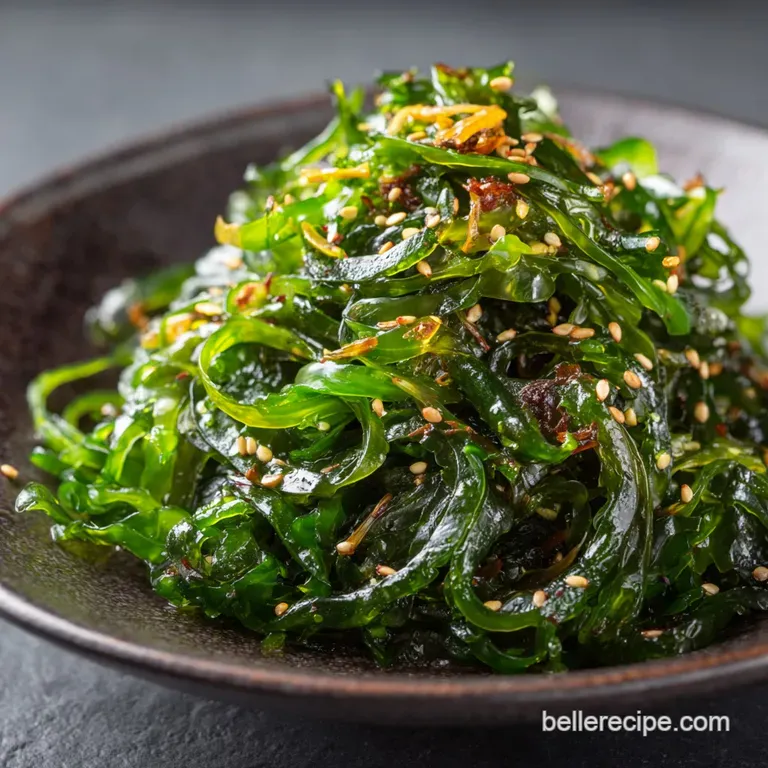
- The Emerald Isle Crunch: Crafting the Perfect Goma Wakame Salad
- Mastering Texture and Umami: The Science of a Superior Seaweed Salad
- Essential Elements: What You Need for This Seaweed Salad
- Detailed Method: How to Prepare Your Goma Wakame Salad
- Achieving Perfection: Pro Tips and Troubleshooting Common Seaweed Salad Errors
- Extending Freshness: Storing Your Prepared Seaweed Salad
- Culinary Pairings and Health Benefits: Integrating This Salad into Your Diet
- Recipe FAQs
- 📝 Recipe Card
The Emerald Isle Crunch: Crafting the Perfect Goma Wakame Salad
That beautiful, bright emerald green colour is just instantly refreshing, isn't it? The aroma of this specific seaweed salad recipe hits you with a clean, ocean salt tang and a deep, sharp nutty seaweed salad scent from the sesame.
Then you take that first bite, and you get that magnificent crunch from the perfectly dressed wakame and finely sliced cucumber.
Forget the overly sweet, sometimes gloopy mess you find in cheap takeout containers; this easy homemade seaweed salad is faster, way cheaper, and allows you to control the sugar levels completely. It’s mostly just rehydration, slicing, and shaking up an intensely flavorful dressing.
Honestly, it’s the ultimate 15 minute side dish when you desperately need something vibrant and clean.
If you’ve struggled to recreate that perfect, crisp texture at home, this is your solution. We’re covering everything from the precise soak time to the crucial step that prevents a watery finish.
Let’s dive into the secrets of creating a truly superior, refreshing seaweed salad crunch .
Mastering Texture and Umami: The Science of a Superior Seaweed Salad
Moving Beyond the Takeout Standard: What Makes This Recipe Special?
The difference between average and excellent here comes down to hydration control and the intensity of your dressing ingredients. Most commercial versions use cheap oil and way too much sugar to compensate for the blandness.
We are maximizing the umami from the soy and the incredible fragrance of toasted sesame oil, balancing it with pure acidity from the rice vinegar. This combination provides depth without being overly heavy.
The Nutritional Powerhouse: Why Seaweed Should Be on Your Plate
Seaweed salad benefits are genuinely impressive; this isn't just a pretty side dish. Wakame is loaded with iodine, which is essential for thyroid health, and it’s packed with trace minerals and vitamins like K.
It’s an incredibly low-calorie vehicle for getting tons of nutrition onto your plate, making the seaweed salad nutrition facts highly appealing for any healthy eating plan.
A Palate Cleansing Marvel: Flavor Profile Breakdown
This dish is all about balance. The inherent saltiness and savory depth (umami) of the wakame and soy sauce are perfectly cut by the bright, clean zing of rice vinegar. Then, the toasted sesame oil wraps everything up in a warm, comforting, sharp nutty seaweed salad blanket.
It’s bright, cooling, and completely addictive.
The Importance of the Rapid Ice Bath (Achieving Max Crunch)
We are dealing with rehydrated dried ingredients, so controlling the final texture is everything. Once the wakame is rehydrated and squeezed, running it through a quick ice bath and draining it again helps "shock" the cell structure slightly.
This tiny step ensures that the wakame fibers stay crisp and don't turn slimy or soft when dressed. Trust me, don't skip the ice bath step for maximum crunch.
Balancing Sweet, Sour, and Savory: The Perfect Dressing Ratio
The magic ratio for this Goma Wakame dressing is usually 1:1 for soy sauce and rice vinegar, plus a healthy dose of toasted sesame oil. The key is to add the sugar slowly just enough to cut the acidity and highlight the umami, not enough to make it taste like dessert.
Whisk vigorously until the sugar is fully dissolved, preventing a gritty texture.
Slicing for Success: Why Julienne Matters in This Salad
When preparing the carrot and cucumber, you need fine matchsticks (julienne cuts). Why? Because this increases the surface area, allowing those crisp vegetables to fully absorb the dressing flavor while maintaining their structure.
If you cut them too chunky, the flavors won’t marry properly, and you’ll miss that perfect textural harmony.
Essential Elements: What You Need for This Seaweed Salad
You don’t need much to create this classic seaweed salad recipe . Just high-quality aromatics and the foundational liquids.
Selecting the Right Seaweed (Dried Wakame vs. Pre-Hydrated)
Always, always start with dried wakame . While the pre-hydrated stuff seems convenient, it’s usually packed in brine or water that diminishes its ultimate crunch potential.
Dried wakame expands enormously and gives you control over the rinsing and squeezing process, which is the most critical step for texture.
The Ultimate Dressing Duo: Rice Vinegar and Toasted Sesame Oil
Do not accidentally grab plain sesame oil; you must use toasted sesame oil . It has a deep, amber colour and smells intensely nutty. This is where 90% of your flavour comes from, so don't skimp. Pair this with unseasoned rice vinegar, which provides clean, non-aggressive acidity.
Adding the Crunch Factor: Preparing Carrots and Cucumber
We use carrots and cucumbers for colour and vital crunch contrast. Remember to deseed your cucumber completely, as the internal watery flesh is guaranteed to dilute your carefully crafted dressing later. The dryer the vegetable components are, the better the final salad will taste.
Substitution Spotlight: Tamari vs. Soy Sauce
I prefer low-sodium soy sauce because it lets me control the overall seasoning, but if you need a gluten-free option, tamari is your best friend. It offers a similarly rich, deep umami flavor.
Coconut aminos also work for a paleo/soy-free approach, but you may need to add a tiny bit more salt as it’s naturally sweeter.
| If you don't have... | You can use... | Note |
|---|---|---|
| Rice Vinegar | Apple Cider Vinegar (ACV) | Use slightly less; ACV is sharper. |
| Soy Sauce | Tamari or Coconut Aminos | Tamari is GF; Aminos are soy-free/paleo. |
| Dried Wakame | Arame or Hijiki | These are darker and take longer to hydrate but work in a pinch. |
| Granulated Sugar | Maple Syrup or Honey | Liquid sweeteners integrate quickly; use slightly less. |
Detailed Method: How to Prepare Your Goma Wakame Salad
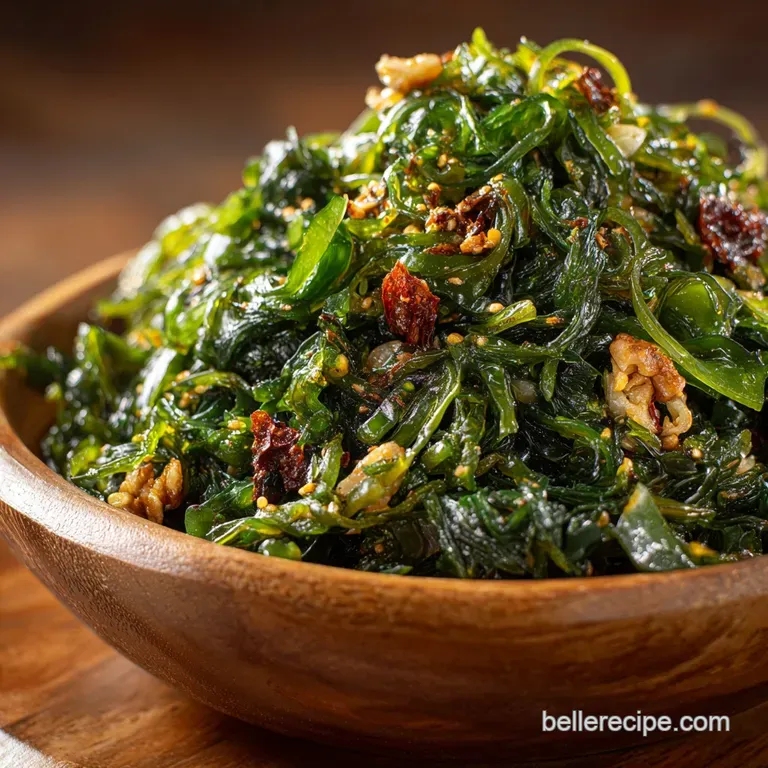
Step 1: Hydrate and Squeeze the Seaweed
Place 1 oz (30g) of dried wakame in a large bowl and cover it completely with cold water. Let it hydrate for 10 to 15 minutes; it will expand huge! Drain the wakame using a fine mesh sieve, then rinse it briefly under cold running water.
Crucial Squeeze Time: Gather the seaweed in your hands and squeeze it fiercely to remove every drop of excess water. Wet seaweed equals watery dressing.
Step 2: Prepare the Vegetables and Aromatics
Finely julienne your cucumber (after deseeding!) and carrot into thin matchsticks. I use a mandolin for speed here, but a sharp knife works great too. Grate 1 tsp of fresh ginger and 1/2 tsp of garlic. Don't use jarred stuff , the fresh aromatics are essential for lifting the dressing's profile.
Step 3: Mix the Umami Rich Sesame Dressing
In a small bowl, combine 1/4 cup soy sauce, 1/4 cup rice vinegar, 2 Tbsp toasted sesame oil, 1 Tbsp sugar, the grated ginger, and garlic, plus 1 Tbsp water. Whisk this mixture vigorously until the sugar has fully dissolved and the dressing is emulsified. It should smell intensely nutty and savory.
Chef’s Note: Always mix the dressing separately and taste it before adding it to the salad. This is your only chance to adjust the sweet/sour balance perfectly.
Step 4: Combine Ingredients and Chill Time Essentials
Place the squeezed wakame, julienned cucumber, and carrot into a large bowl. Pour about two-thirds of the dressing over the top and toss gently but thoroughly until everything is glossy and evenly coated. Cover the bowl and refrigerate for a minimum of 30 minutes.
This chill time allows the seaweed to fully absorb that fantastic flavour, resulting in a true refreshing seaweed salad crunch . Garnish with sliced spring onion and toasted sesame seeds just before serving.
Achieving Perfection: Pro Tips and Troubleshooting Common Seaweed Salad Errors
Preventing the 'Gloopy' Texture: Rinsing Protocols
The number one mistake people make is not rinsing and squeezing enough. If your salad turns out gloopy or slimy, it means one of two things: either you didn't rinse the rehydrated wakame enough after soaking, or you didn't squeeze hard enough.
Always rinse under cold water after soaking , and then squeeze until your hands hurt.
If the Salad Tastes Too Salty (Correction Techniques)
If the dish is too salty, usually because of the soy sauce, you have two simple fixes. First, add a teaspoon more sugar and whisk it into the existing dressing to neutralize the saltiness.
Second, toss in a few more slivers of unseasoned cucumber; the vegetable's moisture will slightly dilute the dressing without ruining the texture.
Maximizing Sesame Flavor: Toasting Seeds vs. Using Oil
We get the core flavor from the toasted sesame oil, but the final texture comes from the sesame seeds. Pro Tip: Toast your sesame seeds for the garnish yourself! Just lightly dry-fry them in a pan for 30 seconds until they smell amazing.
Using fresh, hot toasted seeds for the garnish truly amplifies the sharp nutty seaweed salad experience.
Extending Freshness: Storing Your Prepared Seaweed Salad
Optimal Refrigeration: Best Practices for Keeping the Crunch
This salad is best enjoyed within 24 hours, but it will safely keep for up to 3 days in the refrigerator. Use an airtight container. The vegetables might soften slightly after Day 1, but the flavor will remain superb.
When storing leftovers, try to keep them on the top shelf of the fridge where the temperature is consistent.
Preparing Ahead: Storing Dressing Separately
This is the ultimate prep hack for entertaining! You can absolutely prepare the dressing 3 4 days in advance and keep it sealed in a jar in the fridge. Prepare and store the julienned vegetables (keep them dry).
Then, rehydrate the wakame and assemble everything just 30 minutes before your guests arrive.
The Seaweed Verdict: Can You Freeze Goma Wakame Salad?
No. Just, no. Seaweed and fresh vegetables contain too much water, and freezing them will destroy the fibrous structure. Upon thawing, you would be left with a sad, watery, rubbery mess. Save freezing for things like The Showstopper Caramel Apple Snickers Salad Recipe (just kidding, don't freeze that either!).
Culinary Pairings and Health Benefits: Integrating This Salad into Your Diet
Pairing Protocols: What Flavors Complement the Sesame and Vinegar?
The sharp, clean profile of this salad makes it the perfect accompaniment for rich or fried foods, acting as a natural palate cleanser. It’s fantastic alongside grilled fish (salmon, tuna), crispy tofu, or rich, meaty dishes like slow cooked pork belly. If you're building a picnic spread, it pairs beautifully with my light and zesty Best Shrimp Salad Recipe Classic Easy Homemade !
Low-Calorie Meal Integration: Seaweed Salad for Healthy Eating Plans
Because this salad is high in fibre, low in calories, and packed with nutrients (hello, seaweed salad benefits ), it’s excellent for weight management. Serve a large portion of this alongside a small piece of plain protein for a deeply satisfying and balanced meal. It provides flavour intensity without the caloric baggage of heavy creamy dressings found in other sides, like even my beloved Grandma's Macaroni Salad Recipe (But Better!) .
Dietary Adaptations: Making this Recipe Vegan and gluten-free
This recipe is inherently vegan (assuming you used sugar, not honey). To make it 100% gluten-free, simply ensure you substitute traditional soy sauce for tamari or coconut aminos. Since we don't use any binders or creamy elements, this healthy side dish is one of the easiest to adapt for multiple dietary needs.

Recipe FAQs
Why is my rehydrated seaweed tough or rubbery?
Toughness usually means the seaweed wasn't rehydrated long enough, or the water used during the initial soak was too warm. Wakame should soak in cool water for 10 to 15 minutes until it expands dramatically and feels completely silky and pliable.
If you are working with Kuki Wakame (seaweed stems), a 30-second blanch in boiling water can tenderize it before dressing.
Can I use other types of dried seaweed besides Wakame for this salad?
Yes, while Wakame is traditional for its tender texture, you can experiment with others like Arame or Hiziki, though they often require a longer soaking time and sometimes a quick boil to soften them. Be aware that the final texture will change, and Nori is not suitable as it dissolves when soaked.
Always ensure the dried seaweed is culinary grade and sourced for consumption.
How do I prevent the finished salad from becoming watery after mixing?
Wateriness often results from the fresh vegetables (especially cucumber) releasing excess moisture into the dressing. To prevent this, lightly salt the julienned cucumber for ten minutes, then rinse and thoroughly pat it dry with paper towels before incorporation.
This crucial pre-treatment draws out unwanted water, ensuring the dressing adheres perfectly and keeps the salad crisp.
How long does this seaweed salad last in the refrigerator?
Properly stored in an airtight container, this seaweed salad remains crisp and flavourful for 3 to 4 days in the refrigerator. The texture of the fresh vegetables will soften slightly after the second day due to the acid in the dressing, but the salad is still safe to consume.
Freezing is strongly discouraged, as it completely destroys the desirable crunchy texture of the seaweed.
How can I make the dressing truly gluten-free or soy-free?
To ensure the dressing is gluten-free, substitute traditional soy sauce with Tamari or coconut aminos, and confirm that the rice vinegar used is certified GF. For a completely soy-free option, use coconut aminos exclusively as the salty, umami base.
In both cases, slightly increase the amount of toasted sesame oil for added flavour depth.
The salad tastes too "fishy." How can I balance the strong oceanic flavour?
The key to mitigating a strong oceanic taste is ensuring the rehydrated wakame is thoroughly rinsed to wash off any residual salt or sand. A generous squeeze of fresh lemon or lime juice alongside the rice vinegar will effectively "brighten" the flavour profile.
You can also slightly increase the toasted sesame seeds and fresh ginger in the dressing for additional warmth.
Can I add protein to make this seaweed salad a full meal?
Absolutely; this salad acts as a fantastic base for lean protein. Cooked, chilled shrimp or flaky salmon are excellent additions that complement the Asian flavours beautifully. For a vegan option, pan-fried cubes of firm tofu, marinated lightly in soy sauce and sesame oil, provide a satisfying texture and protein boost.
Easy Goma Wakame Seaweed Salad Recipe

Ingredients:
Instructions:
Nutrition Facts:
| Calories | 167 kcal |
|---|---|
| Protein | 6.6 g |
| Fat | 6.9 g |
| Carbs | 19.7 g |
