Quail Recipe with Garlic and Herbs
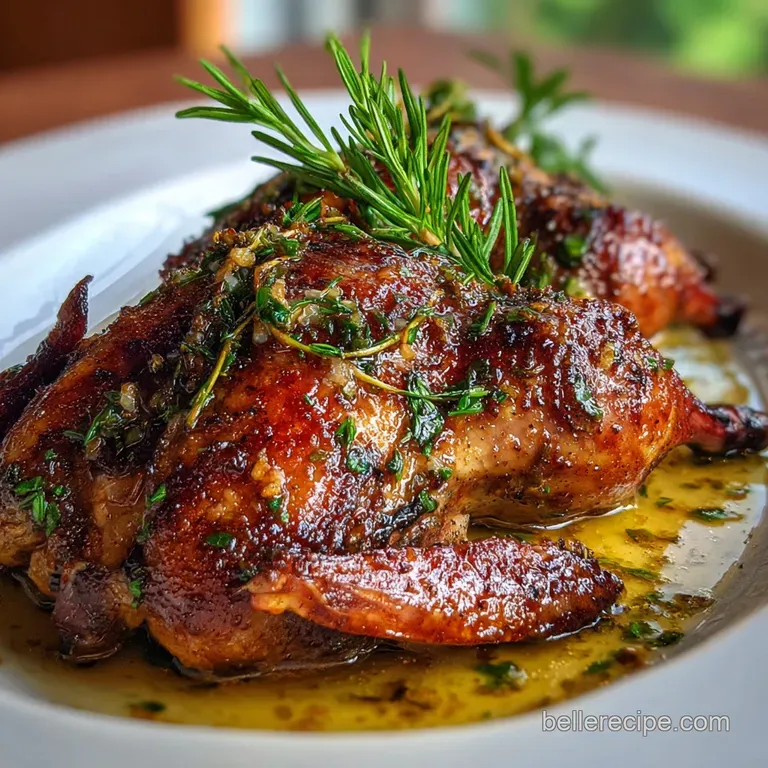
- Time: Active 40 minutes, Passive 15 minutes, Total 55 minutes
- Flavor/Texture Hook: Shatteringly crisp skin against velvety, herb infused meat
- Perfect for: An intimate dinner date or a mindful weekend culinary project
- Master This Quail Recipe with Garlic and Herbs
- Precise Metrics for Better Cooking
- Sourcing Your High Quality Ingredients
- Essential Gear for Pan Searing
- Clear Instructions for Golden Results
- Fixing Common Culinary Mishaps Quickly
- Creative Variations for Unique Flavors
- Smart Storage and Waste Reduction
- Balancing Flavors with Ideal Sides
- Very High in Sodium
- Recipe FAQs
- 📝 Recipe Card
Listen, I used to be terrified of cooking quail. They looked so delicate and small in the butcher’s case that I was convinced I’d turn them into expensive, overcooked erasers the moment they hit the heat.
For a long time, I stuck to chicken because it felt safe, but I was missing out on the deep, savory character that only game birds offer. This quail recipe with garlic and herbs is the result of many trials, a few charred wings, and the discovery that high heat is actually your best friend here.
There is something deeply grounding about the process of spatchcocking these birds and rubbing them with coarse salt. It forces you to slow down and pay attention to the details. When that first bird hits the hot oil and you hear that aggressive sizzle, you know you’re about to create something special.
It isn't just about the food; it's about the aroma of rosemary and garlic filling your kitchen, promising a meal that feels far more sophisticated than the effort required.
We are going to focus on texture today. We want that skin to be golden and crackling, almost like parchment, while the meat inside stays tender and moist. I’ve found that the secret isn’t in fancy equipment, but in how we handle the heat and the fat.
We’ll transform five simple birds into a centerpiece that invites you to eat with your hands and savor every herb crusted bite. Trust me, once you master this, you’ll never look at those tiny birds with intimidation again.
Master This Quail Recipe with Garlic and Herbs
The beauty of this dish lies in the balance of temperature and aromatics. To get that iconic finish, we rely on a few specific mechanical changes during the cooking process. It’s about more than just heat; it’s about how we manage moisture and protein.
- Maillard Reaction: High initial heat triggers a chemical reaction between amino acids and reducing sugars, creating that complex, savory crust.
- Spatchcocking Efficiency: Removing the backbone flattens the bird, ensuring the legs and breasts cook at the same rate while maximizing pan contact.
- Fat Soluble Aromatics: The essential oils in thyme and rosemary dissolve into the hot butter, which then coats the meat during the basting phase.
- Carryover Cooking: Pulling the birds just before they reach their final temperature allows internal juices to redistribute without drying out the fibers.
The Science of Why it Works
High temperature searing initiates the Maillard reaction, which transforms the skin's surface into a complex network of savory flavor compounds and crispy textures. Meanwhile, basting with grass fed butter slows the heat transfer to the delicate breast meat, acting as a thermal buffer that keeps the interior succulent.
Chef's Tip: For the most transformative crunch, leave the spatchcocked quails uncovered in the fridge for at least 2 hours before cooking. This "air drying" removes surface moisture, allowing the skin to shatter rather than steam.
Precise Metrics for Better Cooking
When we talk about precision in the kitchen, it isn't about being rigid; it’s about understanding the variables that lead to a consistent outcome. Quail is small, which means the window between raw and overdone is quite narrow.
Using exact measurements for your aromatics and monitoring your heat will ensure you don't lose that velvety texture we're aiming for.
| Component | Science Role | Pro Secret |
|---|---|---|
| Coarse Sea Salt | Denatures surface proteins to draw out moisture. | Apply 30 minutes early to "dry brine" the skin for better browning. |
| Grass fed Butter | Provides milk solids that brown and add toasted notes. | Use butter with high fat content (82%+) for a silkier baste. |
| Fresh Garlic | Sulfur compounds release pungent, savory aromas. | Smash cloves but leave the skins on to prevent the garlic from burning. |
Cooking these birds requires a choice of method. While I usually reach for my heavy skillet, sometimes the oven is more practical if you are hosting friends and want to keep the kitchen smoke free. This bird's richness pairs beautifully with the bitter notes in my How to Cook recipe for broccoli rabe.
| Cooking Method | Texture Result | Best For |
|---|---|---|
| Stovetop (Cast Iron) | Ultra crispy skin, deep char, very succulent meat. | Maximum flavor and control over the butter baste. |
| Oven Roast (425°F) | Even browning, less mess, slightly firmer texture. | Cooking larger batches or when you want a hands off approach. |
Regardless of the method, the goal is the same: a vibrant, herbaceous finish that highlights the natural sweetness of the quail. You could even serve this alongside a fresh salad dressed with my Champagne Vinaigrette recipe to cut through the richness of the butter.
Sourcing Your high-quality Ingredients
Each element in this quail recipe with garlic and herbs plays a vital role in the final flavor profile. Since we are using so few ingredients, the quality of each one matters immensely. Look for birds that are plump and have a clear, pinkish hue.
- 5 whole quails (150g each): Spatchcocked for even cooking. Why this? Spatchcocking ensures the dark and white meat finish at the same time.
- 1 tbsp Extra virgin olive oil: Use a high smoke point oil for the initial sear.
- 1 tsp Coarse sea salt: Provides a crunch and helps draw out moisture.
- 0.5 tsp Cracked black tellicherry peppercorns: These offer a more floral, complex heat than standard pepper.
- 6 cloves Fresh garlic: Smashed to release oils without burning.
- 4 sprigs Fresh thyme: Adds a subtle, lemony earthiness.
- 2 sprigs Fresh rosemary: Provides a piney, woodsy backbone.
- 2 tbsp Grass fed butter: Higher fat content means better browning and flavor.
- 1 tsp Organic lemon zest: For a bright, citrusy lift at the end.
- 1 pinch Flaky Maldon salt: Adds a clean, salty finish.
- 1 tbsp Fresh Italian parsley: Finely minced for a punch of color and freshness.
| Original Ingredient | Substitute | Why It Works |
|---|---|---|
| Extra Virgin Olive Oil | Avocado Oil | Higher smoke point; better for over high heat searing without smoking. |
| Fresh Thyme | Dried Thyme (1/2 tsp) | Concentrated flavor. Note: Lacks the bright, floral notes of fresh sprigs. |
| Grass fed Butter | Ghee (Clarified Butter) | Very high smoke point and nutty flavor; won't burn during basting. |
Essential Gear for Pan Searing
You don't need a kitchen full of gadgets, but a few specific tools will make this process much smoother. The most important is a heavy bottomed pan. A cast iron skillet is the gold standard here because it retains heat like a dynamo, ensuring the temperature doesn't drop when those cold birds hit the surface.
You will also need a sharp pair of kitchen shears to spatchcock the birds. Attempting to do this with a knife is frustrated and dangerous. Finally, a small spoon is essential for the "arroser" technique that's the fancy French word for basting.
You'll be spooning that hot, foaming garlic butter over the birds to cook the tops and infuse them with flavor.
Chef's Tip: If you find your skillet is getting too hot and the butter is smoking excessively, add a small splash of cold olive oil. It lowers the temperature of the butter just enough to stop it from burning while you finish basting.
Clear Instructions for Golden Results
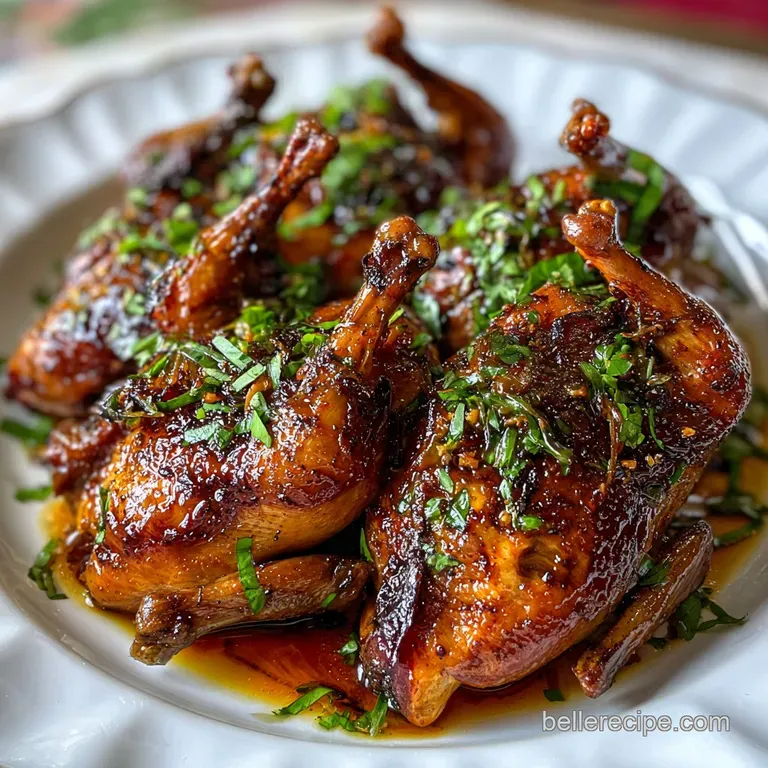
Ready to get started? Let's take it slow and focus on the sensations the smell of the herbs, the color of the skin, and the sound of the sizzle. This recipe yields 2 servings and takes about 55 minutes from start to finish.
1. Prep for Maximum Crispiness
Spatchcock the 5 quails by cutting along both sides of the backbone with shears. Note: Flattening the birds ensures every inch of skin touches the hot pan.
2. Season the Birds
Pat the quails very dry with paper towels. Rub with 1 tbsp extra virgin olive oil and season evenly with 1 tsp coarse sea salt and 0.5 tsp cracked black pepper.
3. Heat the Skillet
Place a large cast iron skillet over medium high heat. Wait 3 to 4 minutes until a drop of water flicked into the pan dances and evaporates instantly.
4. Sear the Skin
Lay the quails skin side down in the pan. Press them down firmly with a spatula until you hear a loud, aggressive sizzle.
5. Achieve Deep Color
Cook for 4 to 5 minutes without moving them until the skin is deep golden brown and releases easily from the pan.
6. Flip and Add Aromatics
Turn the quails over. Toss in the 6 smashed garlic cloves, 4 sprigs of thyme, and 2 sprigs of rosemary into the spaces between the birds.
7. Baste with Herb Butter
Add the 2 tbsp grass fed butter. Once it foams, tilt the pan slightly and spoon the hot butter over the quails repeatedly for 3 to 4 minutes until the meat feels firm but yielding.
8. Rest for Internal Equilibrium
Remove the quails from the pan and place them on a warm plate. Note: Resting allows the juices to pull back into the center of the meat.
9. The Final Bright Finish
Garnish the quails with 1 tsp organic lemon zest, 1 tbsp minced parsley, and a pinch of flaky Maldon salt. Wait 5 minutes before serving to ensure maximum juiciness.
Fixing Common Culinary Mishaps Quickly
Even with the best intentions, things can go sideways. If your kitchen starts filling with smoke, your pan is too hot. Don't panic just slide it off the heat for a minute. The heavy cast iron will keep cooking the birds even without the flame.
Fixing Rubbery Quail Skin
If your skin isn't crispy, it's usually because there was too much moisture on the bird or the pan wasn't hot enough. When the skin steams instead of searing, it stays tough and chewy. To fix this, ensure you pat the birds bone dry and use enough oil to conduct the heat evenly across the surface.
Preventing Dry Overcooked Breasts
Quail breasts are tiny and lean. If you cook them as long as you'd cook a chicken breast, they will turn into sawdust. Use a meat thermometer. Pull the birds when the thickest part of the breast reaches 71°C (160°F).
The carryover heat will bring them to the safe target of 74°C (165°F) while they rest.
| Problem | Root Cause | Solution | ||||
|---|---|---|---|---|---|---|
| Bitter Garlic | Garlic was added too early or chopped too small. | Use whole smashed cloves and add them only after flipping the birds. | ||||
| Soggy Skin | Crowding the pan with too many birds. | Cook in two batches if necessary to allow steam to escape. | ||||
| Tough Meat | Skipping the resting period. | Let the birds sit for a full 5 minutes before cutting or serving. | Problem | Cause | Fix | |
| :--- | :--- | :--- | ||||
| Butter burning | Heat is too high during basting. | Turn heat to low or add a splash of oil to cool it. | ||||
| Skin sticking | Trying to flip the bird too early. | Wait until the skin naturally releases from the pan surface. | ||||
| Lack of flavor | Not enough salt on the skin. | Apply salt at least 15 minutes before cooking to penetrate. |
Creative Variations for Unique Flavors
While the garlic and herb combo is a classic, you can easily shift the personality of this dish with a few small tweaks. If you’re feeling adventurous, try adding a tablespoon of honey to the butter at the very end for a sweet savory glaze that lacquers the skin beautifully.
- If you want a smokier profile, add 1/2 tsp of smoked paprika to the initial salt rub.
- If you want a French inspired twist, swap the rosemary for fresh tarragon and add a splash of dry white wine to the pan.
- If you want a spicy kick, toss a few dried chili flakes into the butter while you're basting the birds.
A Jamie Oliver Inspired Twist
For a more rustic, Mediterranean feel, scatter some halved cherry tomatoes and pitted kalamata olives into the pan during the last 4 minutes of cooking. The tomatoes will burst and mingle with the garlic butter, creating a light, chunky sauce that is transformative when spooned over crusty bread.
A Lighter low-fat Version
If you're watching your fat intake, you can skip the butter basting and instead roast the birds at 220°C (425°F) on a wire rack over a baking sheet.
Spray them lightly with olive oil and stuff the herbs and garlic underneath the skin to keep the meat fragrant without the extra calories.
Smart Storage and Waste Reduction
Leftover quail is a rare treat, but if you have it, handle it with care so it doesn't dry out. The high protein content (73.8g per serving!) makes it a fantastic addition to a next day salad.
- Storage: Keep cooked quail in an airtight container in the fridge for up to 3 days.
- Freezing: You can freeze cooked quail for up to 2 months. Wrap each bird tightly in plastic wrap, then place in a freezer bag to prevent freezer burn.
- Reheating: To keep the skin crisp, reheat in a 175°C (350°F) oven for 8 to 10 minutes. Avoid the microwave, which will turn the skin rubbery and the meat tough.
- Zero Waste: Never throw away the backbones! Toss them into a small pot with some water, a carrot, and an onion to make a rich game stock that's perfect for a future risotto.
Balancing Flavors with Ideal Sides
Since this quail recipe with garlic and herbs is quite rich and savory, you want sides that offer either brightness or a neutral base to soak up that glorious butter. A simple bed of creamy polenta or mashed potatoes is a classic for a reason they act as a sponge for the garlic herb drippings.
If you want something lighter, a massaged kale salad with a lemon vinaigrette provides a nice textural contrast. The acidity in the dressing cuts right through the fat of the bird, refreshing your palate between bites.
For a truly mindful meal, serve the birds whole on a large wooden board, allowing everyone to pull them apart and share in the experience. It turns a simple dinner into a memory.
Flavor Map: The Contrast
- Crisp vs. Tender: The over high heat sear vs. the gentle butter baste.
- Rich vs. Bright: The grass fed butter vs. the fresh lemon zest and parsley.
- Earthy vs. Sharp: The woody rosemary vs. the cracked black tellicherry peppercorns.
I hope you find as much joy in this process as I do. There's something truly special about taking a "fancy" ingredient and realizing that with a little heat, some good butter, and a bit of patience, you can create a restaurant quality meal right in your own kitchen.
Let me know how yours turns out I'd love to hear about that first perfect, shattering bite!

Very High in Sodium
1185 mg mg of sodium per serving (52% % of daily value)
The American Heart Association recommends limiting sodium intake to about 2,300mg per day for adults.
Sodium Reduction Tips for Spatchcocked Quail
-
Reduce Sea Salt-25%
Coarse sea salt is a significant source of sodium. Reduce the amount of coarse sea salt from 1 tsp to 1/2 tsp and eliminate the flaky Maldon salt entirely. This will significantly lower the sodium content without drastically affecting the flavor.
-
Unsalted Butter-15%
Substitute unsalted butter for the grass fed butter. This simple swap eliminates added sodium while still providing richness and flavor. You can also try using half butter and half olive oil to reduce the total amount of saturated fat.
-
Lemon Enhancement-10%
Increase the amount of organic lemon zest from 1 tsp to 2 tsp. The added acidity will enhance the other flavors, allowing you to use less salt without sacrificing taste. Consider a splash of lemon juice as well.
-
Garlic Power
Ensure the garlic is freshly smashed and generously used. Garlic enhances flavor profiles, so 6 cloves are great, but more could be added for an even bolder taste, further reducing the need for salt.
-
Herb Infusion
Experiment with different herbs and spices to add flavor complexity. Consider adding a pinch of red pepper flakes or a dash of smoked paprika. This helps to compensate for the reduced salt.
-
Salt Alternative-5%
Consider using a salt alternative like potassium chloride sparingly. Use 1/4 tsp in combination with other herbs. Always consult with a doctor or registered dietician before making significant dietary changes.
Recipe FAQs
What is the best seasoning for quail?
Salt and pepper are essential, with fresh herbs and garlic being ideal. Coarse sea salt and cracked black pepper provide a foundational flavor, while fresh thyme and rosemary, combined with smashed garlic, infuse the bird beautifully during cooking.
What herbs go with quail?
Rosemary and thyme are classic choices for quail. Their woody, aromatic profiles complement the gamey flavor of quail, especially when infused into butter during basting. Garlic is also a fantastic herbal addition.
How do you roast quail with rosemary thyme and garlic?
Pat quails dry, season generously with salt and pepper, then sear skin down in a hot skillet. After flipping, add smashed garlic cloves, rosemary, and thyme sprigs to the pan, and baste with foaming butter until cooked through.
Is garlic good for quails?
Yes, garlic is excellent for flavoring quails. Its pungent aroma and savory notes pair wonderfully with the delicate meat of quail, becoming mellow and sweet when cooked in butter or pan drippings.
Can I use dried herbs instead of fresh for quail?
You can, but fresh herbs are significantly better for this recipe. Dried herbs have a more concentrated flavor and can become bitter if cooked too long; use about one-third the amount of dried herbs compared to fresh.
For techniques involving infusing fat, fresh herbs are preferred for their vibrant essential oils.
How do I ensure my quail skin is crispy?
Pat the quails completely dry and cook them in a very hot, dry skillet first. Removing surface moisture is key to crisping the skin, and high initial heat promotes rapid rendering of the fat, leading to that desirable shatteringly crisp texture.
What temperature should quail be cooked to?
Cook quail to an internal temperature of 74°C (165°F). The breasts are lean and can dry out quickly, so it's crucial to monitor the temperature and remove them just before they reach the final target, allowing carryover cooking to finish the job.
Garlic Herb Quail Recipe

Ingredients:
Instructions:
Nutrition Facts:
| Calories | 882 kcal |
|---|---|
| Protein | 73.8 g |
| Fat | 50.4 g |
| Carbs | 1.2 g |
| Fiber | 0.3 g |
| Sugar | 0.1 g |
| Sodium | 1185 mg |
