Grilled Chicken Recipe with Lemon: Juicy & Zesty
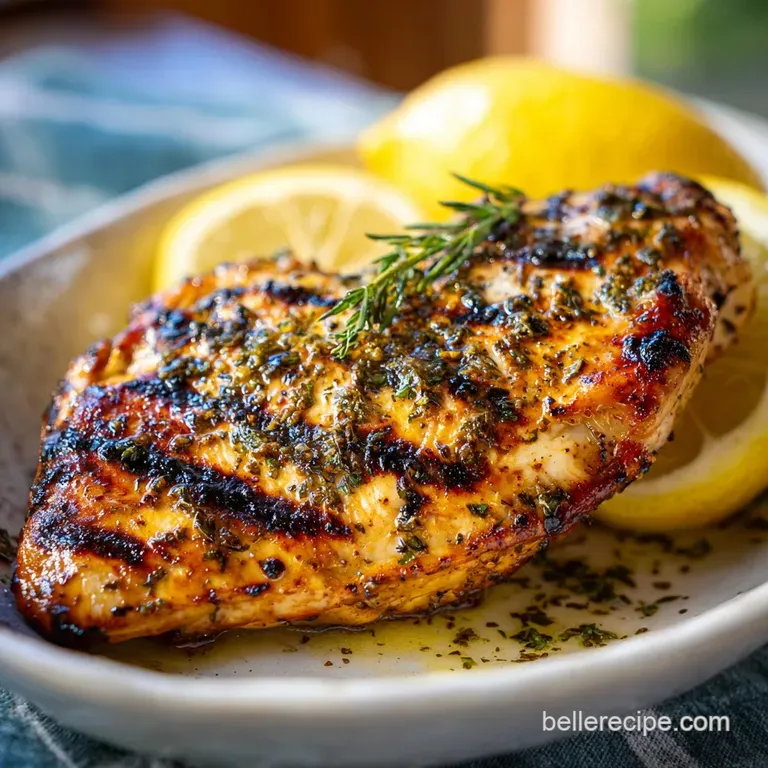
- Time: Active 12 minutes, Passive 45 minutes, Total 57 minutes
- Flavor/Texture Hook: Zesty, citrus forward, and remarkably juicy
- Perfect for: Stress free weeknight dinners or mindful meal prepping
- The Perfect Grilled Chicken Recipe with Lemon
- The Chemistry of Acid and Heat
- Timing and Temperature Checkpoints
- Essential Components for Better Flavor
- Proper Tools for Smarter Cooking
- Mindful Steps for Juicy Results
- Fixing Common Searing Issues
- Creative Twists for Busy Cooks
- The Physics of the Poultry Pore
- Preserving Freshness and Flavor
- Beautiful Sides for Simple Meals
- Recipe FAQs
- 📝 Recipe Card
The Perfect Grilled Chicken Recipe with Lemon
The first time I tried to grill chicken for a crowd, it was a total disaster. I had the grill cranked up way too high, and the meat ended up looking like charcoal on the outside while remaining suspiciously pink in the middle.
I remember the smell of burnt hair and the sound of my friends politely chewing through what felt like dry cardboard. It was a humbling moment that sent me straight back to the drawing board to learn how to actually treat a piece of poultry with respect.
This grilled chicken recipe with lemon and garlic delivers a flavorful, juicy main course perfect for any summer meal. After years of tinkering, I realized that the secret isn't just about heat, it's about the chemistry of the soak.
We've all had those meals where the lemon tastes like floor cleaner and the chicken is stringy, but we are skipping all of that today. We are going for something mindful and comforting that makes your kitchen smell like a Mediterranean garden.
You'll love how the garlic mellows out as it hits the grate, turning from sharp and pungent to sweet and nutty. We aren't doing anything fancy or technical here, just using a few simple pantry staples to create a meal that feels like a warm hug.
It's about taking those 6 oz breasts and giving them the love they deserve so they come off the grill plump and shimmering with juice.
The Chemistry of Acid and Heat
Acidic Tenderization: The fresh lemon juice works to gently break down the tough protein fibers on the surface, allowing moisture to penetrate deeper.
Maillard Reaction Enhancement: The small amount of natural sugars in the lemon zest and garlic helps create a beautiful brown crust when it hits the hot grate.
Fat Soluble Aromatics: Extra virgin olive oil acts as a carrier, pulling the essential oils out of the oregano and garlic to coat every inch of the meat.
| Cooking Method | Prep Time | Texture | Best For |
|---|---|---|---|
| over High heat Grill | 45 minutes | Crispy, charred exterior | Classic summer flavor |
| Cast Iron Pan | 10 minutes | Even, golden crust | Indoor weeknight meals |
| Air Fryer | 5 minutes | Uniformly tender | Quick meal prep |
Choosing the right method depends on your mood. If you've got the time to fire up the coals, the smoky depth is hard to beat. However, for a quick Tuesday night, a heavy cast iron skillet mimics that intense sear beautifully.
Timing and Temperature Checkpoints
Understanding the "how" behind the ingredients helps us cook with more intention and less stress. We often think of marinade as just flavor, but it's really about structure and protection. For example, the oil in our mix prevents the chicken from sticking to the grill, while the salt begins a process called denaturing that helps the meat hold onto its natural juices. It’s similar to the way we prep the base for our How to Make recipe, where balance is everything.
| Component | Science Role | Pro Secret |
|---|---|---|
| Lemon Zest | Essential Oils | Zest before juicing for max aroma without extra bitterness. |
| Garlic Paste | Aromatic Base | Grating garlic into a paste releases more sulfur for deeper flavor. |
| Oregano | Antioxidant/Flavor | Rub the dried leaves between your palms to "wake up" the oils. |
Using a garlic paste rather than chunks is a little trick I learned after too many burnt garlic bits ruined my dinner. A paste melts into the oil and creates a smooth, protective layer over the chicken. It ensures you get that punchy flavor in every single bite without any bitter, charred nuggets.
Essential Components for Better Flavor
- 4 (6 oz) chicken breasts: Look for pieces that are uniform in thickness so they cook at the same rate.
- Substitute: Chicken thighs (boneless). Why this? Higher fat content makes them even more forgiving against overcooking.
- 1/4 cup extra virgin olive oil: This provides the richness and prevents sticking.
- Substitute: Avocado oil. Why this? Higher smoke point if you prefer a very hot sear.
- 3 tbsp fresh lemon juice: The primary tenderizer.
- Substitute: White wine vinegar. Why this? Provides a similar sharp acidity but with a more fermented tang.
- 1 tbsp lemon zest: This is where the true "lemon" flavor lives.
- Substitute: Dried lemon peel. Why this? Concentrated citrus flavor when fresh lemons aren't available.
- 4 cloves garlic: Grated into a paste for maximum infusion.
- Substitute: 1 tsp garlic powder. Why this? Distributes flavor evenly if you're in a huge rush.
- 1 tsp dried oregano: Adds that classic earthy, herbal note.
- Substitute: Dried thyme. Why this? Offers a floral, woodsy aroma that pairs perfectly with citrus.
- 1/2 tsp sea salt: Essential for drawing moisture into the cells.
- 1/4 tsp cracked black pepper: Adds a subtle back of-the throat heat.
Proper Tools for Smarter Cooking
You don't need a professional kitchen to make a 5 star meal, but a few basics make the journey much smoother. I always keep a sturdy pair of tongs nearby. You want something that feels like an extension of your hand so you aren't fumbling when the fat starts to sizzle.
A microplane is also a lifesaver for that garlic and lemon zest - it’s much faster than chopping and gives you that silky paste we’re after.
If you don't have an outdoor grill, a well seasoned cast iron skillet is your best friend. It holds heat like nothing else, giving you those gorgeous brown marks that scream flavor. Just make sure you have your vent hood on high because things are going to get smoky in the best way possible.
Mindful Steps for Juicy Results
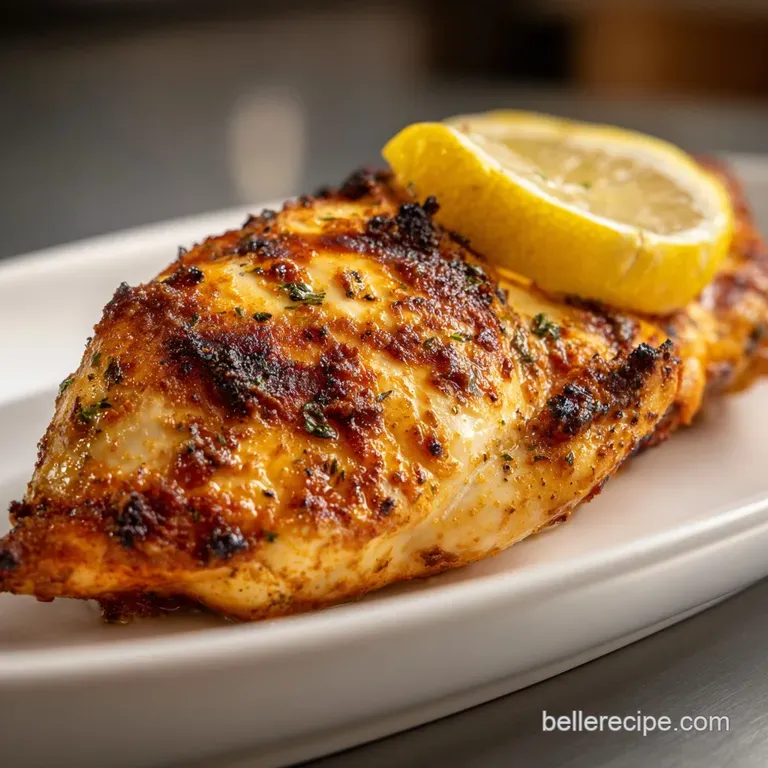
- Prep the poultry. Pat the 4 (6 oz) chicken breasts dry with a paper towel. Note: Surface moisture causes steaming instead of searing.
- Create the marinade. In a medium bowl, whisk the 1/4 cup olive oil, 3 tbsp lemon juice, 1 tbsp zest, garlic paste, 1 tsp oregano, salt, and pepper.
- Submerge the meat. Place the chicken in a shallow dish or bag and pour the mixture over it, ensuring every inch is coated.
- Chill and wait. Let it sit in the fridge for 45 minutes until the fibers have softened and absorbed the aromatics.
- Tempering. Remove the chicken from the fridge 15 minutes before cooking. Note: Cold meat seizes up and cooks unevenly on a hot grill.
- Fire it up. Preheat your grill to medium high heat (about 400°F or 200°C).
- The first sear. Place chicken on the grates and cook for 6 minutes until it releases easily from the grill with clear char marks.
- The flip. Turn the breasts over and cook for another 5-6 minutes.
- Check for doneness. Use a meat thermometer to ensure the internal temp reaches 165°F.
- The essential rest. Transfer to a plate and tent loosely with foil for 5 minutes until the juices have redistributed through the meat.
Chef's Tip: If you find your chicken breasts are very uneven in thickness, use a rolling pin or meat mallet to gently pound the thicker end. Aiming for a consistent 1 inch thickness across the whole piece ensures the edges don't dry out while the center finishes.
Fixing Common Searing Issues
We've all been there where the chicken looks great but tastes a bit flat, or worse, sticks so badly you lose half the crust to the grill. Usually, it's just a tiny tweak in technique that saves the day.
If your lemon flavor feels a bit too sharp, it might be that the marinade sat too long, essentially "cooking" the meat like ceviche and making it mushy.
Why Your Chicken Is Rubbery
If the texture feels more like a bouncy ball than a tender steak, it usually means the heat was too low. Instead of searing, the chicken sat in its own juices and steamed. This prevents the outside from crisping up while the inside overcooks.
| Problem | Root Cause | Solution |
|---|---|---|
| Meat sticks to grill | Grates were cold or dirty | Scrub grates and preheat until oil smoke barely appears. |
| Garlic tastes bitter | Garlic burnt on high heat | Use a paste rather than chunks so it absorbs into the meat. |
| Chicken is dry/stringy | Overcooked past 165°F | Pull at 160°F and let carryover heat do the final work. |
A little mindfulness during the sear goes a long way. If you love these bright flavors, you might also enjoy experimenting with a Honey Lemon Pepper Sauce recipe for a different take on the citrus theme.
✓ Pat chicken completely dry before adding to the marinade to prevent dilution. ✓ Always zest your lemons before you cut and juice them; it’s nearly impossible the other way around. ✓ Clean your grill grates with a wire brush while they are hot to prevent old flavors from sticking.
✓ Don't move the meat for at least 4 minutes after placing it down - the "release" happens naturally when the sear is set. ✓ Use a digital thermometer; guessing by color is the fastest way to serve dry chicken.
Creative Twists for Busy Cooks
If you are cooking for a larger family gathering, you can easily double this recipe. For the spices, I usually only go up to 1.5x the original amount so the oregano doesn't become too dominant. When working with larger batches, it’s best to grill in stages.
Don’t crowd the grates, or the temperature of the grill will drop too fast, and you’ll lose that beautiful sizzle.
For a smaller lunch for one, you can slice a single 6 oz breast into strips before marinating. This increases the surface area for the lemon and garlic to penetrate, and it cooks in about 4 minutes total. Just be careful not to walk away, as thin strips can go from perfect to parched in thirty seconds.
| Variation | Added Ingredient | Flavor Profile |
|---|---|---|
| Mediterranean | 1 tbsp Feta cheese | Salty and creamy finish |
| Spicy Citrus | 1/2 tsp Red pepper flakes | Subtle, lingering heat |
| Herby Garden | 2 tbsp Fresh parsley | Bright and grassy notes |
The Physics of the Poultry Pore
The secret to these Grilled Chicken Recipe with Lemon is the "Salt Acid Bridge." Salt opens up the cellular structure of the meat, while the lemon juice’s acid slightly denatures the proteins, creating "pockets" that trap the seasoned olive oil inside.
Preserving Freshness and Flavor
Leftovers are a gift for your future self. I love slicing up a cold breast the next day to toss into a salad or a wrap. If you keep the chicken in an airtight container, it stays wonderful in the fridge for up to 4 days. When you go to reheat it, avoid the microwave if you can. It tends to turn the proteins rubbery.
Instead, a quick flash in a warm pan with a splash of water or chicken broth will wake up the juices without drying it out.
If you want to freeze this, do it while the chicken is still in the marinade. The lemon and garlic will continue to infuse as the meat freezes and then again as it thaws. It can stay in the freezer for up to 3 months. To use it, just move the bag to the fridge 24 hours before you plan to cook.
It’s like a built in prep step for your future self. Any leftover lemon rinds can be tossed into a jar of white vinegar to make a simple, natural kitchen cleaner nothing goes to waste here.
Beautiful Sides for Simple Meals
There is something so comforting about a plate filled with colorful, simple food. This chicken is the star, but it loves a good supporting cast. I often serve it alongside some charred asparagus or a big bowl of fluffy quinoa. If you're looking for something a bit more indulgent, it pairs beautifully with a Classic Chicken Parmigiana Sandwich recipe approach if you have leftovers you want to transform into a hearty lunch.
I've also found that a dollop of Greek yogurt mixed with a little leftover lemon zest makes a cooling sauce that balances the charred garlic perfectly. It’s all about sharing a meal that feels intentional and nourishing.
Whether you're eating on the patio or at the kitchen counter, these flavors bring a little bit of sunshine to the table. Right then, I think you're ready to get that grill shimmering. Trust me, once you master this simple soak, you'll never go back to plain chicken again.

Recipe FAQs
How long should I marinate the chicken for the best flavor absorption?
Marinate for 45 minutes. This duration allows the lemon acid to gently tenderize the proteins without making the exterior mushy, which happens if you go much longer.
Is it necessary to rest the chicken after grilling, or can I eat it immediately?
Yes, resting for 5 minutes is essential. Tent the chicken loosely with foil after removing it from the heat so the internal juices redistribute evenly throughout the meat.
What internal temperature guarantees the chicken is safe but not overcooked?
Pull the chicken off the heat at 160°F. Carryover cooking will raise the internal temperature to the safe 165°F while keeping the meat juicy and preventing stringiness.
Why is my chicken sticking to the grill grates when I try to flip it?
The grill grates were likely too cold or dirty before contact. Ensure your grates are thoroughly scrubbed and preheated until the oil just begins to barely smoke before placing the marinated chicken down.
Can I substitute the fresh lemon juice with bottled juice for convenience?
No, stick with fresh juice for this recipe. Bottled juice lacks the necessary volatile oils found in fresh zest and can often taste overly metallic when exposed to high heat.
If I need a vegetable side dish to serve alongside this, which pairs best?
Charred asparagus is an excellent accompaniment. The slightly bitter, smoky flavor complements the bright citrus notes of the chicken perfectly, similar to the balance we achieve in our How to Cook recipe.
How do I ensure the garlic flavor infuses deeply without burning on the high heat?
Turn the garlic into a paste before mixing the marinade. Grating the cloves releases more essential oils, allowing the flavor to be carried by the olive oil rather than sitting on the surface to burn.
Grilled Lemon Garlic Chicken
Ingredients:
Instructions:
Nutrition Facts:
| Calories | 278 kcal |
|---|---|
| Protein | 40.8 g |
| Fat | 11.2 g |
| Carbs | 2.1 g |
| Fiber | 0.4 g |
| Sugar | 0.6 g |
| Sodium | 345 mg |
