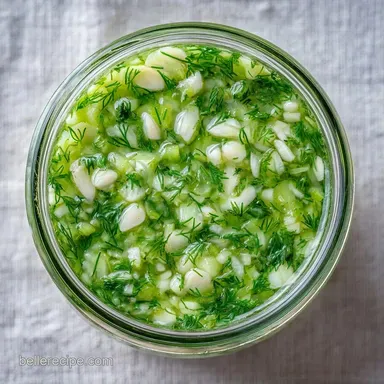
Homemade Garlic Pickle Brine: Sharp and Snappy
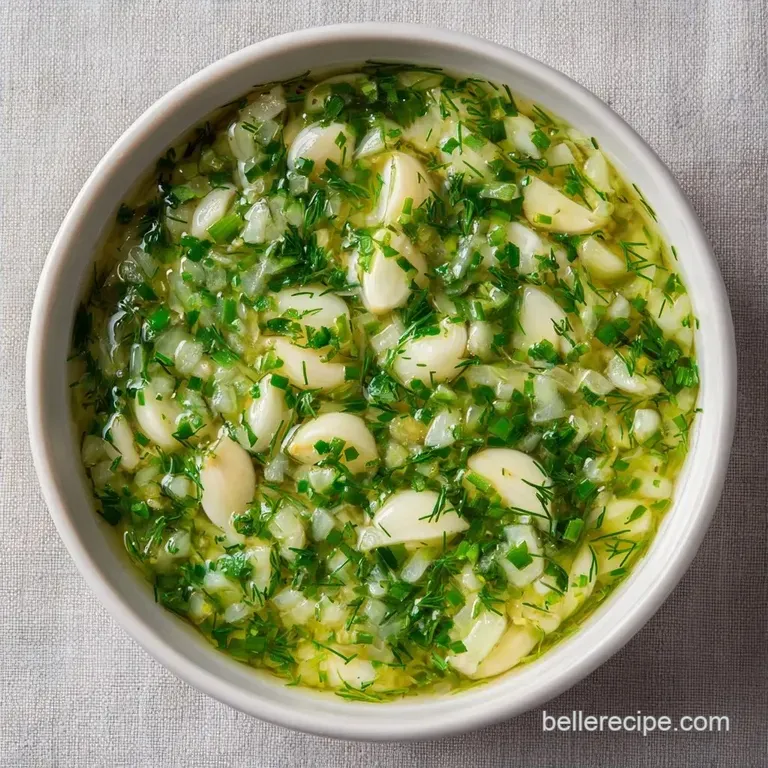
- Time: 20 min active + 24 hours chilling
- Flavor/Texture Hook: Sharp, aromatic garlic with a shatter crisp bite
- Perfect for: Meal prep, burger toppings, or a zesty snack
Homemade Garlic Pickle Brine
The smell of smashed garlic and hot vinegar hitting a jar is something I can't get enough of. It's that sharp, stinging aroma that fills the kitchen and immediately tells you that something vibrant is happening.
I remember my first attempt at pickling years ago; I skipped the salt quality and ignored the temperature, and I ended up with cucumbers that had the texture of a wet sponge. It was a disaster.
But after playing around with different ratios, I realized that the secret isn't in the cucumbers themselves, but in the liquid. A truly great Homemade Garlic Pickle Brine needs to balance the acidity of the vinegar with the savory depth of the garlic and the structural support of the right salts.
When you get it right, the garlic doesn't just sit there; it infuses the entire spear, giving you that punchy, aromatic kick in every bite.
This recipe is for those who want a "fridge pickle" style. We aren't doing the whole canning pressure cooker dance here. We're focusing on high impact flavor and that specific, satisfying snap. You'll end up with a jar of spears that taste like they came from a high end deli, but without the preservatives.
Why the Brine Works
Getting the texture right is the hardest part of pickling. Here is the logic behind why this specific blend works.
- Acid Balance: The 1:1 ratio of vinegar to water prevents the pickles from tasting like straight acid while still preserving the veg.
- Cell Wall Support: Calcium chloride interacts with the pectin in the cucumber skins, creating a tighter bond that resists softening.
- Flavor Penetration: Simmering the brine ensures the salt and sugar dissolve fully, allowing the liquid to move into the cucumber cells more efficiently.
- Aromatic Release: Heat triggers the release of essential oils from the mustard seeds and coriander, making the brine smell rich and complex.
| Method | Prep Time | Texture | Best For |
|---|---|---|---|
| Hot Brine | 20 minutes | Very Crisp | Long term fridge storage |
| Cold Soak | 10 minutes | Softer | Eating within 48 hours |
| Fermented | 2 hours | Tangy/Funky | Probiotic enthusiasts |
The Ingredient Logic
Not every salt or vinegar is created equal. If you use table salt with iodine, you might notice your brine looking cloudy or tasting metallic.
| Ingredient | Science Role | Pro Secret |
|---|---|---|
| White Distilled Vinegar | Acidifier | Use 5% acidity for consistent safety and tang |
| Kosher Salt | Osmotic Agent | Draws water out of the veg to make room for flavor |
| Calcium Chloride | Firming Agent | Often called "Pickle Crisp," it's the key to the shatter snap |
| Smashed Garlic | Flavor Base | Smashing rather than mincing releases more allicin |
Essential Gear
You don't need a professional lab to do this, but a few specific tools make the process smoother. I use wide mouth pint jars because they make packing the spears way easier. If you try to squeeze Kirby cucumbers into narrow mouth jars, you'll just end up bruising the vegetable.
A stainless steel saucepan is a must. Avoid aluminum or unlined copper, as the high acidity of the vinegar can react with the metal and give your brine a weird, metallic tang. For the garlic, a wide chef's knife for smashing is better than a press.
You want chunky pieces of garlic, not a paste, so the flavor releases slowly over the 24 hour cure.
Finally, a digital thermometer helps if you're worried about overheating. While we want a simmer, we aren't trying to boil the life out of the herbs. Keeping it just below a rolling boil preserves the bright, green notes of the fresh dill.
Putting It Together
Let's get into the actual process. This is where the layers of flavor start to build.
Step 1: Packing the Jars
Wash your cucumbers thoroughly to remove any wax or dirt. Slice them into spears, keeping them uniform so they pickle at the same rate. Distribute the smashed garlic cloves, fresh dill, and whole spices (mustard seeds, peppercorns, and coriander) evenly across the bottom of four pint jars.
Pack the cucumber spears in tightly. You want them snug, but not crushed. Leave about ½ inch of headspace at the top. Note: Packing tightly prevents the cucumbers from floating and getting soft spots.
Step 2: Infusing the Brine
In your saucepan, combine the 2 cups of white distilled vinegar, 2 cups of filtered water, 3 tbsp kosher salt, and 1 tbsp granulated sugar. Set the heat to medium and bring the mixture to a gentle simmer. Stir occasionally until the salt and sugar are completely dissolved.
As soon as it hits a simmer, remove it from the heat immediately. Note: Boiling too hard can evaporate the vinegar, changing your acid ratio.
Step 3: The Final Pour & Set
Carefully pour the hot Homemade Garlic Pickle Brine over the cucumbers. Make sure every spear is fully submerged. Tap the jars gently on your counter to release any trapped air bubbles that might be clinging to the garlic or dill. Seal the lids tightly.
Let them cool on the counter to room temperature before moving them to the fridge. Let them cure for at least 24 hours.
Chef's Note: If you're in a rush, you can eat them after 4 hours, but the garlic needs that full day to really penetrate the core of the cucumber.
Fixing Common Mistakes
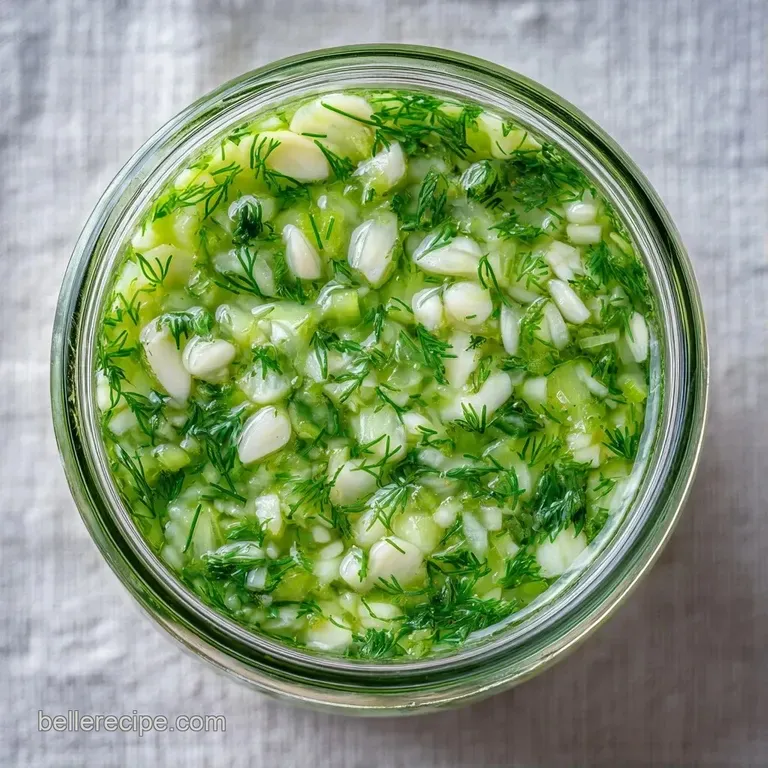
Even with a solid plan, things can go sideways. Usually, it comes down to the water quality or the cucumber variety.
Troubleshooting Common Issues
| Issue | Solution |
|---|---|
| Why Your Pickles Are Soft | This usually happens because of enzymes in the cucumber blossom end. If you don't slice off the very tip of the cucumber (the blossom end), those enzymes break down the pectin. |
| Why the Brine is Cloudy | Cloudiness is often caused by using iodized salt or impure water. The iodine reacts with the vinegar, creating a precipitate. It doesn't affect the safety, but it looks less professional. |
| Why Garlic Turns Blue | Don't panic if your garlic cloves turn a weird blue or green color. This is a natural chemical reaction between the sulfur in the garlic and the acid in the vinegar. |
Common Mistakes Checklist:
- ✓ Sliced off the blossom end of every cucumber.
- ✓ Used filtered water instead of hard tap water.
- ✓ Used kosher salt, not iodized table salt.
- ✓ Tapped jars to remove air pockets.
- ✓ Waited a full 24 hours before the first taste.
Customizing the Flavor
Once you've mastered the basic Homemade Garlic Pickle Brine, you can start playing with the aromatics. The beauty of this base is that it's a blank canvas.
If you want a spicy kick, add a teaspoon of red pepper flakes or two sliced habaneros to each jar. For a more "deli style" vibe, double the mustard seeds and add a pinch of celery seed.
If you find the white vinegar too sharp, you can swap 1 cup of it for apple cider vinegar, though this will give the brine a golden hue and a slightly fruitier taste.
For those who like variety, you can use this same brine for other vegetables. I've had great luck using it for zesty pickled banana peppers or even quick pickled radishes. The key is adjusting the soaking time; radishes only need a few hours, while peppers benefit from a few days.
| Goal | Adjustment | Impact |
|---|---|---|
| Extra Heat | Add 1 sliced jalapeño | Adds sharp heat and green color |
| Sweet Sour | Increase sugar to 2 tbsp | Mellows the acid, tastes like bread and butter |
| Earthy Note | Add 1 tsp cumin seeds | Adds warmth, great for Mexican style dishes |
If you're making a massive batch for a party, remember that you can't just quadruple the spices. I find that if you go 4x on the brine, you only need about 2.5x or 3x the whole spices. Too much coriander or peppercorn can easily overpower the garlic.
Storage and Scrap Tips
Since these are refrigerator pickles and not canned, they don't last forever. Store them in the back of the fridge where the temperature is most stable. They will stay shatter crisp for about 4 to 6 weeks.
Zero Waste Tips: Don't you dare pour that leftover Garlic Pickle Brine down the drain. It's essentially liquid gold. You can use it as a marinade for grilled chicken or as a base for a vinaigrette. Some people even use a splash of it in a Bloody Mary for an extra savory punch.
If you have cucumber scraps or ends that were too small for spears, toss them into a separate small jar with some of the brine. They'll be softer, but they make a great snack for the cook while the main batch is curing.
Best Ways to Serve
A great pickle is all about contrast. The acidity cuts through rich, fatty foods. I love serving these alongside a Morning Meal for 2 recipe to balance out the eggs and chorizo. The sharp garlic notes act as a palate cleanser between bites.
They are also an absolute necessity for a burger. Instead of the soggy slices you get from a bag, these spears add a fresh, aromatic crunch. If you're serving them as an appetizer, pair them with some sharp cheddar cheese and a grainy mustard.
For a more unexpected use, chop the pickled garlic cloves from the bottom of the jar and stir them into a potato salad. It replaces the need for raw onions and adds a layered, vinegary depth that ties the whole dish together.
Whether it's as a side or a garnish, this Homemade Garlic Pickle Brine ensures you'll always have something vibrant in the fridge.
Critical Sodium Level
3500 mg 3,500 mg of sodium per serving (152% 152% of daily value)
The American Heart Association recommends a limit of 2,300mg of sodium per day for most adults to maintain heart health.
Tips to Reduce Sodium
-
Reduce Kosher Salt-30%
Significantly reduce the kosher salt from 3 tbsp to 1.5 tbsp; the strong acidity of the vinegar will still provide a punchy flavor.
-
Use a Salt Alternative-25%
Replace a portion of the salt with a potassium based salt substitute to maintain the brining effect with less sodium.
-
Enhance Acidity-15%
Add lemon juice or apple cider vinegar to the mix to increase the perceived brightness and tartness, allowing you to use less salt.
-
Rinse the Spears-10%
Briefly rinse the cucumber spears under cold water before serving to remove the high concentration surface brine.
-
Boost Aromatics
Increase the amount of fresh dill and smashed garlic to provide a deeper, more complex flavor profile without adding sodium.
Recipe FAQs
Can you put raw garlic in pickle brine?
Yes, raw garlic is essential. Smashed cloves provide a pungent, sharp flavor that mellows and infuses the brine as the cucumbers cure.
How to make homemade dill pickle juice?
Simmer vinegar, water, salt, and sugar. Stir the mixture in a saucepan over medium heat until the solids are completely dissolved, then remove from heat immediately.
How to make pickles?
Pack cucumber spears and aromatics into jars, then pour over hot brine. Allow the jars to cool to room temperature before refrigerating for at least 24 hours for maximum flavor.
What do I need to make garlic dill pickles?
Gather cucumbers, white distilled vinegar, water, kosher salt, sugar, garlic, fresh dill, and whole spices. You will also need calcium chloride to maintain the crunch of the spears.
Is it true that blue garlic in pickles means they have gone bad?
No, this is a common misconception. A natural chemical reaction between the garlic and the vinegar can cause cloves to turn blue or green, but they remain safe to eat.
What are some surprisingly delicious ways to enjoy pickles?
Use the leftover brine as a marinade for chicken or a savory addition to a Bloody Mary. If you enjoy this sharp, acidic flavor balance, you will appreciate the technique used in our mignonette sauce.
Why are my homemade pickles soft?
Slice off the blossom end of the cucumber. Enzymes found at the tip break down pectin, which causes the pickle to lose its snap if the end isn't removed.
Homemade Garlic Pickle Brine in 30 Min