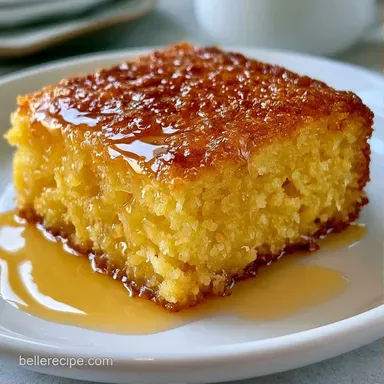
Honey Cornbread with Golden Edges
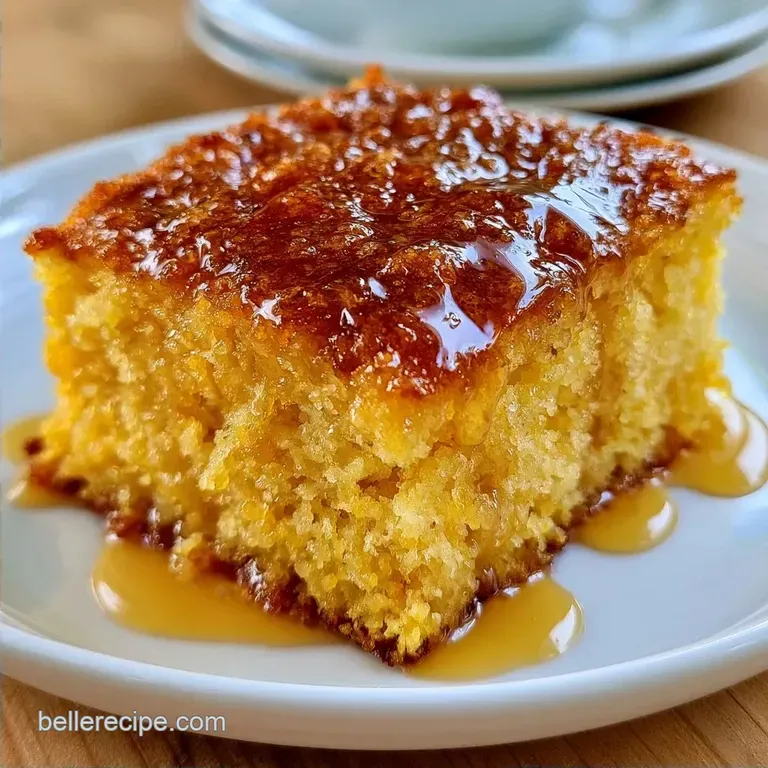
- Time: 10 minutes prep + 20 minutes in the oven
- Highlights: A rich, mahogany crust paired with a silky interior
- Best served at: Cozy family meals or a bright weekend brunch
Moist and Buttery Honey Cornbread
Imagine the smell of melting butter and warm honey hitting a scorching hot cast iron pan. That sizzle is the sound of the best part of the meal. In the American South, cornbread is more than a side dish, it's a way of bringing people together around a wooden table.
It's the kind of food that feels like a hug from a grandmother you haven't seen in years.
For a long time, I thought cornbread had to be a dry, crumbly block. I used to eat it with a glass of water just to get it down. But once I started using honey and buttermilk, everything changed. The result is a bread that feels indulgent but still tastes like home.
This Honey Cornbread has a beautiful contrast. You get those salty, crisp edges from the skillet and a soft, sweet center. It's the kind of dish that disappears before it even hits the center of the table, usually because someone sneaked a piece while it was still steaming.
How It Actually Works
- Honey's Role: Honey holds onto water better than granulated sugar. This keeps the Honey Cornbread moist and prevents it from turning into sawdust.
- The Hot Pan: Putting batter into a preheated skillet sears the bottom immediately. If you like a crunchier version, you might enjoy a Delicious Cracklin Cornbread Recipe which uses pork fat for an even deeper crust.
- Buttermilk Tang: The acid in buttermilk reacts with baking powder to create lift. This gives the bread a light, airy feel despite the heavy cornmeal.
| Method | Time | Texture | Best For |
|---|---|---|---|
| Cast Iron Skillet | 30 mins | Crispy edges, soft center | Traditional family meals |
| Baking Pan | 35 mins | Uniform soft crumb | Easy slicing/meal prep |
| Muffin Tins | 20 mins | Maximum crust per bite | On the-go snacks |
Tools for the Job
While any basic setup works, a few specific items can streamline the process. A 10-inch cast iron skillet is ideal here; its superior heat retention is exactly why we preheat it. A heavy, oven-safe cake pan is a great alternative if you lack a skillet.
I also recommend using two separate bowls, one for dry ingredients and another for wet. Mixing these separately prevents flour clumps from forming. Use a rubber spatula to fold the batter gently. Avoid stirring too vigorously with a whisk, as you'll deflate the air and end up with a dense result.
The Ingredient Breakdown
Let's go over the ingredients. I always opt for full-fat buttermilk because it brings a richness that skim versions lack. I'd advise against low-fat substitutes here; the fat is crucial for carrying the honey's flavor.
| Component | Purpose | Substitute Notes |
|---|---|---|
| Yellow Cornmeal | Foundation | White cornmeal: Lighter color and a more subtle taste |
| Honey | Sweetness and moisture | Maple syrup: Thinner consistency and a woodier flavor |
| Buttermilk | Tang and lift | Milk + 1 tbsp lemon juice: Missing some of the richness |
| Unsalted Butter | Browning and flavor | Coconut oil: A great alternative with a faint coconut aroma |
For the Dry Base
- 1 cup yellow cornmeal Why this? Delivers that traditional golden color and grit
- 1 cup all purpose flour Why this? Ensures the loaf has enough stability to hold together
- 1 tbsp baking powder Why this? The key to achieving a light, fluffy rise
- 1/2 tsp kosher salt Why this? Offsets the honey's sweetness
For the Sweet & Wet Mix
- 1/2 cup honey Why this? Natural sweetener that locks in moisture
- 1/2 cup unsalted butter, melted Why this? Contributes to a rich, velvety mouthfeel
- 1 cup full fat buttermilk Why this? Softens the gluten in the flour
- 2 large eggs Why this? Binds the batter for a sturdy crumb
- 1 tbsp unsalted butter (for the skillet) Why this? Prevents sticking and helps brown the edges
Basic Recipe Specs
This recipe is straightforward. It doesn't require any fancy techniques, just a bit of patience with the oven temperature. I've found that 400°F is the sweet spot. Any lower and you lose that crisp edge; any higher and the top burns before the middle is set.
You can expect about 8 generous servings from this. Since it's a dense bread, a small square goes a long way, especially if you're serving it with a heavy stew or chili. Total time is exactly 30 minutes, though you'll want to let it cool for 5 minutes so it doesn't crumble when you slice it.
Steps to the Bake
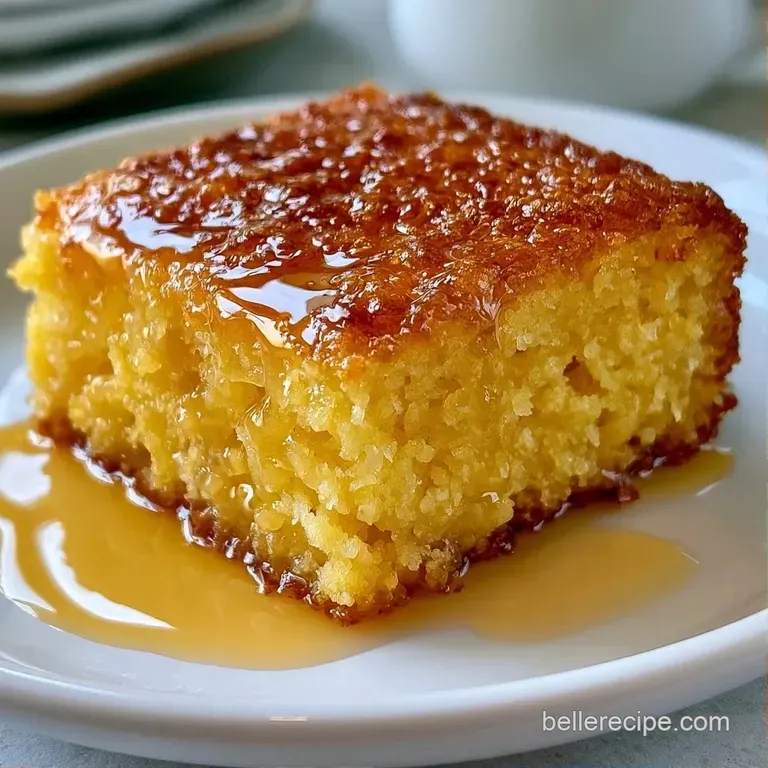
- Place your 10 inch cast iron skillet in the oven and preheat to 400°F (200°C). Note: Heating the pan first is what creates the crust.
- In a large bowl, whisk together the cornmeal, flour, baking powder, and salt.
- In a separate bowl, whisk the melted butter, honey, eggs, and buttermilk until smooth.
- Pour the wet mix into the dry bowl and fold gently with a spatula just until the flour streaks disappear. Note: Over mixing makes the Honey Cornbread tough.
- Carefully remove the hot skillet from the oven. Add one tablespoon of butter and swirl it around to coat the bottom.
- Pour the batter into the skillet and smooth the top with your spatula.
- Bake for 20-25 minutes until the edges pull away from the pan and the top is deep golden brown.
- Let the Honey Cornbread rest in the pan for 5 minutes before slicing.
Avoiding Kitchen Disasters
If your bread comes out a bit off, don't panic. Most issues come down to mixing or heat. For example, if you stir the batter until it's perfectly smooth, you've likely over worked the gluten. A few lumps are actually your friend here.
Another common issue is the "gooey center." This usually happens if your oven isn't actually at 400°F or if your skillet was cold when the batter went in. The heat needs to penetrate from the bottom and top simultaneously.
If the edges are dark but the middle jiggles, give it another 3-5 minutes.
Fixing a Crumbly Texture
When the bread falls apart, it's often because of too much cornmeal or too little binder. Ensure your eggs are room temperature so they emulsify better with the butter.
Handling an Uneven Rise
This happens when the baking powder is old or the oven heat is uneven. Rotate your pan halfway through if your oven has a "hot spot."
Solving Burnt Bottoms
If the bottom is black but the top is pale, your skillet was too hot. Next time, let the pan cool for 2 minutes before adding the butter and batter.
| Problem | Root Cause | Solution |
|---|---|---|
| Too Crumbly | Over mixed or old cornmeal | Fold gently; check cornmeal date |
| Gooey Center | Cold pan or low oven temp | Preheat skillet for 10 mins |
| Dense Crumb | Expired baking powder | Use fresh leavening agents |
Changing the Batch Size
To make more Honey Cornbread for a crowd, doubling the recipe is straightforward, but avoid using one massive pan. Instead, use two 10-inch skillets. If you attempt to bake a double batch in a single deep pan, the edges will likely burn before the center is cooked through.
For a smaller portion, you can halve all the ingredients. Since splitting an egg is tricky, whisk one together and measure out approximately two tablespoons. A 6-inch skillet is ideal for a half batch; just remember to reduce the baking time by about 20%.
If you scale up and opt for a larger baking sheet, lower the oven temperature to 375°F. This slower process prevents the top from scorching while the larger volume of batter sets.
Keeping it Fresh
The honey keeps this loaf moist, but it will still harden if left on the countertop. Keep it in a closed container in the refrigerator for about 3 days. To restore that just-baked quality, toast a slice or heat it in a dry pan for a minute.
For longer preservation, wrap individual slices in foil and place them in a freezer bag for up to 2 months. This is my favorite method since I can enjoy a warm piece of Honey Cornbread on any given day without baking another pan.
To avoid waste, save the "heel" and any dry edges. Mix them in a pan with some butter and a pinch of sugar to create a corn crumble topping for peaches or apples. It's the perfect way to use every single crumb.
Fresh Twists and Swaps
If you want to lean into the savory side, add a handful of shredded sharp cheddar and some chopped jalapeños to the dry mix. The heat from the peppers cuts through the sweetness of the honey beautifully. For a more traditional approach, you can look at my Recipe in 25 Minutes for a simpler version.
You can also turn this into Honey Cornbread Muffins. Just grease a muffin tin and fill each cup about 3/4 full. Bake them at 400°F for about 15-18 minutes. You'll get more crispy edges per person this way, which is a win in my book.
For a dairy-free version, use a coconut based buttermilk (soy milk with lemon juice) and melted coconut oil. The Honey Cornbread will be slightly denser, but the honey still keeps it from being dry.
I've found that almond flour can replace a small portion of the AP flour for a nuttier flavor, though it makes the bread a bit more fragile.
| Goal | What to change |
|---|---|
| More Savory | Add 1/2 cup cheddar + jalapeños |
| gluten-free | Use 1:1 GF flour blend |
| Extra Sweet | Increase honey by 2 tbsp |
Ways to Enjoy
Honey Cornbread is best served warm, topped with a melting pat of salted butter. It's a perfect accompaniment to spicy beef chili or a side of collard greens, as the sweet notes provide a wonderful contrast to the savory, spicy flavors of the main dish.
For a weekend brunch, slice the bread thinly and sear it in a buttery pan. Add a fried egg on top and a little more honey for a gourmet sweet-and-savory meal that only takes five minutes to prepare.
Another favorite is serving it with homemade honey butter. Just whisk together a tablespoon of honey, a pinch of salt, and some softened butter. This simple addition transforms the cornbread into a real treat, the extra richness is absolutely worth it.
This Honey Cornbread is the ultimate comfort food, whether you're eating it alone or with friends. It's a testament to how a few humble ingredients and a hot skillet can produce a memorable meal. Let's dive in and start baking.
Recipe FAQs
Can you make cornbread with honey instead of sugar?
Yes, honey works perfectly. It provides a deeper floral flavor and helps the bread stay moister than granulated sugar would.
How to get a professional crust?
Preheat a cast iron skillet to 400°F before adding the batter to create a crispy, golden edge. Fold the ingredients gently to avoid overmixing, which ensures the crumb stays tender.
What's the difference between this and Southern cornbread?
The main distinction is sweetness. While traditional Southern styles are usually savory and sugar-free, this version is sweeter and pairs beautifully with homemade garlic butter.
Is it true that honey makes cornbread too dense to rise?
This one's false: The baking powder in this recipe provides plenty of lift, ensuring a light and airy texture despite the liquid sweetener.
Honey Cornbread in 35 Minutes