Tonkatsu Sauce the Ultimate Homemade Savoury Sweet and Tangy Perfection
- Elevating the Dipping Game: Why Scratch and Made Sauce Matters
- The Unexpected Fusion: Decoding the Flavour Profile of Tonkatsu Sauce
- Essential Base Ingredients for Authentic Flavour
- Quick Prep: Tools Required for Mixing and Storage
- Step and by-Step Guide to Crafting Your Rich Tonkatsu Sauce
- Simmering and Reduction: Achieving Optimal Consistency
- Beyond the Pork Cutlet: Creative Uses for This Workhorse Sauce
- Storage, Shelf Life, and Customizing Your Homemade Tonkatsu Sauce
- Recipe FAQs
- 📝 Recipe Card
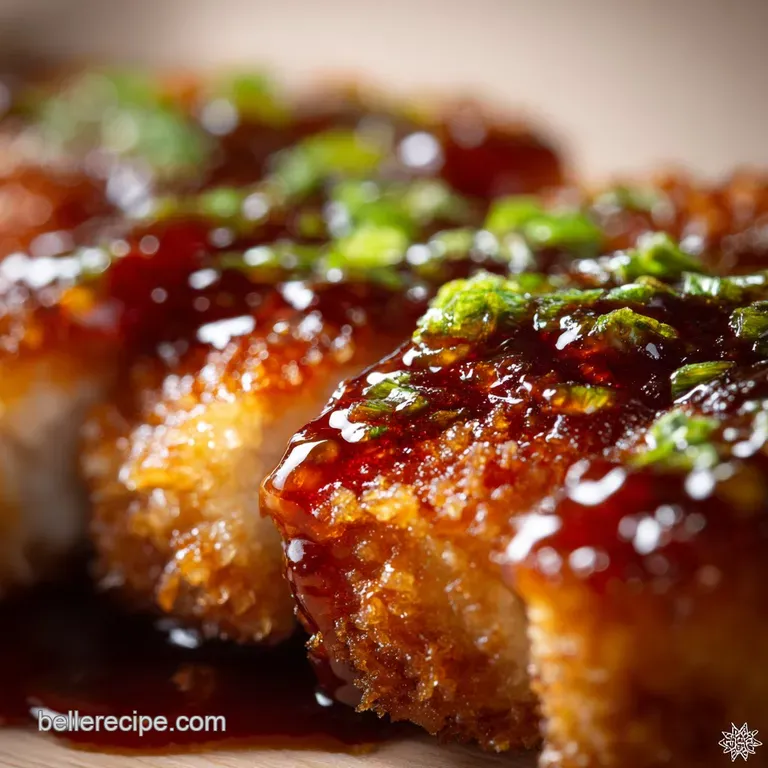
Elevating the Dipping Game: Why Scratch and Made Sauce Matters
Look, I get it. You’re making crispy pork cutlets, the tonkatsu , maybe some amazing prawn katsu, and you think, "I'll just grab that dark, brown sauce bottle from the Asian market." Right? We’ve all done it. And it’s fine. It does the job.
But if you are putting in the effort to pound, bread, and fry a perfect cutlet, why stop short when the dipping sauce is the whole payoff?
Homemade Tonkatsu Sauce is a game and changer. It’s fresher, way less sugary, and has this depth of flavour that honestly makes the bottled stuff taste flat and slightly synthetic. The bottled version is usually packed with corn syrup and thickeners.
When you make it yourself, you control the sweet and to-tang ratio, and you get to use fresh ginger and garlic. Trust me, the difference is noticeable immediately. Plus, it’s ridiculously easy. We're talking 10 minutes, max. Seriously, why wouldn't you?
The Unexpected Fusion: Decoding the Flavour Profile of Tonkatsu Sauce
It’s hilarious that this distinctly Japanese sauce is basically built on a foundation of Western condiments. We’re talking ketchup and Worcestershire. If you told a pre and WWII cook they were making a traditional Japanese dish with those ingredients, they’d look at you sideways.
But the magic here is how those familiar, fruity, acidic ingredients are deepened and transformed by soy sauce, a touch of potent garlic, and that crucial, gentle simmer.
Pantry Staples Transformed: The Alchemy of Umami
The secret to why this homemade Tonkatsu Sauce recipe works so well is layered umami. We are hitting umami from three different angles: the fermented anchovy/tamarind base of the Worcestershire, the savory depth of the soy sauce (or tamari, if you're gluten and free), and the ripe tomato notes in the ketchup.
When you simmer these items together, they meld into something far greater than the sum of their parts. It becomes thick, dark, and almost syrupy with that deep, savory punch.
The Myth of Bottled Condiments Debunked
I once tried to pass off a store and bought version as my own, thinking, "No one will notice." My friend (the kind of person who studies ingredient labels for fun) immediately called me out. She said, "It’s too sweet, and I taste preservatives." Ouch. Lesson learned.
The issue with mass and produced katsu sauce is that they amp up the sugar drastically to hit that addictive sweet spot and use thickening gums instead of relying on natural reduction. When you make it fresh, you use brown sugar for that lovely molasses depth and then just let the heat do the work.
The natural reduction gives it a body that manufactured thickeners can never replicate.
Mastering the Balance: Sweetness versus Acidity
This sauce is all about tension. If it's too sweet, it tastes like bad BBQ sauce. If it's too tangy, it’s jarring. The brown sugar and honey (or maple syrup) provide the necessary sweetness, but the apple cider vinegar is the hero that cuts through all the richness.
A good Homemade Tonkatsu Sauce recipe needs that acidic pop on the back of the tongue. It keeps the whole thing vibrant. Don't be afraid to taste and adjust the vinegar at the end. That’s what separates the good cooks from the recipe followers.
Essential Base Ingredients for Authentic Flavour
The components list might look simple, but the quality of a few items really matters. We need high and quality ketchup, first of all. I know, but trust me, the slightly acidic, balanced flavour of a good brand makes a difference.
Second, the Worcestershire sauce. This is non and negotiable. If you’re trying to make this without Worcestershire, you’re making something else entirely. That potent, fermented, dark sauce is the backbone. If you want true depth, you need those funky, intense notes.
Finally, we use a combination of light brown sugar and a liquid sweetener (honey or maple syrup). The brown sugar adds a deep caramel flavour, while the honey just smooths things out. It’s a beautiful pairing.
Quick Prep: Tools Required for Mixing and Storage
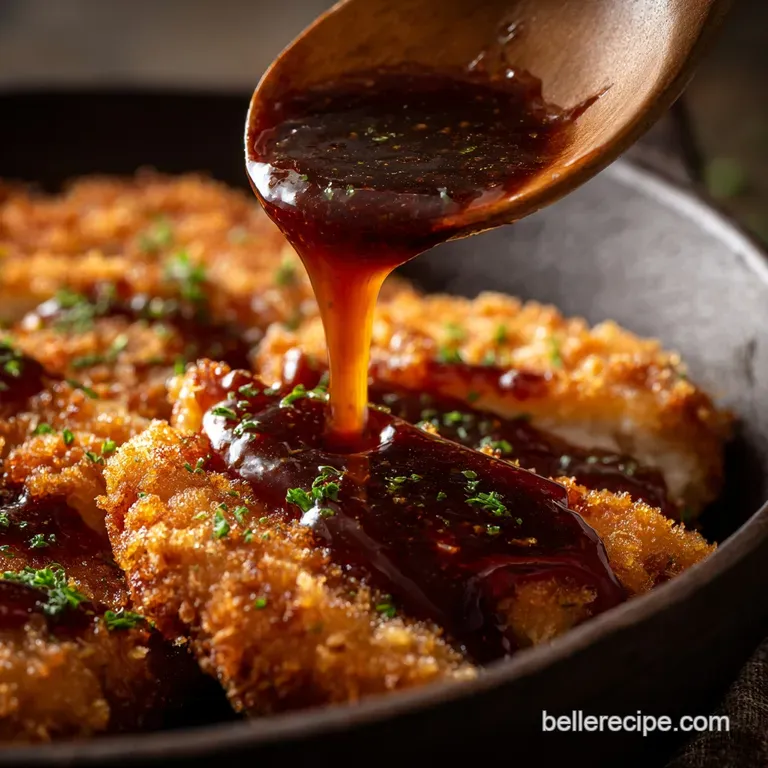
You don't need fancy equipment for this. A small saucepan, a whisk, and your trusty measuring cups are the stars of the show.
Anchoring the Umami: Choosing the Right Worcestershire
Seriously, spend a little extra money here. Some generic brands are just glorified vinegar and caramel colour. You need one that is robust and dark. The authentic complexity the tamarind, the molasses, the anchovies (don't worry, you won't taste fish, just deep savoriness) is essential for this sauce to taste like traditional katsu sauce.
Sweeteners and Tang: Selecting Quality Ketchup and Vinegar
Don’t grab the extra and sweet, kid and friendly ketchup. Find one that tastes like cooked tomatoes, not just sugar. For the vinegar, apple cider vinegar works perfectly because its fruity note plays nicely with the tomato base.
You can swap it for rice vinegar if you prefer a milder tang, but I find the cider vinegar gives the Tonkatsu sauce recipe its essential zing.
Spice Cabinet Secrets: Enhancing the Depth
Our secret weapons here are fresh ginger and fresh garlic. When you grate them extremely finely (I’ll repeat this because it's important: microplane it ), they dissolve completely while simmering. This gives the sauce an aromatic complexity without any chunky texture.
The Dijon mustard isn't for heat, it’s actually a brilliant little emulsifier that helps the disparate ingredients hold together beautifully and adds a tiny, savory kick.
Measuring Success: Accuracy in the Sauce Kitchen
Unlike baking, you have a little wiggle room here, but when mixing the base ingredients, stick to the measurements precisely. The 1/4 cup ratio of Worcestershire to 1/2 cup of ketchup is the starting point for that perfect balance. You can adjust seasonings later, but nail the wet ingredients first.
Related Recipes Worth Trying
- Silky Alfredo Sauce without Heavy Cream The Evaporated Milk Secret — Achieve that gorgeous velvetsmooth Alfredo Sauce without Heavy Cream using our secret evaporated milk trick This easy alfredo recipe without cream is...
- The Ultimate Bright Zesty Homemade Yuzu Ponzu Sauce — Ditch the storebought stuff This easy Yuzu Ponzu Sauce recipe brings intense citrus zing and umami depth to any dish Get the secret ingredients list here
- The Ultimate Homemade Chicken Divan Recipe with Curry Sauce — Ditch the canned soup This classic Chicken Divan casserole is made from scratch with a luxurious curryspiced Mornay sauce Totally comforting comfort food...
Step and by-Step Guide to Crafting Your Rich Tonkatsu Sauce
Right then, let's crack on. This is so simple, you’ll be shaking your head at why you ever bought it in a bottle.
- Prep the Aromatics: Get that garlic and ginger grated. They need to be practically liquid.
- Combine the Base: Toss the ketchup, Worcestershire sauce, soy sauce, both sugars, honey, vinegar, and the water (or stock) into your saucepan.
- Add the Flavour Bombs: Stir in the grated ginger, garlic, and Dijon mustard.
- Whisk It: Whisk everything until the brown sugar starts to break down and the mixture looks uniform and slightly thin.
Simmering and Reduction: Achieving Optimal Consistency
This short cooking step is where the magic really happens, merging all those aggressive flavors into one harmonious dark elixir.
Combining the Wet Ingredients First
Mixing everything while cold ensures you have a smooth base before the heat hits it. If you add the sugar and then immediately apply heat, you risk scorching the sugar on the bottom of the pan, which gives your sauce a burnt undertone. Nobody wants that.
The Gentle Heat Method for Flavour Integration
Turn the heat to medium. Bring it to a gentle, bubbling simmer (not a raging boil, we aren't making jam). Once it starts bubbling, drop the heat way down to low. We want the heat to be just strong enough to maintain that low simmer. Keep stirring occasionally while it reduces.
This lets the fruitiness of the ketchup mature and the Worcestershire really deepen its notes.
Tasting and Adjusting the Final Seasoning
Simmer for about eight to ten minutes. You’ll notice the sauce darkening and slightly thickening. Now is the time to taste it. Is it lacking punch? Maybe a drop more vinegar. Too tangy? Add a tiny bit more sugar.
Crucial Warning: Do not, I repeat, DO NOT cook the sauce down until it is perfectly thick on the stove. It will look slightly runny when hot. If you reduce it until it’s perfect, it will seize up like glue when you chill it.
We rely entirely on the cooling process to achieve that classic viscous, thick texture.
Cooling Down: Preparing the Sauce for Storage
Remove it from the heat immediately after the 10 minute simmer. Pour it into a clean jar or heatproof bowl. Let it sit on the counter until it reaches room temperature. As the sauce cools, the water evaporates and the sugars settle, resulting in that glossy, thick coating consistency we’re after.
Once cool, you can cover it and chill it.
Beyond the Pork Cutlet: Creative Uses for This Workhorse Sauce
I promised you a workhorse sauce, and I mean it. While the classic pairing with Tonkatsu is divine, this stuff deserves to be slathered on just about anything.
- Drizzled over Japanese Style Omelets: Think of a savory version of steak sauce for your eggs. Incredible.
- Glazing Veggies: Brush it onto roasted Brussels sprouts or even grilled portobello mushrooms in the last five minutes of cooking.
- Mixing into Meatloaf: Replace some of your traditional ketchup in your meatloaf or meatball recipe for an instant umami boost.
- Dipping Fries: Forget boring ketchup. Use this for your sweet potato or regular chips. It's brilliant.
Storage, Shelf Life, and Customizing Your Homemade Tonkatsu Sauce
Storage Solutions: Maximizing Freshness
Because we’ve cooked this sauce down, it has decent shelf life, much longer than a fresh dressing. Once cooled, store the sauce in an airtight container (a simple mason jar works great) in the refrigerator.
It will easily last for two weeks, possibly three, though honestly, mine is always gone before the two and week mark.
Making it Spicier: Heat Variations and Additions
If you like some heat, you have a few options:
- Add a dash of shichimi togarashi (Japanese seven and spice blend) after the sauce is finished cooking. It adds texture and fragrant citrus notes alongside the chili.
- Stir in a few drops of Sriracha or gochujang during the simmering stage.
- A classic, simple addition: whisk in 1/4 teaspoon of cayenne pepper with the initial wet ingredients.
Ideal Pairings: What to Serve with Homemade Tonkatsu Sauce
If you serve this sauce, you must serve it with the traditional accompaniment: shredded raw cabbage. The coolness and slight bitterness of the crisp cabbage provides the perfect counterpoint to the rich, warm, fried protein and the deep, sweet sauce. It’s essential for cleansing the palate.
Pair it with the katsu, fried chicken, or even vegetable croquettes.
Nutritional Snapshot: Understanding the Components
Yes, this sauce contains sugar because that is intrinsic to the flavour profile (it’s a dipping sauce, not a daily dressing), but remember, we are primarily using natural ingredients here, unlike the high and fructose corn syrup that dominates the commercial versions.
We have beneficial compounds from the fermentation in the Worcestershire sauce, and a little bump of Vitamin C from the tomato base. It’s a condiment to be savoured, not swigged, and it’s miles ahead of its processed cousins. Enjoy every spoonful.
Recipe FAQs
Why bother making this when I can just buy the bottled stuff?
store-bought sauces are often dominated by high fructose corn syrup and lack dimension, whereas this homemade version is fresher, deeper, and boasts that essential complex balance of tangy, sweet, and savoury notes it's miles better than the ready-made gear you pick up at the shop.
My homemade Tonkatsu Sauce hasn't thickened up like I wanted. Did I do something wrong?
Not at all! It’s a common wobble; this sauce is designed to thicken significantly only once it's completely cooled down in the fridge, so resist the urge to over reduce it on the hob.
If it’s still too thin after chilling, bring it back to a gentle simmer for another five minutes to encourage further reduction.
I haven’t got any fresh ginger to hand. Can I just leave it out or use ground ginger?
Fresh ginger is crucial for the bright, aromatic "zing" that cuts through the richness, so leaving it out is a bit of a missed opportunity, like tea without milk! If absolutely necessary, use a tiny pinch (1/8 tsp) of ground ginger, but be warned, the flavour won’t be quite as lively or fresh.
Right, I've got a whole jar of this magic brew. How long will it keep in the fridge?
Provided it's stored in a squeaky clean, airtight container, this sauce will keep happily in the fridge for up to two weeks, which should be plenty of time to slosh it over everything in sight before you need to make a fresh batch.
Is this only good for fried pork cutlets, or can I be a bit more adventurous?
Oh, pull the other one! This sauce is a proper workhorse and brilliant on virtually anything fried or grilled; try it drizzled over crispy halloumi, as a tangy accompaniment to chip shop chips, or even mixed with mayonnaise for a stunning special sauce on your next weekend burger.
Homemade Tonkatsu Sauce Recipe
Ingredients:
Instructions:
Nutrition Facts:
| Calories | 60 calories |
|---|---|
| Fat | 0 g |
| Fiber | 0 g |
