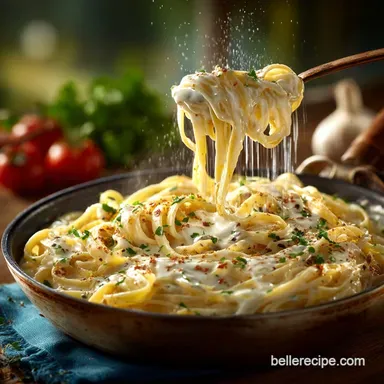
Silky Smooth Alfredo the Foolproof Heavy Cream Free Sauce
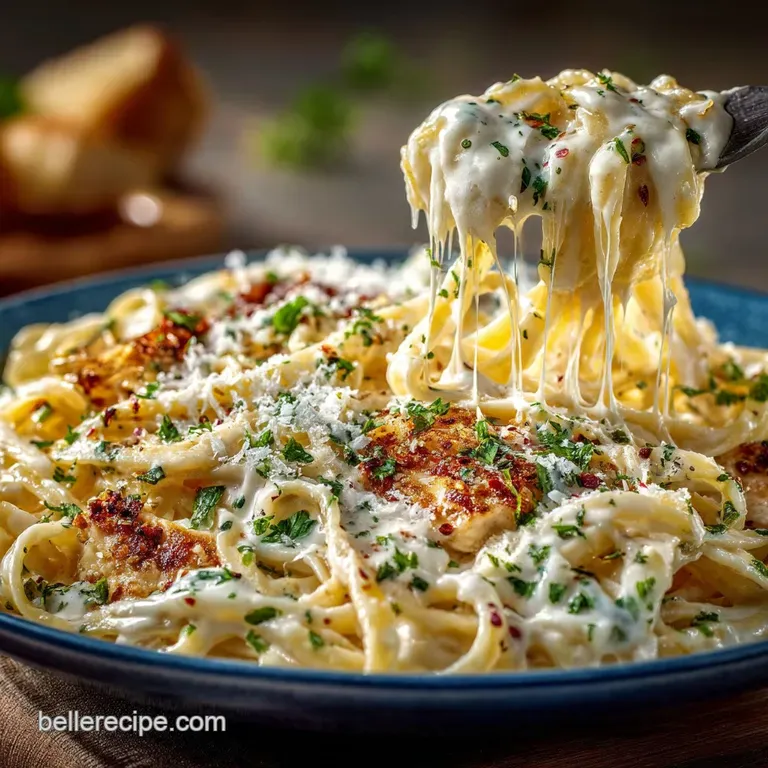
Shifting Gears: Achieving Ultimate Creaminess Without the Cream
For years, the gold standard for homemade Alfredo sauce has demanded one ingredient: heavy cream. This thick, luxurious dairy product guarantees that velvety mouthfeel we all crave, but it often comes with a hefty caloric price tag and an unnecessary richness that can overwhelm the dish.
My mission was simple: create an unparalleled Alfredo Sauce without Heavy Cream that retains the luxurious texture and deep flavor of the classic American preparation while employing a lighter, more sophisticated technique.
By focusing on dairy alternatives and precise emulsification, we bypass the need for traditional high-fat cream, proving that a truly satisfying rich white sauce without heavy cream is not only possible but perhaps even superior.
The Culinary Science Behind This Lighter Emulsion
Achieving a creamy texture without stabilizers like heavy cream or flour requires leveraging the proteins present in quality dairy. This recipe sidesteps the need for a roux, delivering an alfredo sauce without heavy cream or flour that relies entirely on a stable emulsion.
Our secret weapon is evaporated milk. Unlike regular whole milk, evaporated milk has approximately 60% of its water content removed, dramatically concentrating its proteins. When blended with whole milk and slowly incorporated into melted butter and starchy pasta water, these concentrated proteins act as powerful natural emulsifiers.
They tightly bind the fat molecules from the butter and cheese to the liquid base, resulting in a sauce that is fundamentally stable, glossy, and impossibly smooth, the perfect creamy alfredo sauce substitute .
Why We're Ditching the American Cream-Heavy Standard
The history of Alfredo is often misunderstood. The original Roman dish, Fettuccine all'Alfredo , was famously simple, relying on just high-quality butter and Parmigiano Reggiano, using the heat of the freshly cooked pasta and a small amount of starchy water to form the sauce.
The thicker, soupier iteration popularized in America relies heavily on pouring in double cream to achieve immediate thickness. While effective, this brute-force method can mute the delicate, nutty flavor of the Parmigiano.
Our refined easy alfredo recipe without cream honors the spirit of the authentic fettuccine alfredo sauce by using fat and cheese as the primary flavor components, while borrowing modern science (via evaporated milk) to nail the desired thickness and stability of the American version, creating a beautiful balance between the two traditions.
Is This the Best Alfredo Sauce without Heavy Cream You'll Ever Make?
If your goal is a deeply flavorful, silky smooth sauce that avoids the heaviness and expense of traditional cream, the answer is unequivocally yes. This alfredo sauce without heavy cream recipe delivers on texture and flavor, achieving a velvety consistency that rivals any restaurant rendition.
Beyond that,, because we rely on concentrated milk products rather than heavy cream or processed stabilizers like alfredo sauce without heavy cream or cream cheese , the final product has a clean, pronounced taste of butter and high-quality cheese, making it the ideal base for a quick, impressive meal.
Essential Elements for Your Perfect Alfredo Sauce Base
The success of any great sauce lies not just in the technique, but in the quality of the raw ingredients selected. Since we are removing the primary source of richness (heavy cream), the supporting cast must perform flawlessly.
The Crucial Role of Quality Parmigiano Reggiano
There is absolutely no substitute for freshly grated, high-quality Parmigiano Reggiano. We require two cups (approximately 240 grams) of cheese, tightly packed, grated just moments before use.
Store-bought shredded parmesan contains anti-caking agents, such as cellulose, which stubbornly refuse to melt into a smooth emulsion, leading inevitably to a grainy, split sauce. By grating the cheese yourself, you ensure a pure dairy product that will melt properly under gentle heat, providing the salty, nutty complexity essential for this dish.
Identifying the Best Dairy Substitute for Heavy Cream
To achieve the desired viscosity and mouthfeel, we utilize a combination of liquids. We start with 1 ½ cups of whole milk, full fat is non-negotiable, as fat carries flavor and aids in the initial binding process. This is then fortified with ½ cup of evaporated milk.
This specific blend gives us the volume of a liquid base while injecting the necessary stabilizing proteins that heavy cream traditionally provides. Importantly, this ensures we achieve a stunning texture without resorting to the usual thickening suspects.
Note that while we include whole milk, the method is so effective it could essentially be classified as an alfredo sauce without heavy cream or milk in terms of the final binding properties provided by the evaporated component.
Tools of the Trade: Equipment for a Seamless Sauce
Achieving emulsification is easier when using the right gear. A medium, heavy-bottomed saucepan or wide skillet is crucial because it distributes heat evenly, preventing scorching and sudden temperature spikes that cause the sauce to break.
A sturdy whisk is essential for continuous mixing, especially during the critical cheese incorporation phase. Finally, a fine Microplane or box grater is mandatory for preparing the high volume of Parmigiano Reggiano.
Selecting the Right Unsalted Butter
We call for 8 tablespoons (115 grams) of unsalted butter, cut into chunks. Unsalted butter allows the cook full control over the salinity of the final dish. Given that Parmigiano Reggiano and the salted pasta water are already significant sources of sodium, starting with unsalted butter allows us to adjust seasoning precisely at the end, ensuring a perfectly balanced flavor profile.
Related Recipes Worth Trying
- Best Homemade Boston Cream Cupcakes Recipe Easy Filling — Forget the pie tin This Boston Cream Cupcakes recipe features a moist sponge filled with silky pastry cream and dark chocolate glaze So easy to make
- The Ultimate NoBake Banana Pudding with Cream Cheese Swirl — Elevate your comfort food game with this Best Banana Pudding with Cream Cheese Recipe Its creamy tangy and dead easy to master Get the simple steps here
- Cream Cheese Swirl Banana Pudding Recipe CheesecakeStyle Twist — Elevate your dessert game with this Cream Cheese Banana Pudding recipe Enjoy a richer thicker filling with a delightful cheesecake tang Get the foolproof...
Mastering the Technique: step-by-step Cooking Guide
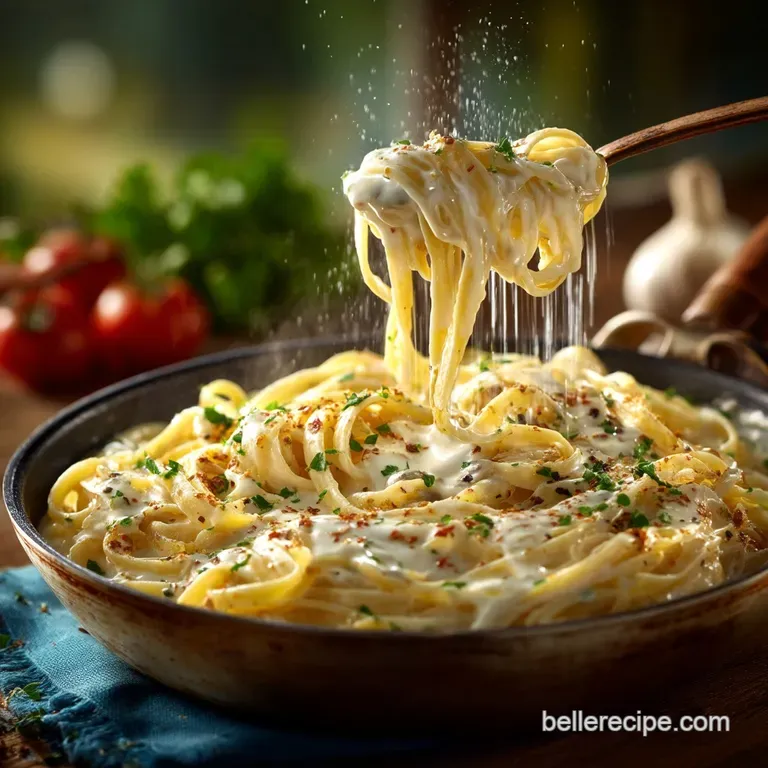
The entire process, from prep to plate, takes a mere 25 minutes, making this simple pasta sauce no heavy cream suitable for any weeknight. Begin by boiling 1 pound of fettuccine until it is just shy of al dente, it will finish cooking in the sauce.
The crucial first step is scooping out and reserving 1 ½ cups of that precious, starchy pasta water before draining.
While the pasta cooks, start the sauce base in your heavy-bottomed saucepan over medium-low heat. Melt the butter, then add the 2 cloves of minced garlic (if using) and sauté gently for 30–60 seconds. The goal is fragrance, not color.
Pour in the 1 ½ cups of whole milk and the ½ cup of evaporated milk. Bring this mixture just to a gentle simmer, stirring occasionally, and then let it reduce very slightly for about 2–3 minutes to concentrate those stabilizing proteins.
Finally, and this is the key to preventing disaster, remove the saucepan completely from the heat. Whisk continuously as you gradually sprinkle in the 2 cups of grated Parmigiano Reggiano, adding only a small handful at a time. The residual heat will melt the cheese into a luxurious, glossy sauce.
If the sauce thickens too much, slowly whisk in the reserved starchy water, a tablespoon or two at a time, until the sauce beautifully coats the back of a spoon. Toss the hot, drained fettuccine directly into the sauce using tongs, ensuring every strand is coated, and serve immediately garnished with black pepper and fresh parsley or chives.
Troubleshooting and Preventing a Broken Sauce
The smooth perfection of Alfredo sauce is highly dependent on managing temperature and timing. A little care during the emulsification stage will prevent common pitfalls.
Phase One: Infusing the Butter for Maximum Flavor
When making this alfredo sauce without heavy cream or milk variant, flavor infusion is vital. When sautéing the 8 tablespoons of unsalted butter and optional garlic, keep the heat low.
High heat will quickly burn the milk solids in the butter or cause the garlic to turn bitter, tainting the entire sauce. Gentle, medium-low heat allows the butter to absorb the garlic’s essence without compromising the flavor base.
Creating the Silken Foundation (The Milk Integration Step)
When integrating the whole milk and evaporated milk, observe the mixture closely. It should reach a very gentle simmer, just a few bubbles at the edges, and then the heat should be reduced immediately to low.
This brief 2–3 minute simmer concentrates the dairy proteins, effectively setting the stage for a strong, stable emulsion, which is the foundation of this superior alfredo sauce without heavy cream .
The Magic Moment: Incorporating the Cheese and Starchy Water
The paramount rule for cheese incorporation is temperature control. The high heat of a direct burner will cause the protein and fat in the Parmigiano to separate, resulting in an oily, grainy mess.
By removing the pan entirely from the heat source, we use only the controlled residual warmth to coax the cheese into the liquid. The starchy pasta water serves as liquid gold; its starches are natural binders that help tighten the sauce, providing the exact consistency needed for an ideal simple pasta sauce no heavy cream .
Quick Fixes If Your Sauce Becomes Too Thin or Too Thick
If your sauce is too thick before combining with the pasta, simply introduce more of the warm, reserved pasta water, one tablespoon at a time, whisking vigorously. If the sauce is too thin, return the pan to very low heat (or just use the heat from the hot pasta) and continue to toss and whisk.
The residual starch on the fettuccine and the gentle evaporation will help the sauce bind quickly.
Avoiding Graininess: The Secret to Melting Cheese Properly
Graininess is almost always caused by two factors: pre-shredded cheese (as previously discussed) or excessive heat. Always use freshly grated cheese, and always incorporate the 240 grams of Parmigiano Reggiano off the heat.
If you suspect your kitchen is cold and the residual heat won't be enough, you may briefly place the pan back on a burner set to its absolute lowest setting, but never leave it unattended; whisk until the cheese is just melted and glossy, then remove immediately.
Storage, Serving, and Enhancing Your Homemade Alfredo
Once you’ve mastered this Alfredo Sauce without Heavy Cream , you’ll want to ensure you get the most out of every serving, from pairing to reheating.
Meal Pairing Ideas: What to Serve Alongside This Rich Sauce
Because this sauce is intentionally rich, despite being lighter than its cream-heavy cousin, it requires sharp contrast on the side. A simple mixed green salad, dressed with a highly acidic vinaigrette (using lemon juice and white wine vinegar), is the perfect foil to cut through the buttery sauce.
For a protein, keep it simple; grilled or pan-seared shrimp seasoned with lemon and herbs, or a quick-seared steak ( tagliata style), works beautifully without complicating the main flavor profile.
For wine lovers, a crisp, unoaked white wine like a dry Italian Arneis or a classic Pinot Grigio provides the ideal acidity to balance the richness.
Best Practice for Reheating Alfredo Sauce without Heavy Cream
Alfredo sauce, particularly those made via emulsion without high levels of stabilizing heavy cream, is notoriously temperamental when reheated. Avoid the microwave, which will cause the fat and liquid to separate almost instantly.
Instead, transfer leftovers to a small saucepan and reheat very gently over low heat, whisking constantly. You will likely need to add a splash (1–2 tablespoons) of milk or water to help the sauce re-emulsify and regain its smooth consistency.
Customizing Your Recipe: Flavor Variations and Additions
This simple simple pasta sauce no heavy cream is a fantastic canvas for additional flavors. For aromatic depth, consider stirring in a tiny pinch of freshly grated nutmeg and 1/4 teaspoon of lemon zest right before adding the cheese; this balances the richness beautifully.
Alternatively, you can easily add protein: render 4 ounces of diced pancetta or bacon before starting the butter stage, remove the crisped meat, make the sauce, and toss the pancetta back in at the end. For a heartier meal, pan-sear blackened chicken slices separately and stir them into the finished pasta.
Analyzing the Calorie and Fat Difference in This Version
While this recipe is decadent and profoundly satisfying, it offers noticeable nutritional advantages over traditional cream-based versions. A typical cream-heavy Alfredo can easily push 1,000+ calories per serving due to the high saturated fat content of double cream.
Our version, based on the provided estimates, clocks in between 650–750 kcal per serving with 35–45 grams of total fat. By substituting high-fat heavy cream with a combination of whole milk and protein-concentrated evaporated milk, we deliver a creamy alfredo sauce substitute that is lighter on the palate and significantly reduces the total saturated fat load, allowing you to enjoy this magnificent dish guilt-free.
Recipe FAQs
I'm nervous about splitting the sauce. What's the trick to making this Alfredo Sauce without Heavy Cream silky smooth?
Splitting is usually down to two things: temperature and cheese quality. The main trick is to take the pan completely off the heat before you introduce the Parmigiano Reggiano.
High heat scolds the proteins, turning your luscious sauce into a grainy mess, we want glossy, not scrambled! Treat the process gently; add the cheese gradually while whisking constantly, and you’ll achieve that beautiful, velvety texture.
Can I really get a thick, rich Alfredo without using a massive tub of double cream? What’s the secret ingredient?
Absolutely, you can! The key player here is evaporated milk. Unlike regular milk, evaporated milk has had about 60% of its water removed, making the proteins highly concentrated. This concentration allows it to form a incredibly stable emulsion with the butter and cheese, giving you the luxurious mouthfeel of heavy cream without the heavy cream itself.
It’s truly a game-changer for a lighter take on the classic.
My sauce turned out too thin or too thick! How do I fix the consistency?
Don't fret, it's easily sorted! If the sauce is running a bit thin (like a river), place the pan back on very low heat and whisk gently for 30 seconds to encourage a little reduction, or try whisking in a small pinch more cheese (off the heat).
If it's too thick, slowly add that reserved starchy pasta water, 1-2 tablespoons at a time, until it reaches that perfect consistency where it elegantly coats the back of a spoon. That starchy water is liquid gold for binding the sauce!
This recipe calls for Parmigiano Reggiano, can I just use the pre-shredded stuff from a bag to save time?
While the thought of saving five minutes of elbow grease is tempting, using pre-shredded cheese is a massive no-no if you want a smooth finish. Those bags contain anti-caking agents (like cellulose) that actively prevent the cheese from melting properly, leading to a gritty or lumpy sauce.
For this recipe to work like a dream, you must grate a proper block of high-quality Parmigiano Reggiano yourself, it's worth the faff, promise!
How should I store the leftovers, and is there a secret to reheating Alfredo without it going grainy?
Store any leftovers in an airtight container in the fridge for up to three days. Alfredo is notoriously moody when reheated, but fear not! To avoid splitting, reheat it gently in a pan over very low heat, or even in a bain-marie (a bowl over simmering water).
Add a splash of milk, stock, or even water while stirring continuously; this introduces moisture and helps the emulsion reset. Never microwave it straight out of the fridge, or you’ll end up with a puddle of oil and grainy cheese.
Silky Alfredo Sauce without Heavy Cream The Evaporated Milk Secret