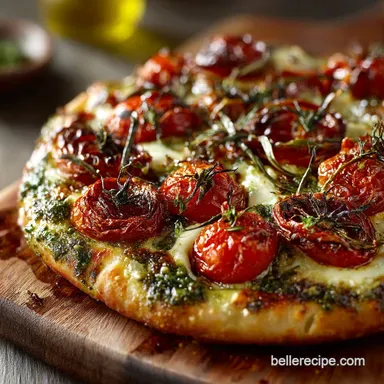
The Riviera Green Basil Pesto Pizza with Roasted Cherry Tomatoes
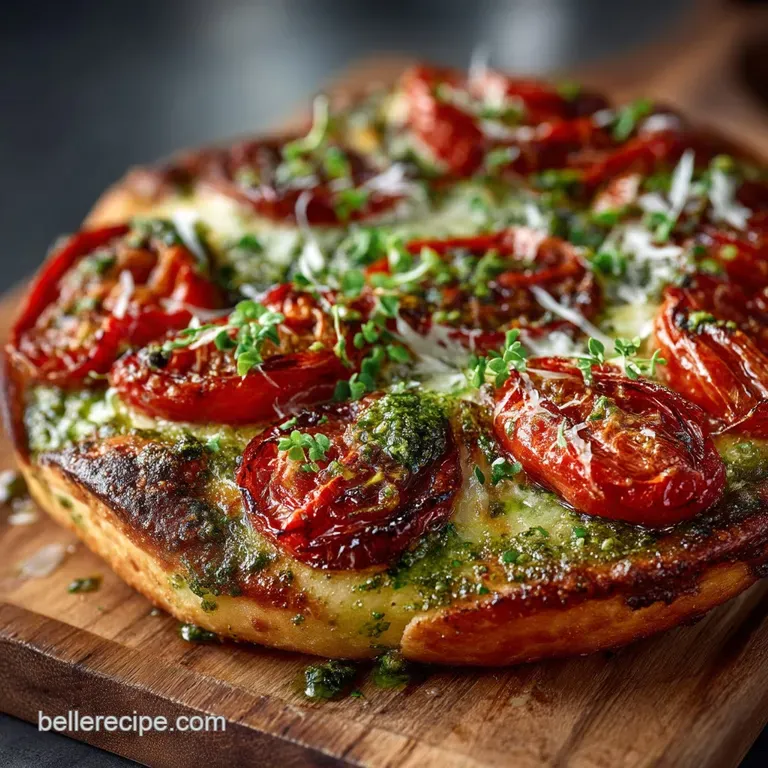
- Escaping the Red Sauce Rut: Why This Pesto Pizza is Perfection
- A Taste of the Italian Riviera: Our Flavor Philosophy
- Gathering Your Green Gold: Essential Components
- Baking the Ultimate Pesto Pizza
- Mastering Your Pizza Game: Tips and Variations
- Completing the Meal: Serving Suggestions
- Recipe FAQs
- 📝 Recipe Card
Escaping the Red Sauce Rut: Why This Pesto Pizza is Perfection
For too long, the classic tomato base has dominated the pizza landscape. While we certainly love a good Neapolitan, sometimes our palate craves something lighter, brighter, and intensely herbaceous. This Pesto Pizza offers that perfect Mediterranean escape.
It is a triumphant fusion of the fragrant, nutty complexity of basil pesto, the sweet burst of caramelized cherry tomatoes, and creamy, bubbling low-moisture mozzarella, all baked atop a crisp, thin crust.
It’s an elegant meal, perfect for a summer evening, and quickly establishes itself as the best pesto pizza recipe you will ever need. If you are looking to elevate your home pizza game beyond the usual suspects, this approach, focused on quality ingredients and high heat, is your ticket to the Italian Riviera.
A Taste of the Italian Riviera: Our Flavor Philosophy
Our approach to this pizza is built on balance. Unlike heavier versions that use Alfredo or a cream-based sauce, this recipe relies entirely on the natural richness of good olive oil and the freshness of basil.
It takes approximately two and a half hours to create, though much of that time is passive waiting while the dough proves. The result is two vibrant, 10–12 inch pizzas that serve four, embodying the clean, sunny flavours of the Mediterranean coast.
Achieving this perfect balance means paying close attention to the source and preparation of our pesto pizza ingredients .
The Secret to Bright, Non-Oily Pesto Success
The fundamental challenge with using pesto as a base is that it can quickly become greasy and heavy under high heat. The key to maintaining its bright, beautiful flavour, creating the perfect pesto pizza sauce —is restraint and quality.
Whether you choose to make a fresh batch or use a high-quality jarred variety, avoid spreading a thick, heavy layer. We use about half a cup of pesto across two entire pizzas; this thin layer provides the necessary flavour punch without drowning the dough in oil.
Spreading the pesto directly onto the raw dough creates a protective, flavourful base layer that permeates the crust during the bake.
The Role of Sweet Roasted Tomatoes
Fresh cherry tomatoes are certainly delicious, but they release excessive moisture when exposed to the high heat of the oven, often leading to a soggy crust. The secret weapon in this pesto pizza ideas recipe is the pre-roasting step.
Tossing halved tomatoes with a touch of olive oil, salt, and pepper, then baking them briefly at 350°F (175°C), concentrates their natural sugars. They emerge slightly shriveled and intensely sweet, offering a delicious counterpoint to the saltiness of the cheese and the herbaceousness of the pesto.
Why Thin Crust Matters Here
The light, aromatic nature of the basil pesto demands a supportive, but not overpowering, crust. A thick, chewy, or heavily yeasted crust would simply swallow the delicate flavours of the pesto pizza sauce .
We rely on a thin, high-hydration pizza dough, created using about 250g of strong bread flour, which, when baked quickly at extreme temperatures, yields a supremely crispy base with just enough airy chew around the edges. This preparation ensures the pesto remains the undisputed star of the show.
Gathering Your Green Gold: Essential Components
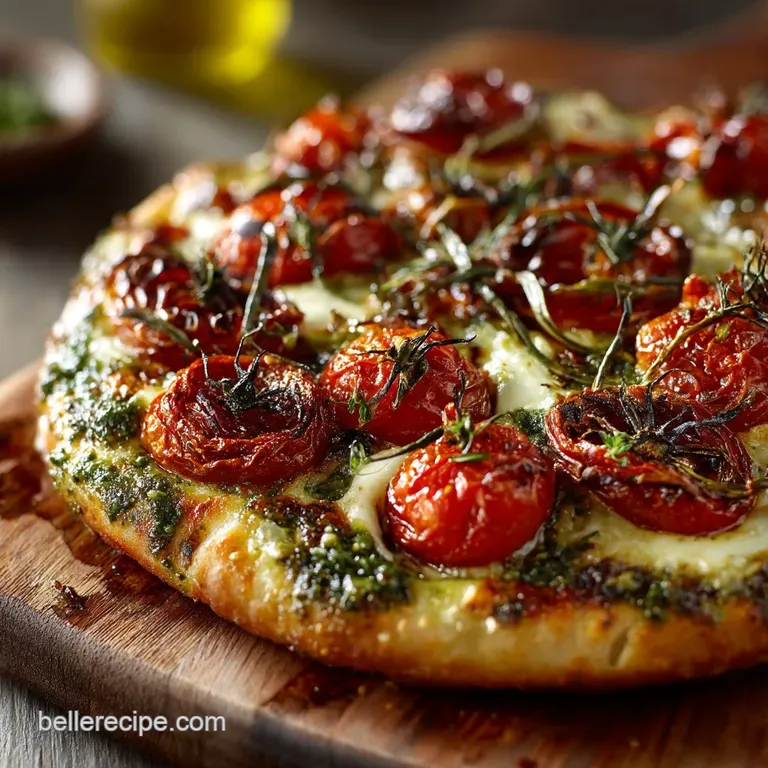
Before we begin the baking process, let’s ensure all our pesto pizza ingredients are perfectly prepped. This recipe sits at a medium difficulty level, mostly due to the need for careful dough handling and managing high oven temperatures, but the assembly itself is straightforward.
Choosing the Best store-bought Pesto
While a true homemade pesto pizza sauce recipe is unbeatable, time often dictates using a jar. When selecting your store-bought pesto, look for brands that list basil as the first or second ingredient, contain real pine nuts (not cashew or walnut fillers), and use high-quality extra virgin olive oil.
The flavour of the jar will directly determine the quality of your finished Pesto Pizza .
Perfecting the Dough: store-bought vs. Scratch
For the best results, we begin with a scratch-made dough using 2 cups (250g) of flour and letting it rest for a full 90 minutes until doubled in size. This slow rise yields fantastic texture.
However, if time is scarce, a 1 lb (450g) ball of fresh, good-quality store-bought dough is an excellent substitute. Remember to let store-bought dough rest at room temperature for at least 30 minutes before stretching to ensure it is pliable.
The Right Gear for a Crispy Crust
To achieve that beautiful, crackling crust, specialized equipment is highly recommended. You must have a Pizza Stone or Pizza Steel . This apparatus needs to be placed on the middle rack and preheated alongside the oven to the highest possible temperature, ideally 500°F (260°C) or more, for at least 45 minutes.
This prolonged heating time is critical as the hot stone delivers the necessary burst of heat directly to the dough, simulating a professional pizza oven. You will also need a pizza peel, or the back of a sturdy baking sheet, to transfer the assembled pizza swiftly.
Related Recipes Worth Trying
- Sunshine Garden Veggie Pizza with Herbed Cream Cheese — Forget heavy sauce Try this light easy Veggie Pizza with Cream Cheese featuring an herbed base and garden fresh toppings Its cracking good
- BBQ Chicken Pizza Yall Gonna Love This Recipe — This BBQ Chicken Pizza recipe is a gamechanger Smoky BBQ tender chicken red onion cilantro on a crispy crust Easier than you think Get the recipe
- My Motor City Secret Best Detroit Style Pizza Recipe — Craving authentic Detroit style pizza Get my easy Detroit pizza recipe for a thick airy crust and crispy cheesy edges Motor City magic at home
Baking the Ultimate Pesto Pizza
The actual baking process is a focused operation requiring speed and heat. If your ingredients are prepped, including the 175g of low-moisture mozzarella, which should be grated and ready, you can move through the steps quickly.
Roasting the Tomatoes for Maximum Juiciness
Prior to heating the oven to its highest setting, toss your cup of halved cherry tomatoes with olive oil, salt, and pepper, and roast them in a separate oven or toaster oven at 350°F (175°C) for about 10 to 15 minutes. They should be soft but still hold their shape.
This ensures they don't release too much liquid onto the finished base, preserving the crispness of the crust underneath the pesto pizza toppings .
Stretching the Dough Without Tearing
Once your dough is divided into two balls and has rested, lightly dust your surface (and your hands) with flour. Work gently, stretching or rolling the dough from the centre outwards to form a 10–12 inch circle. Try to preserve a slightly thicker edge for the crust.
Crucially, dust your pizza peel heavily with semolina flour or cornmeal before placing the dough on it; this acts like tiny ball bearings, ensuring the raw pizza slides seamlessly onto the inferno-hot stone.
Strategic Layering: When to Add the Mozzarella
The order of assembly is key to balancing texture and flavour. First, spread half of the pesto evenly over the raw dough, stopping about an inch from the border. Next, distribute half of the low-moisture mozzarella, this is the cheese that melts perfectly without releasing excess water, over the pesto.
Finally, strategically place half of the roasted tomatoes and a scattering of toasted pine nuts before finishing with a light dusting of grated Parmesan or Pecorino.
High Heat Tactics for the Perfect Melt
With the assembled pizza resting on the semolina-dusted peel, open the oven door quickly and slide the pizza onto the preheated pizza stone. Close the door immediately to retain heat. Bake the pizza for 10 to 15 minutes.
You are looking for a bubbly, melted topping and a crust that is dramatically puffed and deeply golden brown. Once baked, remove the pizza, slide it onto a cutting board, garnish with a handful of fresh basil leaves, and let it rest for two minutes before slicing.
Mastering Your Pizza Game: Tips and Variations
The best pesto pizza topping ideas often involve small, strategic additions that complement the basil, rather than overpowering it.
Our primary advice remains focusing on temperature management: preheat the stone for a minimum of 45 minutes, heat is the single most important factor for success.
Next,, always tear the low-moisture mozzarella into small pieces instead of dumping large clumps; this encourages an even melt and prevents pools of oil and moisture.
Finally, don’t neglect the finishing touches: a final drizzle of high-quality EVOO and a sprinkle of flaky sea salt right after baking adds professional polish.
Completing the Meal: Serving Suggestions
This vibrant Pesto Pizza is light enough to be served with substantial sides or enjoyed solo. It pairs beautifully with a simple arugula salad dressed with lemon and a light, crisp white wine or an Italian lager.
How to Store and Reheat Leftover Slices
Should you have any slices remaining (a rare event!), store them in an airtight container in the refrigerator for up to three days. To revive the crispy crust, do not use the microwave.
Instead, reheat the slices quickly in a dry skillet over medium heat, or bake them on a wire rack in a toaster oven or standard oven until the cheese is hot and the crust is crisp again.
Flavor Twists: Adding Protein or Spice
If you’re seeking to transform this into a heartier main course, there are many excellent pesto pizza toppings . One popular and satisfying variation is pesto pizza with chicken .
Simply ensure your chicken breast is pre-cooked, shredded, and tossed in a light coating of pesto before scattering it on the pizza along with the mozzarella. Alternatively, add crumbled, cooked Italian sausage, thin slices of prosciutto (added after baking), or capers and finely diced artichoke hearts for an intense Mediterranean profile.
For a delicious hint of heat, include a light scattering of crushed red pepper flakes or thinly sliced pickled jalapeños.
Making This Recipe Vegan or gluten-free
This Pesto Pizza is easily adaptable to dietary needs. To make the recipe vegan, substitute the dairy mozzarella with a cashew-based vegan alternative or, for simplicity, skip the cheese layer entirely and load up on roasted vegetables like zucchini and mushrooms.
Ensure you are using a certified vegan pesto, as many contain Parmesan cheese. For a gluten-free version, simply substitute the homemade dough with a pre-made gluten-free pizza crust, following the manufacturer’s baking instructions, though you should still aim for the highest possible oven temperature.
Nutritional Snapshot: Calories and Macros
Given the generous use of quality olive oil in the dough and the pesto pizza sauce , this recipe is rich in healthy fats, which contribute significantly to the total estimated calorie count of approximately 580–650 kcal per half-pizza serving.
Each serving delivers a robust 25g of protein (from the bread flour and cheese) and 35–40g of fat, making it a very filling and satisfying meal.
Recipe FAQs
Why does my Pesto Pizza crust sometimes go a bit soggy?
This is a common issue often caused by excessive moisture, especially when using pesto as a base. To combat a soggy bottom, make sure you use low-moisture mozzarella, and if your pesto is particularly oily, give it a quick drain before spreading it on the dough.
Critically, ensure your oven and pizza stone/steel are preheated at maximum temperature for a full 45 minutes, that intense heat is the secret weapon for a crisp base.
Should I use fresh buffalo mozzarella or the standard block stuff for this recipe?
Stick to the standard, low-moisture mozzarella that comes in a block or is pre-grated. Fresh buffalo mozzarella, while delicious, is packed with water (it's often swimming in brine!).
If you use it, that moisture will inevitably be released during the high-heat bake, leaving you with a watery surface and a very sad, damp crust. Low-moisture cheese melts perfectly without the unwanted leakage.
Crikey, I have a nut allergy! Are there any good alternatives for the nuts in this Pesto Pizza?
Good heavens, safety first! Pine nuts are traditional but easily swapped out without compromising the integrity of the pizza. For crunch, you can toast pumpkin seeds or sunflower seeds and scatter those over the top instead.
Alternatively, you can seek out or make a specific nut-free pesto using toasted seeds and nutritional yeast to replace the bulk and flavour provided by the standard nuts.
Can I make the dough ahead of time, or how should I store leftovers?
Absolutely, the dough can be prepped up to 24 hours in advance and stored in the fridge, this is called a cold-prove and often deepens the flavour! Just remember to let it come back to room temperature for about an hour before attempting to shape it.
Leftover slices keep brilliantly in an airtight container for up to three days; for the best reheat, warm them quickly in a dry frying pan on the hob until the base is crispy again.
I fancy a change. What's the best way to vary the toppings on this pesto base?
The pesto base is incredibly versatile, allowing for endless variations! For a change, try crumbling some salty goat cheese or feta alongside the mozzarella, and add thin slices of roasted courgette (zucchini).
If you like a bit of kick, a few thinly sliced pickled jalapeños or some spicy Italian sausage work wonders, contrasting beautifully with the fresh, bright flavour of the pesto.
Pesto Pizza Recipe Crispy Thin Crust with Roasted Tomatoes